
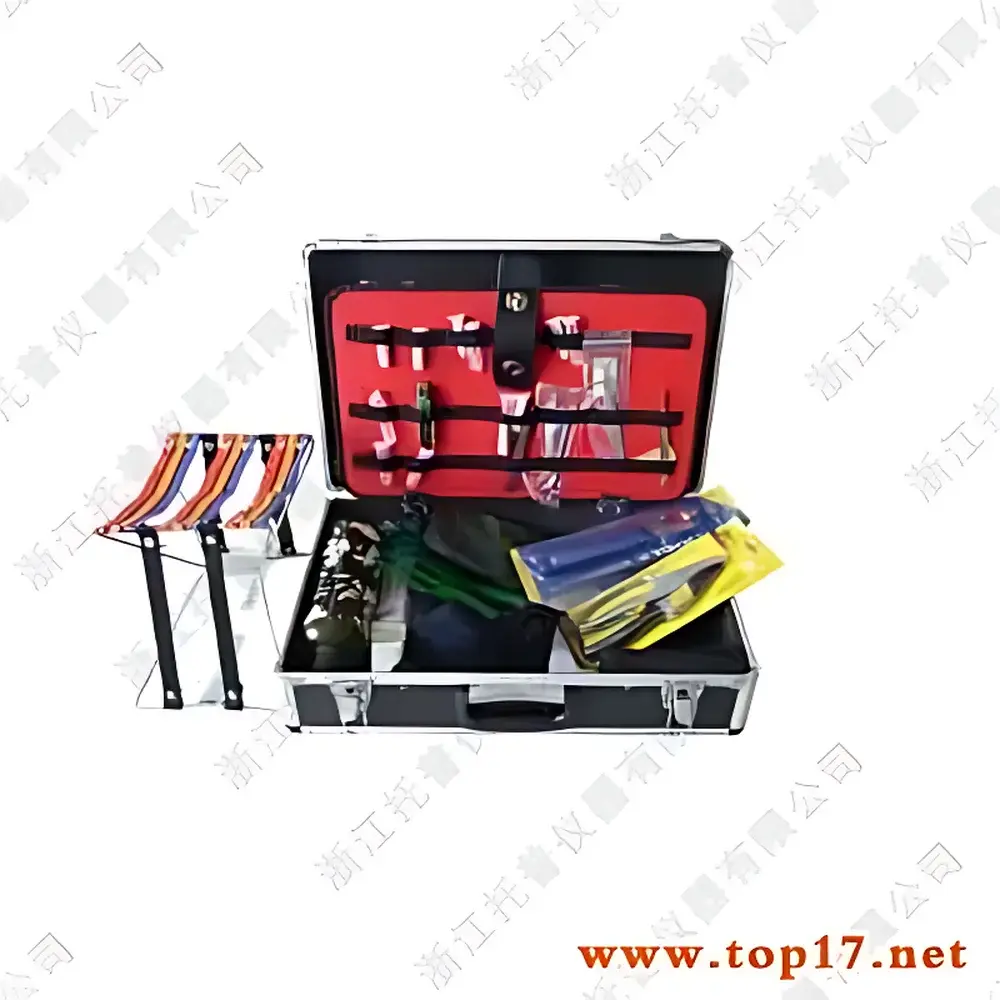
Top Cloud-agri DU80007A/DU80006A Field Plant & Insect Quarantine Tool Kits
| Brand | Top Cloud-agri |
|---|---|
| Origin | Zhejiang, China |
| Manufacturer Type | OEM/ODM Producer |
| Country of Origin | China |
| Model | DU80007A (Insect Quarantine Kit), DU80006A (Plant Quarantine Kit) |
| Pricing | Available Upon Request |
Overview
The Top Cloud-agri DU80007A and DU80006A Field Quarantine Tool Kits are purpose-engineered portable instrumentation systems designed for frontline plant protection officers, phytosanitary inspectors, and field entomologists conducting on-site pest surveillance, invasive species identification, and regulatory compliance sampling. Unlike general-purpose tool sets, these kits implement a standardized, mission-critical configuration aligned with national and regional plant quarantine protocols—supporting rapid morphological examination, specimen collection, containment, labeling, and preliminary documentation under variable field conditions. The DU80007A Insect Quarantine Kit adheres to entomological best practices for live and preserved arthropod handling, while the DU80006A Plant Quarantine Kit integrates horticultural and dendrological sampling tools essential for detecting pathogens, nematodes, and concealed pests in woody tissues, buds, leaves, and soil-root interfaces. Both kits are housed in durable anodized aluminum cases engineered for shock resistance, moisture mitigation, and organized compartmentalization—ensuring tool integrity during transport across rural roads, mountainous terrain, or humid coastal inspection zones.
Key Features
- Modular aluminum case with custom-molded foam inserts for secure tool retention and rapid visual inventory verification
- Dual-configuration design: DU80007A (26-component insect-focused set) and DU80006A (23-component plant-pathogen focused set), each optimized for distinct diagnostic workflows
- Integrated 40× LED-illuminated magnifier enabling real-time morphological assessment of minute structures (e.g., setae, mouthparts, ovipositors, fungal hyphae)
- Biocontainment components including custom-designed toxicant vials (DU80007A), live-insect rearing tubes, triangular paper specimen bags, and sealed glass sample vials (10 mL) compliant with ITPGRFA and IPPC transport guidelines
- Field-durable instrumentation: stainless-steel dissection tools (scalpels, needles, forceps), precision pruning shears, grafting knives, bark scrapers, and calibrated electronic scale (500 g ±0.1 g resolution) for quantitative biomass logging
- Traceability-ready accessories: waterproof notebooks, oil-based permanent markers, specimen labels, and pre-printed sampling log templates compatible with national phytosanitary reporting frameworks
Sample Compatibility & Compliance
These kits support sampling across regulated taxonomic groups—including Hemiptera, Lepidoptera, Coleoptera, Hymenoptera, Acari, Nematoda, Oomycetes, and bacterial/fungal isolates from host tissues. All metal tools meet ISO 7206-1 surgical-grade stainless steel specifications for corrosion resistance and sterilizability. Glass vials conform to ASTM D4327 requirements for chemical inertness during preservative storage. The aluminum enclosure complies with IP54 ingress protection standards for dust and splash resistance. Tool configurations align with China’s GB/T 23629–2009 “Technical Specifications for Plant Quarantine Tools” and reference FAO/IPPC Diagnostic Protocols for border inspection units. Optional calibration certificates (NIST-traceable weight standard, magnification verification report) available upon request for GLP-aligned laboratories.
Software & Data Management
While hardware-centric, the kits integrate seamlessly into digital phytosanitary workflows. Each kit includes QR-coded tool inventory tags linked to a cloud-accessible asset management module (accessible via Top Cloud-agri’s AgriQuarantine Portal). Field staff can log specimen metadata—including GPS coordinates, host plant ID, symptom description, and collector signature—directly into mobile-compatible forms synchronized with provincial pest monitoring databases. Audit trails comply with ISO/IEC 17025 documentation requirements. Electronic scale output supports CSV export for integration with statistical analysis platforms (R, SAS) used in pest risk analysis modeling.
Applications
- Border inspection stations and port-of-entry screening for imported plant materials
- Routine surveillance in orchards, nurseries, and protected cultivation facilities
- Emergency response to emerging pest outbreaks (e.g., spotted lanternfly, brown marmorated stink bug, Xylella fastidiosa vectors)
- Training modules for national plant protection organization (NPPO) personnel and university extension programs
- Baseline biodiversity inventories supporting EPPO Alert List evaluations and SPS measure development
FAQ
Can the DU80007A and DU80006A kits be customized for specific national quarantine mandates?
Yes—Top Cloud-agri offers OEM configuration services including regulatory-specific tool substitutions, multilingual labeling, and certification documentation (e.g., EU Plant Passport compatibility, USDA APHIS import permit alignment).
Are replacement parts and consumables (e.g., triangular paper bags, insect pins) available separately?
Yes—consumables are supplied in bulk packs with lot-controlled traceability; all replacement tools match original material specifications and dimensional tolerances.
Does the electronic scale meet legal-for-trade requirements in export markets?
The included scale is certified to OIML R76 Class III accuracy; optional MID-certified versions (for EU member states) and NTEP-certified models (for USA) are available upon specification.
Is training provided for proper use and maintenance of the kits?
Comprehensive field operator training—covering tool sterilization protocols, specimen preservation ethics, and chain-of-custody documentation—is delivered via virtual workshop or on-site technician deployment.
How is long-term calibration maintained across distributed field teams?
Each kit ships with a calibration verification card and access to remote calibration scheduling through the AgriQuarantine Portal, with annual recalibration reminders synced to institutional QA calendars.
Related Products







