
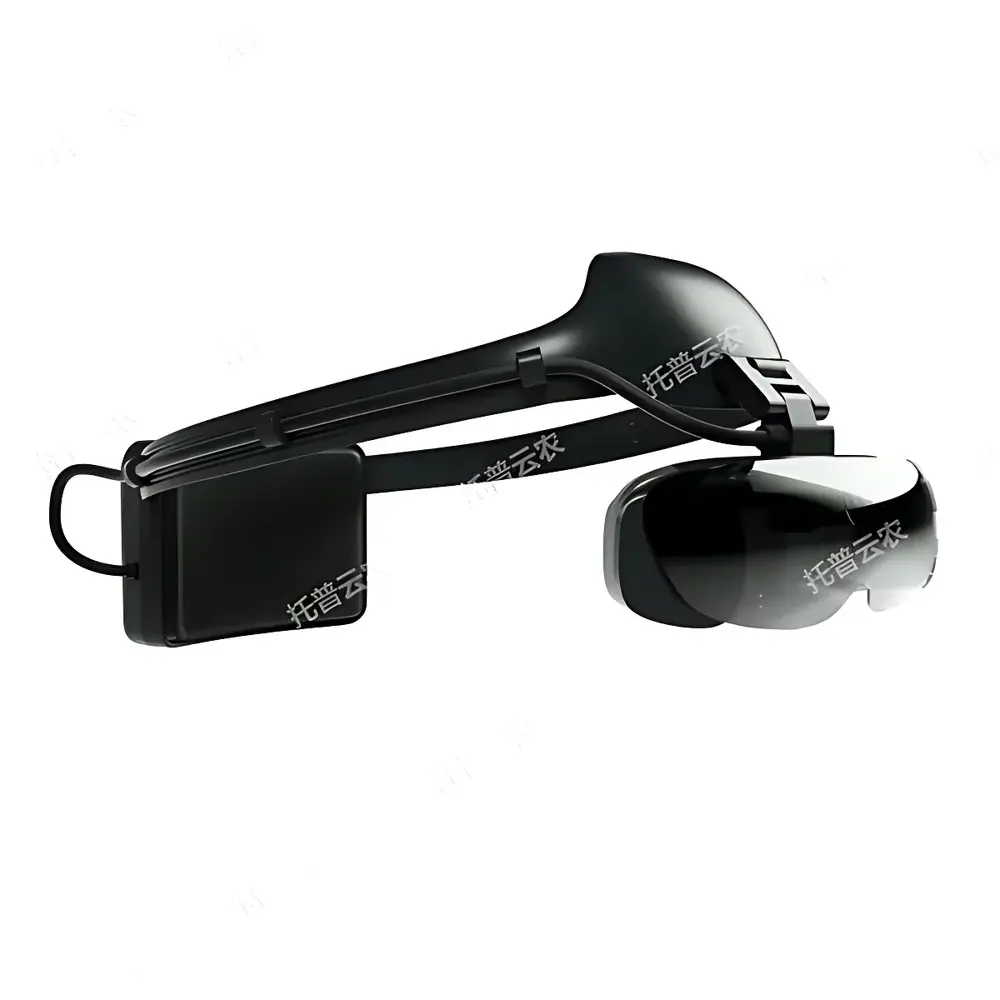
Top Cloud-agri TP-AR-1 Series Portable Augmented Reality Crop Health Analysis System (AR Smart Glasses)
| Brand | Top Cloud-agri |
|---|---|
| Origin | Zhejiang, China |
| Manufacturer Type | OEM/ODM Manufacturer |
| Region of Manufacture | Domestic (China) |
| Models | TP-AR-1A, TP-AR-1B, TP-AR-1C |
| Pricing | Available Upon Request |
Overview
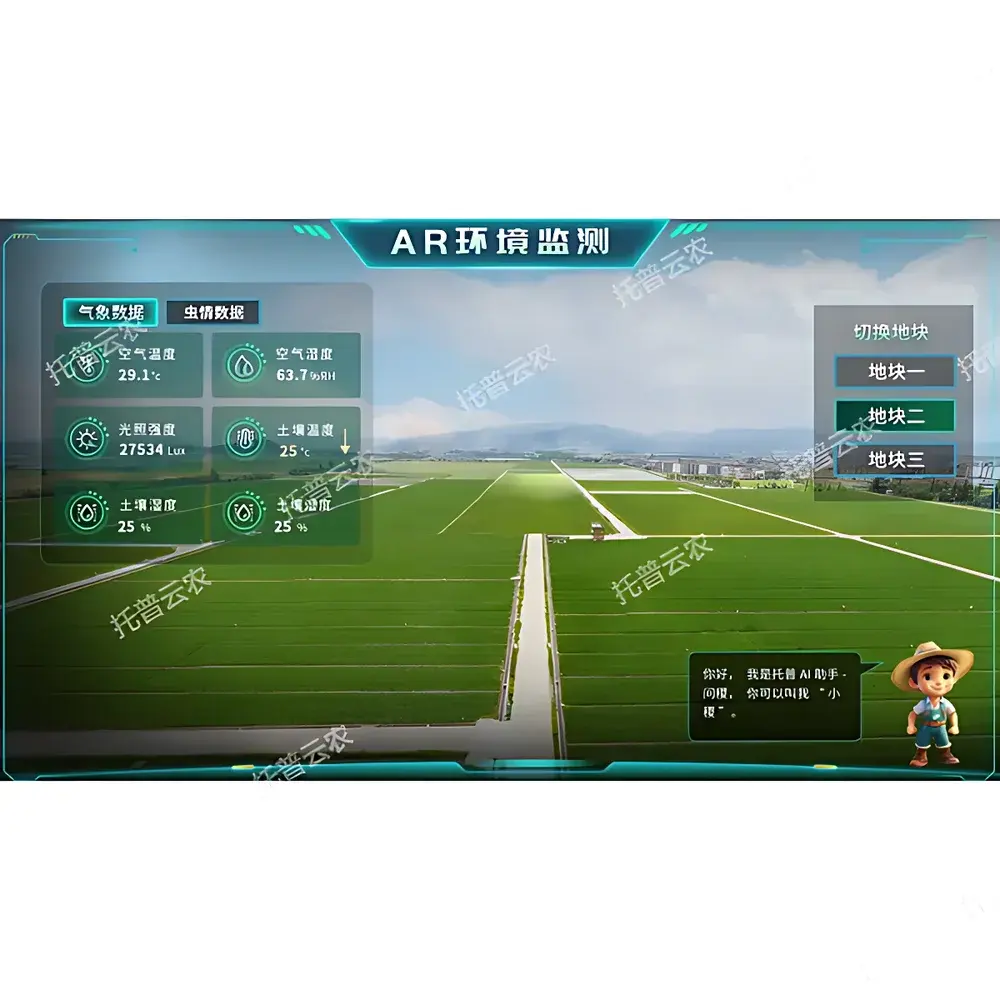
The Top Cloud-agri TP-AR-1 Series is a purpose-built, portable augmented reality (AR) smart glasses platform engineered for real-time, on-site crop health assessment and agronomic decision support in field, greenhouse, and orchard environments. Unlike conventional handheld imaging or tablet-based tools, this system integrates binocular waveguide optics, edge AI inference, and IoT device interoperability into a hands-free wearable architecture. Its core measurement methodology combines high-resolution visible-light imaging (48 MP), computer vision–driven phenotypic trait extraction (e.g., plant height, stem diameter, leaf angle), deep learning–based classification of biotic stressors (diseases, pests), and temporal phenological stage detection—enabled by multi-modal training datasets spanning rice, wheat, maize, grapevines, and tea cultivars. The system operates under an embedded Android 11 OS with MediaTek Dimensity 720 SoC, supporting low-latency inference at the edge while offloading intensive model retraining and data fusion to secure cloud infrastructure. Designed for operational continuity in variable outdoor conditions, it functions reliably across −10 °C to +50 °C ambient temperatures and meets IP54-rated dust/moisture resistance standards for agricultural deployment.
Key Features
- Hands-Free Multimodal Interaction: Voice commands, head-gesture navigation, and physical button controls eliminate manual device handling—enabling uninterrupted fieldwork during pruning, harvesting, or scouting.
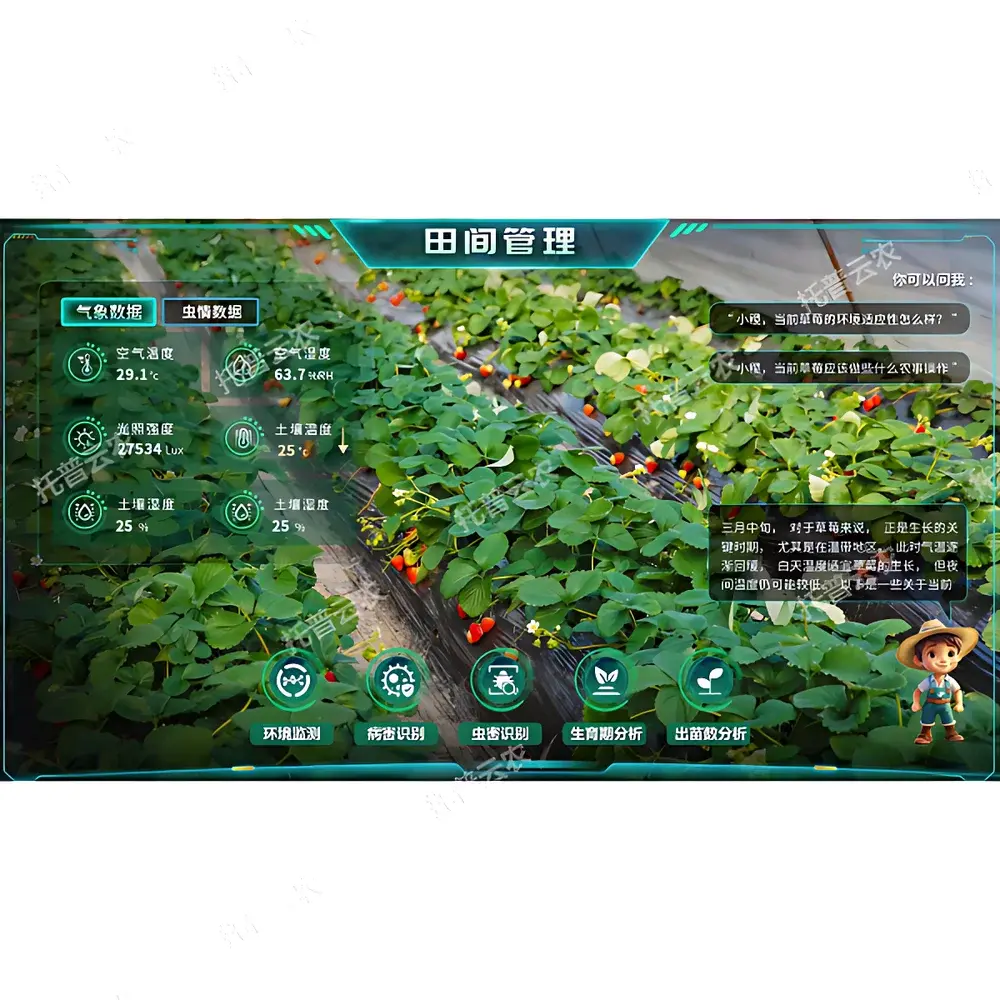
- Edge-AI–Powered Real-Time Diagnostics: On-device inference for disease/pest recognition (e.g., rice blast, wheat stripe rust, corn gray leaf spot) delivers sub-second visual annotation and context-aware mitigation recommendations without dependency on continuous cloud connectivity.
- AR-Guided Agronomic Operations: Overlaid digital guidance for precision tasks—including grape cluster thinning (Sunshine Rose cultivar optimization), tea bud-stage assessment (one-bud-one-leaf vs. one-bud-two-leaves), and fruit tree pruning—calibrated via real-time pose estimation and spatial mapping.
- Phenotypic Trait Quantification: Automated extraction of morphometric parameters including canopy coverage ratio (via NDVI-equivalent visible-band analysis), internode length, stem girth, leaf inclination angle, and seed count—validated against ground-truth manual measurements per ISO 21736:2022 protocols for field phenotyping equipment.
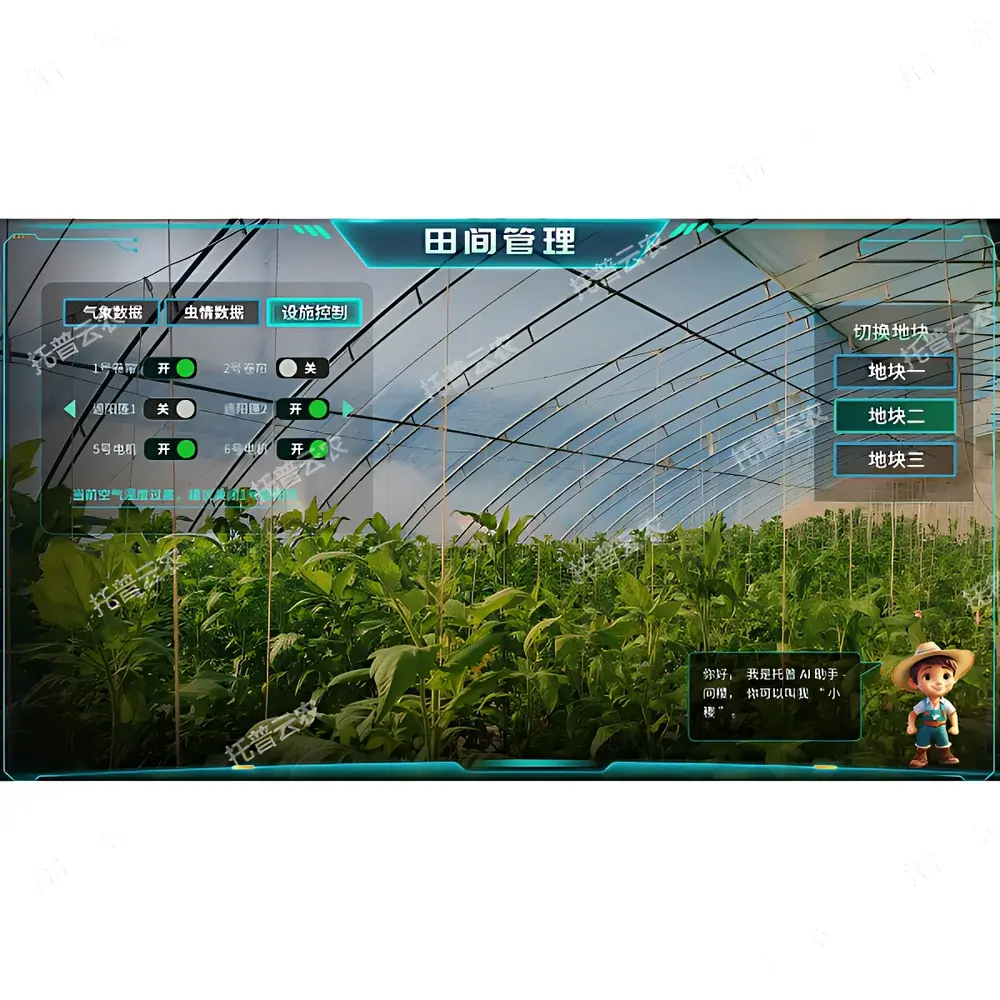
- IoT Device Integration Hub: Native MQTT/CoAP support enables bidirectional communication with environmental sensors (microclimate stations), actuator networks (irrigation solenoids, ventilation fans, shade curtains), and pest monitoring traps—facilitating closed-loop environmental control triggered by physiological thresholds.
- Regulatory-Ready Data Governance: All image annotations, inference logs, and user interactions are timestamped, geotagged (GPS/BeiDou), and stored with cryptographic integrity—supporting audit trails compliant with GLP principles and traceable data lineage per FAO’s Digital Agriculture Framework.
Sample Compatibility & Compliance
The TP-AR-1 Series supports standardized phenotyping workflows across major cereal, horticultural, and perennial crops. Validation datasets include >12,000 annotated field images from controlled trials in Zhejiang, Jiangsu, and Sichuan provinces, covering 13+ key pests (e.g., Chilo suppressalis, Mythimna separata) and 11+ foliar diseases. Recognition accuracy exceeds 92.3% (F1-score) for target classes under variable lighting and occlusion conditions, as verified per ASTM E2921–22 guidelines for agricultural image classification systems. Hardware conforms to CE EN 62368-1 (audio/video safety), RoHS 2011/65/EU, and GB/T 2423.1–2008 (low-temperature operation). Software architecture adheres to ISO/IEC 27001:2022 information security requirements for agricultural data handling.
Software & Data Management
The companion TopAgriVision Suite provides web-based dashboard access for longitudinal cohort analysis, model versioning, and federated learning coordination across farm networks. All captured imagery and derived metrics are encrypted at rest (AES-256) and in transit (TLS 1.3). Role-based access control (RBAC) enforces granular permissions for field technicians, agronomists, and QA auditors. Audit logs record every inference event—including input confidence scores, model build ID, and sensor metadata—satisfying FDA 21 CFR Part 11 electronic record requirements where applicable. Offline-first synchronization ensures data persistence during intermittent connectivity, with automatic conflict resolution upon network restoration.
Applications
- Field-scale scouting for early biotic stress detection in rice paddies and wheat belts
- Standardized phenotyping trials for breeding programs (e.g., drought-tolerant rice lines)
- Real-time quality assurance during premium grape thinning operations
- Tea estate harvest scheduling based on bud maturity index scoring
- Extension agent training modules using AR-overlay demonstrations of pest life cycles
- Regulatory compliance reporting for GAP-certified production units
FAQ
Does the system require constant internet connectivity to perform disease identification?
No—core inference models execute locally on the MTK Dimensity 720 processor; cloud connectivity is only required for model updates, long-term storage, and cross-farm analytics.
How is calibration performed for plant height or stem diameter measurements?
Users deploy certified reference rods or fiducial markers in-field; the system applies monocular depth estimation fused with inertial measurement unit (IMU) data to compute metric-scale dimensions per ISO 11783-12:2021.
Can third-party IoT devices be integrated beyond Top Cloud-agri’s native hardware ecosystem?
Yes—the platform exposes RESTful APIs and supports standard industrial protocols (Modbus TCP, BACnet/IP), enabling integration with legacy irrigation controllers, weather stations, and soil moisture networks.
Is the AR display compatible with prescription eyewear?
The waveguide optical engine accommodates standard over-glasses wear; optional magnetic clip-on prescription adapters are available for Class I medical device certification.
What data privacy safeguards apply to farm-level imagery and analytics?
All raw imagery is processed locally; only anonymized feature vectors and metadata are transmitted to the cloud. Customers retain full ownership and may configure private cloud deployments or air-gapped edge servers.






