
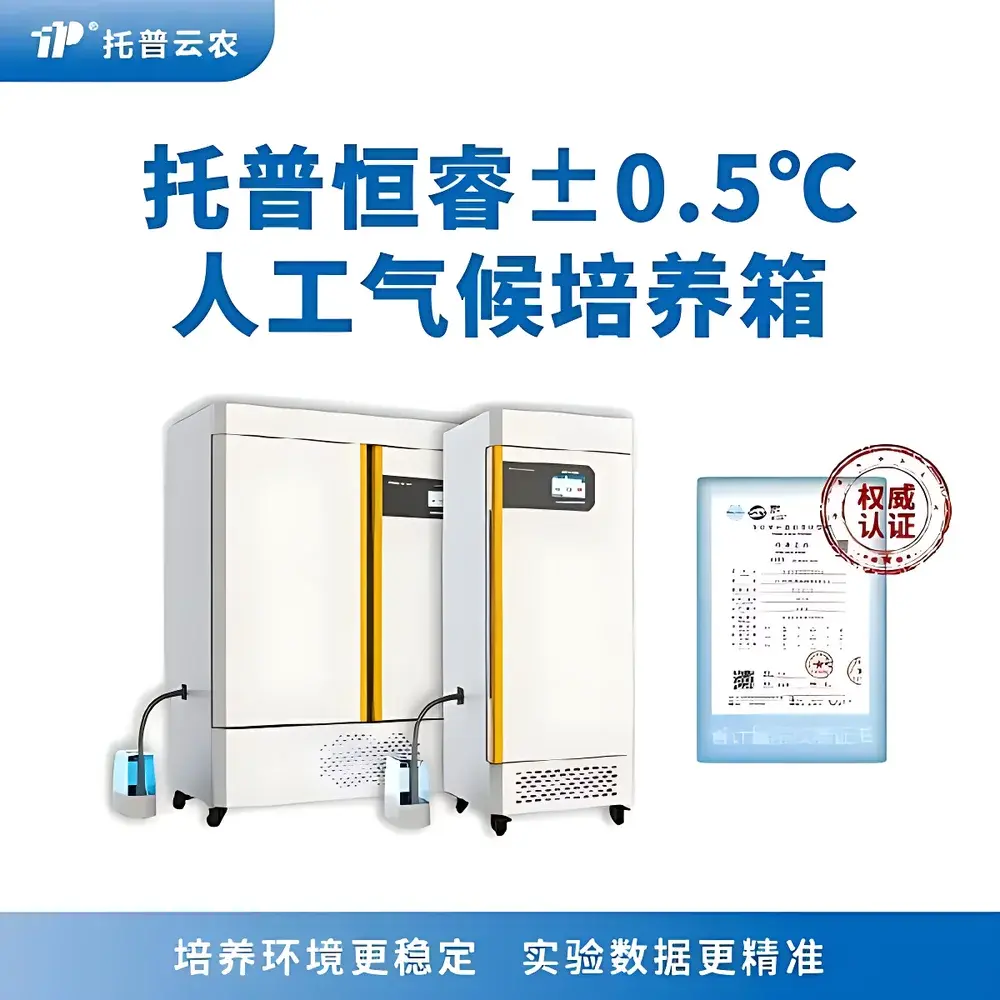
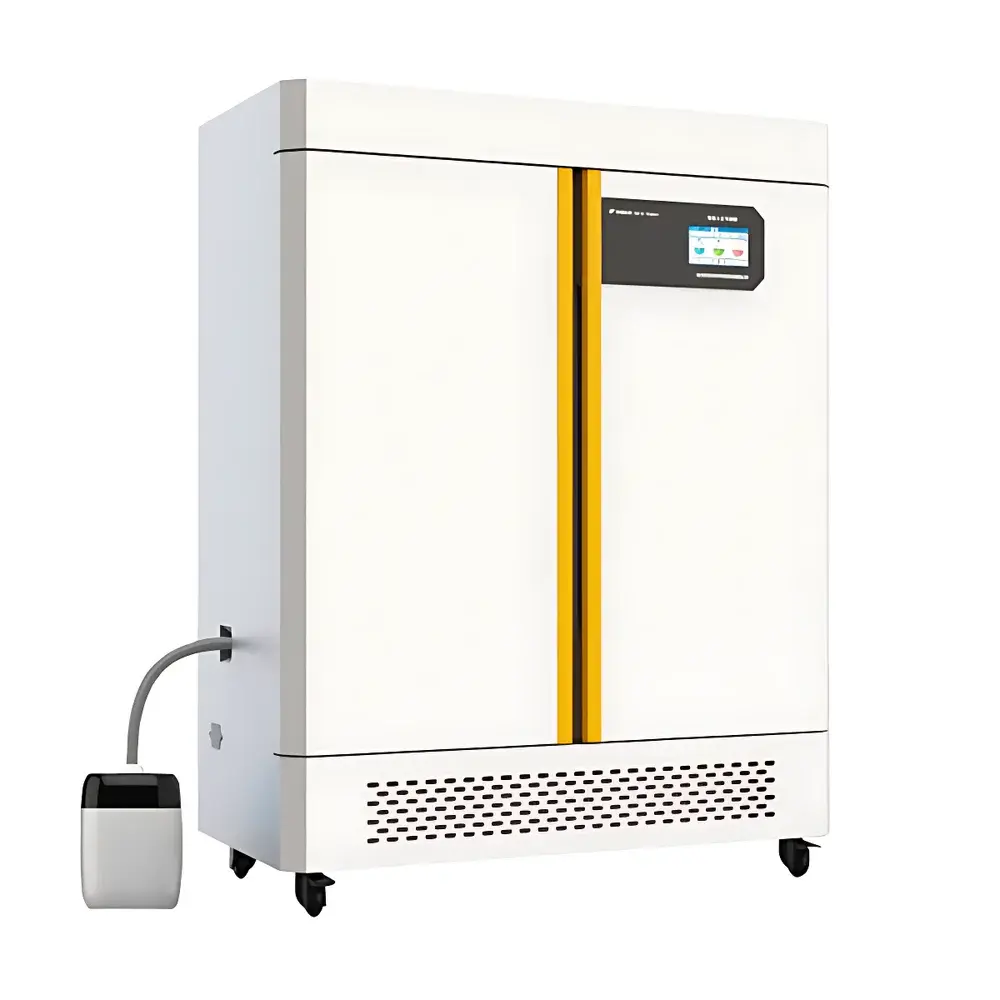
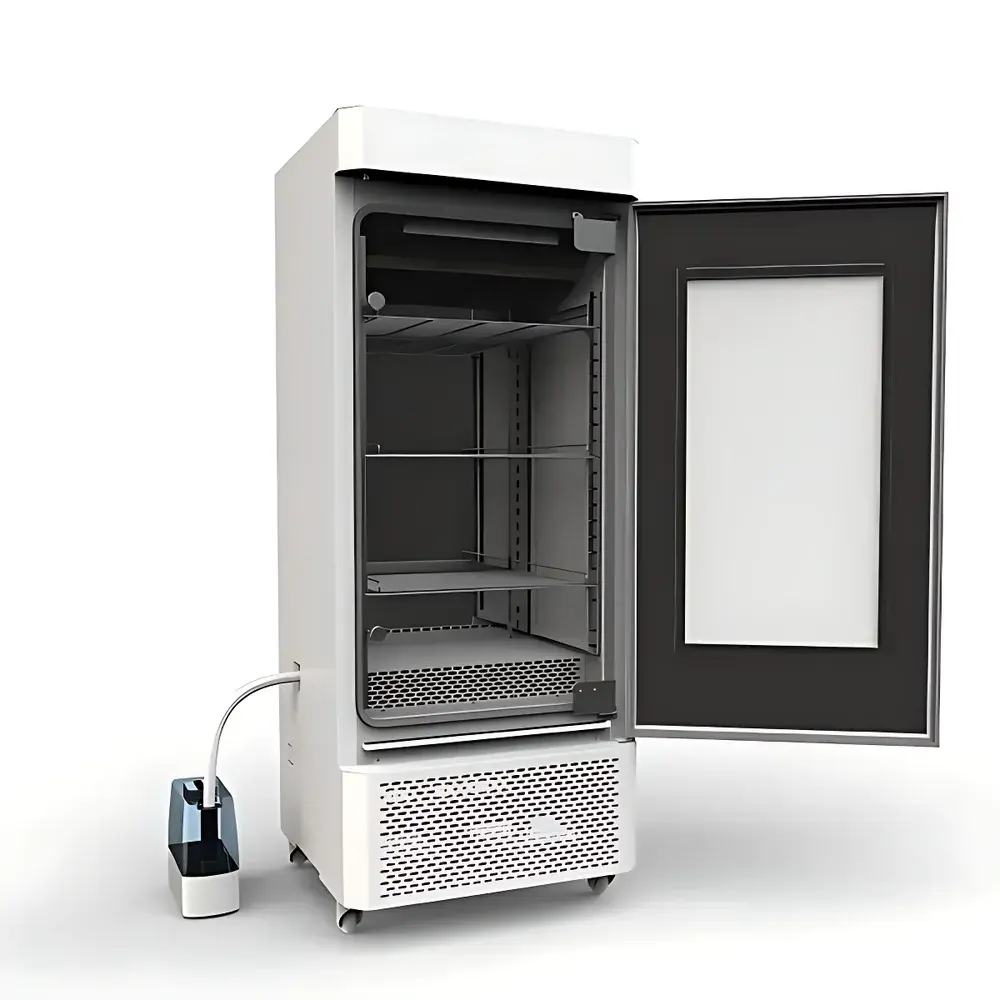
Top Cloud-agri TP-R420C / TP-R420D / TP-R1000C / TP-R1000D Artificial Climate Incubator
| Brand | Top Cloud-agri |
|---|---|
| Origin | Zhejiang, China |
| Manufacturer Type | Direct Manufacturer |
| Product Category | Domestic |
| Models | TP-R420C, TP-R420D, TP-R1000C, TP-R1000D |
| Temperature Control Range | 0–65 °C (light off) |
| Humidity Control Range | 10–95 %RH (temperature-dependent) |
| Illumination Intensity | 0–22,000 lux |
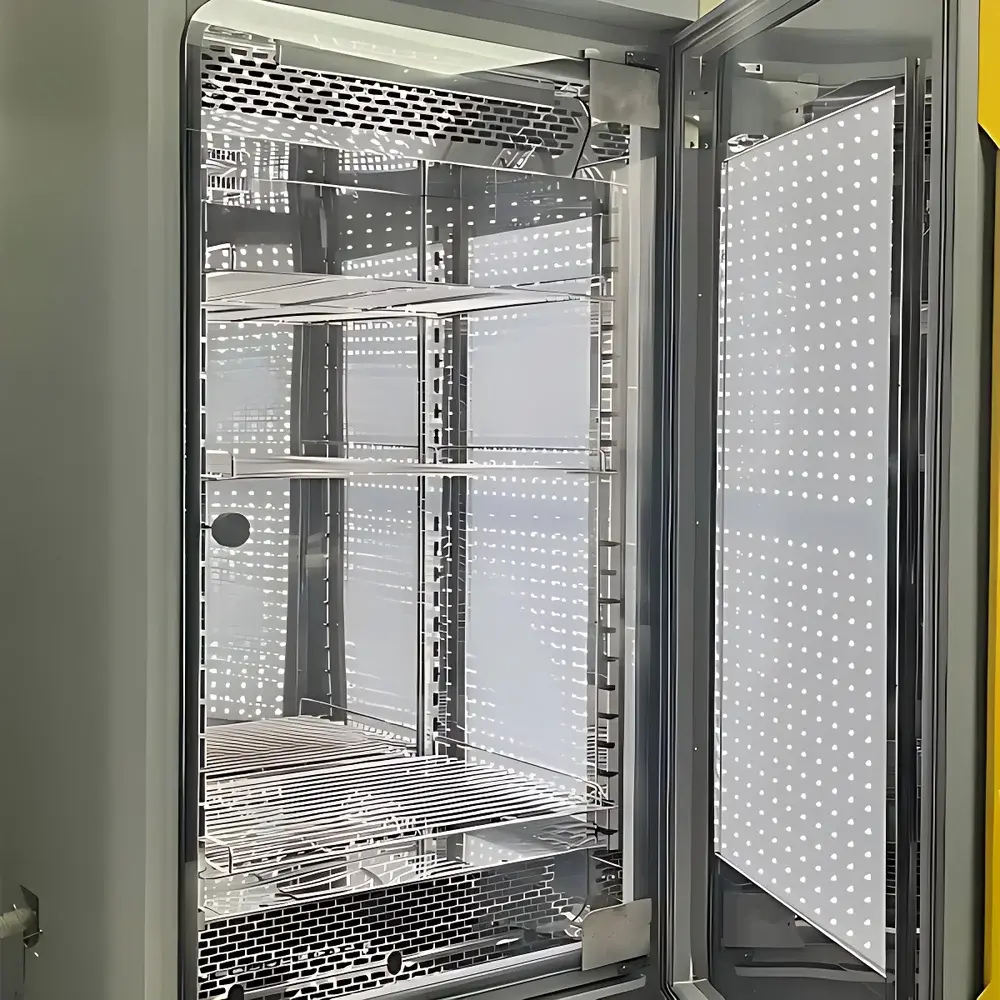
| Light Source Options | Side-mounted triple-face LED array or top-mounted multi-layer adjustable LED panels |
| Temperature Uniformity | ≤ ±0.5 °C (TP-R420 series), ≤ ±1.0 °C (TP-R1000 series) |
| Temperature Fluctuation | ±0.1 °C (TP-R420C), ±0.3 °C (TP-R420D) |
| Humidity Fluctuation | ±2 %RH (TP-R420C), ±3 %RH (TP-R420D) |
| Programmable Segments | Up to 99 segments per program × 30 stored programs |
| Air Exchange | Adjustable manual fresh-air inlet with flow control |
| Internal Airflow | 30–100 % stepwise controllable fan speed |
| Power Supply | AC 220 V / 50 Hz (10 A for TP-R420 |
| Communication Interfaces | RJ45 Ethernet, Wi-Fi 802.11 b/g/n, USB 2.0, IoT-enabled |
| Data Export | Excel & PDF via USB or cloud sync |
| Cloud Platform | Web portal + mobile app + WeChat Mini Program with real-time monitoring, remote parameter setting, OTA firmware updates, and alarm push notifications |
| Optional Modules | Spectral-tunable LED (4-channel RGB+Far-Red), seed germination imaging analysis (AI-based phenotyping), CO₂/sensor suite (PAR, soil temp/moisture/EC/pH) |
Overview
The Top Cloud-agri TP-R Series Artificial Climate Incubators are engineered for precision environmental simulation in plant physiology, seed science, microbiology, and agro-pharmaceutical research. These instruments integrate tightly coupled control of temperature, relative humidity, spectral illumination, airflow velocity, and atmospheric exchange—enabling reproducible emulation of diurnal cycles, seasonal transitions, and stress-conditioned microclimates. Unlike standard incubators, the TP-R platform operates on a dual-mode thermal-hygrometric architecture: when lighting is deactivated, temperature spans 0–65 °C; under active illumination, operational ranges are constrained by thermodynamic coupling between lamp heat load and humidification capacity—yielding calibrated zones such as 10–50 °C at 50–95 %RH, narrowing progressively above 55 °C. This design reflects ISO 17025-aligned validation practices for environmental chamber performance, supporting GLP-compliant experimental protocols across academic, regulatory, and industrial labs.
Key Features
- 7-inch full-color capacitive touchscreen interface with ergonomic viewing angle—designed for glove-compatible operation and intuitive multi-parameter programming.
- Dual optical configurations: side-illuminated triple-face LED arrays ensure uniform photon distribution for photomorphogenesis studies; top-mounted modular LED panels allow vertical layer adjustment to accommodate canopy height progression in longitudinal growth assays.
- Precision climate regulation: intelligent PID algorithms maintain temperature stability within ±0.1 °C (TP-R420C) and humidity deviation within ±2 %RH under standardized test conditions (25 °C / 50 %RH), verified per ASTM E2709-20 Annex A1.
- Integrated energy-efficient refrigeration system using imported hermetic compressors—achieving ≥20 % lower power consumption versus conventional vapor-compression designs without compromising thermal recovery time.
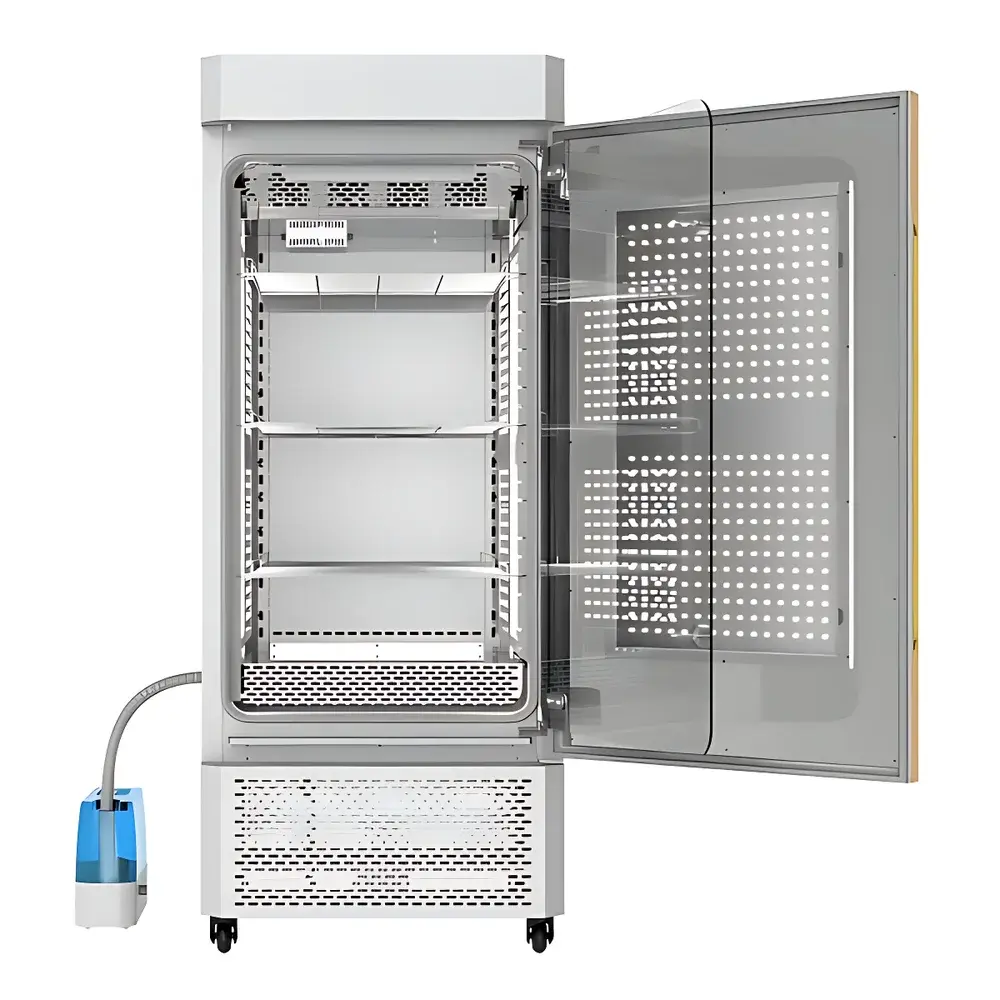
- Self-contained humidification module with closed-loop internal water circulation—minimizing external water dependency while ensuring continuous operation during extended experiments.
- Programmable ventilation system with manual flow-rate adjustment supports O₂/CO₂ balance control and volatile compound dissipation—critical for fungal culture, insect rearing, and oxidative stability testing (e.g., USP packaging aging).
- Three-tier pull-out stainless-steel wire shelves with radius-corner construction (≥R10) and electropolished finish—reducing microbial adhesion points and enabling validated cleaning procedures per ISO 14644-1 Class 8 cleanroom standards.
- Multi-level security architecture: password-protected touchscreen lock, electromagnetic door latch with timeout-triggered audible alert, and hardware-enforced overtemperature/overhumidity/fault-sensor interlocks compliant with IEC 61000-6-2 EMC immunity requirements.
- UV-C germicidal cycle with programmable duration and auto-shutoff—validated for surface decontamination between runs per CLSI M29-A3 guidelines.
Sample Compatibility & Compliance
The TP-R incubators accommodate diverse biological and material specimens—from Petri dishes and multi-well plates to 130 × 190 mm germination trays and small-mammal cages (up to 500 g). Their interior volume (420 L or 1000 L) and modular shelf layout support high-throughput screening workflows aligned with OECD Test No. 208 (terrestrial plant toxicity) and EPPO PM 7/102 (plant quarantine protocols). All models meet CE marking requirements for electrical safety (EN 61010-1) and electromagnetic compatibility (EN 61326-1). Optional sensor add-ons—including PAR (photosynthetically active radiation), CO₂, soil moisture, EC, pH, and temperature probes—enable synchronized environmental logging traceable to NIST-traceable references. Data integrity complies with FDA 21 CFR Part 11 through audit-trail-enabled cloud platform operations, including electronic signatures, version-controlled method storage, and immutable export timestamps.
Software & Data Management
Embedded firmware supports up to 30 independent experiment profiles, each configurable with 99 time-segmented steps defining temperature, humidity, light intensity, fan speed, and UV activation. Data acquisition occurs at 10-second intervals, buffered locally during network outages and synced automatically upon restoration. The Top Cloud-agri Cloud Platform provides role-based access control (RBAC), real-time dashboards with trend overlays, and automated report generation in PDF/Excel formats—including metadata fields for operator ID, sample ID, protocol version, and annotation notes. Remote management is accessible via web browser, iOS/Android native app, or WeChat Mini Program—eliminating account registration via QR-code authentication. Over-the-air (OTA) firmware updates ensure long-term regulatory alignment without onsite technician visits. All data transmissions use TLS 1.2 encryption; stored records adhere to GDPR Article 32 technical safeguards.
Applications
- Seed germination kinetics and vigor assessment under controlled photoperiods and thermal gradients (ISTA Rule 5B compliance achievable).
- Phytochrome-mediated photomorphogenesis studies using tunable-spectrum LED modules (400–780 nm range, 1004 discrete spectral combinations).
- Accelerated aging tests for pharmaceutical excipients and coated tablets per ICH Q1A(R2) guidelines.
- Entomological rearing of Drosophila, Tribolium, or aphid colonies under species-specific thermo-hygrometric setpoints.
- In vitro tissue culture propagation with precise cytokinin/auxin response modulation via light quality control.
- Material degradation analysis of polymers, coatings, and packaging films under UV-enhanced oxidative stress.
- Microbial stability testing of probiotics, yeasts, and lactic acid bacteria under dynamic humidity cycling.
FAQ
What is the maximum allowable ambient operating temperature for these units?
The TP-R series is rated for installation in rooms maintained at ≤30 °C ambient with adequate ventilation clearance (≥100 mm rear/side, ≥300 mm top). Higher ambient temperatures may reduce dehumidification efficiency and extend temperature stabilization time.
Can the incubator operate continuously for >30 days without maintenance?
Yes—provided the integrated water reservoir is refilled every 7–14 days depending on humidity setpoint and ambient conditions, and air filters are cleaned monthly per maintenance logbook recommendations.
Is third-party calibration certification available?
Top Cloud-agri offers optional NIST-traceable calibration reports (temperature, humidity, irradiance) performed by CNAS-accredited laboratories, delivered with certificate of conformance and uncertainty budgets.
How does the system handle power interruptions?
All models feature non-volatile memory that retains program state, sensor history, and configuration settings. Upon power restoration, the unit resumes operation from the exact point of interruption—including active segment timing and actuator positions.
Are custom light spectra supported beyond the standard white LED?
Yes—optional quad-channel LED modules (blue, red, far-red, white) enable user-defined spectral power distributions (SPDs) programmable via the cloud platform or local touchscreen, supporting advanced photobiology applications.





