Top Cloud-agri TPN-SeedPhy Indoor Seed Germination Phenotyping System
| Brand | Top Cloud-agri |
|---|---|
| Origin | Zhejiang, China |
| Manufacturer Type | Direct Manufacturer |
| Region of Origin | Domestic (China) |
| Model | TPN-SeedPhy |
| Pricing | Available Upon Request |
| Imaging Working Distance | 30–50 cm |
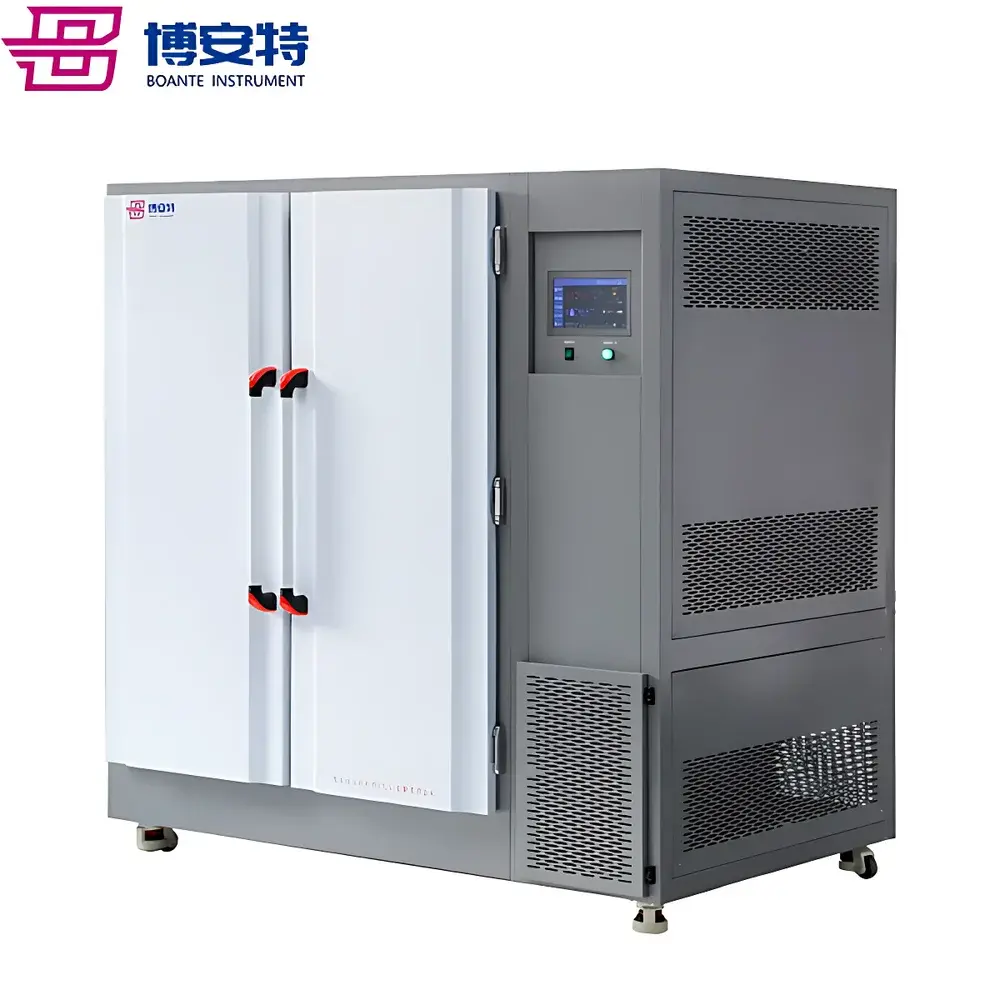
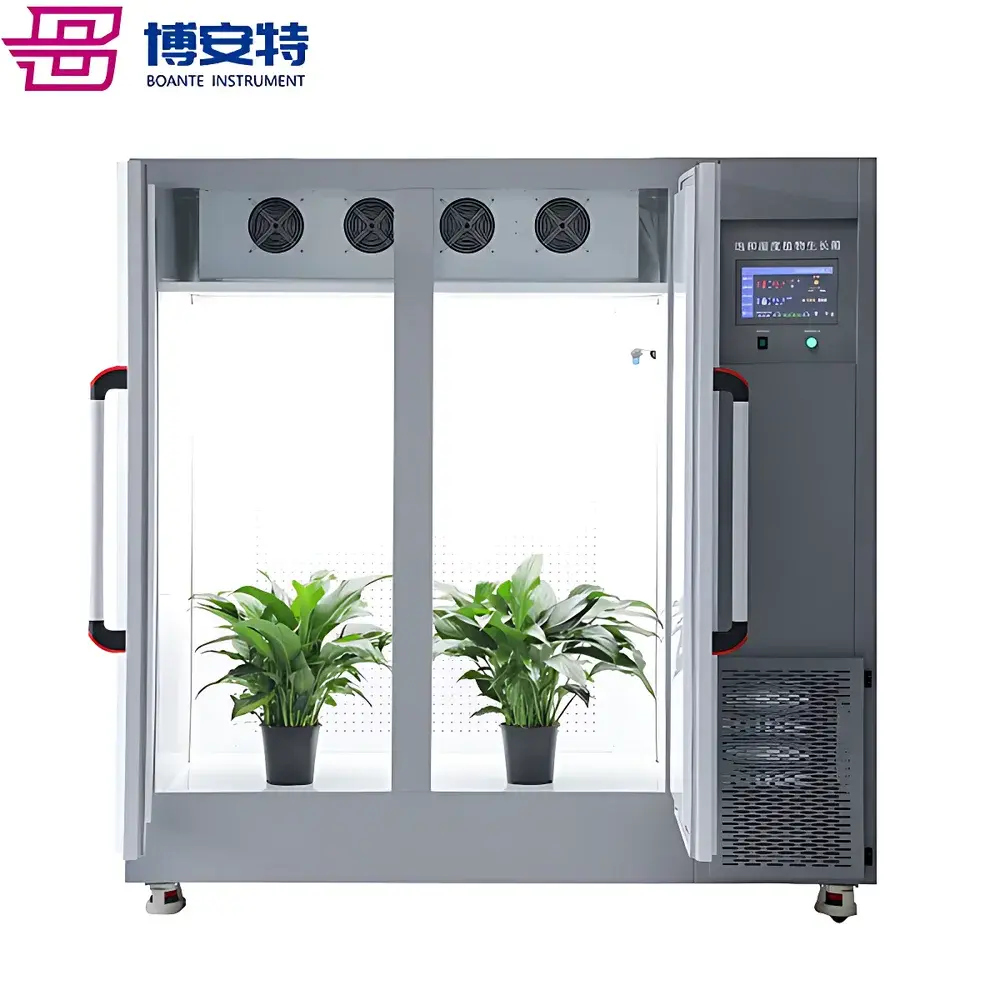
| System Dimensions | Custom-Fit to Climate Chamber Multi-Tier Racking Layout |
| Power Supply | External AC 220 V |
| Operating Environment | 0–40 °C, ≤90% RH (non-condensing) |
Overview
The Top Cloud-agri TPN-SeedPhy Indoor Seed Germination Phenotyping System is an integrated, non-invasive, high-throughput imaging platform engineered for standardized phenotypic monitoring of seed germination under controlled-environment conditions—specifically within multi-tier growth racks used in climate chambers, phytotrons, and vertical plant factories. It operates on the principle of time-lapse digital imaging combined with computer vision–based morphometric analysis, enabling quantitative tracking of germination dynamics—including radicle emergence, coleoptile elongation, cotyledon expansion, and seed coat rupture—without physical intervention or sample disturbance. Unlike manual scoring or single-time-point assays, the TPN-SeedPhy captures longitudinal, pixel-accurate image sequences across defined intervals, transforming static germination endpoints into dynamic kinetic profiles. Its modular architecture supports deployment in GLP-compliant research labs, breeding programs, and academic phenomics facilities where reproducibility, traceability, and scalability are essential.
Key Features
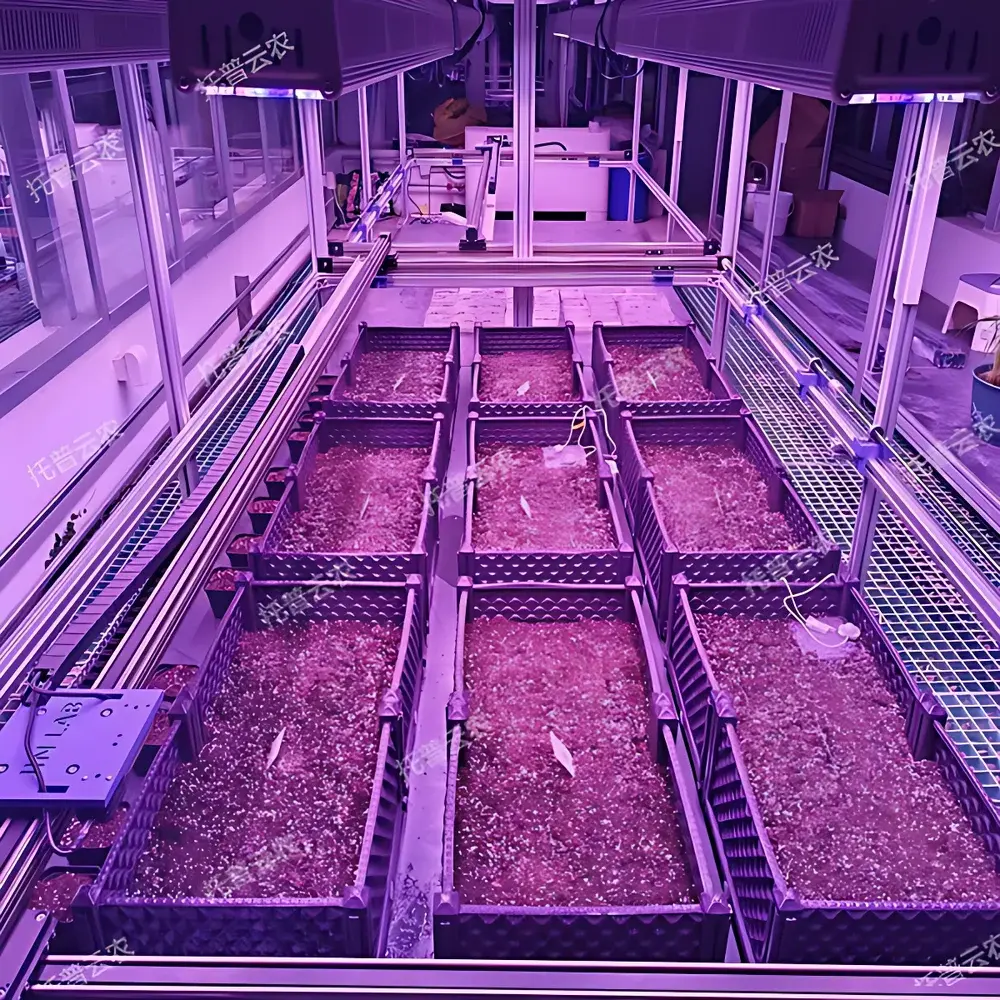
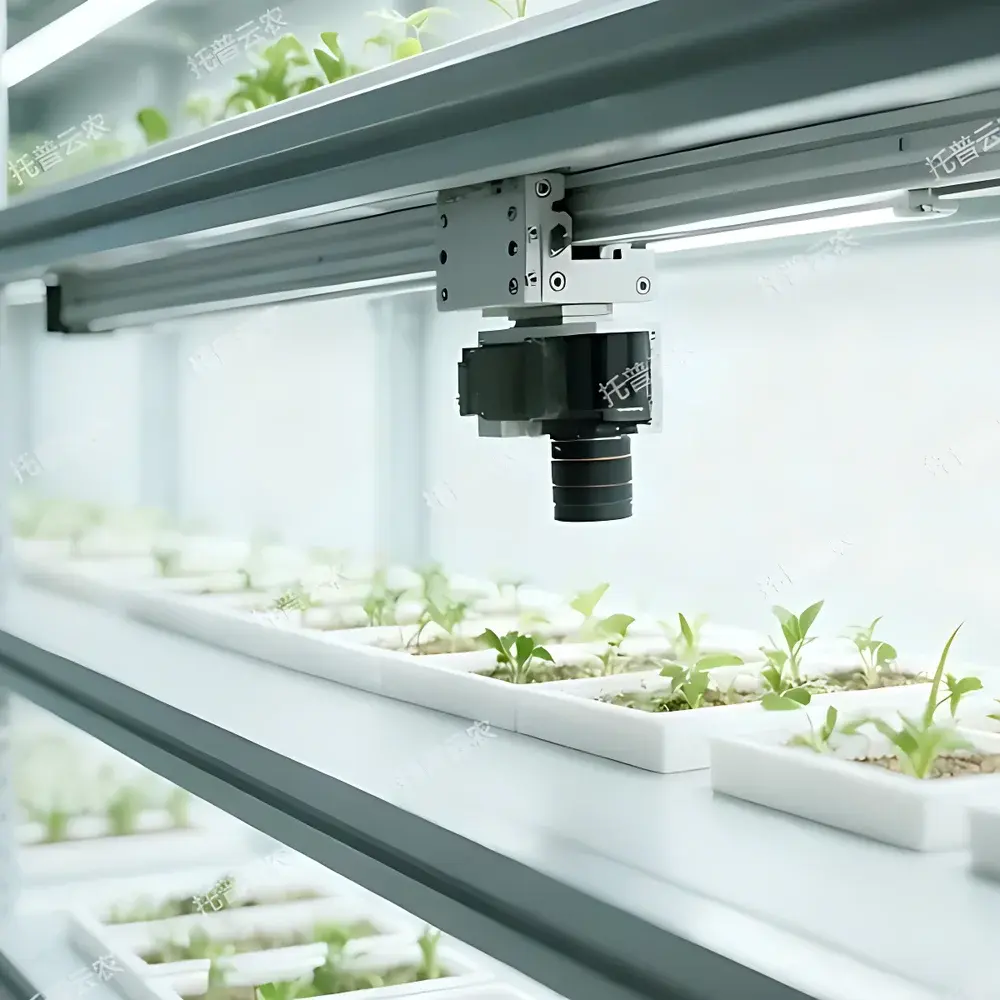
- H-Frame Robotic Imaging Rail: A rigid, low-vibration H-shaped gantry system enables precise lateral and vertical positioning across multiple rack tiers. Integrated stepper motors and optical encoders ensure sub-millimeter repeatability in XY-plane navigation, allowing full coverage of heterogeneous seed trays regardless of rack height or inter-shelf spacing.
- Dual-Mode Control Architecture: Supports both manual handheld operation via ergonomic tablet interface and fully automated scheduled acquisition. Motorized Z-axis lift permits fine-tuned focus adjustment at variable working distances (30–50 cm), accommodating diverse seed sizes—from Arabidopsis thaliana to Zea mays—without lens swapping.
- Hardware-First Customization: Mechanical subassemblies—including rail length, carriage width, and illumination bracket geometry—are engineered per client’s rack specifications (e.g., Conviron E7, Percival E-30B, or custom-built steel shelving). No retrofitting or spatial compromise required.
- AI-Driven Phenotype Quantification: Proprietary segmentation algorithms trained on annotated seed datasets differentiate viable seeds, germinated embryos, and necrotic tissue under variable lighting and background contrast. Outputs include germination percentage, mean germination time (MGT), coefficient of velocity (CVG), uniformity index, and time-to-50%-germination (T50).
- Time-Series Video Synthesis: Raw image stacks are automatically compiled into calibrated MP4 sequences with embedded metadata (timestamp, temperature/humidity logs, rack ID), facilitating direct integration into presentation workflows or longitudinal cohort comparisons.
Sample Compatibility & Compliance
The TPN-SeedPhy accommodates standard seed containers including Petri dishes (90–150 mm), germination paper rolls, agar plates, and hydroponic mesh trays. Its diffuse LED illumination module (6500 K CCT, CRI >90) minimizes specular reflection and shadow artifacts while maintaining photobiological neutrality—critical for light-sensitive species such as lettuce or spinach. The system conforms to ISO 20723:2019 (seed germination testing protocols) and supports audit-ready data provenance in accordance with OECD GLP Principles (Section 5.2.3: Data Integrity) and FDA 21 CFR Part 11 requirements when deployed with optional electronic signature and audit trail modules. All image metadata—including EXIF tags, acquisition timestamps, and environmental sensor logs—are embedded and preserved in raw TIFF/JSON bundles.
Software & Data Management
The proprietary SeedPhy Studio software provides a unified GUI for hardware orchestration, experimental design, batch processing, and statistical reporting. Users define acquisition schedules (e.g., every 2 hours for 72 h), assign tray-level metadata (genotype, treatment, replicate), and launch analyses without scripting. Processed results are stored in a local PostgreSQL database with relational indexing by experiment ID, date, and phenotype parameter. Export options include CSV (for R/Python ingestion), PDF summary reports with confidence intervals, and interactive HTML dashboards featuring scatter plots, boxplots, and germination curve overlays (Gompertz/Freeman-Halton fitting). Role-based access control (RBAC) ensures data governance in multi-user environments.
Applications
- High-throughput screening of seed dormancy-breaking treatments (e.g., stratification, smoke water, GA3 concentration gradients)
- Quantitative genetics studies linking QTLs to germination kinetics under abiotic stress (osmotic, salinity, thermal)
- Validation of seed priming efficacy in commercial crop varieties (tomato, rice, brassicas)
- Phenotypic validation of CRISPR-edited lines affecting ABA signaling or cell wall hydrolase expression
- Teaching laboratories requiring standardized, repeatable germination assays aligned with IB/NGSS curriculum standards
FAQ
Can the system operate unattended for multi-day experiments?
Yes—the TPN-SeedPhy supports continuous autonomous operation for up to 14 days with stable power and network connectivity. Internal watchdog timers trigger hardware resets upon communication timeout.
Is raw image data accessible for third-party analysis?
All original TIFF sequences, calibration frames, and JSON metadata files are directly readable via mounted network share or USB export—no vendor lock-in.
Does the system integrate with existing environmental monitoring platforms?
It accepts Modbus RTU/TCP and MQTT inputs from external sensors (e.g., Vaisala HMP155, Onset HOBO), synchronizing image timestamps with chamber temperature, humidity, and CO2 logs.
What level of technical support is provided post-installation?
Top Cloud-agri offers remote configuration assistance, annual calibration verification, and on-site engineer dispatch (within Asia-Pacific region) under extended service agreements.
Are algorithm models retrainable with user-specific species data?
Yes—SeedPhy Studio includes a model fine-tuning toolkit compatible with PyTorch-formatted annotation sets, enabling lab-specific adaptation for non-model species or mutant morphologies.