
Truelab HGZ Series Plant Growth Chambers (LCD Display, Eco-Friendly HFC-Free Refrigerant) – HGZ-150, HGZ-250, HGZ-400
| Brand | Truelab |
|---|---|
| Origin | Shanghai, China |
| Manufacturer Type | Authorized Distributor |
| Country of Origin | China |
| Models | HGZ-150, HGZ-250, HGZ-400 |
| Price Range | USD 1,400–2,800 (FOB Shanghai) |
| Temperature Range | 10–50°C (with illumination), 4–50°C (dark) |
| Temperature Uniformity | ±1°C |
| Temperature Resolution | 0.1°C |
| Illuminance Range | 0–12,000 lx (HGZ-150), 0–15,000 lx (HGZ-250), 0–25,000 lx (HGZ-400) |
| Power Consumption | 1500 W / 1900 W / 2500 W |
| Internal Chamber Dimensions (W×D×H, mm) | 500×400×750 / 580×500×850 / 680×550×1050 |
| External Dimensions (W×D×H, mm) | 700×640×1480 / 780×745×1560 / 880×780×1810 |
| Nominal Volume | 150 L / 250 L / 400 L |
| Standard Shelves | 3 pcs |
| Operating Ambient | 5–30°C, ≤80% RH non-condensing |
| Refrigerant | R134a & R406A (zero ozone depletion potential, low GWP) |
Overview
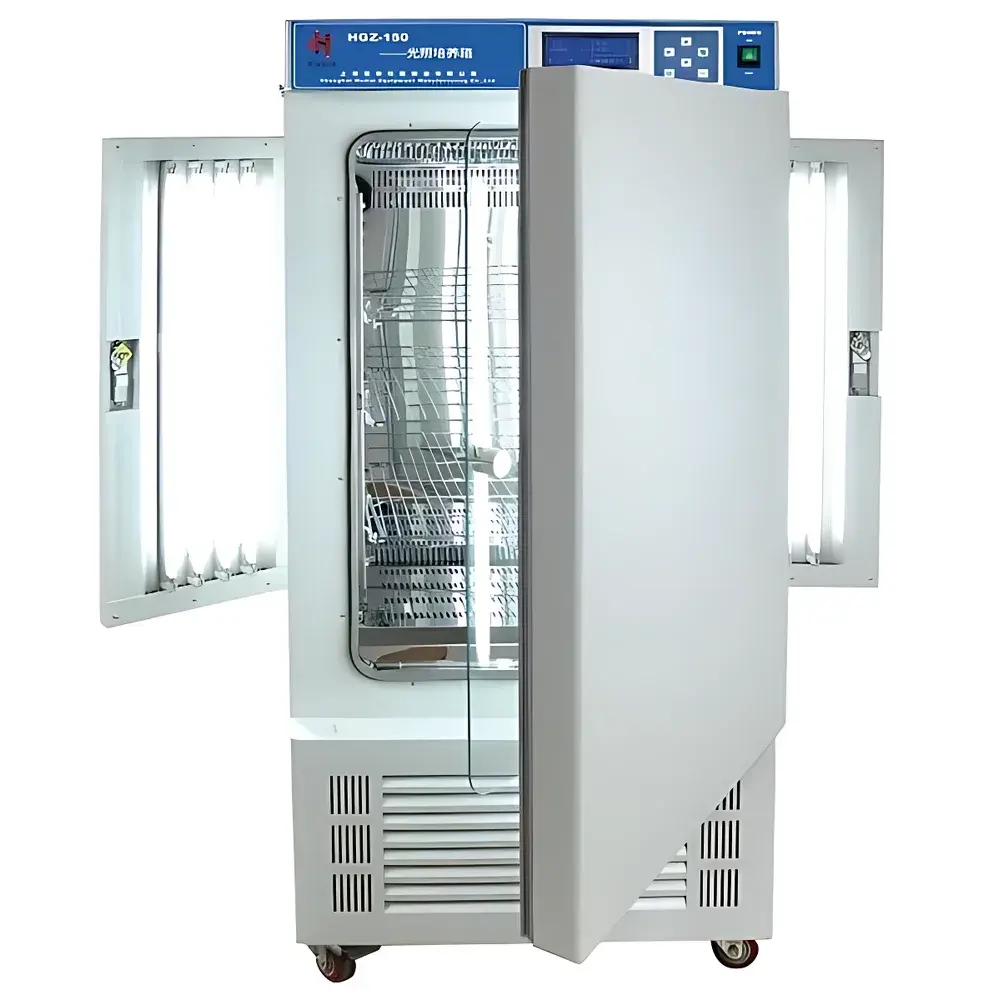
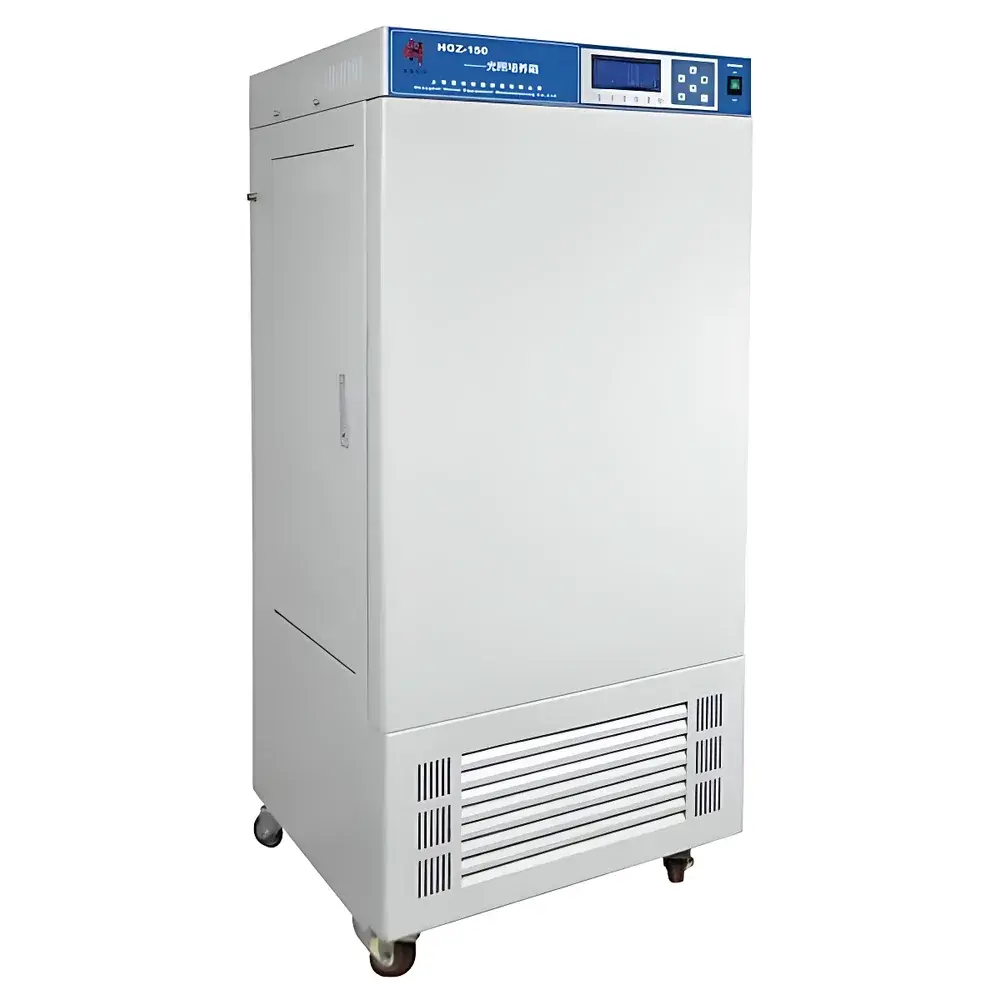
The Truelab HGZ Series Plant Growth Chambers are precision-engineered environmental simulation systems designed for reproducible, long-term cultivation of photosynthetic organisms under tightly controlled photoperiodic and thermal conditions. Based on forced-air convection with triple-sided T4 fluorescent illumination and microprocessor-regulated refrigeration, these chambers comply with fundamental requirements for plant phenotyping, seed germination assays, tissue culture acclimatization, entomological rearing, and small-mammal behavioral studies. The system integrates a dual-mode temperature control architecture—distinct setpoints for light-on and light-off phases—enabling accurate emulation of diurnal cycles critical to circadian rhythm research and agricultural physiology. All models utilize zero-ozone-depletion-potential (ODP = 0) refrigerants (R134a and R406A), aligning with EU F-Gas Regulation (EU No 517/2014) and U.S. EPA SNAP program guidelines for sustainable laboratory infrastructure.
Key Features
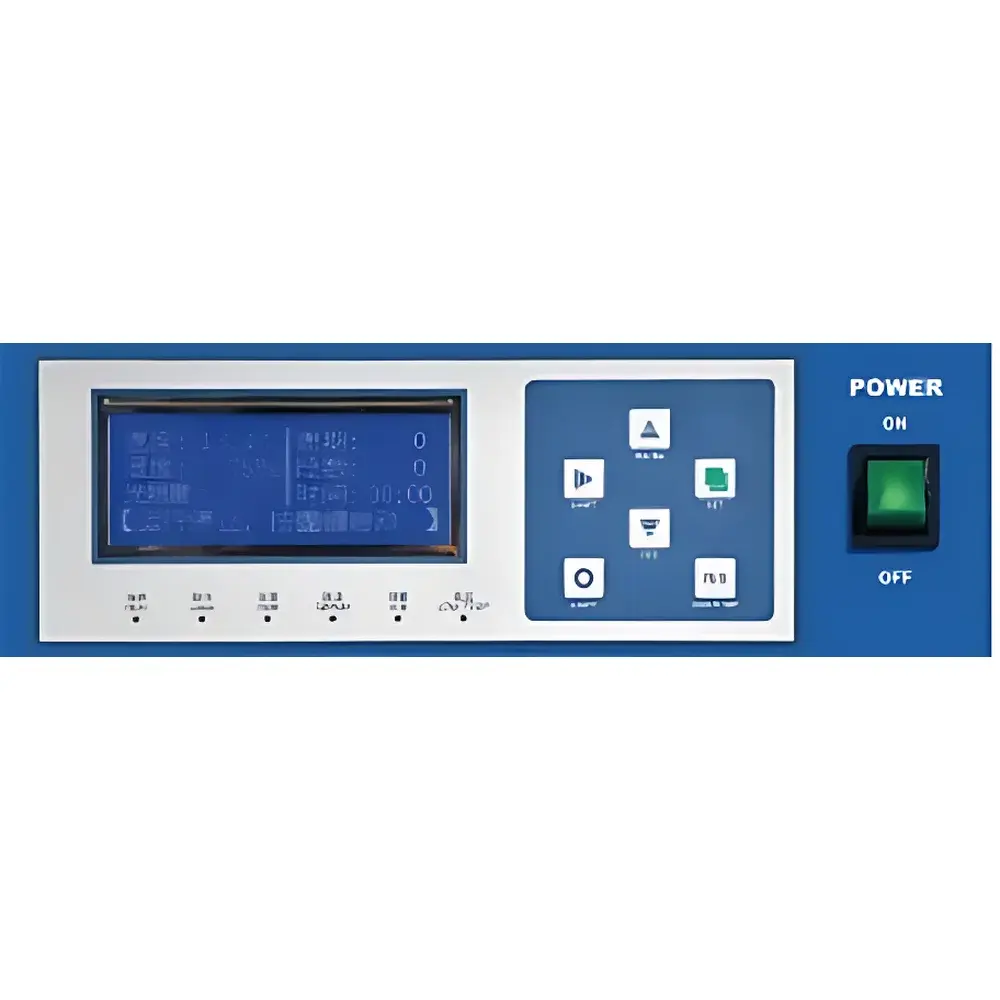
- Intuitive 5.7-inch backlit LCD interface with menu-driven navigation—displays real-time temperature, illumination level, elapsed time, and active program stage simultaneously.
- Triple-side illumination system using T4 fluorescent tubes optimized for photosynthetically active radiation (PAR) output; uniform irradiance distribution verified per ISO 8570:2020 methodology.
- High-efficiency refrigeration circuit featuring internationally certified compressors and proprietary heat-dissipation design—extends service life beyond 30,000 operational hours under continuous duty (≥360 h uninterrupted run validated).
- 304 stainless steel mirror-finish interior with radius-corner geometry and adjustable-height shelving (3 standard shelves included); compatible with autoclaving and routine disinfection protocols (e.g., 70% ethanol, hydrogen peroxide vapor).
- Double-glazed insulated door with anti-fog coating ensures stable internal conditions during observation; thermal transmittance coefficient (U-value) < 0.8 W/m²·K.
- PID-based temperature regulation with adaptive tuning—achieves ±1°C uniformity across full chamber volume (tested per IEC 60068-3-5:2018 Annex B at 25°C ambient, 50% RH).
- Multi-segment programmable controller supporting up to 99 cycles, each with 30 user-defined steps (max duration per step: 99 h 59 min); enables complex photothermal profiles for vernalization, stratification, or stress-acclimation experiments.
Sample Compatibility & Compliance
The HGZ series accommodates standard petri dishes (up to 150 mm), multi-well plates, Magenta boxes, growth pouches, and small animal caging (up to 250 g rodent weight class). Internal dimensions support ISO-standardized rack configurations (e.g., 100 × 100 mm grid spacing). Regulatory compliance includes adherence to IEC 61000-6-3 (EMC emission limits), IEC 61000-6-2 (immunity), and GB/T 2423.1–2022 (environmental testing—cold). While not certified for GLP/GMP production environments, the system meets technical prerequisites for preclinical botanical research workflows referenced in USP , EP 2.2.27, and ISO 17025:2017 Clause 5.4.2 (equipment verification). Optional RS485/USB interfaces enable integration into LIMS or ELN platforms compliant with FDA 21 CFR Part 11 audit trail requirements.
Software & Data Management
Standard operation requires no external software. Optional communication modules (RS485 or USB) permit connection to Windows-based PCs running Truelab’s free HGZ-LogView utility—a lightweight data logger supporting CSV export, real-time graphing, and timestamped parameter archiving. When equipped with the optional embedded printer (thermal, 58 mm paper width), the chamber generates hard-copy records meeting ALCOA+ principles for raw data integrity. All recorded parameters—including temperature deviation, illumination intensity drift, and compressor duty cycle—are time-stamped with millisecond resolution and stored in non-volatile memory with battery backup (72 h retention).
Applications
- Controlled-environment phenotyping of Arabidopsis thaliana, rice, maize, and Brassica species under defined photoperiods (e.g., 16L:8D, 12L:12D).
- Seed dormancy release studies via stratification (cold + moist treatment) and light-quality screening (using optional spectral filters).
- Insect rearing (Drosophila melanogaster, Tribolium castaneum) requiring precise thermo-photoperiod synchronization for developmental staging.
- Micropropagation of orchids and medicinal herbs where humidity-independent temperature/light control reduces contamination risk.
- Pre-clinical evaluation of phytochemical stability under accelerated aging conditions (ICH Q1A(R2)-aligned protocols).
FAQ
What refrigerants are used, and why are they environmentally preferable?
R134a (GWP = 1430) and R406A (zeotropic blend: R22/R142b/R600a; GWP ≈ 1890) replace CFCs/HCFCs. Both exhibit zero ozone depletion potential (ODP = 0) and comply with Montreal Protocol phaseout schedules.
Can the chamber maintain humidity control?
No—humidity is not actively regulated. Users must employ external humidifiers or desiccants if moisture management is required.
Is validation documentation available for IQ/OQ protocols?
Yes—Truelab provides a Factory Acceptance Test (FAT) report and calibration certificate traceable to NIM (China National Institute of Metrology). Custom 3Q validation packages (including sensor mapping and alarm response testing) are available upon request.
What is the maximum load capacity per shelf?
Each 304 stainless steel shelf supports up to 15 kg uniformly distributed load; total payload should not exceed 45 kg to preserve airflow dynamics and thermal uniformity.
Are custom chamber sizes supported?
Yes—volumes from 500 L to 1000 L are available as engineered-to-order (ETO) solutions with lead times of 30–40 working days post-order confirmation and engineering review.





