
ULO Optics CO2mpact Beam Delivery System for ≤500 W CO₂ Lasers
| Brand | ULO Optics |
|---|---|
| Origin | United Kingdom |
| Manufacturer Type | Authorized Distributor |
| Origin Category | Imported |
| Model | CO2mpact |
| Power Handling | ≤500 W |
| Wavelength Compatibility | 10.6 µm and 9.3 µm |
| Maximum Beam Diameter | 12 mm |
| Clear Aperture | 19 mm |
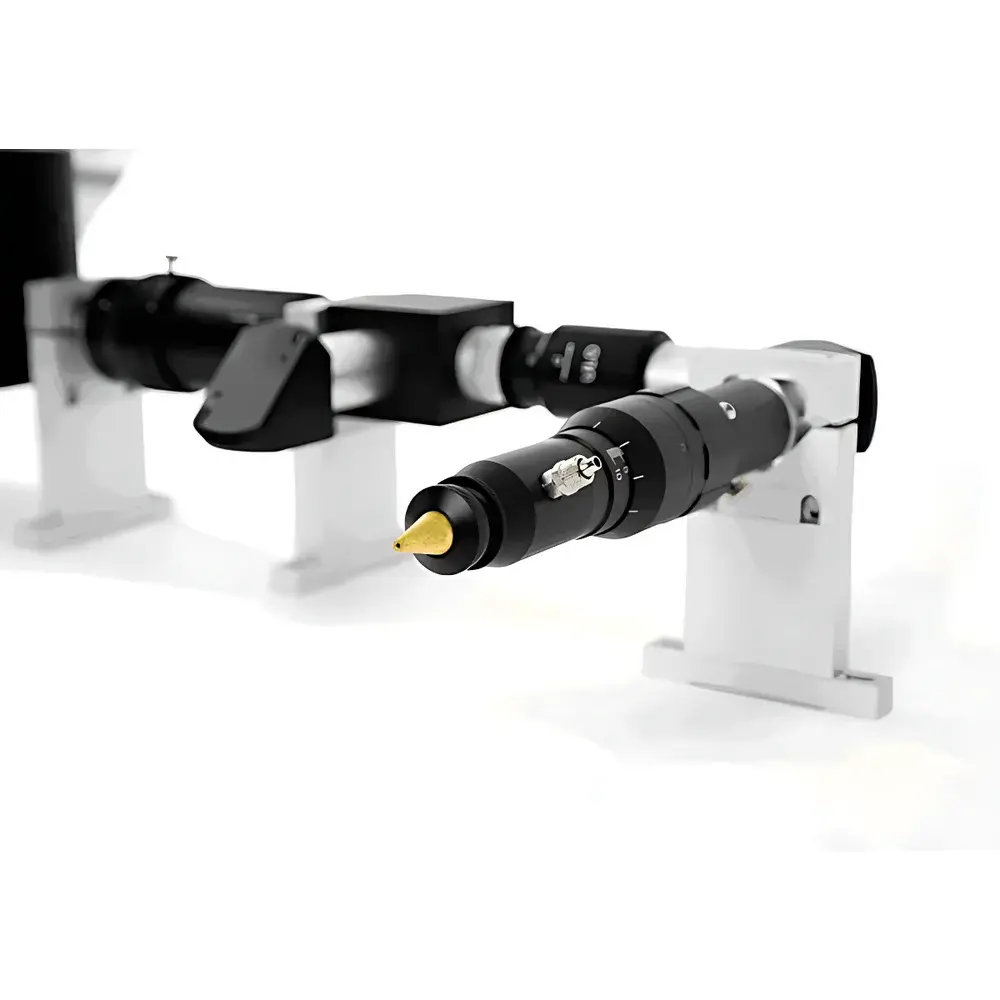
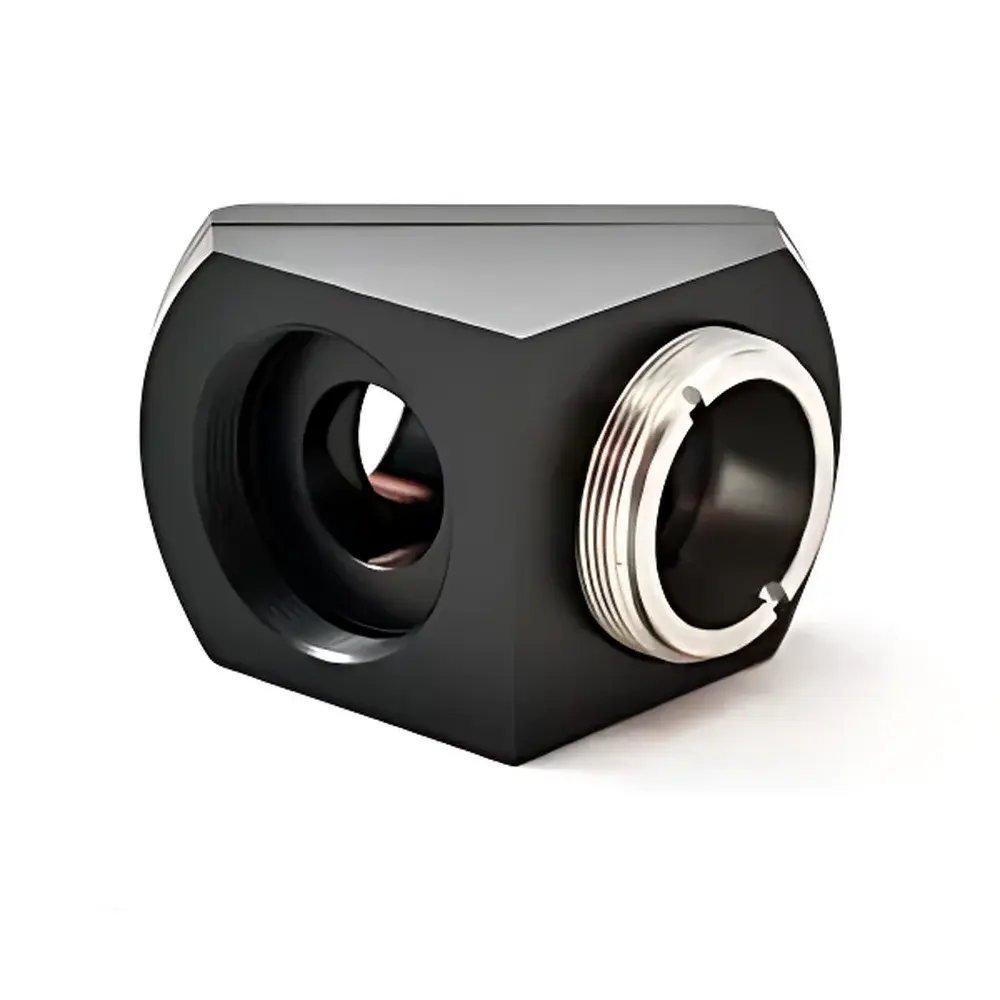
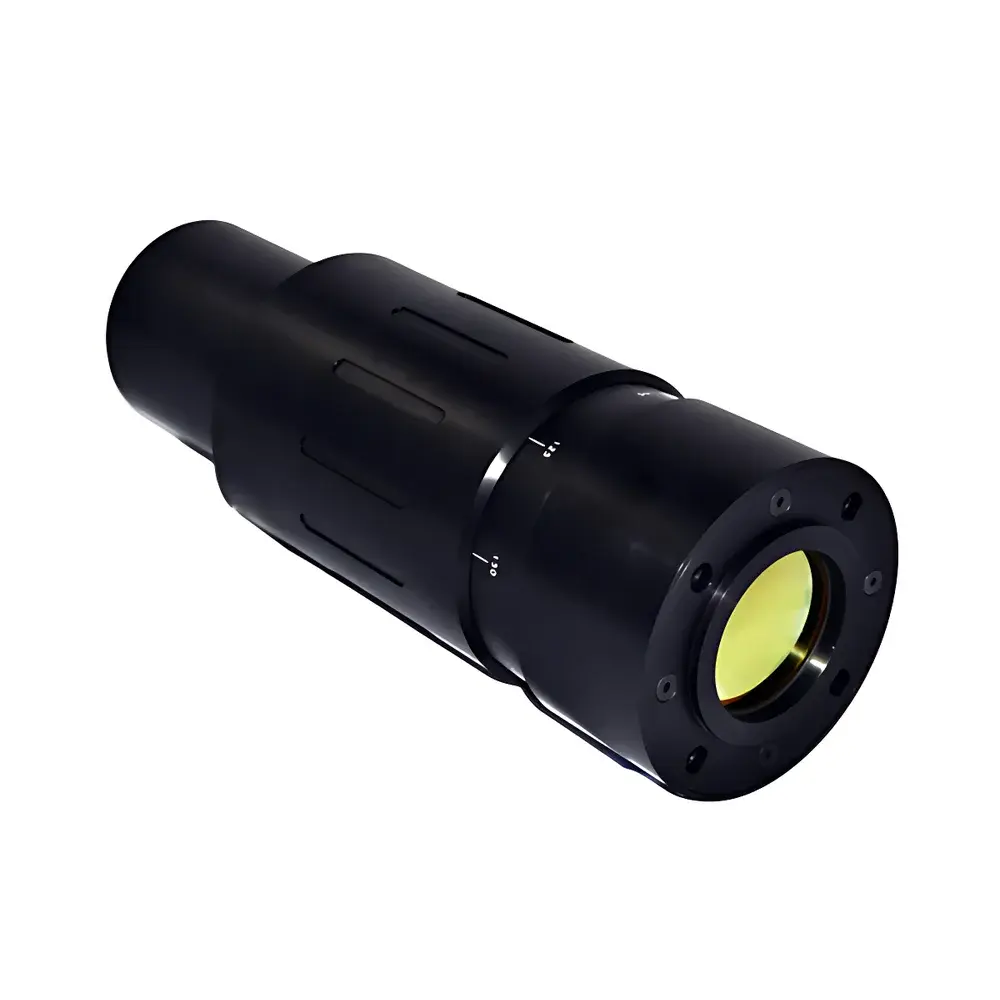
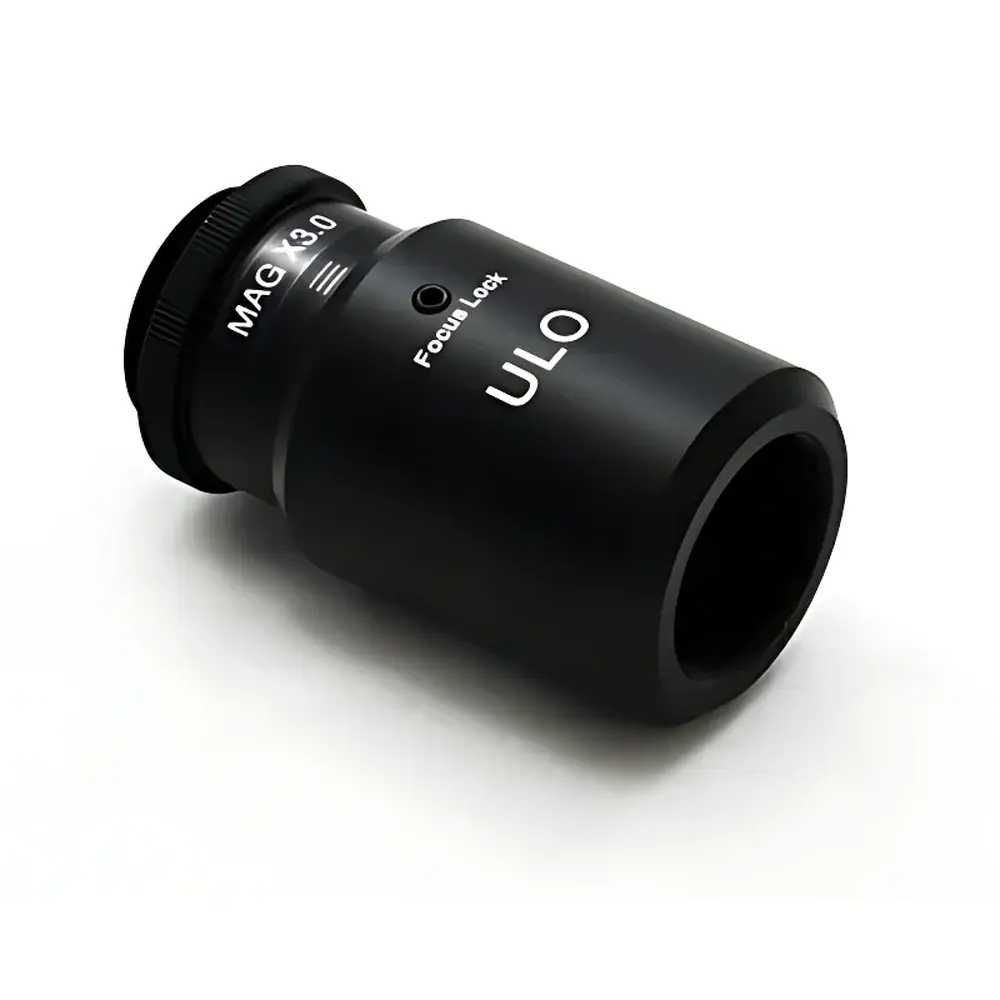
| Core Components | Mirror Mounts, Transfer Tubes, Beam Conduits, Manual Shutters, Reflective Isolators, Manual Attenuators |
| Mechanical Interface | Threaded Bushings for Modular Assembly |
| Mounting | Bench-mounted via Tube Clamps |
Overview
The ULO Optics CO2mpact Beam Delivery System is an engineered optical infrastructure designed specifically for reliable, low-maintenance transmission of continuous-wave (CW) CO₂ laser radiation at wavelengths of 10.6 µm and 9.3 µm. Unlike general-purpose optical benches or custom-built beam paths, the CO2mpact system implements a modular, pre-aligned architecture grounded in industrial beam transport principles—namely, stable kinematic mounting, minimized thermal drift, and diffraction-limited propagation over defined working distances. It serves as a complete end-to-end solution—from laser output port to processing head—intended for integration with benchtop or OEM-integrated CO₂ lasers operating up to 500 W output power and delivering beams with diameters ≤12 mm. The system’s mechanical design prioritizes repeatable alignment retention under ambient workshop conditions, eliminating the need for frequent realignment typically associated with ad hoc mirror mounts or unsecured tube assemblies.
Key Features
- Modular, thread-based mechanical interface using standardized threaded bushings (e.g., M30×1, M42×1), enabling rapid assembly and disassembly without recalibration.
- 19 mm clear aperture across all core components—including mirrors, shutters, isolators, and conduits—ensuring full transmission of collimated or mildly divergent CO₂ beams while maintaining adequate clearance for beam walk-off margin.
- Reflective optical elements featuring protected gold coatings optimized for >98.5% reflectivity at both 10.6 µm and 9.3 µm, with damage thresholds validated per ISO 21254-1 for pulsed and CW exposure.
- Integrated manual beam shutter with positive mechanical latching and position-indicating scale, compliant with IEC 60825-1 Class 1 enclosure requirements when interlocked.
- Passive reflective isolator module providing ≥30 dB isolation against back-reflected radiation, critical for protecting CO₂ laser cavities from destabilizing feedback—especially during material processing with highly reflective substrates.
- Bench-mountable architecture utilizing rigid aluminum tube clamps and vibration-damped base plates, supporting static load capacities exceeding 15 kg without measurable angular deviation (>±2 arcsec).
Sample Compatibility & Compliance
The CO2mpact system is compatible exclusively with sealed-tube or RF-excited CO₂ lasers emitting at nominal wavelengths of 10.6 µm (primary line) and 9.3 µm (secondary line). It does not support solid-state, fiber, or UV lasers. All optical surfaces conform to ISO 10110-7 surface quality specifications (scratch-dig 20–10), and housing materials meet UL 94 V-0 flammability ratings. As a Class 1 embedded subsystem per IEC 60825-1:2014, the fully assembled system—when used with interlocked shutters and properly terminated beam paths—requires no additional laser safety enclosures. Documentation includes EU Declaration of Conformity (CE), RoHS 2011/65/EU compliance statement, and UKCA marking for post-Brexit market access.
Software & Data Management
The CO2mpact system operates as a passive optical platform and contains no embedded electronics, firmware, or software. Alignment verification, beam profiling, and power monitoring must be performed externally using third-party instrumentation (e.g., pyroelectric sensors, scanning slit profilers, or thermal camera-based beam analyzers). However, ULO Optics provides downloadable CAD models (STEP, IGES), optical layout templates (Zemax .zmx format), and mechanical tolerance stacks aligned with GD&T ASME Y14.5–2018 standards—enabling seamless integration into automated workcell documentation systems and supporting traceable engineering change control in regulated environments (e.g., ISO 13485 medical device manufacturing).
Applications
- Low-to-medium power laser cutting and engraving of non-metallic materials including acrylic, wood, leather, and composites.
- CO₂ laser-based micromachining stations where beam stability and positional repeatability are required over multi-hour production runs.
- R&D laboratories developing hybrid laser processes (e.g., CO₂ + diode-assisted ablation) requiring robust, reconfigurable beam routing.
- OEM integration into compact laser marking systems where space-constrained optical layouts demand high component density and minimal alignment sensitivity.
- Educational platforms for teaching laser optics fundamentals—including Gaussian beam propagation, reflection losses, and cavity feedback effects—in undergraduate photonics labs.
FAQ
Is the CO2mpact system compatible with pulsed CO₂ lasers?
Yes—provided pulse energy remains below 100 mJ per pulse and average power does not exceed 500 W. Damage threshold validation applies to both CW and quasi-CW operation modes.
Can I replace individual components without affecting system alignment?
Yes—the threaded bushing interface and kinematic mount design ensure that replacing mirrors, shutters, or attenuators retains collimation within ±0.15 mrad when using original ULO Optics replacement parts.
Does ULO Optics provide alignment certification for delivered systems?
Upon request, factory alignment verification reports—including input/output beam centroid deviation (<±50 µm) and divergence change (<±0.3 mrad) across full 19 mm aperture—are available with traceable calibration to NPL (UK) reference standards.
What maintenance intervals are recommended for long-term reliability?
Gold-coated optics require cleaning only when contamination is visually confirmed; routine inspection every 500 operational hours is advised. No scheduled lubrication or recalibration is required under normal environmental conditions (20–25°C, <60% RH).



