
UMS LY High-Precision Automated Lysimeter System (Lysimeter)
| Origin | Germany |
|---|---|
| Manufacturer Type | Authorized Distributor |
| Origin Category | Imported |
| Model | UMS-LY |
| Quotation | Upon Request |
| Instrument Type | Soil Water Content / Matric Potential Analyzer |
Overview
The UMS LY High-Precision Automated Lysimeter System is an engineered solution for quantifying water fluxes across the soil–plant–atmosphere continuum (SPAC), with explicit integration of dynamic groundwater interactions. Unlike conventional lysimeters operating under fixed or static water table conditions, the LY system implements real-time, feedback-controlled matric potential regulation at the lysimeter base—ensuring thermodynamic and hydraulic equivalence between the monolith and surrounding field soil. This capability is critical for studying vadose zone processes in shallow groundwater environments, where temporal and spatial variability in water table depth governs root water uptake, capillary rise, drainage, and solute transport. The system employs a closed-loop control architecture based on continuous monitoring of in situ soil water potential via ceramic suction cups (SiC), enabling precise simulation of natural hydrological boundary conditions without artificial confinement or thermal decoupling.
Key Features
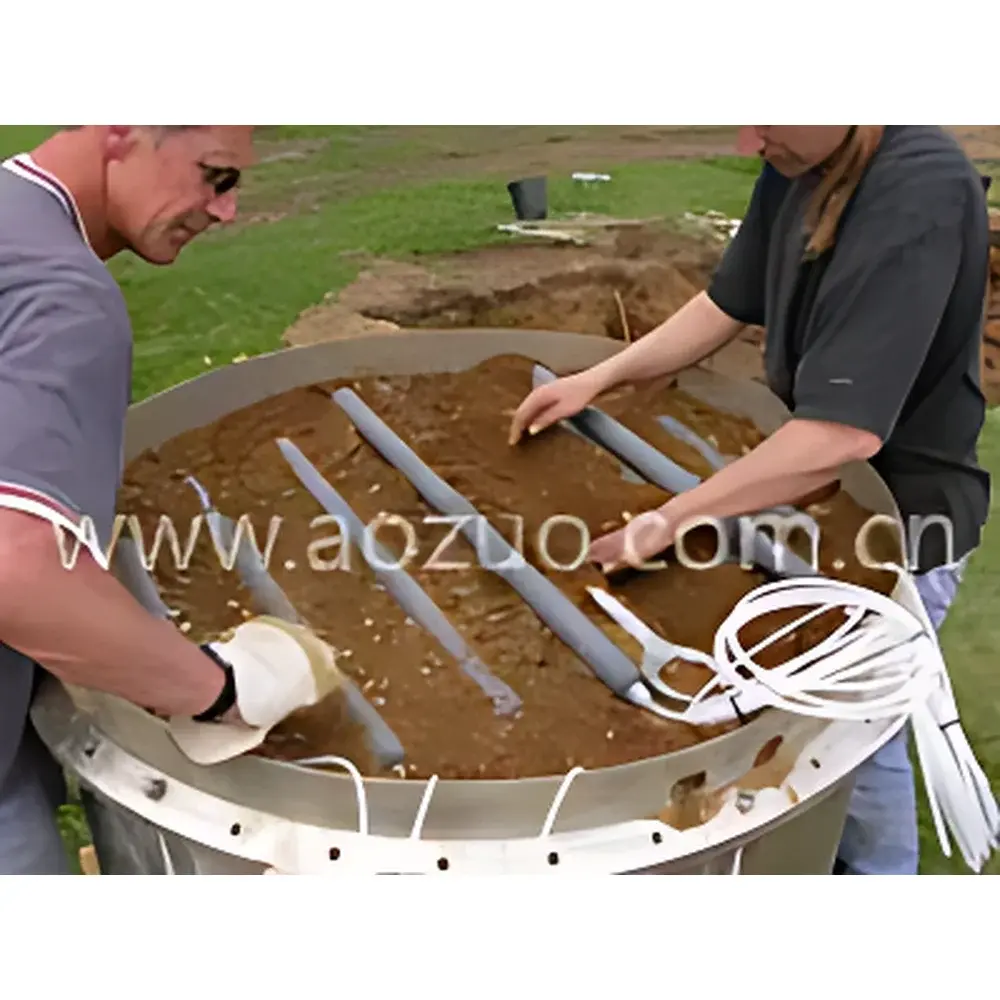
- Dynamic Bottom Potential Control: Six 10-mm-diameter sintered silicon carbide (SiC) suction cups embedded at the lysimeter base provide a total active surface area of 3600 cm². These cups enable simultaneous measurement, drainage, and controlled re-infiltration—maintaining hydraulic continuity with ambient field conditions across diurnal and seasonal water table fluctuations.
- Thermally Optimized Stainless Steel Monolith: Cylindrical 4-mm-thick AISI 316 stainless steel tank design minimizes thermal resistance and eliminates stress-concentrated weld seams found in rectangular alternatives. Uniform radial load distribution preserves undisturbed soil structure during installation and long-term operation.
- Triaxial Mechanical Isolation Mounting (X-Y-Z Frame): Patented mounting structure (DPMA Registered Design No. 202004003181.7) decouples the lysimeter from wind-induced vibrations and ground settlement. Enables fine mechanical alignment during installation and post-deployment maintenance without disturbing the soil column.
- Micro-Resolution Mass Monitoring: Integrated high-stability load cell array achieves ≤0.01 mm equivalent evapotranspiration resolution—capable of resolving sub-millimeter water mass changes induced by dew formation, frost melt, fog interception, and nocturnal transpiration.
- Automated Solution Sampling: VS-pro vacuum sampling pump (dual-channel, ±0.5 hPa accuracy, 0–850 hPa range) enables programmable, tension-controlled extraction of soil solution and leachate. Onboard data logger stores 4500 readings; outputs synchronized with central data acquisition system via analog (0–2000 mV) or digital interface.
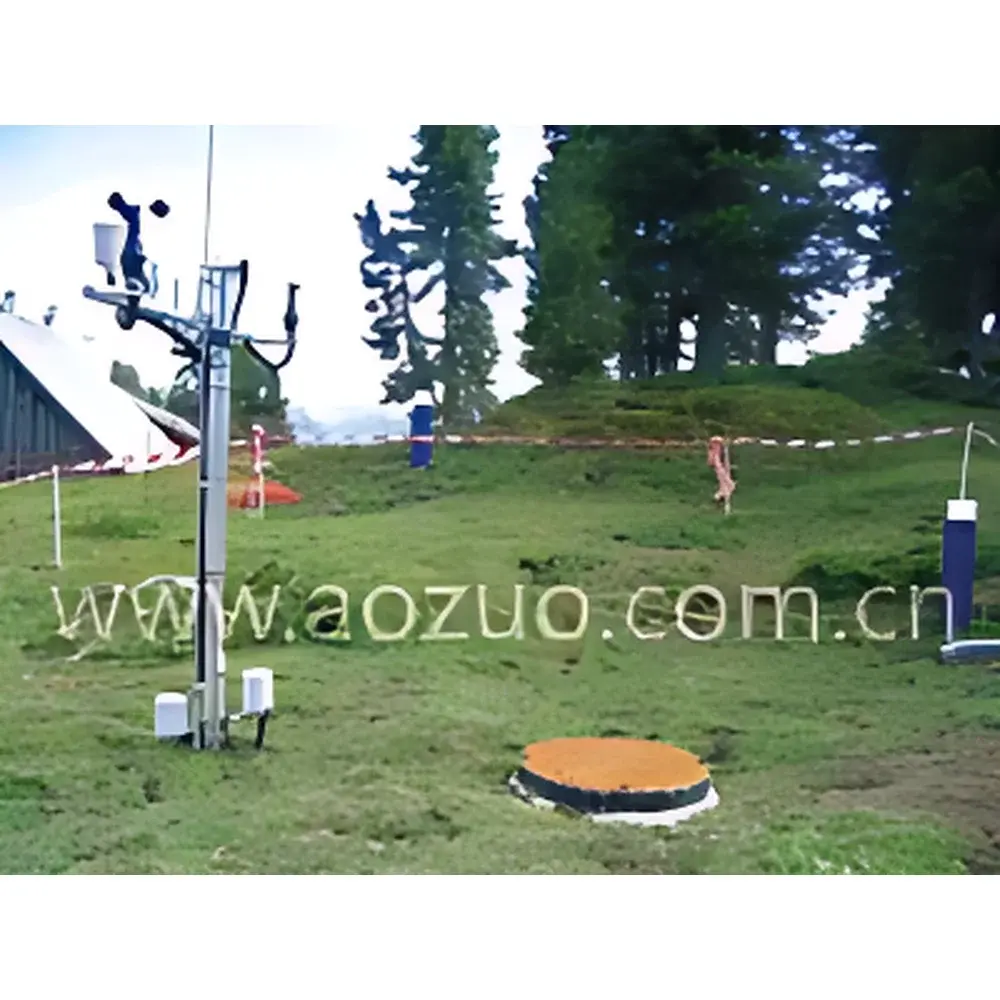
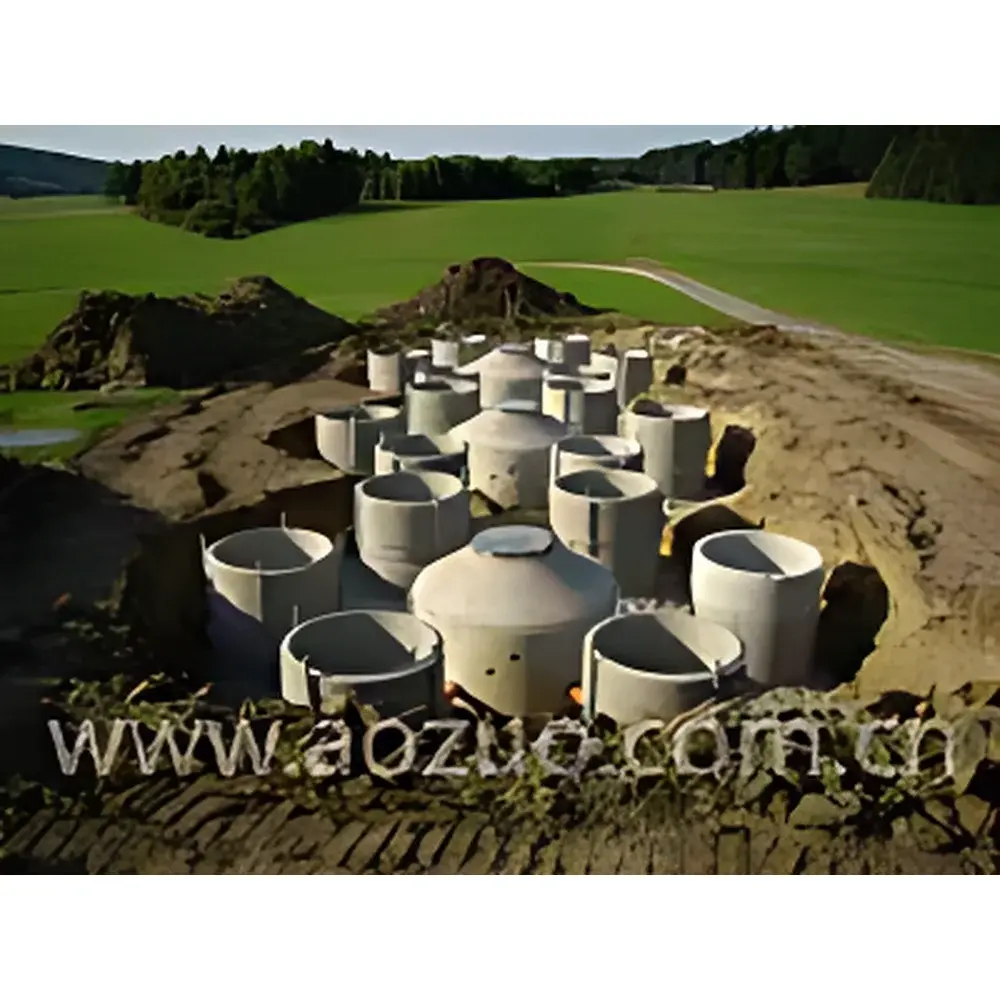
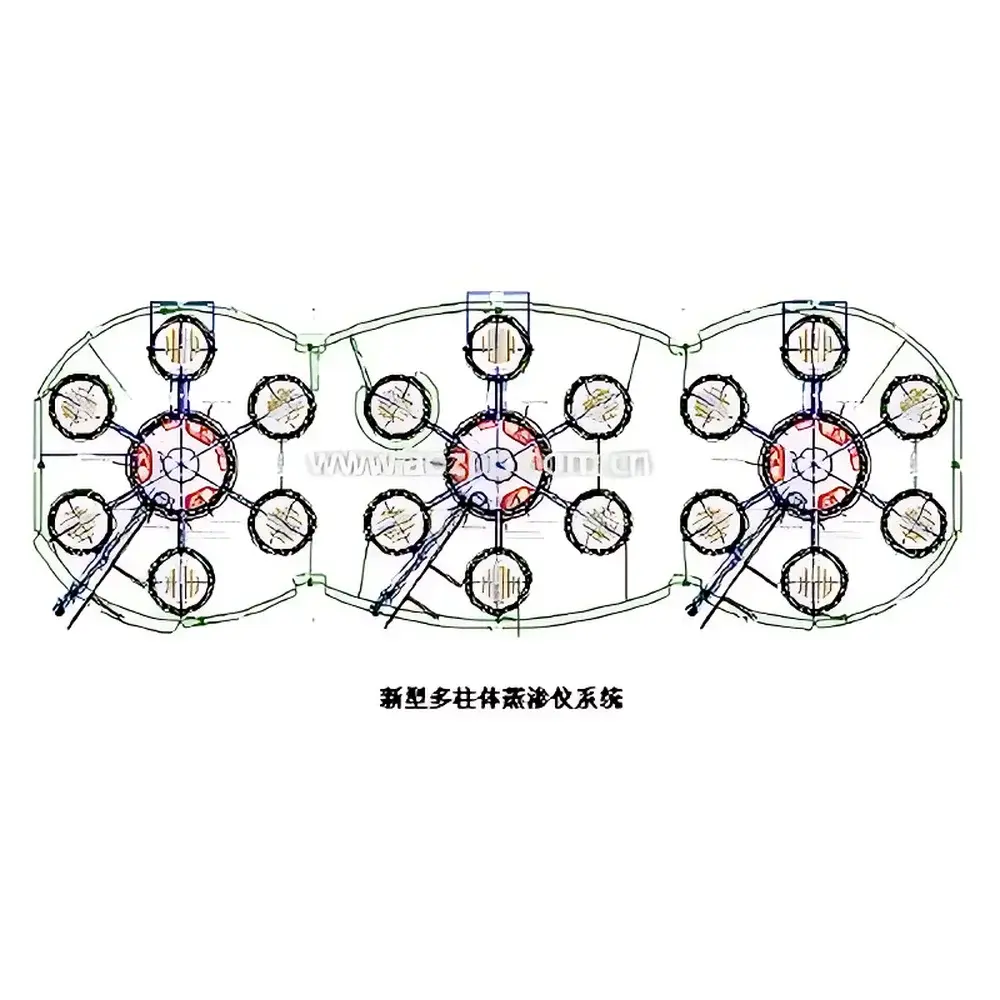
- Field-Integrated Multi-Lysimeter Configuration: Modular design supports deployment of multiple lysimeters directly in agricultural or natural field settings—eliminating energy-intensive climate-controlled basements. Data loggers, pumping units, and reservoirs are housed in accessible service wells adjacent to each monolith.
Sample Compatibility & Compliance
The UMS LY system accommodates intact soil monoliths up to 2.5 m depth and 1.0 m diameter, preserving native soil stratigraphy, root architecture, and microbial community integrity. Its open-bottom configuration with SiC-cup-controlled hydraulic boundary satisfies ISO 10390:2022 (soil water potential measurement), ASTM D5104-22 (field lysimetry), and EU COST Action ES1303 guidelines for SPAC-scale hydrological instrumentation. All wetted components—including sampling cups, tubing, and reservoirs—are constructed from inert, non-leaching materials compliant with EPA Method 9060A for aqueous environmental sampling. The system architecture supports audit-ready data provenance per GLP and 21 CFR Part 11 requirements when paired with timestamped, tamper-evident data logging firmware.
Software & Data Management
Data acquisition is managed via UMS’s proprietary TDR-Net platform, supporting synchronized sampling of lysimeter mass, bottom cup potentials, soil temperature profiles (up to 12 depths), meteorological inputs (net radiation, precipitation, humidity), and VS-pro vacuum status. Raw sensor outputs are stored in standardized NetCDF-4 format with embedded CF metadata conventions. Export modules support direct ingestion into SWAT, HYDRUS-1D, and WEAP modeling frameworks. Remote access, alarm thresholds (e.g., cup clogging detection), and automated calibration drift correction are configurable through web-based dashboard interfaces compatible with TLS 1.3 encryption and role-based user permissions.
Applications
- Quantification of evapotranspiration partitioning (ETa, T, E) under variable groundwater regimes
- Long-term assessment of agrochemical leaching dynamics (nitrates, pesticides, pharmaceutical residues)
- Calibration and validation of coupled land surface–groundwater models
- Soil hydraulic property estimation via inverse modeling of drainage and recharge events
- Climate change impact studies on deep drainage and aquifer recharge resilience
- Regulatory compliance monitoring for irrigation efficiency and nutrient management plans
FAQ
How does the LY system differ from traditional lysimeters in groundwater simulation?
It replaces passive gravel/sand filters with active SiC-cup-controlled potential regulation—enabling dynamic, field-realistic water table tracking rather than fixed-depth approximation.
Can the system operate unattended for extended field campaigns?
Yes. With solar-charged battery backup, sealed electronics rated IP67, and frost-tolerant (-10°C to +45°C) VS-pro pumps, deployments exceeding 12 months are routinely achieved across temperate and semi-arid zones.
Is the monolith installation process standardized?
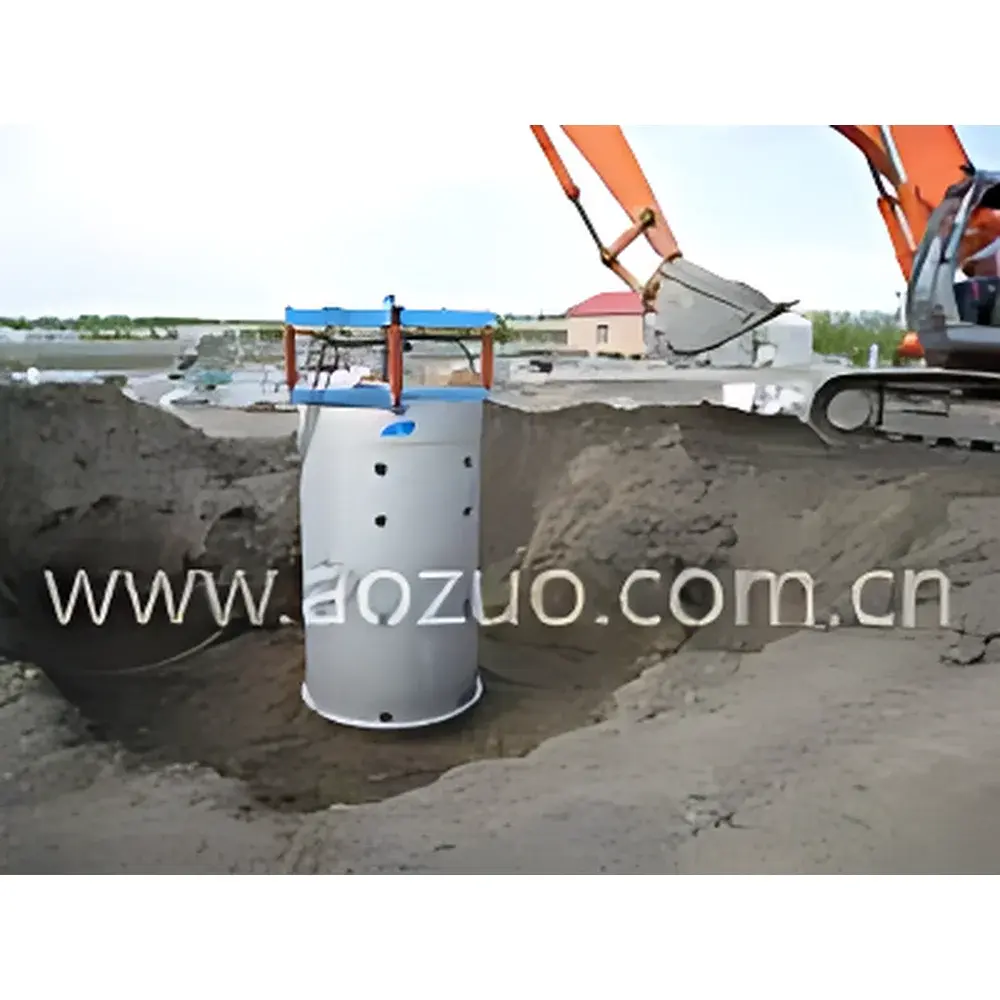
UMS provides proprietary coring tools and lifting fixtures designed to minimize wall friction and lateral compaction—validated in peer-reviewed studies on soil structural preservation during monolith extraction.
Does the system support integration with existing meteorological stations?
All analog and SDI-12 sensor inputs are natively supported; custom Modbus TCP or MQTT bridges can be provisioned for third-party weather networks.
What maintenance intervals are recommended for long-term operation?
SiC cups require annual cleaning with dilute HCl; load cells undergo biannual zero-point verification; VS-pro vacuum pumps are serviced every 18 months per manufacturer specifications—documentation aligns with ISO/IEC 17025 traceability standards.







