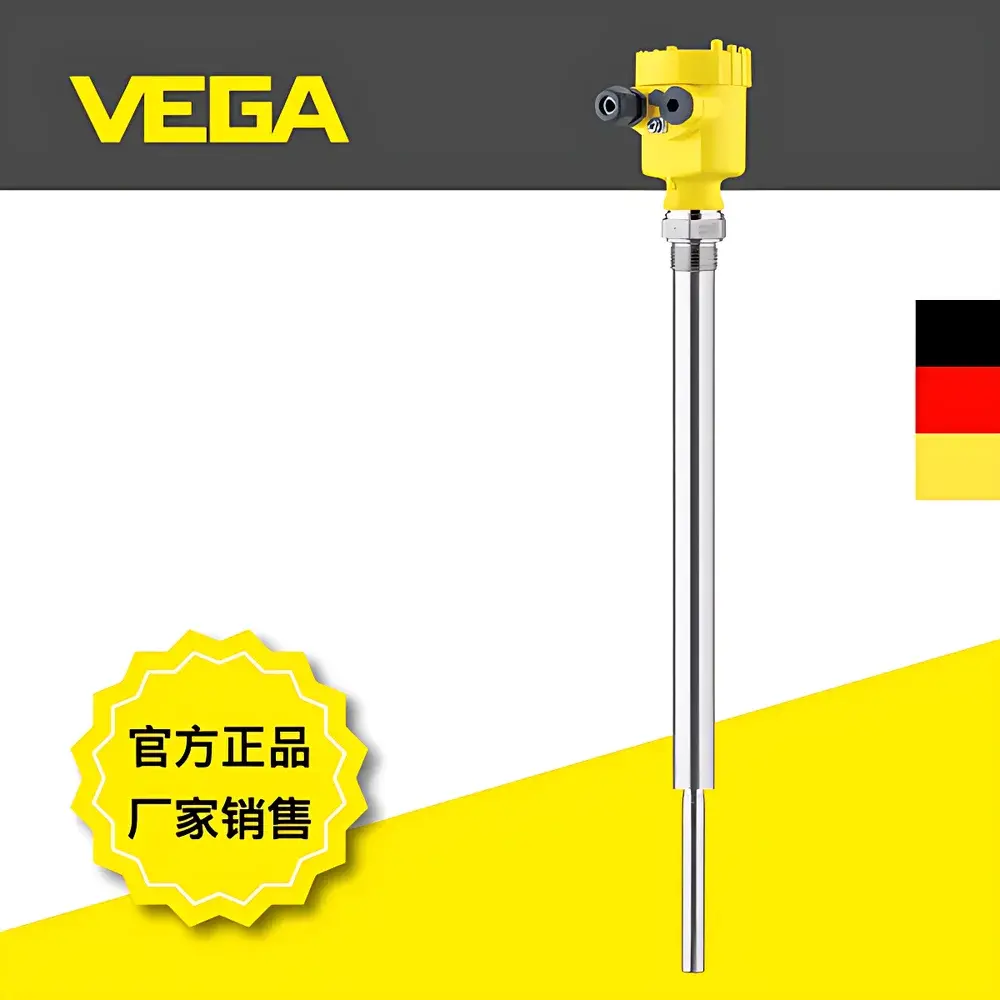
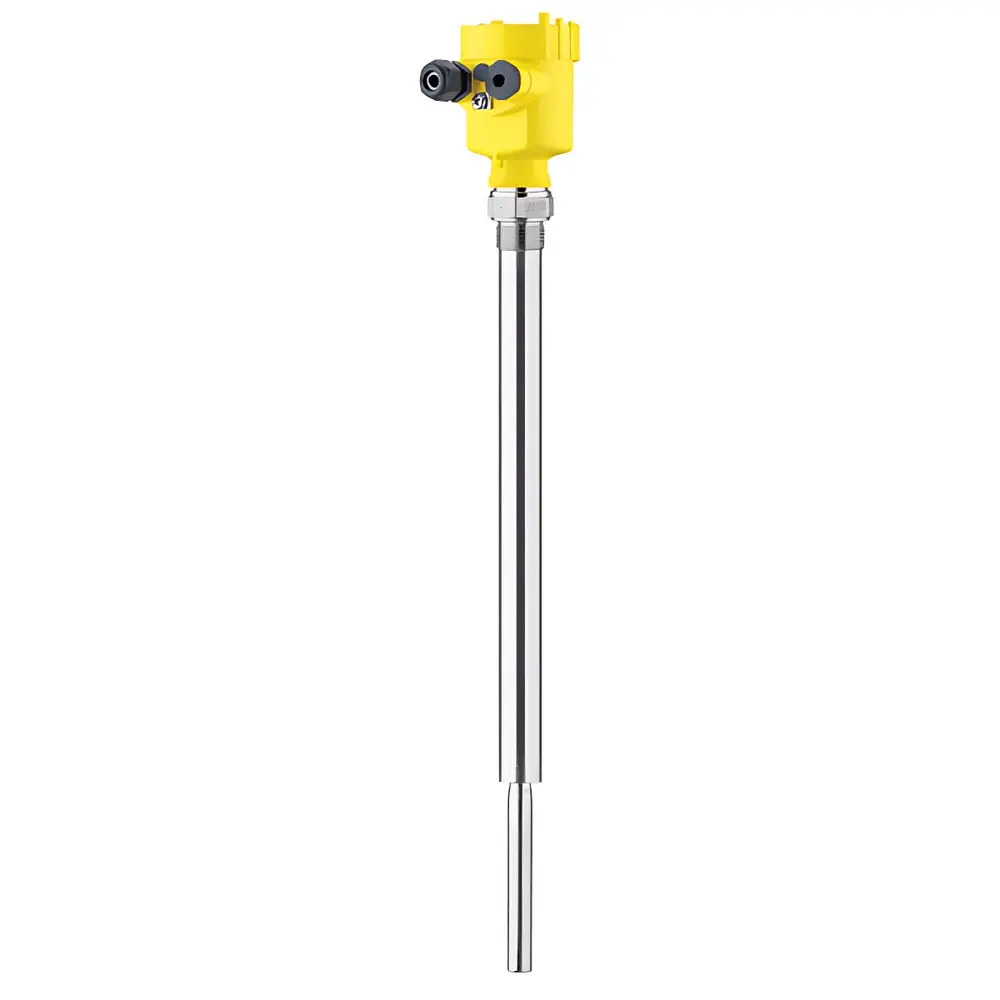
VEGA VEGAVIB 63 Vibrating Fork Level Switch with Extension Tube
| Brand | VEGA |
|---|---|
| Origin | Germany |
| Manufacturer | VEGA Grieshaber KG |
| Product Type | Solid Level Switch |
| Model | VEGAVIB 63 |
| Compliance | ATEX, IECEx, SIL 2 (IEC 61508), IP66/IP67/IP69K |
| Operating Principle | Tuning Fork Resonance Detection |
| Material Density Range | ≥ 20 g/L |
| Max. Extension Length | 6 m |
| Process Temperature | –40 to +150 °C |
| Process Pressure | –1 to +40 bar |
| Housing Material | Stainless Steel 1.4404 (316L) |
| Electrical Output | PNP/NPN, Relay, or IO-Link v1.1 |
| Certifications | FDA-compliant wetted parts (optional), EHEDG, 3-A Sanitary Standard (upon configuration) |
Overview
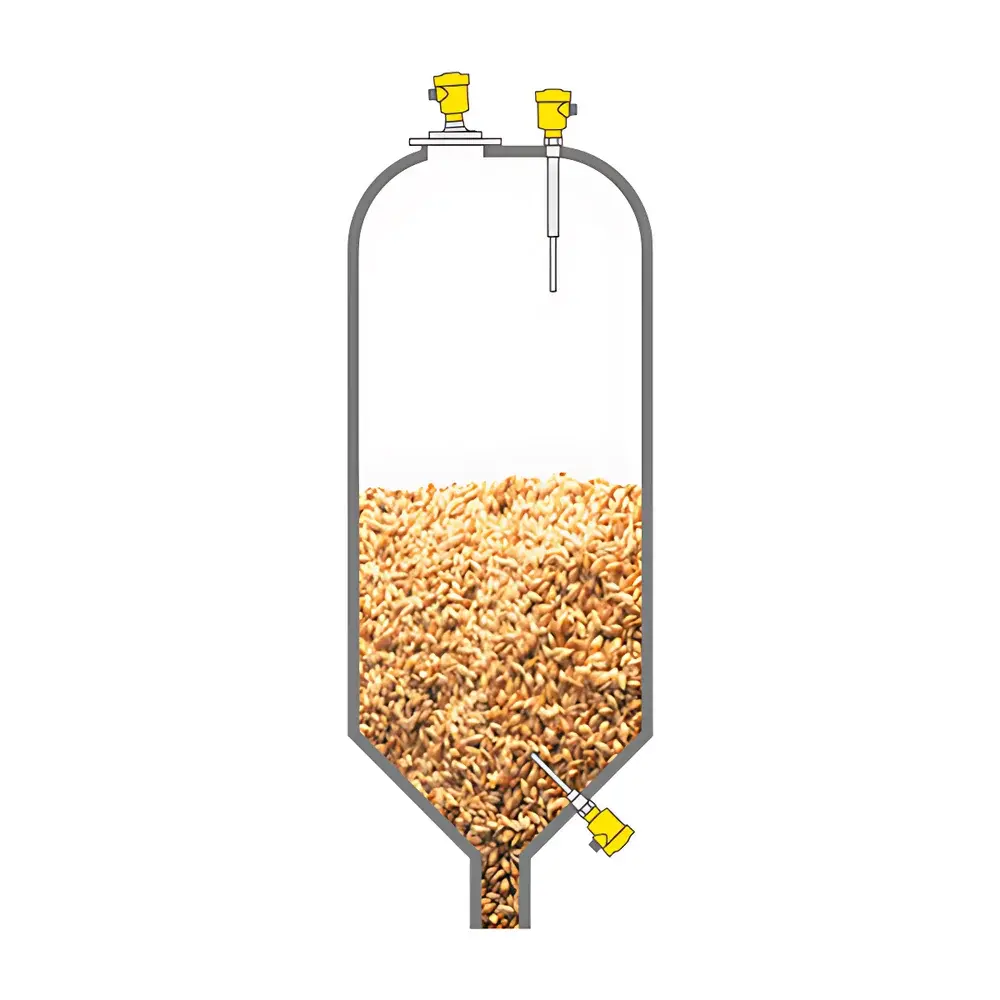
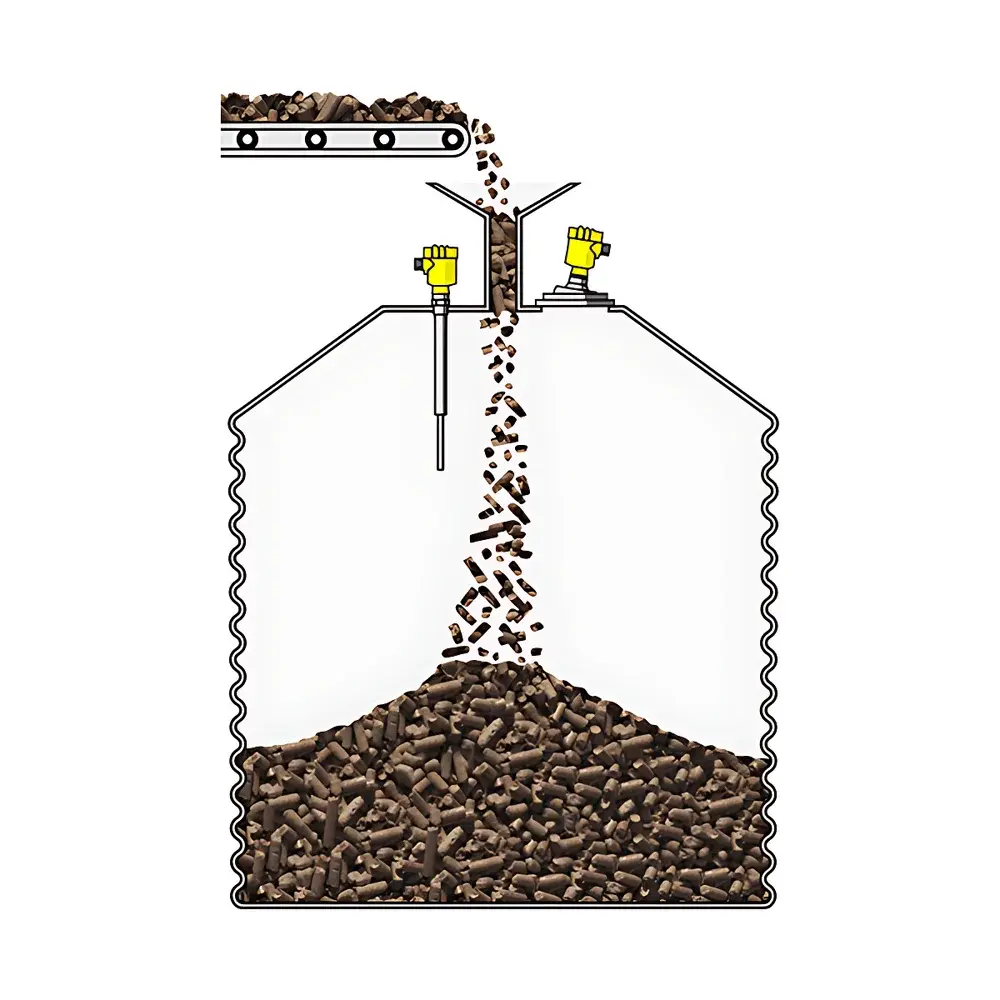
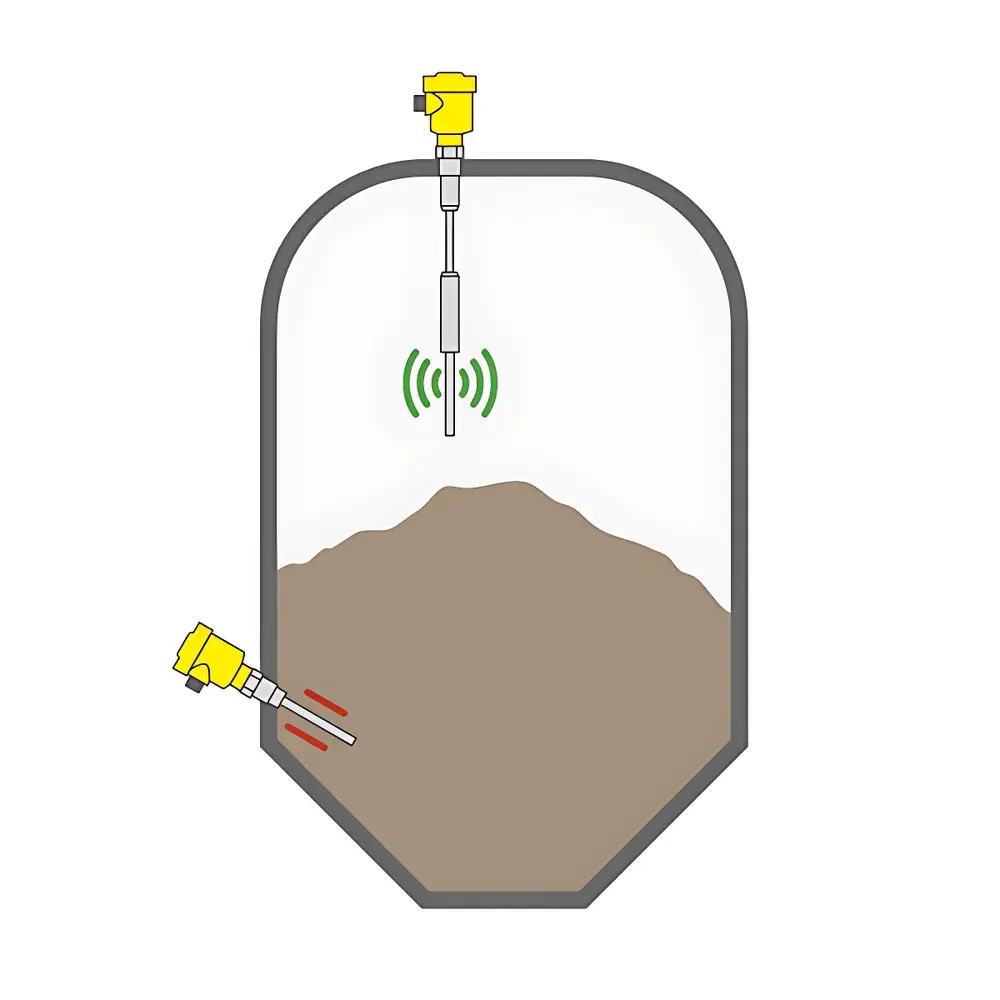
The VEGA VEGAVIB 63 is a robust, intrinsically reliable vibrating fork level switch engineered for continuous point-level detection of bulk solids in demanding industrial environments. It operates on the principle of piezoelectric-driven mechanical resonance: a precisely tuned stainless steel fork vibrates at its natural frequency when unobstructed; contact with solid material dampens this vibration, triggering a state change in the output signal. This physical measurement principle ensures immunity to dust buildup, bridging, flow dynamics, and ambient temperature fluctuations—critical advantages over capacitive or optical alternatives in dusty, high-velocity, or abrasive material handling applications. Designed and manufactured in Schiltach, Germany, the VEGAVIB 63 conforms to rigorous European engineering standards and integrates seamlessly into SIL 2–capable safety instrumented systems (SIS) per IEC 61508. Its core application domain includes silos, hoppers, feeders, and chutes conveying granular or coarse particulates—such as plastic pellets, cement clinker, coal, grain, limestone, and mineral ores—where consistent, maintenance-free operation over decades is required.
Key Features
- Extension tube configuration enables remote sensing up to 6 meters from the process flange, accommodating deep vessels or insulated/covered installations without compromising mechanical integrity.
- Smooth, edge-free fork geometry eliminates material accumulation points—reducing risk of clogging, false tripping, and cleaning downtime—especially critical in hygienic or high-purity processes.
- Hermetically sealed piezoelectric drive and detection system ensures long-term stability under thermal cycling, vibration, and pressure transients.
- Wide operating temperature range (–40 to +150 °C) and pressure tolerance (–1 to +40 bar) support use in steam-jacketed vessels, vacuum dryers, and pressurized pneumatic conveying lines.
- Multiple output options—including configurable PNP/NPN transistor outputs, fail-safe relay contacts, and IO-Link v1.1 digital interface—enable direct integration with PLCs, DCS, and MES platforms while supporting parameterization, diagnostics, and device-level firmware updates.
- ATEX Category 2G/2D and IECEx certification for gas and dust hazardous areas (Zone 21/22), plus optional EHEDG and 3-A Sanitary compliance for food & pharmaceutical applications.
Sample Compatibility & Compliance
The VEGAVIB 63 is validated for reliable switching across free-flowing and moderately cohesive solids with bulk density ≥ 20 g/L. It is unsuitable for fine powders (< 50 µm median particle size) exhibiting fluidization behavior or electrostatic adhesion. Wetted components—including the fork, extension tube, and process seal—are constructed from electropolished 1.4404 (316L) stainless steel, passivated per ASTM A967, and optionally available with FDA-compliant elastomer seals (EPDM or FKM). The device meets electromagnetic compatibility requirements per EN 61326-1 and functional safety requirements per IEC 61508 (SIL 2), with documented FMEDA analysis and hardware fault tolerance metrics. All units undergo 100% factory functional testing, including resonance frequency verification and damping threshold calibration.
Software & Data Management
Configuration and diagnostics are performed via VEGA Tools software (Windows-based) using USB or Bluetooth adapters, or directly through IO-Link masters compliant with IEC 61131-9. Parameter sets—including switching delay, sensitivity adjustment, diagnostic thresholds, and fail-safe behavior—are stored non-volatilely within the device. IO-Link communication supports real-time access to process variables (vibration amplitude, damping ratio, temperature), device status (cleanliness warning, sensor fault, overload), and audit-trail-capable configuration history—facilitating alignment with FDA 21 CFR Part 11 and GMP/GLP documentation requirements. Firmware updates preserve user-defined parameters and require cryptographic signature validation.
Applications
- Cement & building materials: High-temperature clinker and fly ash silo level monitoring with extended tube mounting through insulation layers.
- Plastics & polymers: Reliable pellet level detection in extruder hoppers and drying bins subject to vibration and static charge.
- Food & feed: Sanitary-grade level control in grain elevators, flour silos, and animal feed mixers—certified to 3-A Standard 77-01 and EHEDG Doc. 8.2.
- Power generation: Coal and biomass storage bin high-level alarms in outdoor, weather-exposed environments (IP69K-rated housing).
- Chemical & minerals: Corrosion-resistant level signaling in sulfur, phosphate rock, and salt storage facilities with aggressive atmospheric conditions.
FAQ
Can the VEGAVIB 63 be calibrated for different material densities?
No calibration is required—the device detects presence/absence based on mechanical damping; sensitivity is factory-set for ≥20 g/L and remains invariant across material types meeting that density threshold.
Is it possible to install the VEGAVIB 63 horizontally?
Yes, provided the fork orientation avoids material bridging across tines; vertical or angled installation is recommended for optimal self-cleaning performance.
Does the extension tube affect response time?
No—the mechanical resonance and damping detection occur exclusively at the fork tip; the extension tube serves only as a rigid transmission element with negligible dynamic influence.
How is proof testing performed for SIL 2 applications?
A full functional test (including manual fork obstruction and release) verifies output logic and timing compliance; partial stroke testing is supported via IO-Link diagnostic commands.
What maintenance intervals are recommended?
Zero scheduled maintenance is specified; visual inspection every 12 months is advised per IEC 61511; no lubrication, recalibration, or replacement parts are required under normal operating conditions.