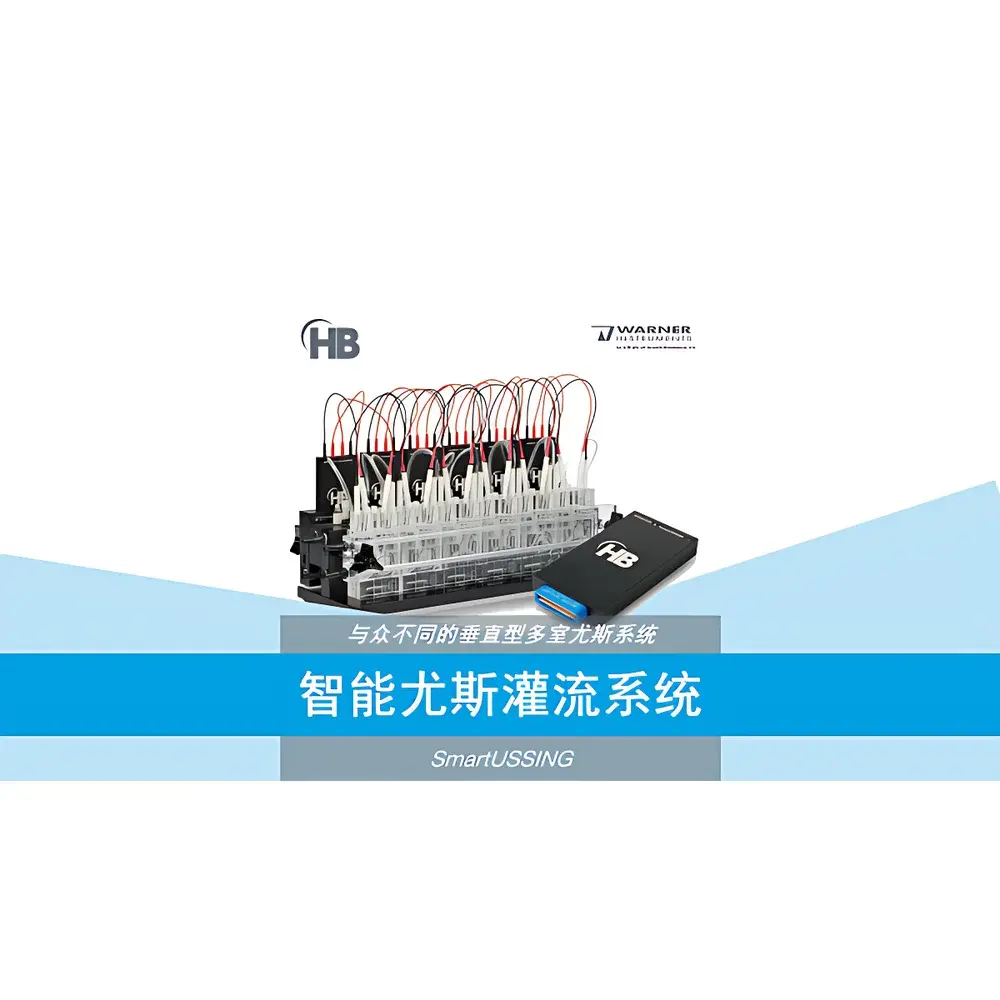
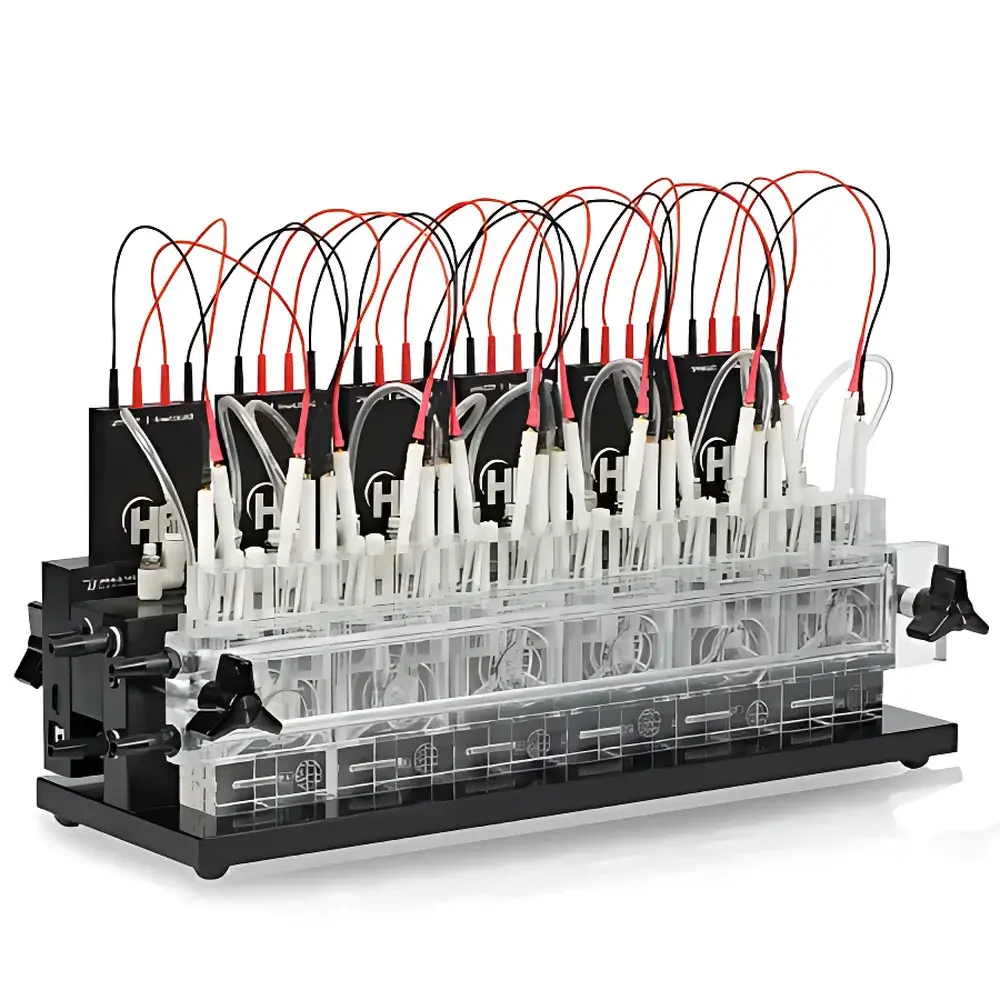
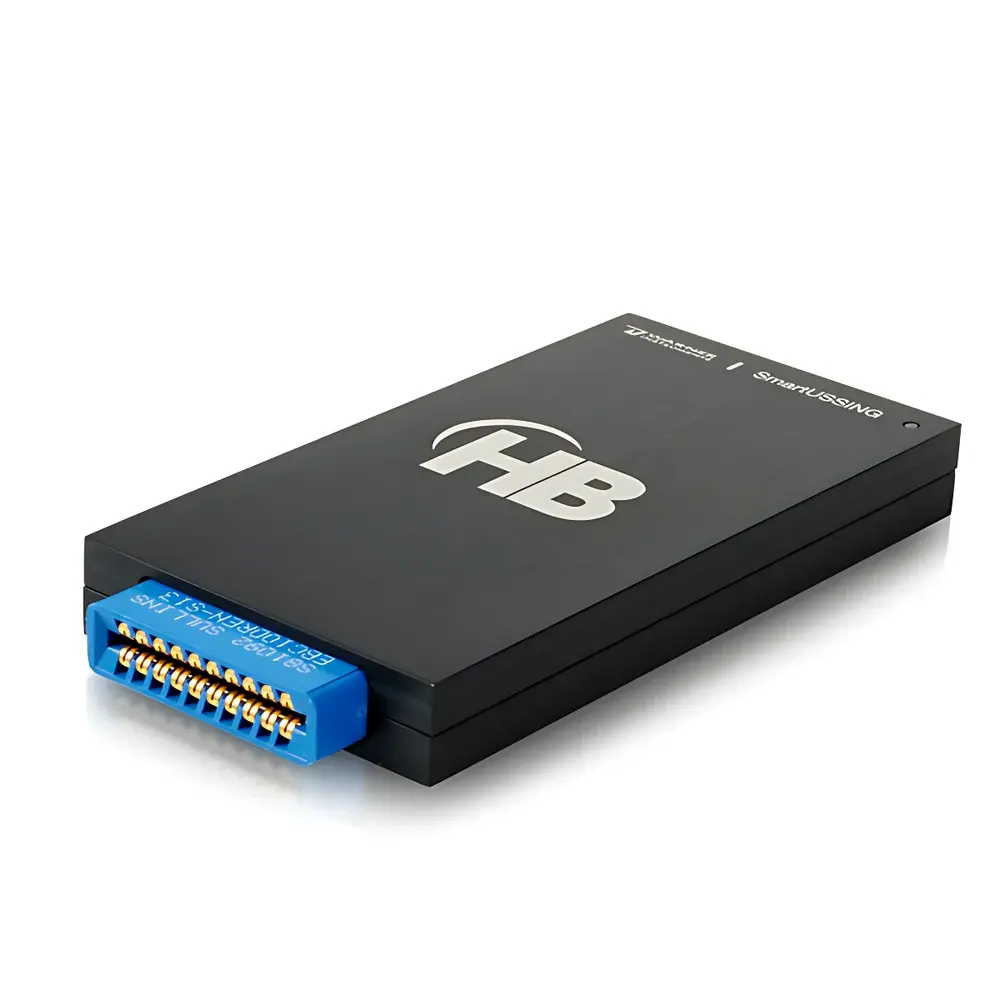
Warner Smart USSING Automated Ussing Chamber System
| Brand | Warner Instruments |
|---|---|
| Origin | USA |
| Manufacturer Type | Authorized Distributor |
| Origin Category | Imported |
| Model | Smart USSING |
| Instrument Type | Automated |
| Dimensions (W × D × H) | 380 mm × 75 mm × 20 mm |
| Temperature Control Range | 10 °C to 40 °C |
Overview
The Warner Smart USSING Automated Ussing Chamber System is a compact, precision-engineered electrophysiological platform designed for quantitative measurement of ion transport across epithelial and endothelial monolayers. Based on the classical Ussing chamber principle—where transepithelial voltage (Vte), short-circuit current (Isc), and tissue resistance (Rte) are monitored under controlled hydrodynamic and thermal conditions—the Smart USSING system integrates real-time feedback-controlled perfusion, dual-chamber temperature regulation, and low-noise voltage-clamp compatibility. Its ultra-slim footprint (75 mm depth) enables seamless integration into standard biosafety cabinets or multi-instrument electrophysiology rigs without compromising laminar flow integrity or thermal homogeneity across apical and basolateral compartments.
Key Features
- Automated dual-channel peristaltic perfusion with programmable flow rates (0.1–5 mL/min), ensuring stable laminar flow and minimal shear stress on polarized cell monolayers (e.g., Caco-2, MDCK, HT-29/B6).
- Independent, Peltier-based temperature control for apical and basolateral chambers (10–40 °C, ±0.2 °C stability), validated per ASTM E2877-22 for biomedical thermal instrumentation.
- Modular chamber design accommodating standard 12-mm and 24-mm Snapwell®/Transwell® inserts, with gold-plated Ag/AgCl electrodes embedded in chemically resistant PEEK housings for low-drift potential measurement.
- Integrated electrical interface compliant with standard voltage-clamp amplifiers (e.g., Dagan Corporation, Warner Instruments CEZ series), supporting both open-circuit and short-circuit modes with Isc resolution down to 0.05 µA.
- Robust mechanical architecture with vibration-damped baseplate and silicone-sealed fluid pathways, minimizing microturbulence and electrolyte leakage during long-term (>24 h) experiments.
Sample Compatibility & Compliance
The Smart USSING system supports a broad range of biological preparations including primary human airway epithelia, intestinal organoids, kidney tubule monolayers, and in vitro blood-brain barrier models. All wetted components meet USP Class VI biocompatibility standards and are autoclavable (121 °C, 20 min). The system complies with ISO 13485:2016 requirements for medical device-related research instrumentation and supports GLP-compliant data acquisition when paired with FDA 21 CFR Part 11–enabled software (e.g., pCLAMP 11+, WinWCP, or custom LabVIEW-based DAQ environments). Electrical safety conforms to IEC 61010-1:2010 for laboratory equipment.
Software & Data Management
While the Smart USSING hardware operates independently of proprietary software, it is fully compatible with third-party acquisition platforms supporting analog voltage/current input (±10 V range, 16-bit ADC minimum). Time-synchronized data streams—including Vte, Isc, temperature logs, and pump status—are timestamped with microsecond precision via TTL-triggered external clock synchronization. Audit trails, user access logs, and electronic signatures can be implemented using validated configurations of commercial electrophysiology suites. Raw binary data export (e.g., .abf, .wcp, or HDF5) ensures full traceability and reproducibility in regulatory submissions.
Applications
- Quantitative assessment of CFTR and ENaC channel activity in cystic fibrosis drug screening.
- Evaluation of tight junction integrity under inflammatory stimuli (e.g., TNF-α, IFN-γ) in IBD-relevant models.
- Permeability profiling of nanoparticle- and peptide-based therapeutics across intestinal and pulmonary barriers.
- Mechanistic studies of SGLT1/GLUT2 transporter kinetics under glucose-gradient conditions.
- Toxicity testing of environmental pollutants on renal proximal tubule epithelia (e.g., HK-2 cells).
FAQ
Can the Smart USSING be used with non-standard insert sizes or custom chamber geometries?
Yes—modular electrode holders and interchangeable gasket sets support 6-mm, 12-mm, and 24-mm inserts; custom machining services for bespoke chamber configurations are available through Warner Instruments’ OEM engineering group.
Is remote monitoring supported for unattended overnight experiments?
The system interfaces with Ethernet-enabled DAQ systems and supports SNMP-based network health reporting; temperature and pump status can be logged remotely via Modbus TCP when integrated with industrial PLCs or SCADA environments.
Does the system include calibration documentation traceable to NIST standards?
Each unit ships with a Certificate of Conformance and a factory calibration report for temperature sensors (traceable to NIST SRM 1750) and electrode offset verification (per ASTM F2621-20 Annex A2).
What maintenance is required for long-term reliability?
Routine maintenance includes quarterly inspection of peristaltic tubing wear, annual recalibration of temperature sensors, and biannual cleaning of electrode surfaces with 0.1 M HNO3 followed by deionized water rinse—procedures detailed in the GLP-aligned Maintenance Logbook included with shipment.