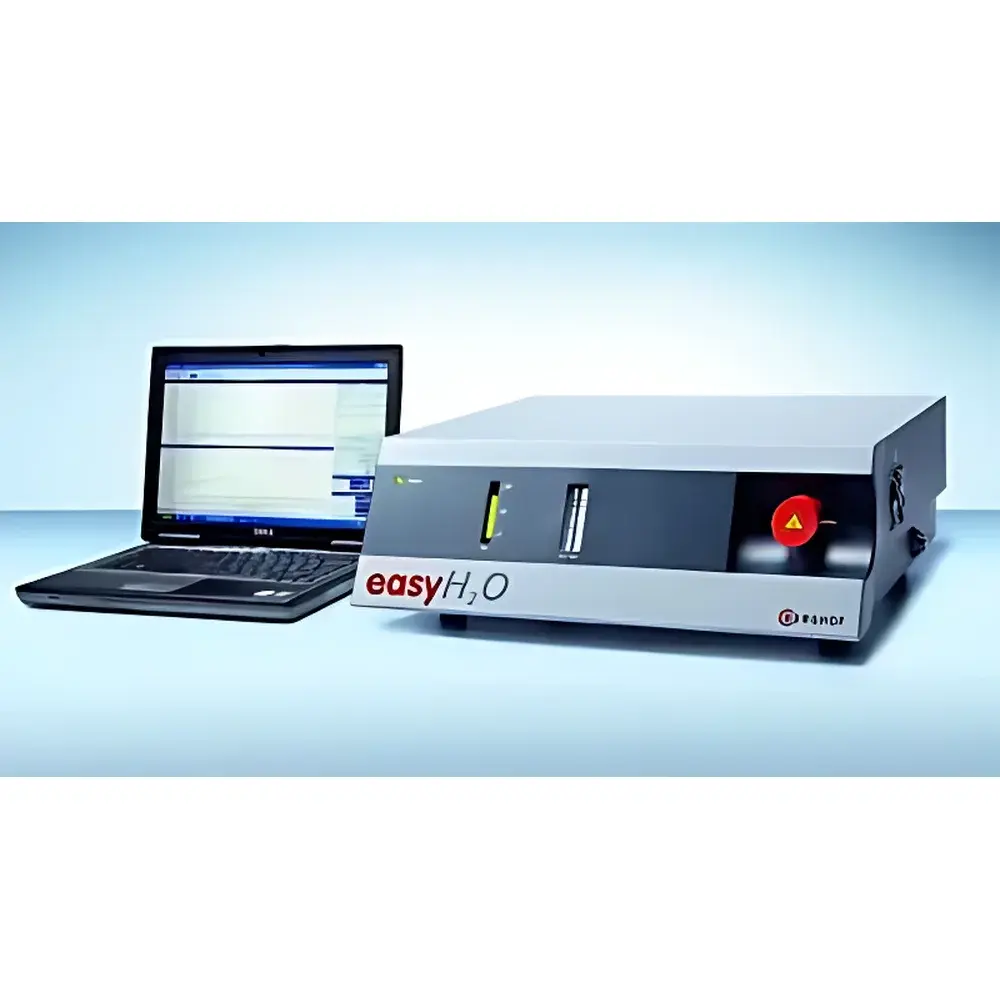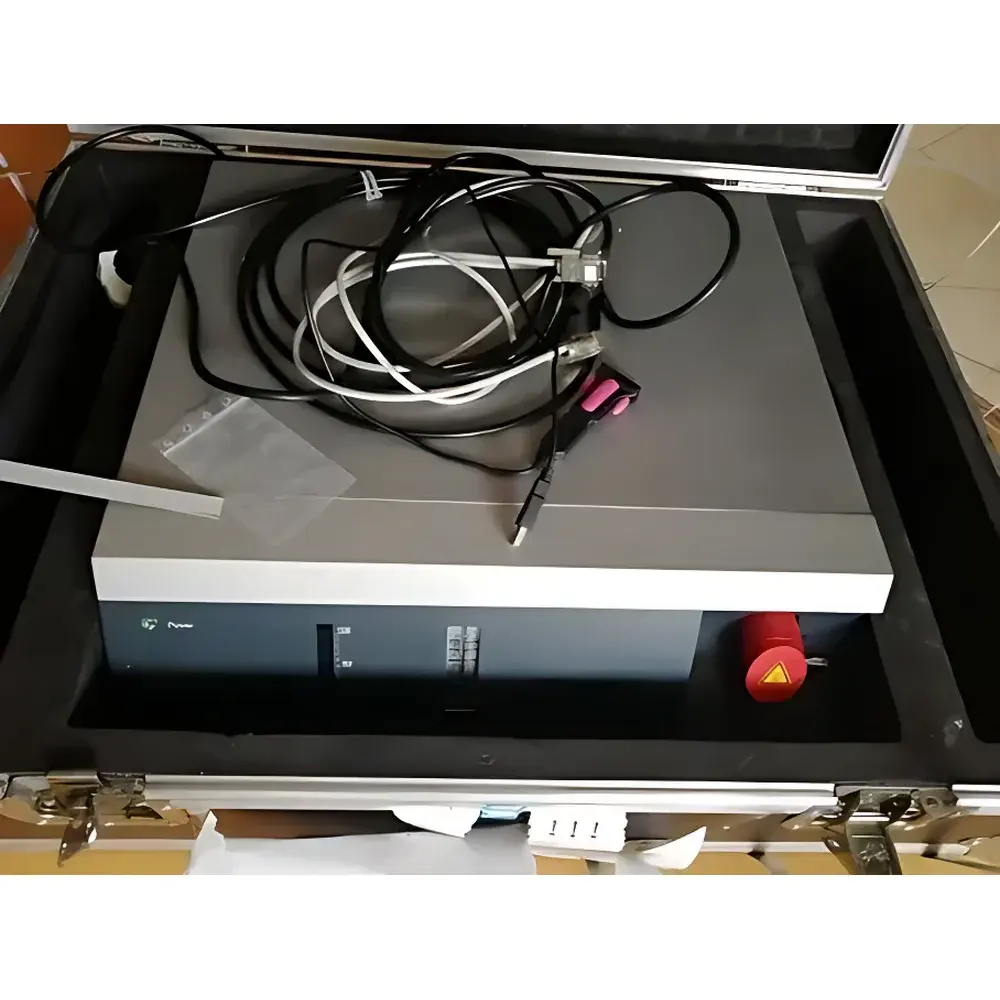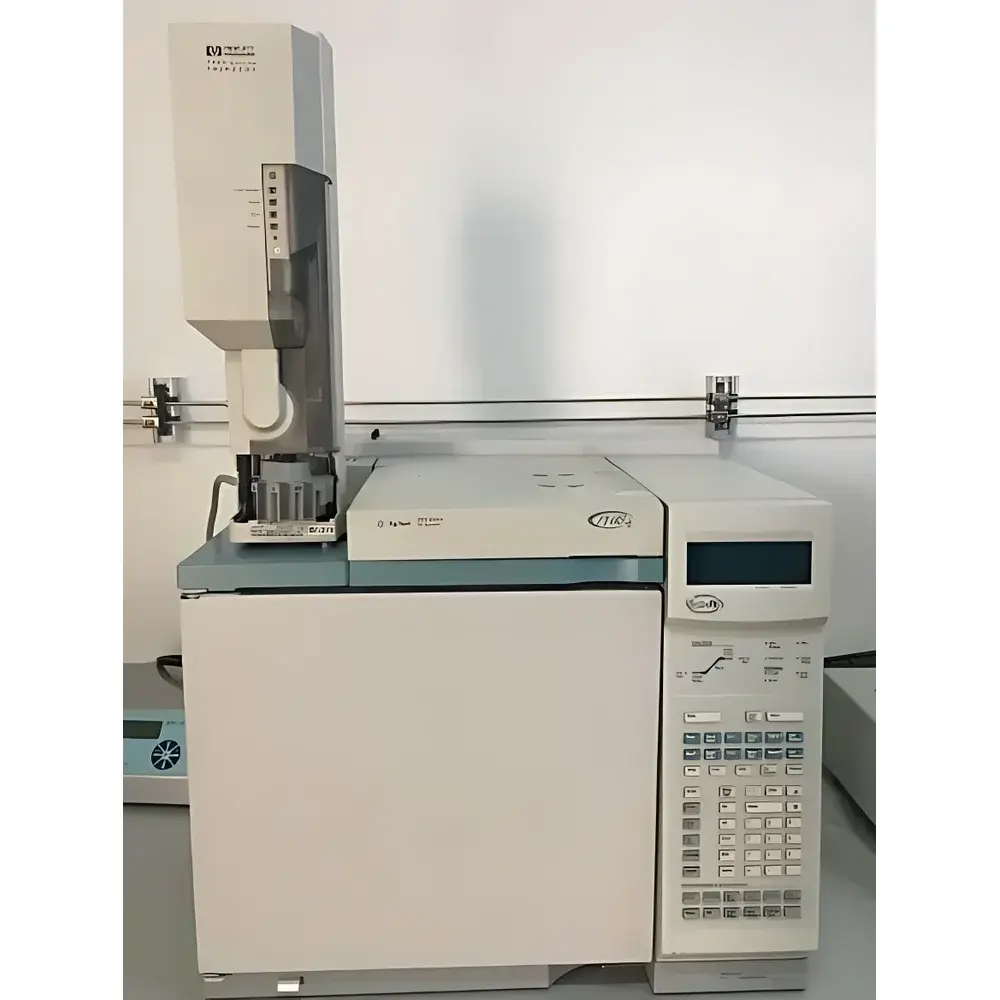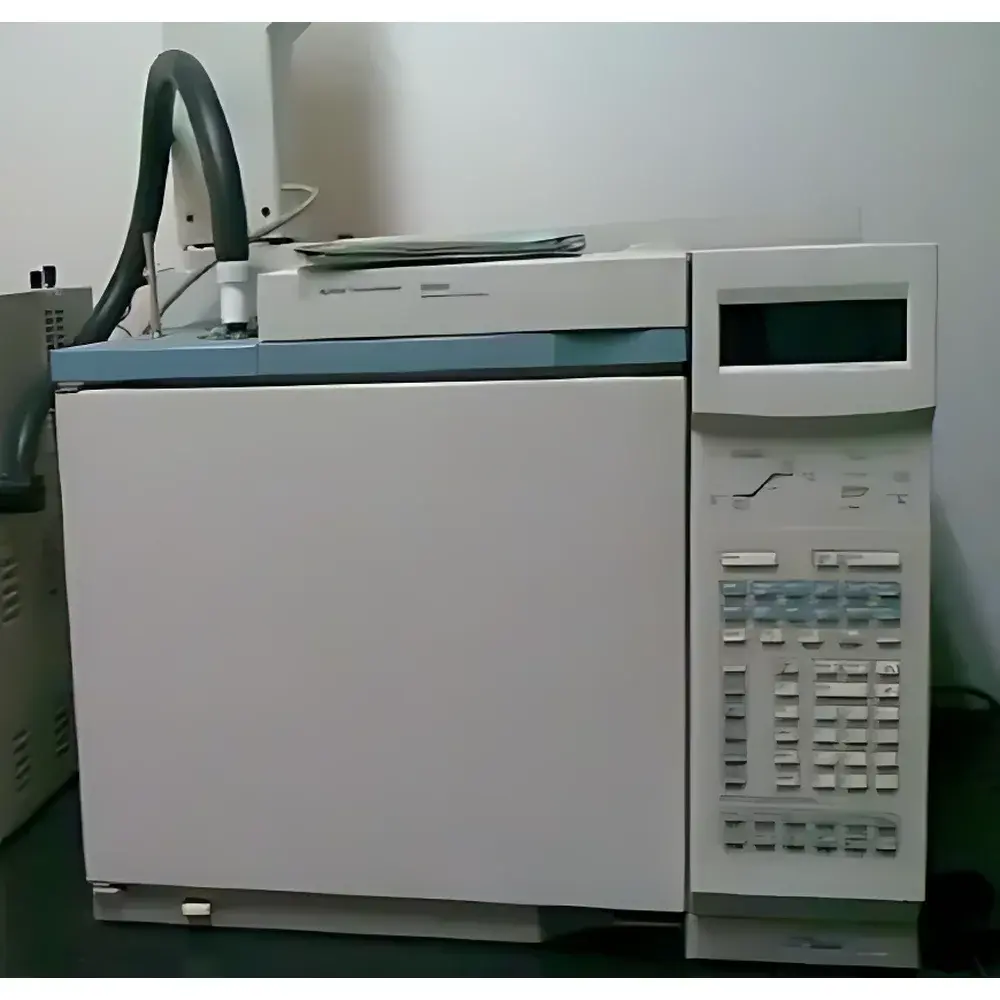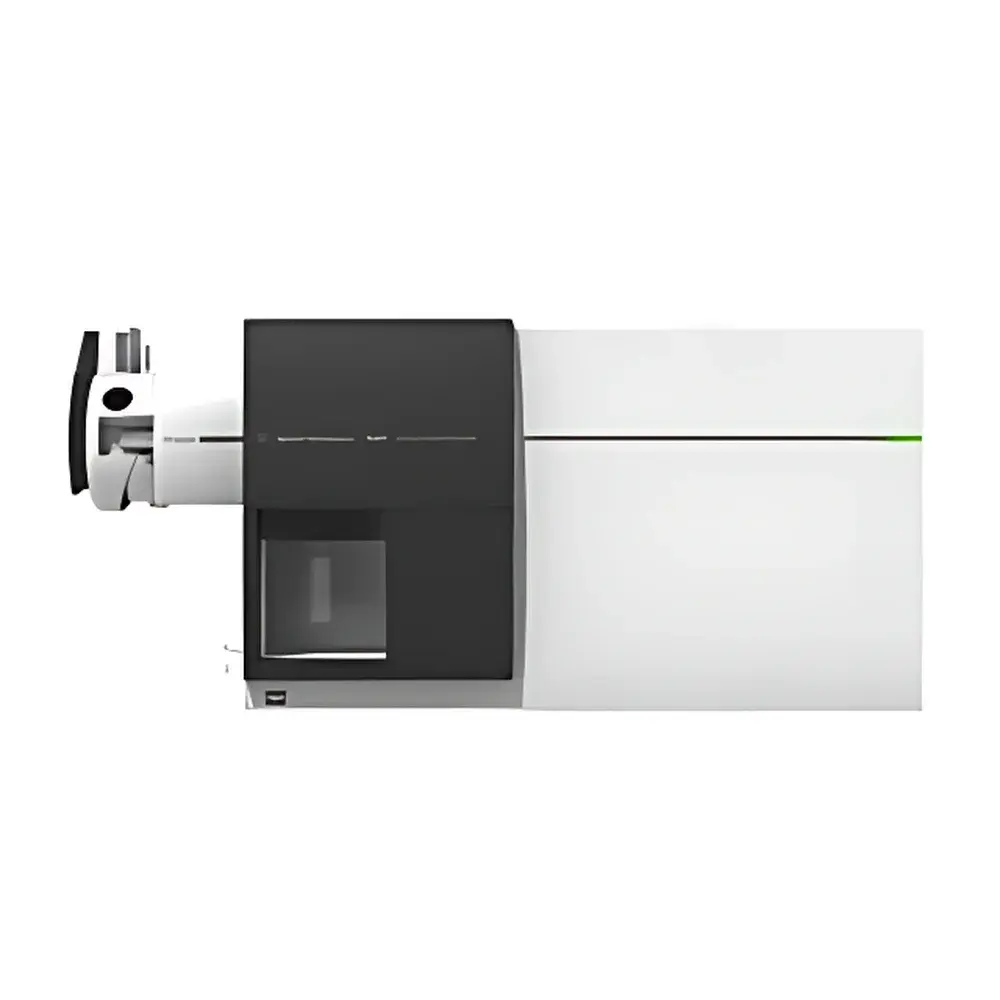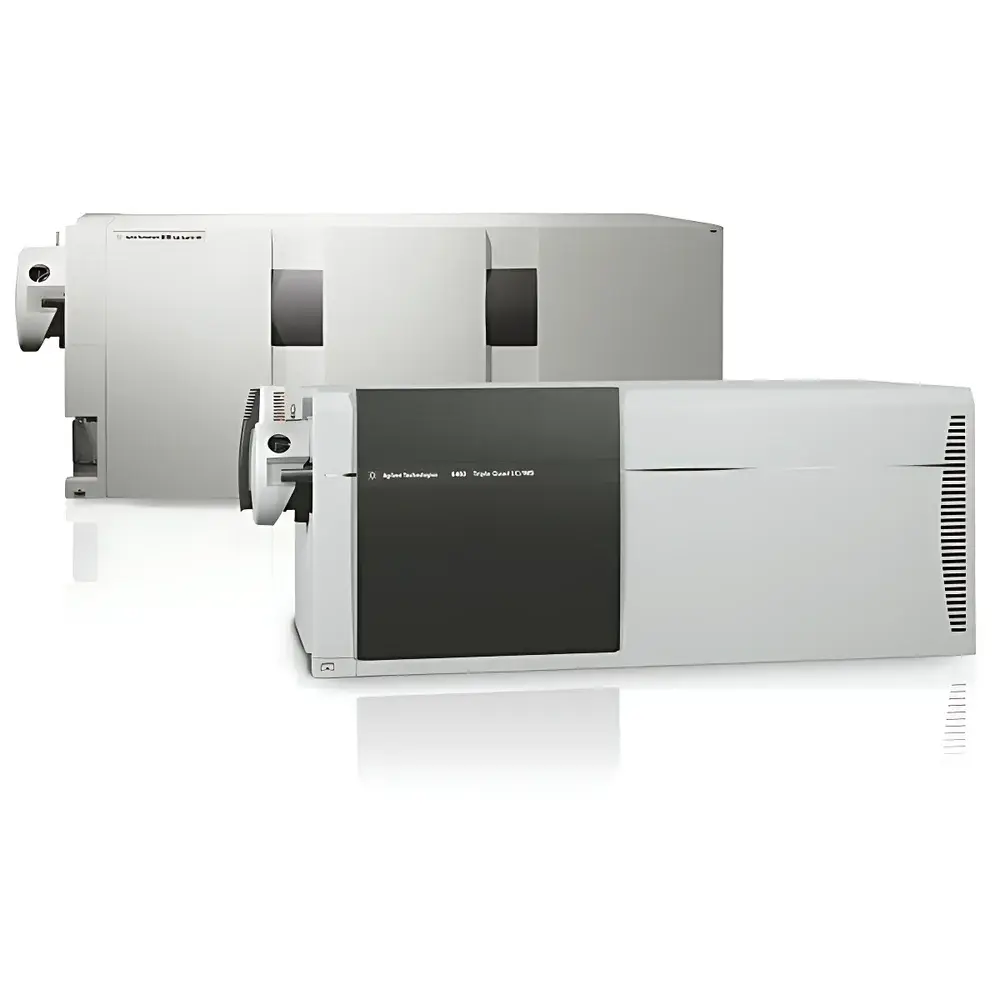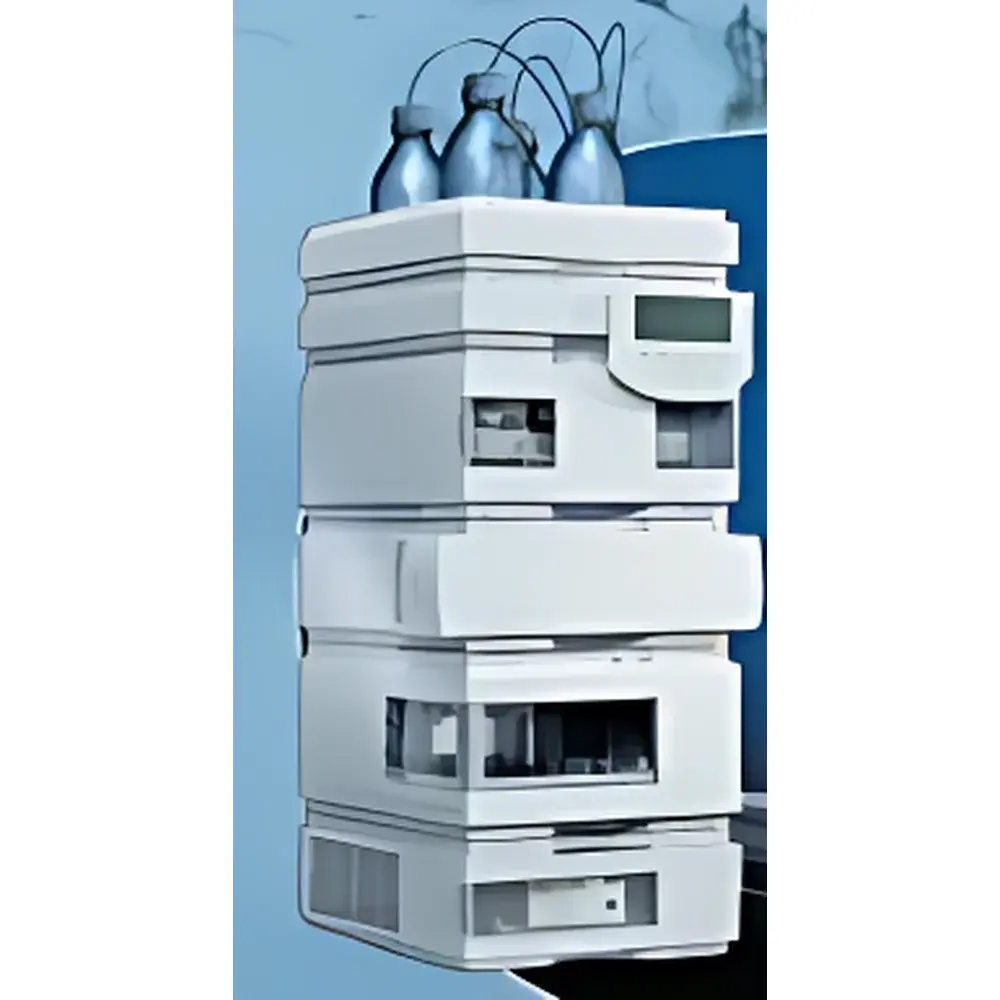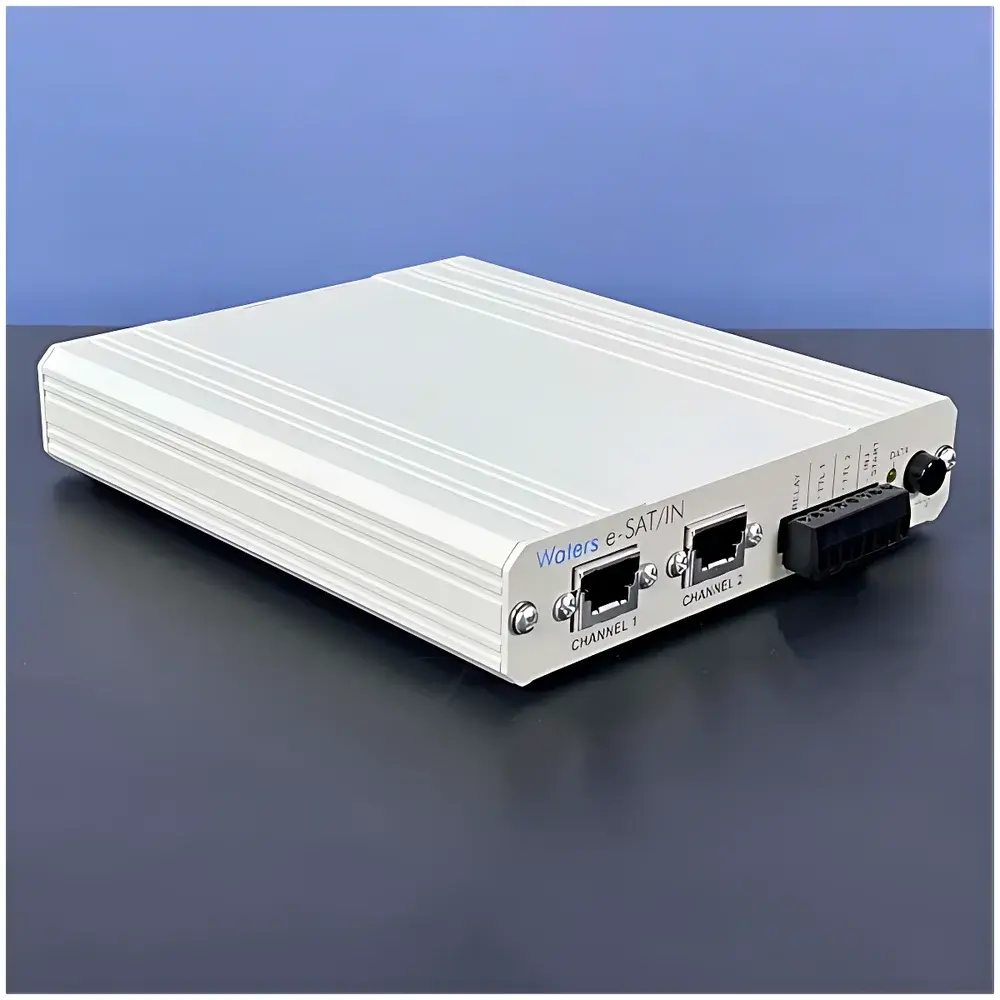
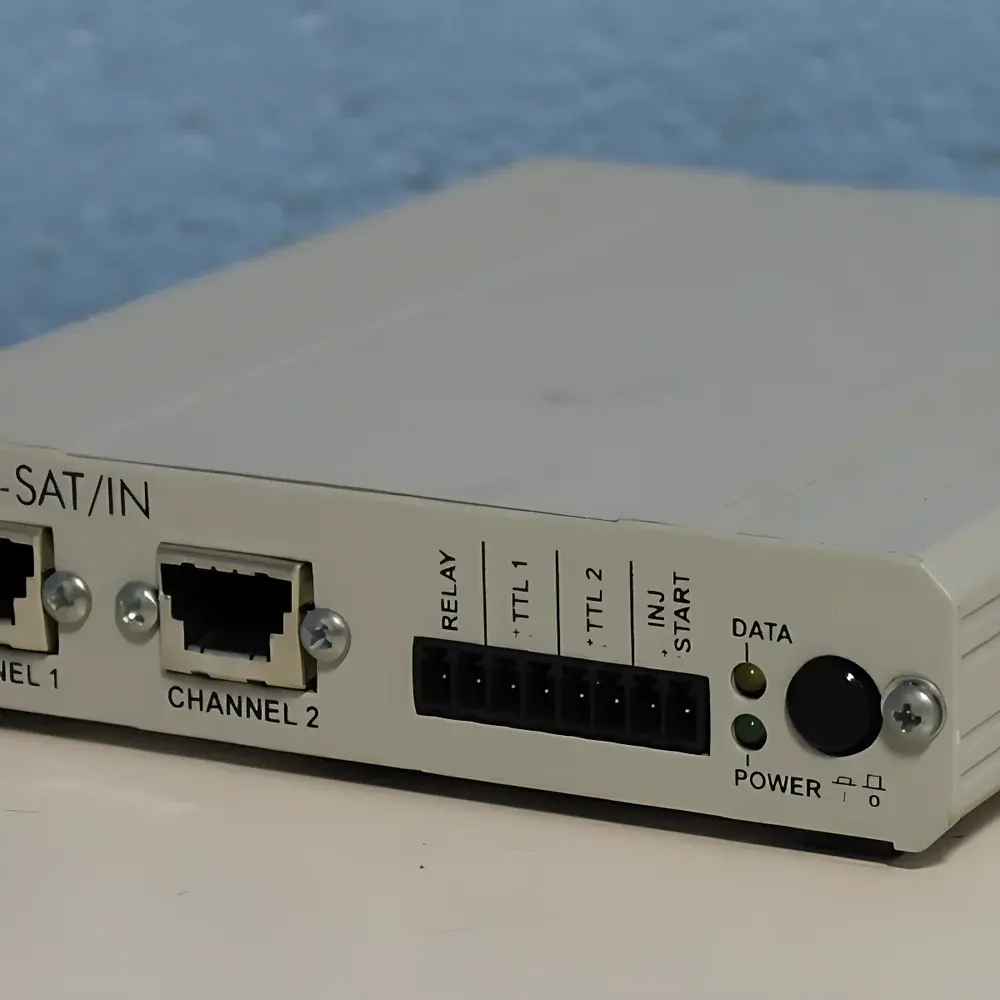
Waters e-SAT/IN Analog-to-Digital Converter (Refurbished)
| Brand | Waters |
|---|---|
| Origin | USA |
| Model | e-SAT/IN |
| Condition | Refurbished & Fully Tested |
| Regulatory Status | CE-marked, Compliant with IEC 61000-6-3 EMI Standards |
| Interface | RS-232 / TTL-compatible digital output |
| Input Range | ±10 V analog input, 12-bit resolution |
| Sampling Rate | Up to 1 kHz (typical in legacy HPLC system integration) |
| Power Supply | +5 V DC (supplied via host chromatograph interface) |
Overview
The Waters e-SAT/IN is a dedicated analog-to-digital converter module originally engineered for integration with Waters high-performance liquid chromatography (HPLC) systems, including the 600/717/996 series and early Empower™-compatible platforms. Designed to digitize analog voltage signals from UV-Vis detectors, conductivity sensors, or fraction collectors, the e-SAT/IN serves as a critical signal conditioning interface between legacy analog instrumentation and modern data acquisition environments. Its core function relies on successive approximation register (SAR) ADC architecture, delivering stable 12-bit quantization across a ±10 V input range—sufficient for accurate peak area integration, baseline correction, and retention time alignment in QC/QA laboratories operating under GLP-compliant workflows. Though discontinued by Waters in the mid-2000s, the e-SAT/IN remains functionally interoperable with many installed base systems where firmware-level compatibility with Breeze™ or Millennium32™ software has been preserved.
Key Features
- 12-bit analog-to-digital conversion with monotonic response and <±0.5 LSB integral nonlinearity (INL), validated per IEEE Std 1057 test procedures
- Isolated analog input stage with 10 MΩ input impedance and <10 nA bias current, minimizing loading effects on detector output circuits
- RS-232 serial interface compliant with EIA/TIA-232-F specification, supporting baud rates up to 115.2 kbps for synchronized data streaming
- On-board hardware filtering (programmable low-pass cutoff at 10 Hz, 100 Hz, or 1 kHz) to suppress high-frequency noise without phase distortion
- Factory-refurbished unit includes full functional verification: zero/gain calibration, linearity sweep, thermal drift assessment (–10 °C to +50 °C ambient), and electromagnetic compatibility screening per IEC 61000-4-3/6
- No internal battery or volatile memory—ensures long-term stability and eliminates time-based calibration drift associated with EEPROM wear-out
Sample Compatibility & Compliance
The e-SAT/IN is not a sample-handling device but a signal interface component; therefore, its compatibility is defined by electrical and protocol-level interoperability rather than physical sample constraints. It accepts analog outputs from Waters 486/996 UV-Vis detectors, 432 fluorescence detectors, and 474 scanning detectors—provided output scaling matches the ±10 V range. When deployed in regulated environments, the module supports audit-ready operation when paired with chromatography data systems (CDS) that maintain 21 CFR Part 11-compliant electronic records (e.g., Empower 3 with appropriate configuration). Its CE marking confirms compliance with the EU Electromagnetic Compatibility Directive 2014/30/EU and Low Voltage Directive 2014/35/EU. Units supplied include traceable calibration documentation aligned with ISO/IEC 17025 requirements for accredited refurbishment labs.
Software & Data Management
The e-SAT/IN operates transparently within Waters’ native software ecosystem. In Millennium32, it appears as a “SAT Device” under the Instrument Configuration Editor, requiring no driver installation beyond standard COM port assignment. With Empower 2 or 3, it functions as a “Legacy Analog Input” peripheral when configured in Hybrid Mode, enabling simultaneous acquisition from digital and analog channels. Raw digitized values are stored in .RAW binary format with embedded timestamping (microsecond resolution via host PC clock synchronization). All acquired data retain full traceability: each scan packet includes header metadata (gain setting, filter mode, input channel ID), satisfying ALCOA+ principles (Attributable, Legible, Contemporaneous, Original, Accurate, Complete, Consistent, Enduring, Available). Export options include ASCII tab-delimited files compatible with ASTM E1382-compliant third-party analysis tools.
Applications
- Reactivation of decommissioned Waters Alliance or Delta HPLC systems where original A/D modules failed or became obsolete
- Bridging analog detectors (e.g., Knauer UV-100, Jasco MD-2010) into Waters CDS environments via custom interface cabling and gain-matching resistors
- Method transfer support: maintaining identical analog signal processing characteristics during validation of replacement detectors or column switching valves
- Educational laboratories requiring reproducible, low-noise analog digitization for teaching chromatographic signal theory and peak deconvolution fundamentals
- Environmental testing labs performing EPA Method 8081/8270 analyses using legacy GC-detector hybrids adapted with e-SAT/IN-based signal routing
FAQ
Is firmware upgrade available for the e-SAT/IN?
No. The module contains mask-ROM firmware and is not field-upgradable. Its functionality is fixed per original Waters specification.
Can it be used with non-Waters chromatographs?
Yes—provided the host system supplies compatible TTL-level handshake signals and adheres to the documented RS-232 command set (available in Waters Technical Note TN-007 rev. D).
What calibration documentation accompanies the unit?
Each refurbished e-SAT/IN ships with a NIST-traceable Certificate of Calibration, including linearity error plots, gain/offset deviation tables, and temperature coefficient measurements across three points.
Does it support real-time data streaming to LabVIEW or Python?
Yes—via standard serial communication libraries (e.g., PySerial, NI-VISA) using the published ASCII command protocol; sample scripts are available upon request.
Is Windows 10/11 driver support guaranteed?
No dedicated drivers are required. It enumerates as a standard COM port device; Microsoft’s built-in USB-to-serial drivers (if used with an adapter) or native RS-232 ports provide full compatibility.