
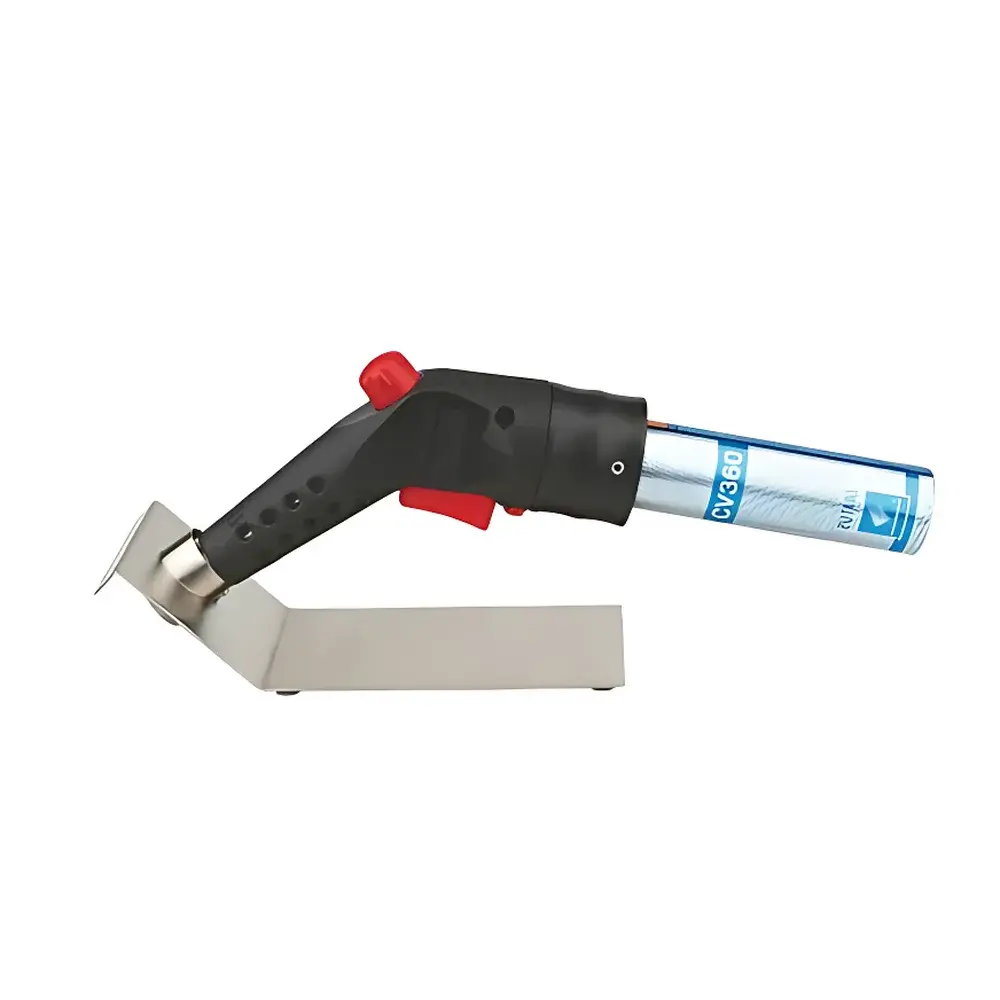
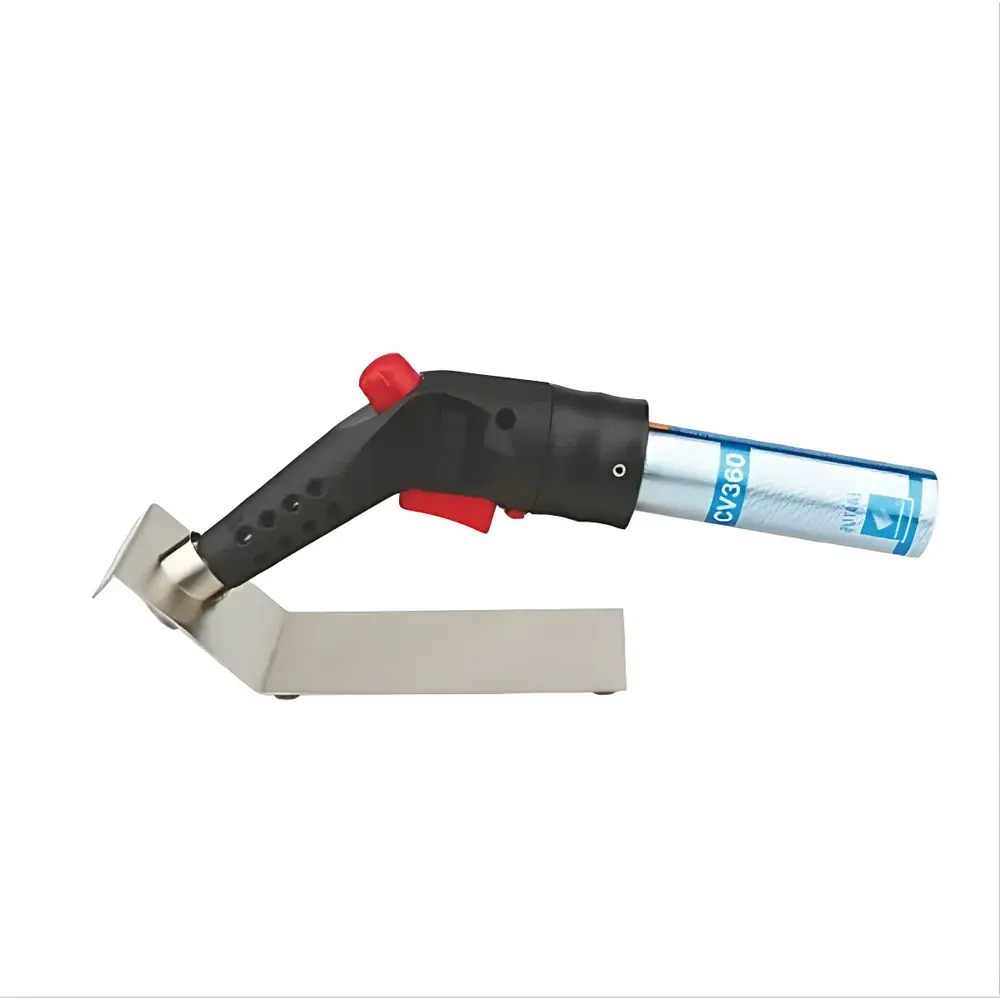
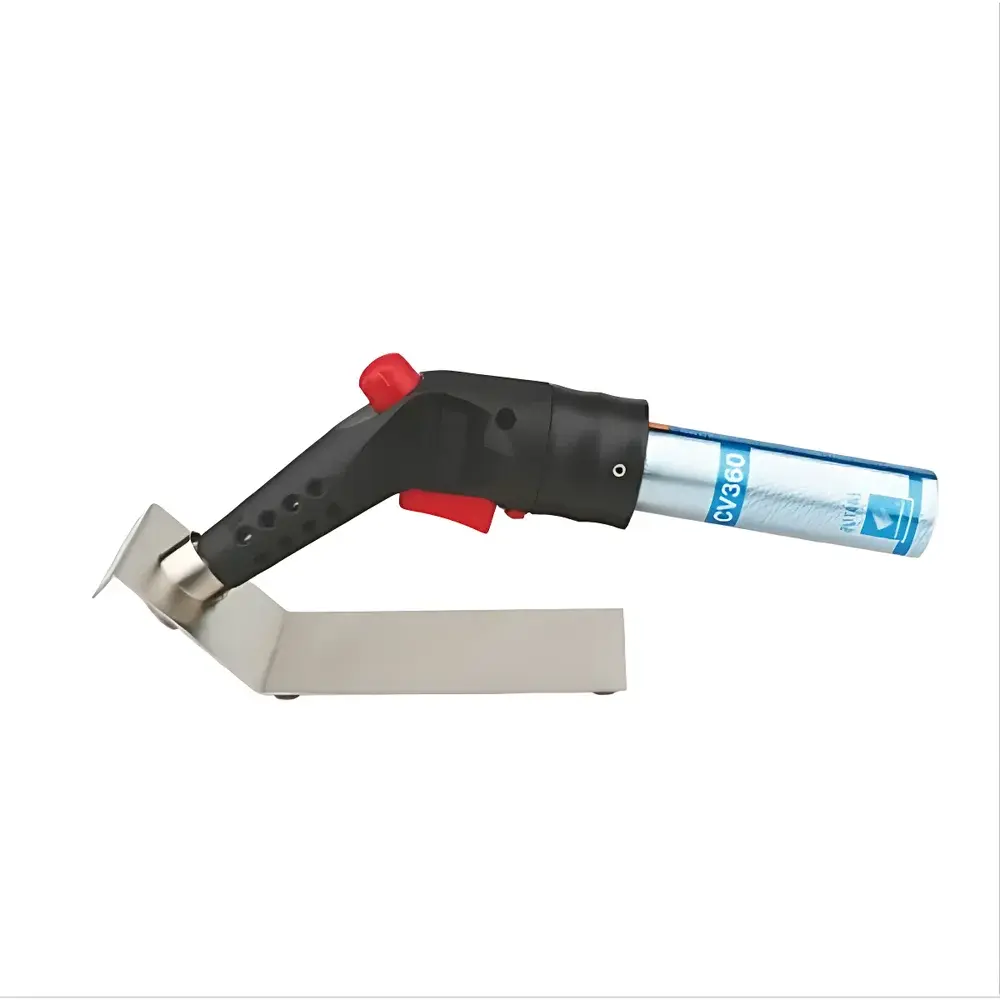
WIGGENS Powerjet 2 Handheld Bunsen Burner
| Brand | WIGGENS |
|---|---|
| Origin | Germany |
| Model | Powerjet 2 |
| Fuel Types | Liquefied Petroleum Gas (LPG), Natural Gas |
| Gas Consumption | 0.13 kg/h |
| Max Flame Temperature | 1350 °C (LPG), 1300 °C (Natural Gas) |
| Power Output | 1.7 kW (LPG), 1.0 kW (Natural Gas) |
| Dimensions | 150 mm (W) × 210 mm (H) |
| Weight | 500 g |
Overview
The WIGGENS Powerjet 2 Handheld Bunsen Burner is a precision-engineered, portable gas combustion device designed for controlled high-temperature thermal applications in laboratory, microbiological, and educational environments. Operating on the principle of premixed gas-air combustion—where fuel and oxidizer are homogeneously blended prior to ignition—the Powerjet 2 delivers a stable, laminar, non-luminous blue flame ideal for flame sterilization, glassworking, sample charring, and localized heating tasks. Its compact handheld architecture integrates ergonomic handling with industrial-grade thermal performance, achieving up to 1350 °C using LPG and 1300 °C with natural gas—temperatures sufficient to incinerate microbial contaminants including spores and biofilms on inoculation loops, forceps, and other heat-tolerant lab tools. Unlike traditional fixed-position Bunsen burners, the Powerjet 2 enables dynamic, operator-directed flame placement without bench-mounted infrastructure, enhancing workflow flexibility in biosafety cabinets, laminar flow hoods, and field-deployable setups.
Key Features
- Piezoelectric ignition system: One-button press initiates simultaneous gas flow and spark generation—no external ignition source required.
- Adjustable flame control: Precision-machined rotary valve allows continuous, repeatable modulation of flame height and thermal intensity.
- Integrated flame lock mechanism: Rotating knob can be physically secured to maintain constant gas flow during extended operation—critical for prolonged sterilization cycles or multi-step heating protocols.
- Dual-fuel compatibility: Factory-calibrated for both LPG (e.g., Campingaz CV360 cartridges) and pipeline natural gas, with interchangeable nozzles included (06 for propane/butane, 08 for natural gas).
- Robust stainless-steel construction: Corrosion-resistant body and support bracket ensure long-term reliability under repeated thermal cycling and routine disinfection protocols.
- Low gas consumption: Rated at 0.13 kg/h—optimized for energy efficiency while maintaining peak thermal output and flame stability.
Sample Compatibility & Compliance
The Powerjet 2 is routinely deployed in aseptic technique workflows compliant with ISO 14644-1 (cleanroom classification), CLSI M29-A4 (microbiological procedures), and USP (compounding sterile preparations). It is suitable for sterilizing metal instruments (e.g., platinum loops, scalpel handles), sealing glass ampoules, and performing flame-based surface decontamination of workbenches and equipment surfaces. The burner meets EN 13861:2002 (gas appliances for laboratory use) and carries CE marking for conformity with EU Machinery Directive 2006/42/EC and Gas Appliances Regulation (EU) 2016/426. No regulatory certification is required for standalone use; however, integration into GLP/GMP-controlled processes necessitates documented calibration of flame temperature consistency (e.g., via pyrometric verification at defined gas pressures) and inclusion in instrument qualification records.
Software & Data Management
As a purely mechanical, analog gas appliance, the Powerjet 2 does not incorporate embedded electronics, firmware, or digital interfaces. Consequently, it requires no software installation, firmware updates, or data logging capabilities. This design eliminates cybersecurity vulnerabilities, electromagnetic interference concerns, and validation overhead associated with electronic controls—making it inherently compatible with ISO/IEC 17025-accredited laboratories where audit trails for manual instrumentation are limited to operator logs and maintenance records. Users may document operational parameters (e.g., fuel type, pressure setting, duration of use) in paper-based or LIMS-integrated logbooks per institutional SOPs.
Applications
- Flame sterilization of microbiological inoculation tools in BSL-1 and BSL-2 laboratories.
- Thermal sealing of glass vials and ampoules in pharmaceutical stability testing.
- Localized annealing of quartz and borosilicate glass components during fabrication.
- Rapid dehydration and carbonization of biological tissue samples prior to elemental analysis.
- Field-based sterilization in mobile diagnostic units and veterinary outreach programs.
- Educational demonstrations of stoichiometric combustion, flame chemistry, and thermal conductivity principles.
FAQ
Is the Powerjet 2 compatible with standard laboratory gas lines?
Yes—when used with natural gas, it connects directly to regulated building supply lines via the included 08 nozzle and standard ½” NPT fittings.
Can the burner be used inside a biosafety cabinet?
It is approved for use in Class II A2 and B2 cabinets provided local safety policies permit open-flame devices and adequate exhaust capacity is verified (minimum 75% face velocity retention post-ignition).
What maintenance is required to ensure consistent flame performance?
Monthly inspection of nozzle orifices for carbon buildup, quarterly cleaning with compressed air or fine-gauge wire, and annual verification of piezoelectric spark gap alignment per WIGGENS Service Bulletin LB-2023-04.
Does the device meet FDA 21 CFR Part 11 requirements?
Not applicable—Part 11 governs electronic records and signatures; the Powerjet 2 operates without digital data capture or storage functionality.
Is calibration traceable to national standards?
While the burner itself is not calibrated, flame temperature verification can be performed using NIST-traceable thermocouples or infrared pyrometers per ASTM E2361–22, with results documented in lab-specific instrument logs.



