
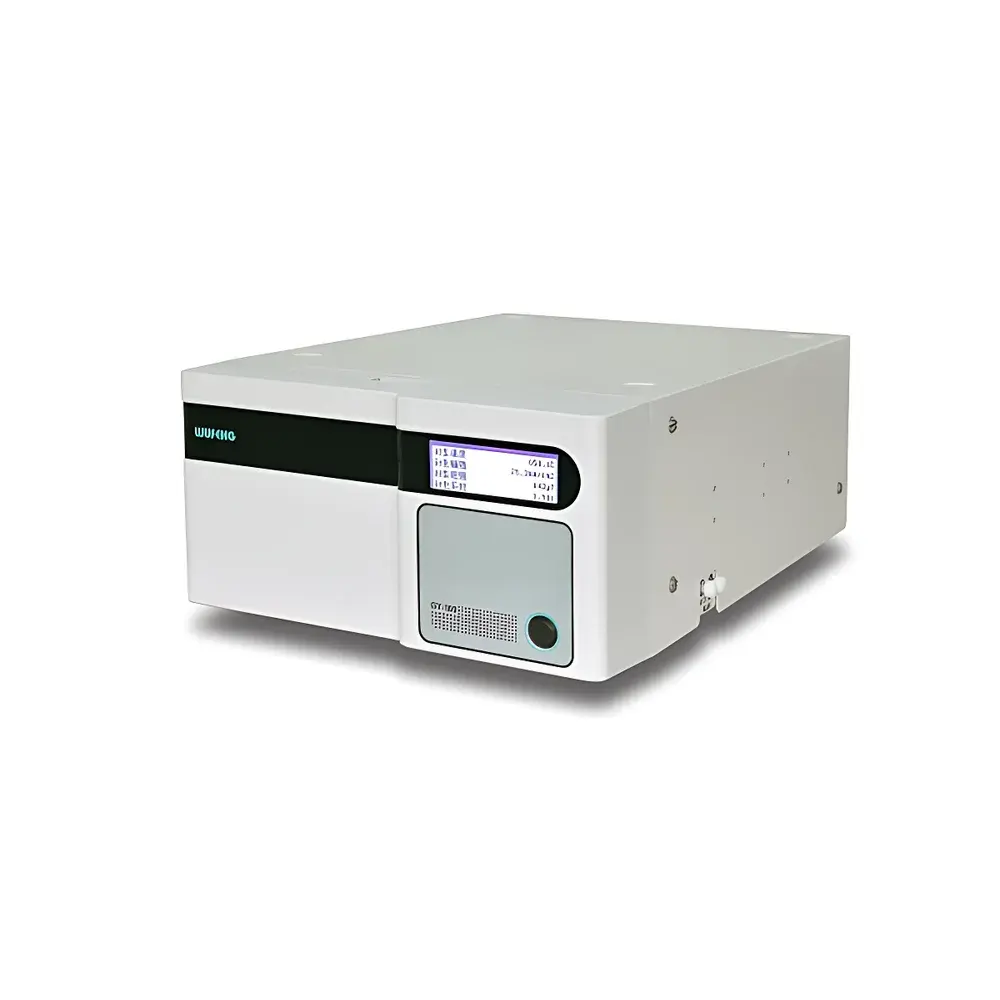
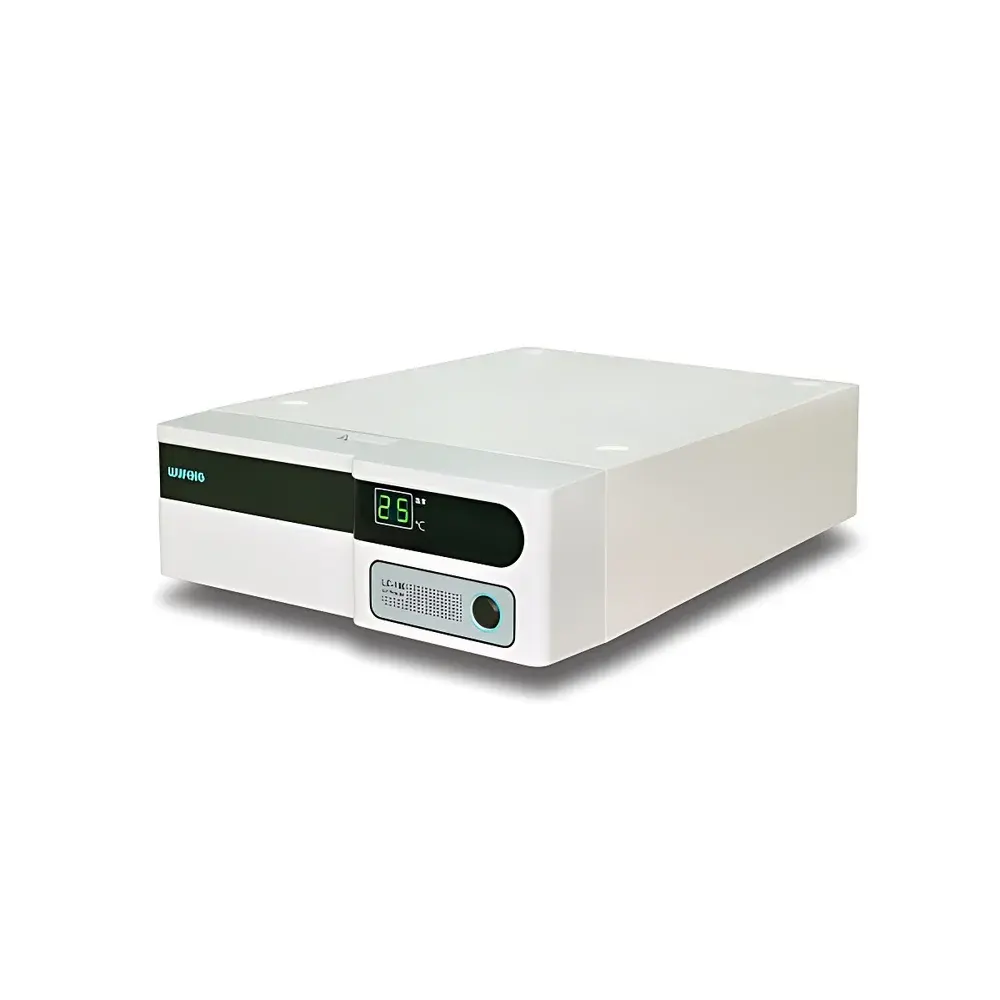
Wufeng LC-100 UV Post-Column Photochemical Derivatization Reactor
| Brand | Wufeng |
|---|---|
| Origin | Shanghai, China |
| Model | LC-100 UV Reactor |
| Reaction Tubing | High-Pressure PTFE Capillary |
| Compliance | Chinese Pharmacopoeia 2020, AOAC 2005.08 / 2008.02 / Aa 11-05, Taiwan FDA Notice No. 0981800370, European Pharmacopoeia 2.8.18 |
| UV Lamp | Long-Life Imported OEM UV Lamp (254 nm), Digitally Displayed Irradiance Intensity |
| Housing Material | Chemically Inert, High-Transparency Polymer Coil Support Frame |
| Regulatory Context | Designed for GLP-compliant laboratories |
Overview
The Wufeng LC-100 UV Post-Column Photochemical Derivatization Reactor is an engineered subsystem designed for integration with high-performance liquid chromatography (HPLC) platforms to enable on-line photochemical derivatization prior to fluorescence detection. It operates on the principle of controlled ultraviolet irradiation (254 nm) of eluting analytes within a precisely dimensioned, chemically inert PTFE reaction coil. This photolytic activation induces structural modification—specifically, the conversion of non-fluorescent or weakly fluorescent mycotoxins such as aflatoxin B₁ and G₁ into highly fluorescent derivatives—thereby enhancing detection sensitivity and selectivity by up to two orders of magnitude. The reactor is not a standalone analytical instrument but a mission-critical accessory in regulated quantitative workflows where low-level mycotoxin analysis is required under pharmacopeial or food safety mandates.
Key Features
- Optimized photochemical efficiency: Integrated OEM long-life UV lamp (254 nm) with real-time digital irradiance monitoring ensures consistent photon flux delivery across operational lifetime.
- Chemically resistant flow path: High-pressure PTFE capillary tubing (ID ≤ 0.25 mm, length ≥ 1.5 m) wound into a precision-engineered coil geometry maximizes residence time under UV exposure while minimizing backpressure (< 20 bar at 1.0 mL/min).
- Regulatory-grade mechanical design: Lamp housing incorporates a certified on/off switch mechanism and thermal management system to prevent lamp overheating and spectral drift during extended operation.
- Inert support architecture: Reaction coil mount fabricated from high-transparency, UV-stable polymer with corrosion resistance to common HPLC mobile phases (e.g., aqueous acetonitrile, methanol, phosphate buffers).
- Modular integration: Standard 1/16″ stainless steel fittings and 0.12 mm ID PEEK union connectors ensure seamless coupling with major HPLC systems (Agilent, Waters, Shimadzu, Thermo) without dead volume or leakage risk.
Sample Compatibility & Compliance
The LC-100 reactor is validated for use in quantification of aflatoxins (B₁, B₂, G₁, G₂) and other UV-activatable analytes—including ochratoxin A and certain amino acid derivatives—in complex matrices such as cereal extracts, herbal decoctions, dairy products, and environmental water samples. Its performance aligns with multiple internationally recognized method standards: Chinese Pharmacopoeia Volume IV (2020 Edition), Section 2341; AOAC Official Methods of Analysis™ 2005.08 (Aflatoxins in Corn and Peanut Butter), 2008.02 (Aflatoxins in Feed), and Aa 11-05 (Liquid Chromatographic–Fluorescence Detection); Taiwan Food and Drug Administration Notice No. 0981800370; and European Pharmacopoeia Monograph 2.8.18 (Determination of Aflatoxins). All hardware components comply with ISO 9001:2015 manufacturing controls and are documented for inclusion in laboratory validation protocols (IQ/OQ/PQ).
Software & Data Management
While the LC-100 reactor itself contains no embedded firmware or software, its operational parameters—including lamp activation timing, irradiation duration, and flow rate synchronization—are fully controllable via external HPLC system software (e.g., OpenLab CDS, Empower, LabSolutions). When deployed in GLP or GMP environments, it supports full electronic record integrity through synchronized timestamping of lamp status (on/off), pressure transducer readings (if externally monitored), and chromatographic event logs. Integration with 21 CFR Part 11–compliant data systems enables secure user authentication, audit trail generation, and electronic signature capture for all derivatization-related method execution records.
Applications
- Routine quality control of raw agricultural commodities (corn, peanuts, tree nuts, spices) for regulatory compliance with EU Commission Regulation (EC) No. 1881/2006 and US FDA Action Levels.
- Stability-indicating assay development for traditional Chinese medicine (TCM) formulations where aflatoxin contamination poses batch release risk.
- Environmental monitoring of irrigation water and soil extracts for mycotoxin carryover in food production chains.
- Method transfer between contract research organizations (CROs) and regulatory testing laboratories requiring identical photochemical activation conditions across instruments.
- Validation studies supporting ICH Q5C stability protocols where photochemical degradation pathways must be characterized under controlled irradiation.
FAQ
Does the LC-100 reactor require calibration or periodic lamp output verification?
Yes. Users must perform quarterly irradiance intensity verification using a NIST-traceable UV radiometer and document results as part of equipment qualification. Lamp replacement intervals are specified at 1,000 hours of cumulative operation.
Can the reactor be used with reversed-phase and HILIC columns interchangeably?
Yes—provided mobile phase composition remains compatible with PTFE tubing (pH 2–10, 0.1%) or halogenated solvents require compatibility testing.
Is the LC-100 compliant with FDA 21 CFR Part 11 for electronic records?
The reactor itself is hardware-only and does not generate electronic records. Full Part 11 compliance is achieved only when integrated with a validated chromatography data system that enforces access controls, audit trails, and electronic signatures.
What maintenance procedures are recommended for long-term reliability?
Daily visual inspection of PTFE tubing for kinking or discoloration; monthly cleaning of lamp quartz sleeve with isopropanol; annual verification of coil mounting integrity and electrical grounding continuity.
Does Wufeng provide installation qualification (IQ) documentation?
Yes—upon request, Wufeng supplies a standardized IQ protocol template, component traceability certificates, and factory test reports aligned with ISO/IEC 17025 requirements.





