
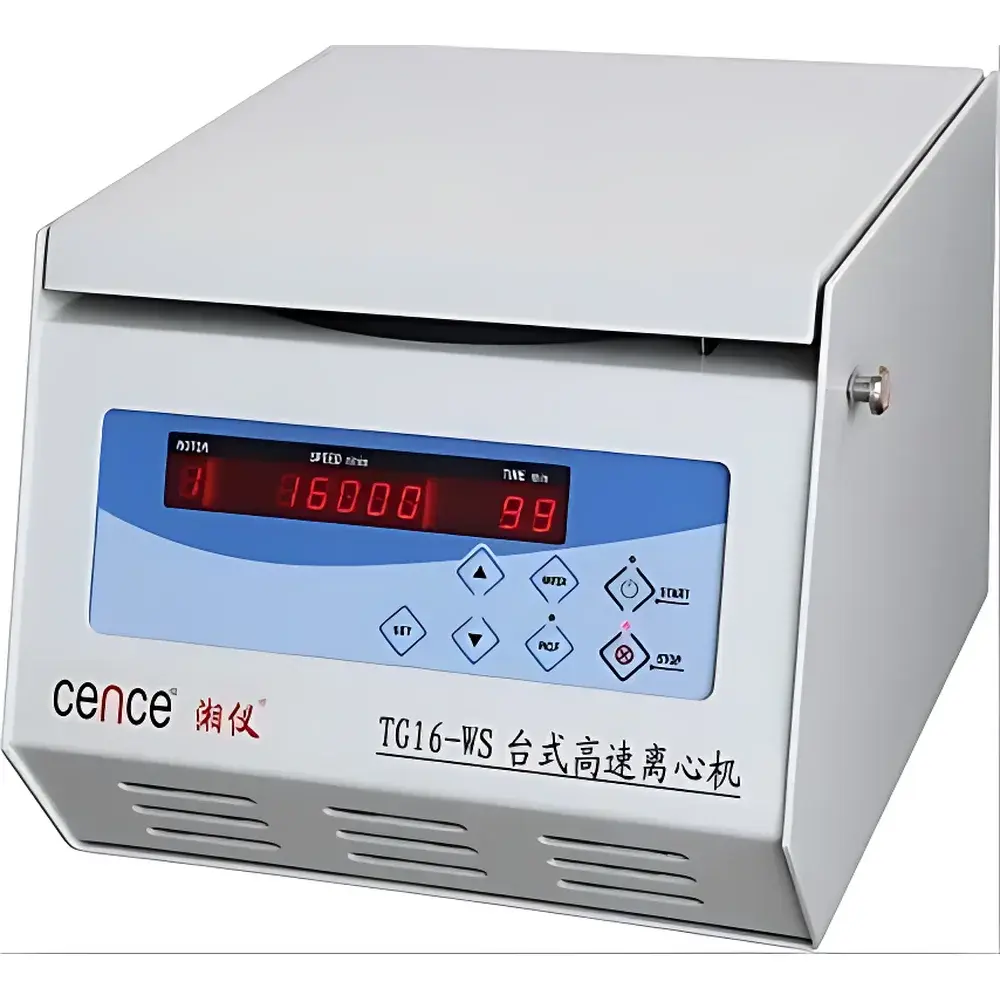
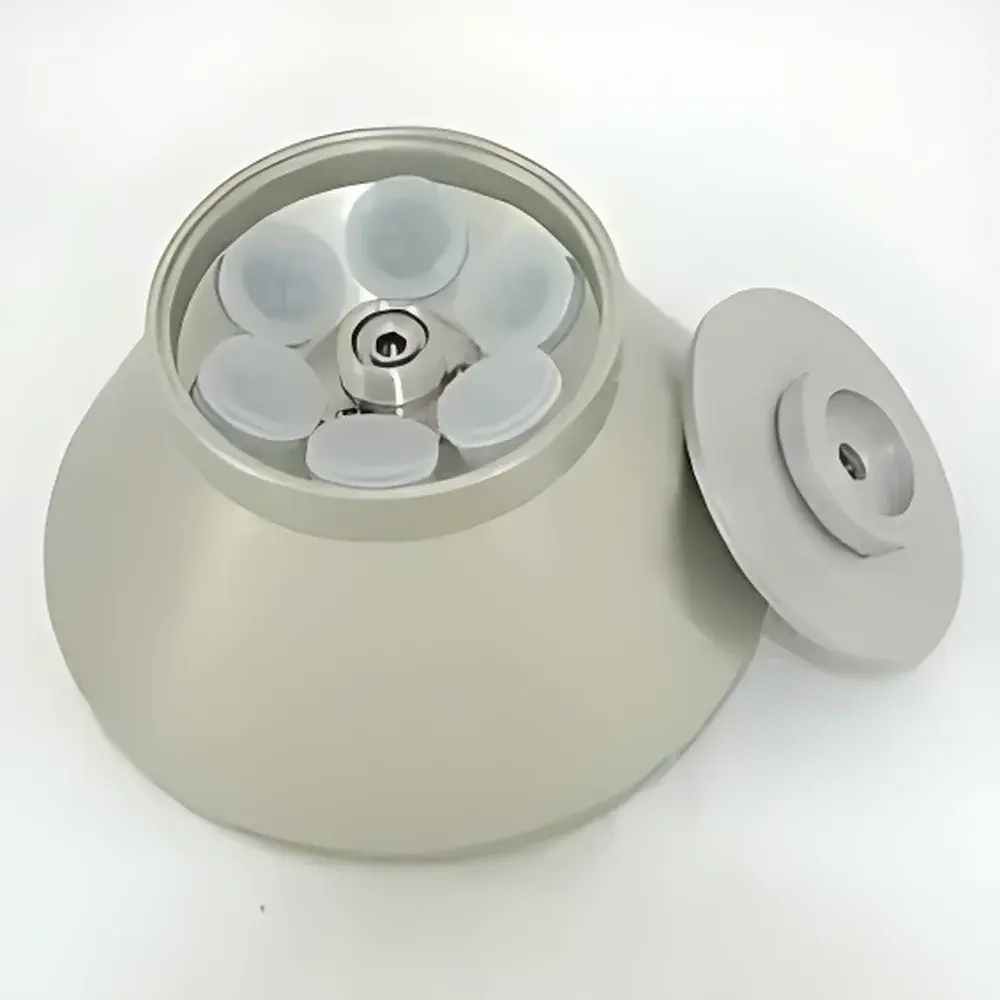
Xiangyi TG16-WS Benchtop High-Speed Centrifuge
| Brand | Xiangyi |
|---|---|
| Origin | Hunan, China |
| Manufacturer Type | Direct Manufacturer |
| Product Category | Domestic |
| Model | TG16-WS |
| Instrument Type | Benchtop Centrifuge |
| Speed Range | High-Speed (10,000–30,000 rpm) |
| Max. Speed | 16,000 rpm |
| Max. RCF | 21,532 × g |
| Max. Capacity | 6 × 50 mL |
| Drive System | Brushless DC Motor |
| Control Interface | Touch Panel with LED Display |
| Acceleration/Deceleration | 10 Adjustable Steps |
| Safety Features | Mechanical Door Lock, Real-Time Fault Detection (Overspeed, Rotor Imbalance, Speed Loss), Auto RCF Calculation |
| Dimensions (W×D×H) | 330 × 390 × 300 mm |
| Chamber Material | Stainless Steel |
| Construction | Full Steel Frame |
Overview
The Xiangyi TG16-WS Benchtop High-Speed Centrifuge is a rigorously engineered laboratory instrument designed for routine and demanding separation tasks in life science, materials research, and quality control laboratories. Operating on the principle of sedimentation under centrifugal force, the TG16-WS generates up to 21,532 × g at its maximum rotational speed of 16,000 rpm—enabling efficient pelleting of subcellular organelles, macromolecular complexes, nanoparticles, and precipitated analytes. Its compact benchtop footprint (330 × 390 × 300 mm) integrates high-performance mechanics with operational safety and user-centric control logic. Built around a brushless DC motor and full steel structural frame, the system delivers exceptional rotational stability, low vibration, and acoustic performance below 65 dB(A) at full speed—critical for shared lab environments and long-duration protocols.
Key Features
- Brushless DC motor drive ensures maintenance-free operation, precise speed regulation, and extended service life with minimal thermal drift.
- Stainless steel centrifuge chamber and fully welded steel chassis provide corrosion resistance, mechanical integrity, and compliance with ISO 13485-informed cleanability standards.
- Intuitive touch-panel interface with dual-mode LED display supports real-time monitoring of speed (rpm), relative centrifugal force (RCF), time, and acceleration/deceleration status.
- On-the-fly parameter adjustment: users may modify time, speed, or RCF during active runs without interrupting the rotor—eliminating unnecessary cycle restarts and improving workflow continuity.
- Dedicated RCF key enables instant conversion between rpm and ×g values based on selected rotor radius—supporting method reproducibility across instruments and labs.
- 10-step programmable acceleration and deceleration profiles allow optimization for shear-sensitive samples (e.g., exosomes, protein complexes) or rapid throughput applications.
- Mechanical door interlock system provides fail-safe lid closure verification; automatic rotor recognition is not supported, requiring manual selection of rotor type and max speed limits per run.
- Integrated self-diagnostic firmware continuously monitors rotor speed feedback, motor current, and lid status—triggering immediate deceleration and audible/visual alerts upon detection of overspeed, speed loss, or imbalance events.
Sample Compatibility & Compliance
The TG16-WS accommodates standard angle rotors with a maximum capacity of six 50 mL conical tubes (e.g., Falcon-style polypropylene or polycarbonate), as well as smaller formats including 15 mL, 10 mL, and 5 mL tubes using compatible adapters. It supports common laboratory tube materials (PP, PC, PETG) and is rated for use with aqueous buffers, organic solvents (e.g., ethanol, acetone), and mild detergent solutions—provided chemical compatibility is verified per manufacturer guidelines. While not certified to IEC 61010-2-020 (centrifuge-specific safety standard) or FDA 21 CFR Part 11 out-of-the-box, the instrument’s design aligns with general GLP/GMP environmental controls when operated within validated SOPs. Routine calibration of speed and timer accuracy is recommended per ISO/IEC 17025 Annex A.3 guidance for accredited testing laboratories.
Software & Data Management
The TG16-WS operates via embedded firmware without external PC dependency. All protocol parameters—including speed, time, RCF, acceleration/deceleration ramping, and run history—are stored in non-volatile memory for up to 100 program slots. The system logs timestamped run records (start time, end time, final speed, error codes) accessible via scroll navigation on the display. Though it lacks network connectivity or audit-trail functionality required for 21 CFR Part 11 compliance, its deterministic behavior, mechanical safety redundancy, and traceable parameter recall support documentation workflows in regulated environments when paired with lab notebook entries or LIMS-integrated manual logging.
Applications
- Cell fractionation: isolation of nuclei, mitochondria, lysosomes, and microsomes from mammalian, plant, or microbial lysates.
- Nucleic acid purification: pelleting of plasmid DNA, genomic DNA, or RNA after phenol-chloroform extraction or silica-column binding steps.
- Protein biochemistry: clarification of cell lysates prior to chromatography; recovery of inclusion bodies or membrane fractions.
- Nanomaterial processing: size-based separation of metallic nanoparticles, quantum dots, or polymer micelles in dispersion media.
- Clinical diagnostics: serum/plasma separation from whole blood; preparation of PBMCs or platelet-rich plasma (PRP).
- Materials science: density gradient centrifugation of colloidal suspensions or polymer blends for phase analysis.
FAQ
What rotor types are compatible with the TG16-WS?
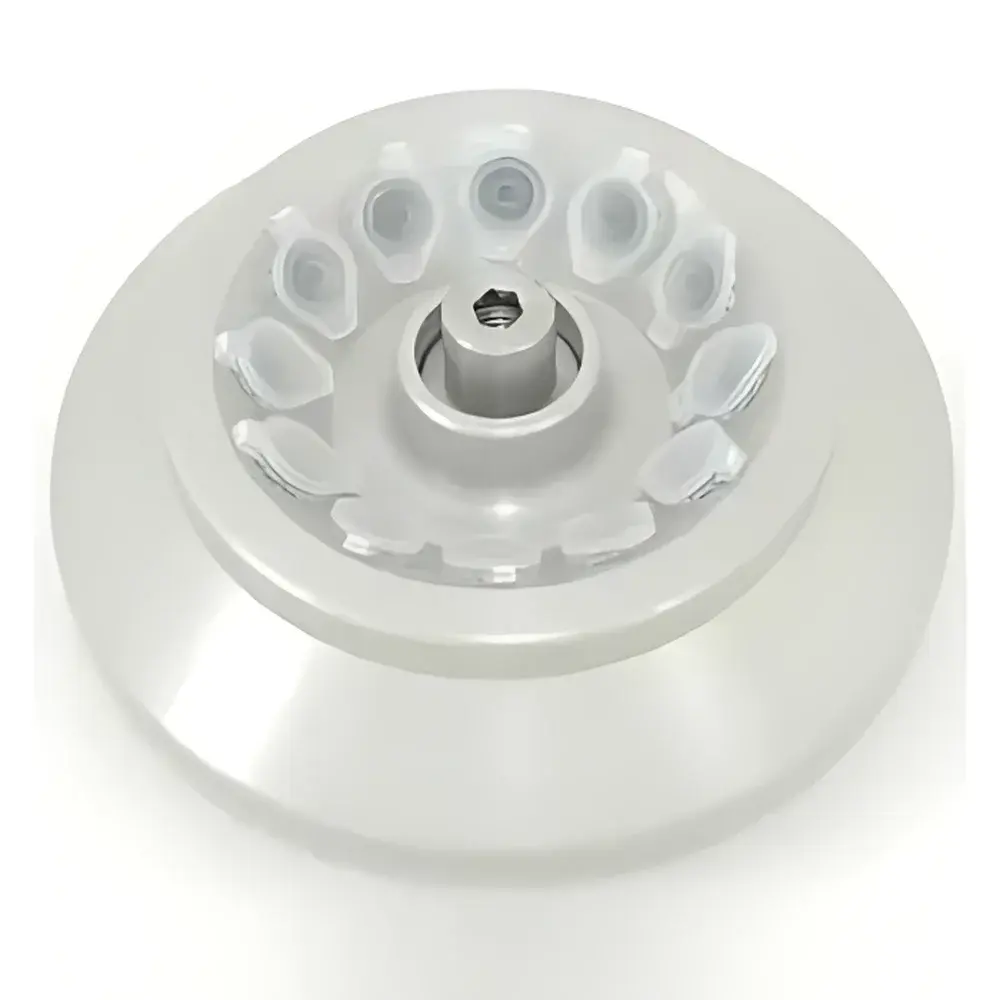
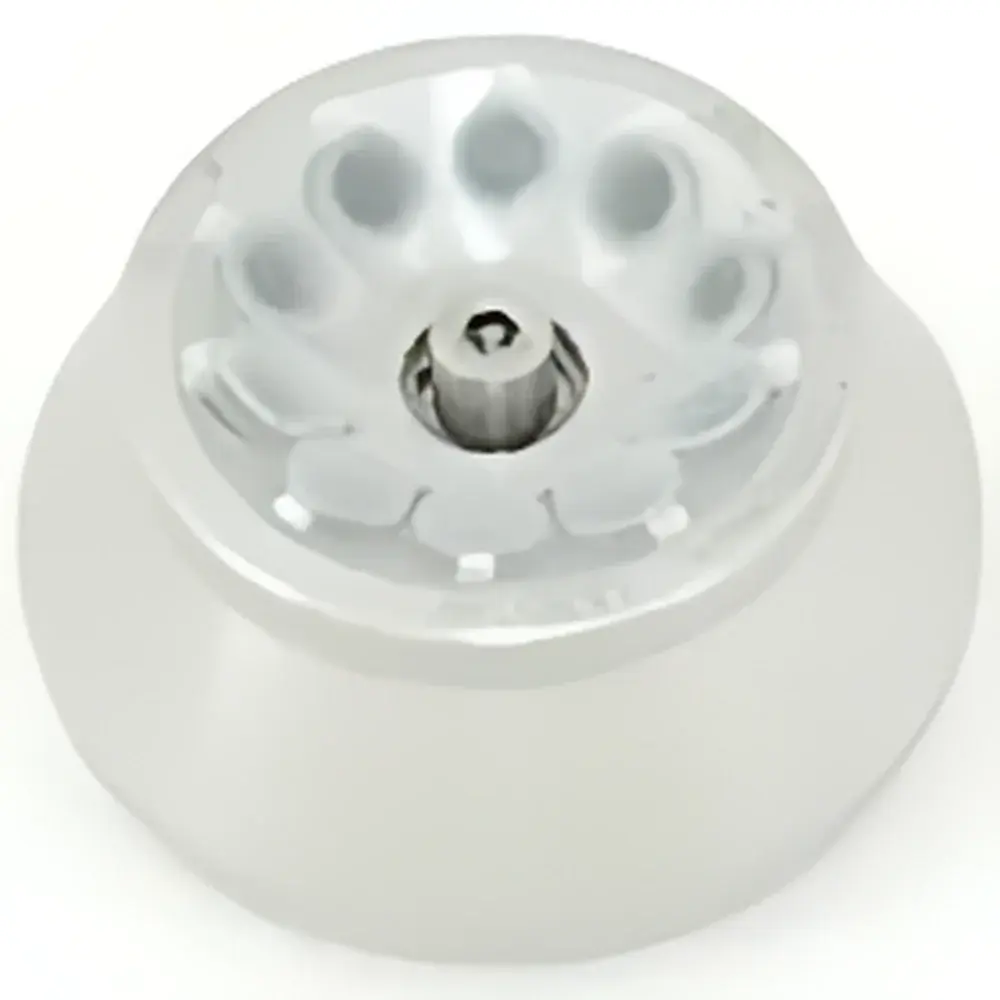
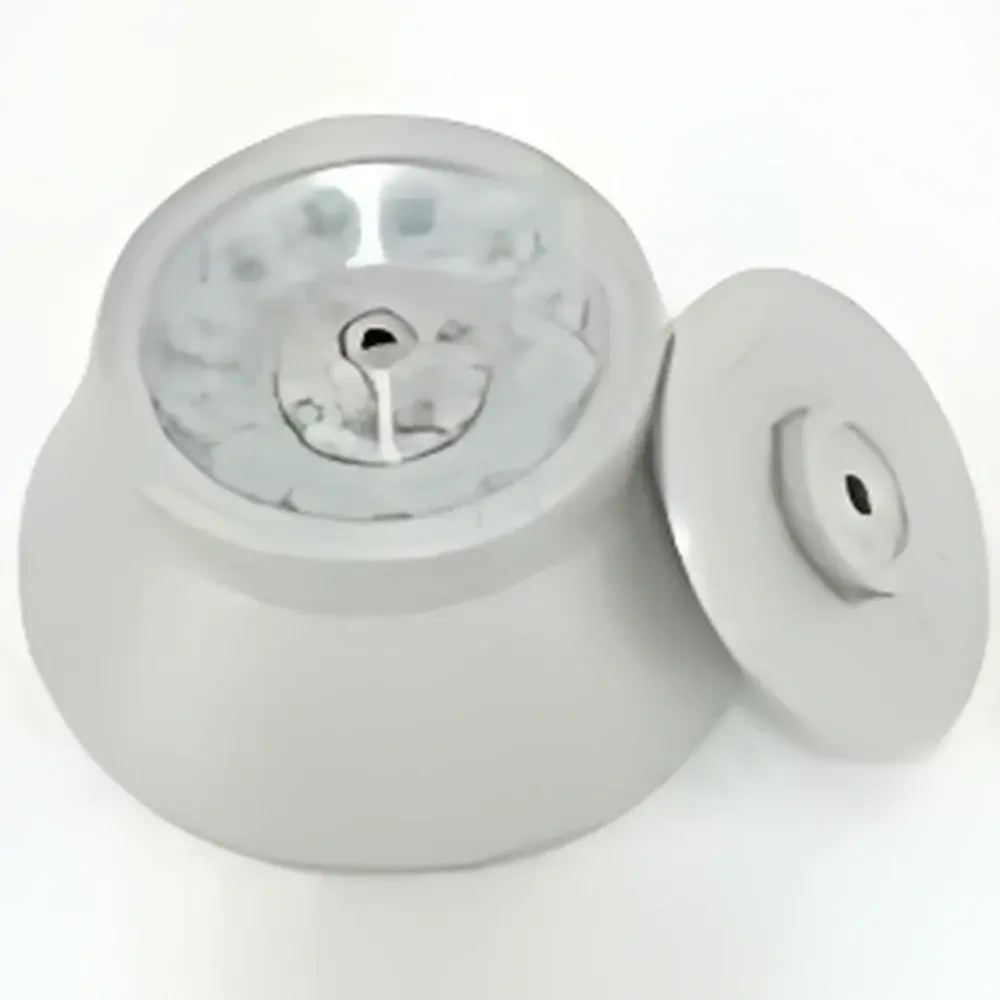
The TG16-WS is configured for fixed-angle rotors only. Standard configurations include a 6 × 50 mL aluminum rotor (part no. XA-TG16-50A); optional 12 × 15 mL and 24 × 1.5/2.0 mL rotors are available through Xiangyi’s accessory catalog.
Does the instrument support refrigeration?
No—the TG16-WS is a non-refrigerated model. Ambient temperature operation is recommended; users requiring temperature control should consider the TG16R series or equivalent cooled variants.
Is rotor imbalance detection automated?
Yes—the system continuously analyzes motor load and rotational harmonics during acceleration and steady-state operation. Excessive vibration triggers immediate deceleration and displays an “Imbalance” error code.
Can I export run data to a computer?
Data export is not supported natively. Run history and parameters must be manually recorded or photographed via the front-panel display.
What maintenance intervals are recommended?
Brushless motor requires no scheduled maintenance. Annual inspection of door latch mechanism, chamber cleanliness, and calibration of speed/time accuracy using NIST-traceable tachometer is advised.



