
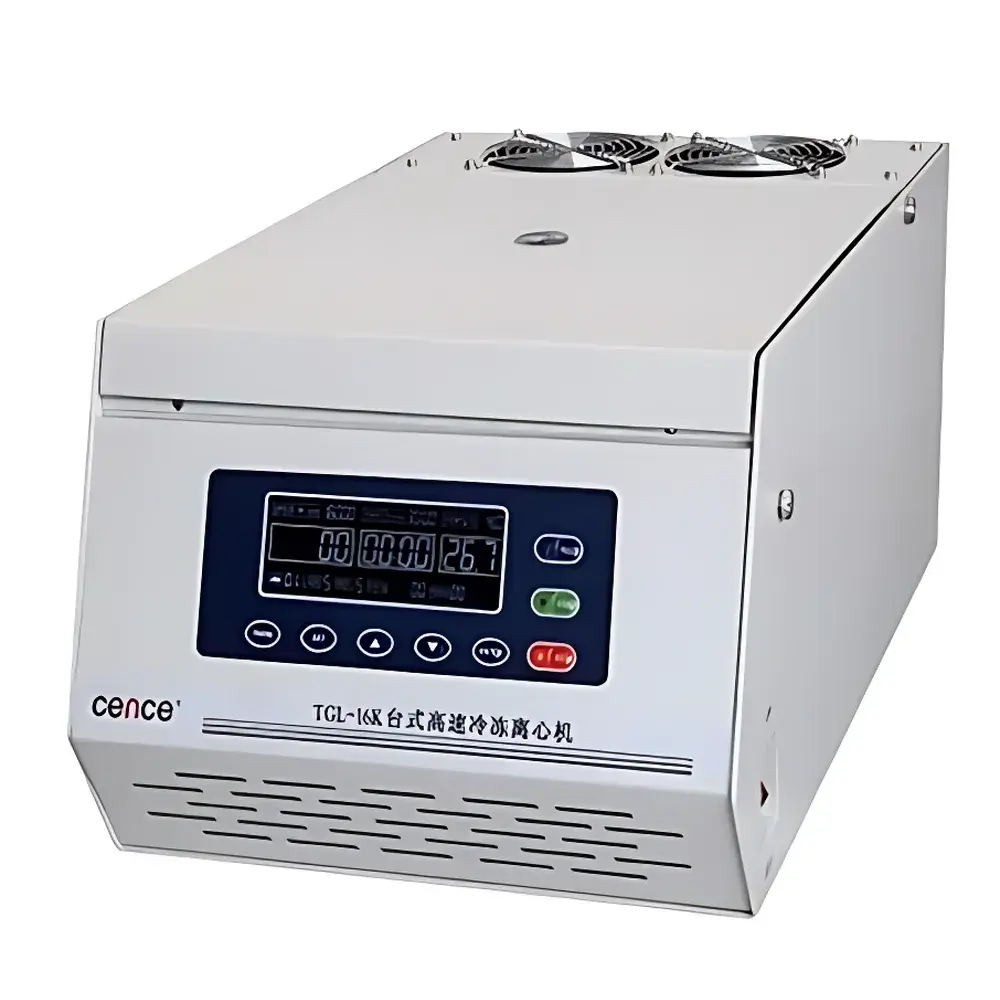
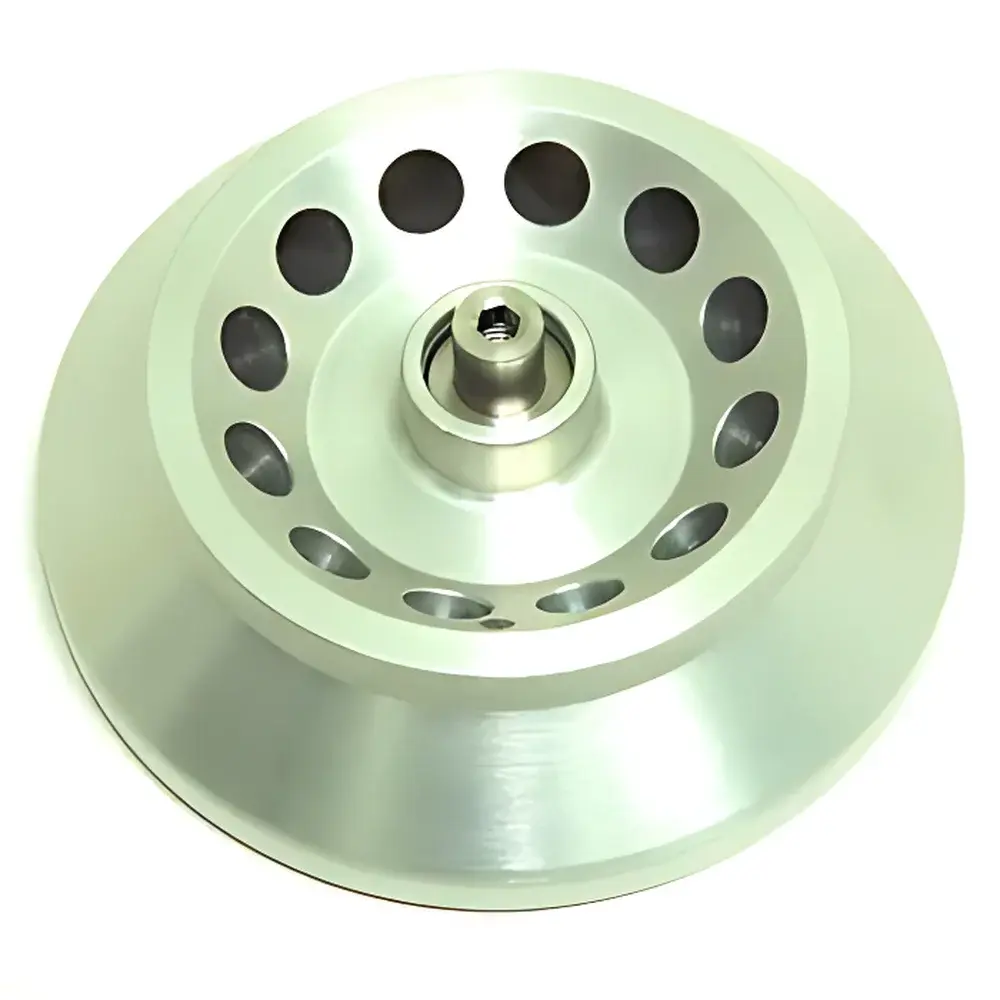
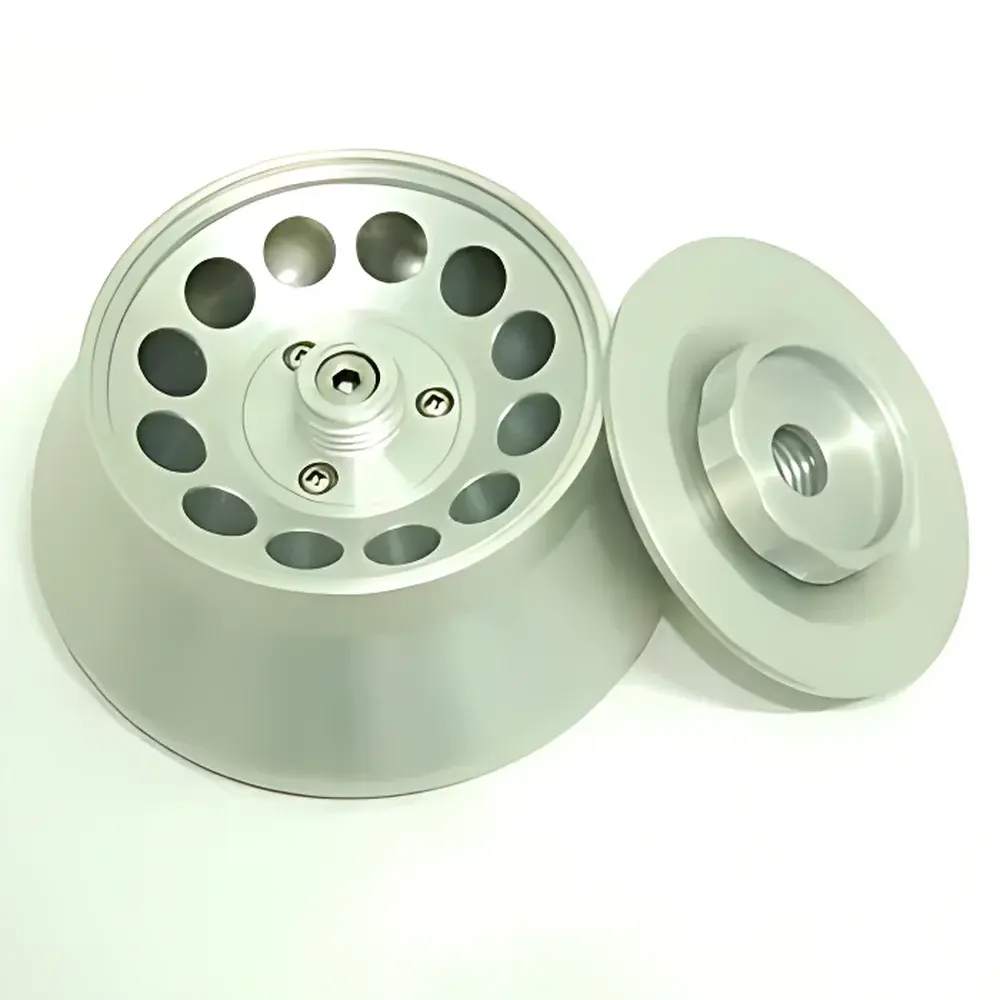
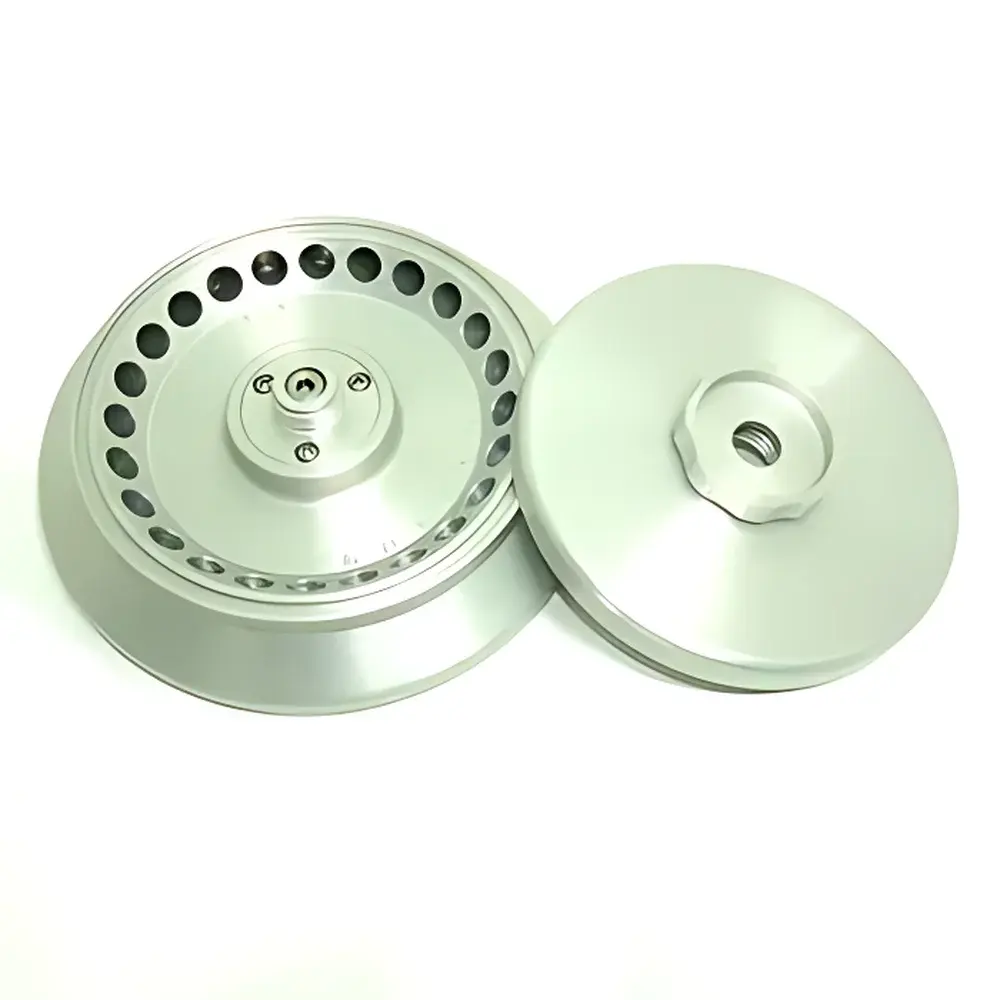
Xiangyi TGL-16K Benchtop High-Speed Refrigerated Centrifuge
| Brand | Xiangyi |
|---|---|
| Origin | Hunan, China |
| Manufacturer Type | Direct Manufacturer |
| Instrument Type | Benchtop Centrifuge |
| Speed Range | High-Speed (10,000–30,000 rpm) |
| Function | Refrigerated Centrifuge |
| Configuration | Fixed-Angle Rotor |
| Separation Level | Cellular & Bacterial |
| Maximum Capacity | 12 × 5 mL |
| Maximum Speed | 16,000 rpm |
| Maximum RCF | 21,532 × g |
| Dimensions (L×W×H) | 350 × 630 × 300 mm |
| Weight | 65 kg |
| Temperature Range | –20 °C to +40 °C |
| Temperature Accuracy | ±1 °C |
| Refrigerant | R134a |
| Noise Level | ≤57 dB(A) |
| Power Supply | AC 220 V ±22 V, 50 Hz, 10 A |
| Power Consumption | 700 W |
| Acceleration Time | ≤25 s (0–16,000 rpm) |
| Deceleration Stages | 10-step programmable |
| Timer Range | 1–99 min |
| Rotor Identification | Auto-detect via rotor code |
| Safety Features | Electronic lid lock, overspeed protection, rotor imbalance detection, real-time temperature monitoring, door-open emergency stop |
| Compliance | Designed in accordance with IEC 61010-2-020 (Safety Requirements for Centrifuges), ISO 13485 principles for medical device manufacturing environments |
Overview
The Xiangyi TGL-16K Benchtop High-Speed Refrigerated Centrifuge is an engineered solution for laboratories requiring precise, reproducible separation of biological suspensions under controlled thermal conditions. Operating on the principle of sedimentation force generation via high-speed rotational motion, the instrument applies centrifugal acceleration up to 21,532 × g to separate particles based on density, size, and shape—enabling efficient isolation of cells, bacteria, subcellular organelles, and macromolecular complexes. Its compact footprint (350 × 630 × 300 mm) and robust stainless-steel chamber support integration into space-constrained biosafety cabinets or shared core facilities. The unit integrates a high-efficiency imported R134a refrigeration system capable of maintaining sample temperatures at ≤4 °C even at maximum rotational speed (16,000 rpm), ensuring thermolabile integrity during extended runs.
Key Features
- Brushless DC motor drive ensures low-vibration operation, extended service life, and silent performance (≤57 dB[A] at full speed).
- Intuitive touch-panel interface with large backlit LCD displays real-time parameters including RPM, RCF, elapsed time, remaining time, temperature, and fault codes.
- Dynamic parameter adjustment: users may modify speed, time, or temperature during active runs without interrupting the cycle.
- Automatic RCF calculation synchronized with speed input; eliminates manual conversion errors and supports method standardization across instruments.
- Dedicated “short-spin” momentary key enables rapid pelleting for quick checks or pilot separations.
- 10-stage programmable acceleration/deceleration profiles allow optimization for sensitive samples—e.g., gentle deceleration prevents resuspension of fragile pellets.
- 15 user-defined program slots support repeatable workflows across shifts or operators; each stores rotor ID, speed, time, temperature, and brake profile.
- Electronically interlocked lid mechanism prevents operation unless fully closed and verified; automatically halts rotation upon lid opening during run.
- Comprehensive self-diagnostic system continuously monitors rotor integrity, temperature stability, speed deviation, and mechanical load—triggering immediate ramp-down and audible/visual alerts upon anomaly detection.
Sample Compatibility & Compliance
The TGL-16K accommodates a broad range of fixed-angle rotors (including six standard configurations supporting volumes from 0.2 mL PCR strips to 5 mL tubes), all certified for use at rated speeds and RCF values per ISO 21501-4 and manufacturer-specified fatigue limits. Rotors are precision-balanced and laser-marked for traceability. The centrifuge meets IEC 61010-2-020 safety requirements for laboratory centrifuges and incorporates design elements aligned with GLP/GMP documentation needs—including audit-ready error logs, timestamped event records, and non-volatile memory retention. While not FDA 21 CFR Part 11–validated out-of-the-box, its architecture supports integration into compliant workflows when paired with validated LIMS or ELN systems.
Software & Data Management
No proprietary PC software is bundled; however, the embedded firmware logs all operational events—including start/stop timestamps, setpoints, actual values, warnings, and shutdown triggers—in non-erasable internal memory. Data export is supported via USB port (optional external storage) for post-run review. All rotor-specific calibration data—including max RCF, angular offset, and thermal drift coefficients—are factory-programmed and verified against NIST-traceable standards. Firmware updates are delivered via encrypted USB firmware packages, preserving configuration integrity and version control.
Applications
- Microbial pellet recovery from liquid cultures (E. coli, yeast, Bacillus spp.) at 12,000–16,000 rpm.
- Preparative isolation of mammalian cell nuclei, mitochondria, and lysosomes using differential centrifugation protocols.
- Clarification of crude lysates prior to chromatography or electrophoresis.
- Concentration of viral vectors, exosomes, or antibody fragments in bioprocessing development.
- Routine blood fractionation (serum/plasma separation) in clinical research settings.
- PCR product cleanup and enzymatic reaction termination via rapid spin-down of resin-bound complexes.
FAQ
What is the minimum operating temperature at maximum speed?
At 16,000 rpm, the refrigeration system maintains chamber temperature at ≤4 °C when ambient conditions are ≤25 °C and relative humidity <70%.
Can the TGL-16K accommodate swing-bucket rotors?
No—the TGL-16K is configured exclusively for fixed-angle rotors. Swing-bucket compatibility is not supported due to mechanical and thermal design constraints.
Is rotor No.3 (24 × 1.5/2.2 mL) certified for 15,000 rpm and 21,532 × g?
Yes—rotor No.3 is individually balanced and certified to operate at its rated maximum speed and RCF, as documented in the included Certificate of Conformance.
Does the instrument support remote monitoring or network connectivity?
No native Ethernet or Wi-Fi interface is provided; however, USB-based data retrieval enables integration with local lab networks via host PC scripting.
How frequently should preventive maintenance be performed?
Xiangyi recommends biannual inspection of refrigerant pressure, compressor function, rotor seating integrity, and electronic lock calibration—per the Maintenance Schedule in the Operator Manual (Document No. TGL-16K-MAN-REV3).



