
Xiatech YT-TC Transient Hot-Wire Thermal Conductivity Testing Service
| Brand | Xiatech |
|---|---|
| Origin | Shaanxi, China |
| Manufacturer Type | Authorized Distributor |
| Country of Origin | China |
| Model | YT-TC |
| Quotation | Upon Request |
| Service Experience | Certified Thermal Conductivity Testing Laboratory |
| Accuracy | ±2–3% |
| Measurement Range | 0.0005–5.0 W/(m·K) |
| Temperature Range | −30 °C to 250 °C |
| Pressure Range | 0.1–15 MPa |
| Method | Transient Hot-Wire (THW) |
| Reference Standard | ASTM D2717-05 |
| Sample Volume Requirement | ≥30 mL |
Overview
The Xiatech YT-TC Transient Hot-Wire Thermal Conductivity Testing Service delivers precise, traceable thermal conductivity measurements for liquids and gases under controlled temperature and pressure conditions. Engineered for research laboratories, material development centers, and industrial R&D departments, this service employs the transient hot-wire (THW) method—a primary measurement technique recognized for its high accuracy, minimal sample perturbation, and direct determination of thermal conductivity without calibration against reference fluids. The THW principle relies on monitoring the time-dependent temperature rise of a thin, electrically heated wire immersed in the test medium; thermal conductivity is derived from the slope of the logarithmic plot of temperature versus time during the transient phase. This method is particularly well-suited for low-viscosity and moderately viscous fluids, including nanofluids, refrigerants, heat transfer oils, and ionic liquids—where conventional guarded-hot-plate or laser-flash techniques are impractical or inaccurate.
Key Features
- High-accuracy thermal conductivity determination with certified uncertainty of ±2–3% (k = 2), validated against NIST-traceable reference fluids.
- Wide operational envelope: temperature range from −30 °C to 250 °C and pressure up to 15 MPa—enabling characterization under realistic process or thermodynamic conditions.
- Minimal sample requirement: only ≥30 mL per test condition, supporting early-stage formulation screening and scarce-sample evaluation.
- Dual-phase capability: validated protocols for both liquid and gaseous samples—including pure components and binary/multicomponent mixtures.
- Instrumentation calibrated and maintained in accordance with ISO/IEC 17025:2017 requirements for testing laboratories.
- Full metrological traceability documented in each test report, including environmental monitoring logs, sensor drift verification, and raw transient voltage-time data upon request.
Sample Compatibility & Compliance
The YT-TC service accommodates a broad spectrum of industrially relevant fluid systems. Liquid test categories include nanofluids (e.g., Al₂O₃, Fe₃O₄, ZrO₂, and graphene-based dispersions), organic coolants (ethylene glycol, glycerol, diethyl ether), refrigerants (R134a, R12, R22, R123, dimethyl ether), hydrocarbon-based oils (heat transfer oils, gasoline, diesel, lubricants, silicone oils), viscous media (concentrated solvents, fruit juices, milk emulsions), and chemical reagents (water, toluene, alcohols, ionic liquids). Gaseous samples include air, CH₄, N₂, CO₂, CO, and refrigerant vapors. All measurements comply with ASTM D2717-05 (“Standard Test Method for Thermal Conductivity of Liquids”) and align with supplementary guidance from ISO 10893-13 and IEC 60247 for dielectric fluid characterization. For regulated environments (e.g., pharmaceutical excipient qualification or energy-grade fluid certification), reports can be generated with GLP-compliant metadata, including analyst signatures, instrument ID, calibration certificate references, and audit-ready timestamps.
Software & Data Management
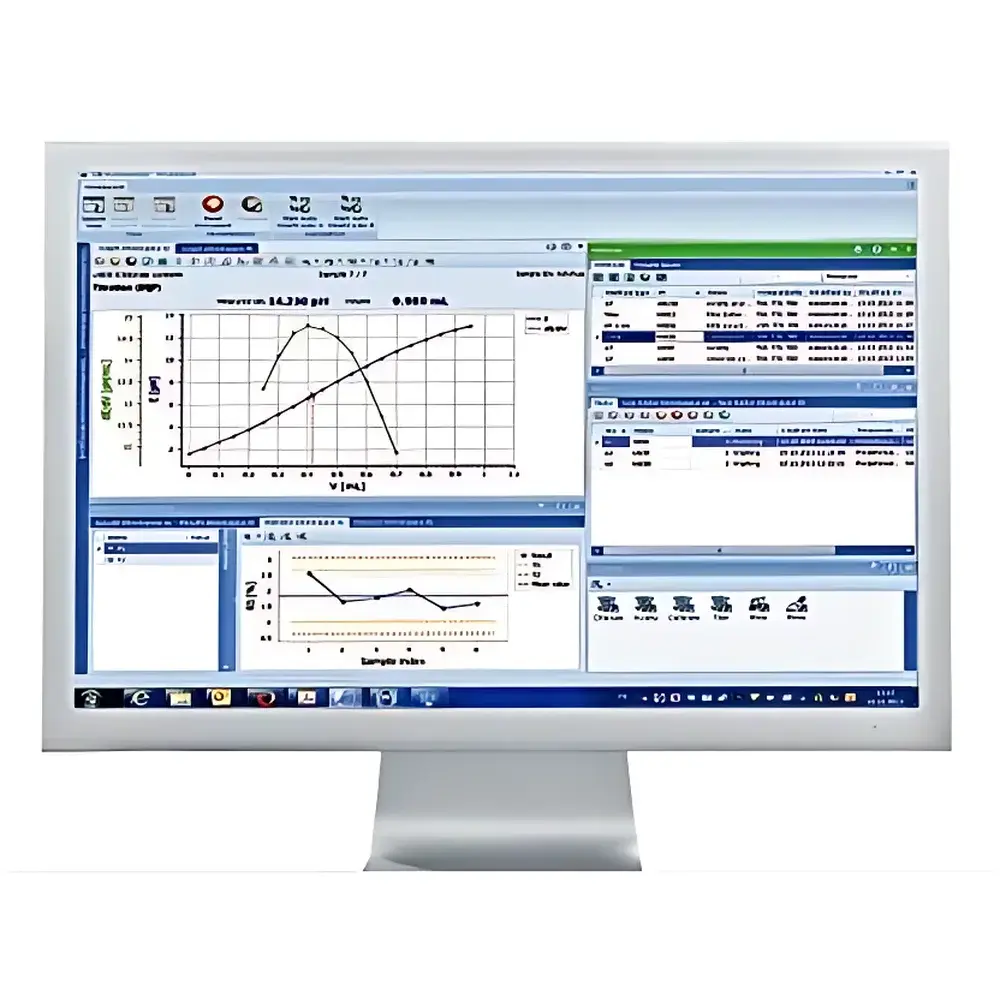
Data acquisition and analysis are performed using proprietary THW control software developed and validated by Xiatech. The system records voltage, current, and thermistor-resolved wire temperature at ≥10 kHz sampling rate during the 1–10 s transient window. Post-processing applies rigorous curve-fitting algorithms based on the infinite-line-source solution of Fourier’s heat conduction equation, automatically rejecting outliers caused by convection onset or electrical noise. Final reports include thermal conductivity values at specified T–p states, expanded uncertainty budgets (coverage factor k = 2), repeatability statistics (n ≥ 3 replicates per condition), and optional derivative outputs such as thermal diffusivity and specific heat (when density and Cp data are provided). Raw datasets and analysis scripts are archived for ≥10 years and available upon formal data retention request. Electronic reports conform to FDA 21 CFR Part 11 requirements when enabled, featuring electronic signatures, audit trails, and immutable PDF-A generation.
Applications
This service supports critical workflows across multiple sectors: thermal management fluid development for EV battery cooling systems; formulation optimization of nanofluid-based heat transfer media; thermophysical validation of next-generation refrigerants under ASHRAE Standard 34; quality control of synthetic lubricants in aerospace and turbine applications; regulatory submission support for heat transfer fluids under REACH or EPA TSCA; and fundamental property databases for molecular simulation and equation-of-state development. Academic users leverage the service for benchmarking predictive models (e.g., free-volume theory, group contribution methods) and calibrating machine learning regressors trained on sparse thermal property data.
FAQ
What sample volume is required for a single test condition?
A minimum of 30 mL is required per temperature–pressure state. For multi-point isotherms or isobars, additional volume may be needed depending on the number of conditions.
Can you measure highly viscous or particulate-laden liquids?
Yes—samples with dynamic viscosities up to ~1000 mPa·s (e.g., concentrated polymer solutions, milk, or sediment-stabilized nanofluids) are routinely measured; however, sedimentation stability must be verified prior to testing.
Do you provide uncertainty budgets with each report?
Yes—each final report includes a full uncertainty budget per ISO/IEC Guide 98-3 (GUM), detailing contributions from temperature measurement, timing resolution, wire geometry, convection correction, and reference standard calibration.
Is third-party accreditation available for the test reports?
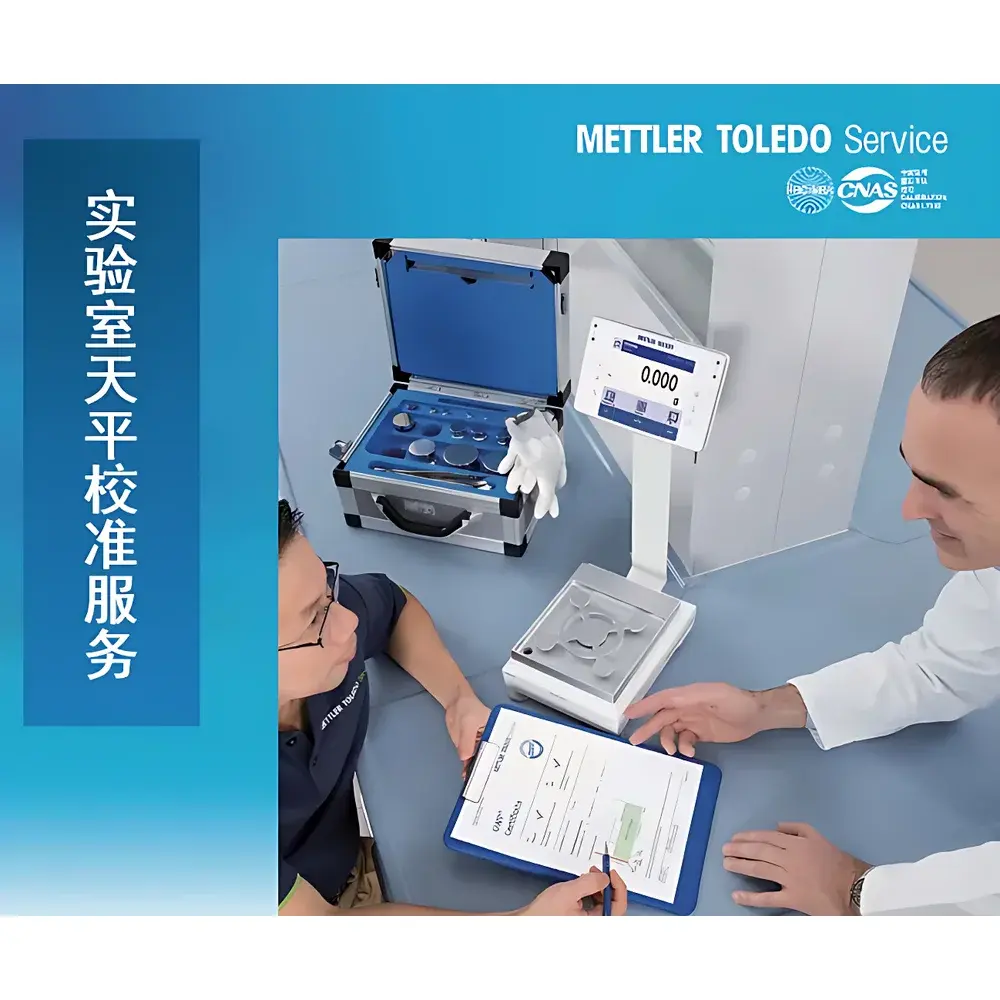
All testing is performed in a CNAS-accredited laboratory (Certificate No. CNAS LXXXXX); reports bear the CNAS logo and are accepted for international regulatory submissions.
How long does a typical measurement campaign take?
Standard turnaround is 5–7 business days for single-condition tests; multi-point campaigns (e.g., 5 temperatures × 3 pressures) typically require 12–15 days, excluding shipping and sample preparation verification.
Related Products