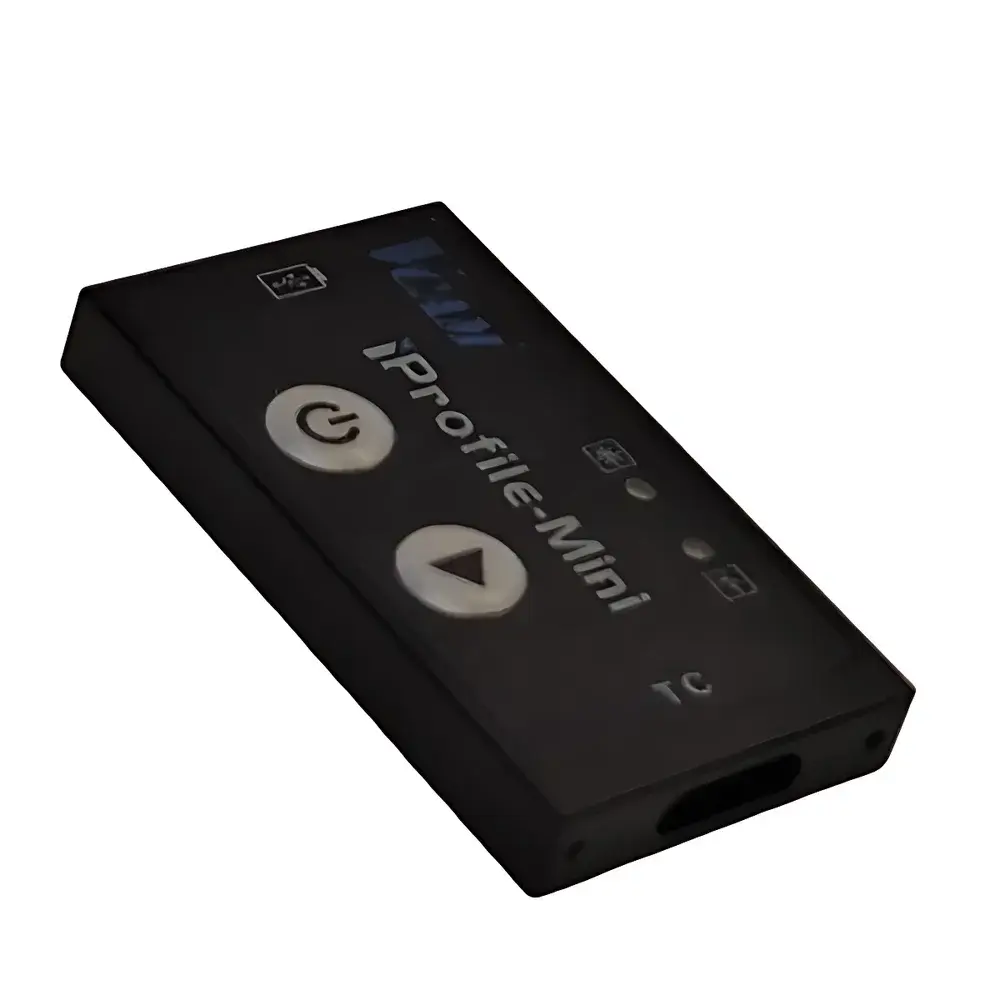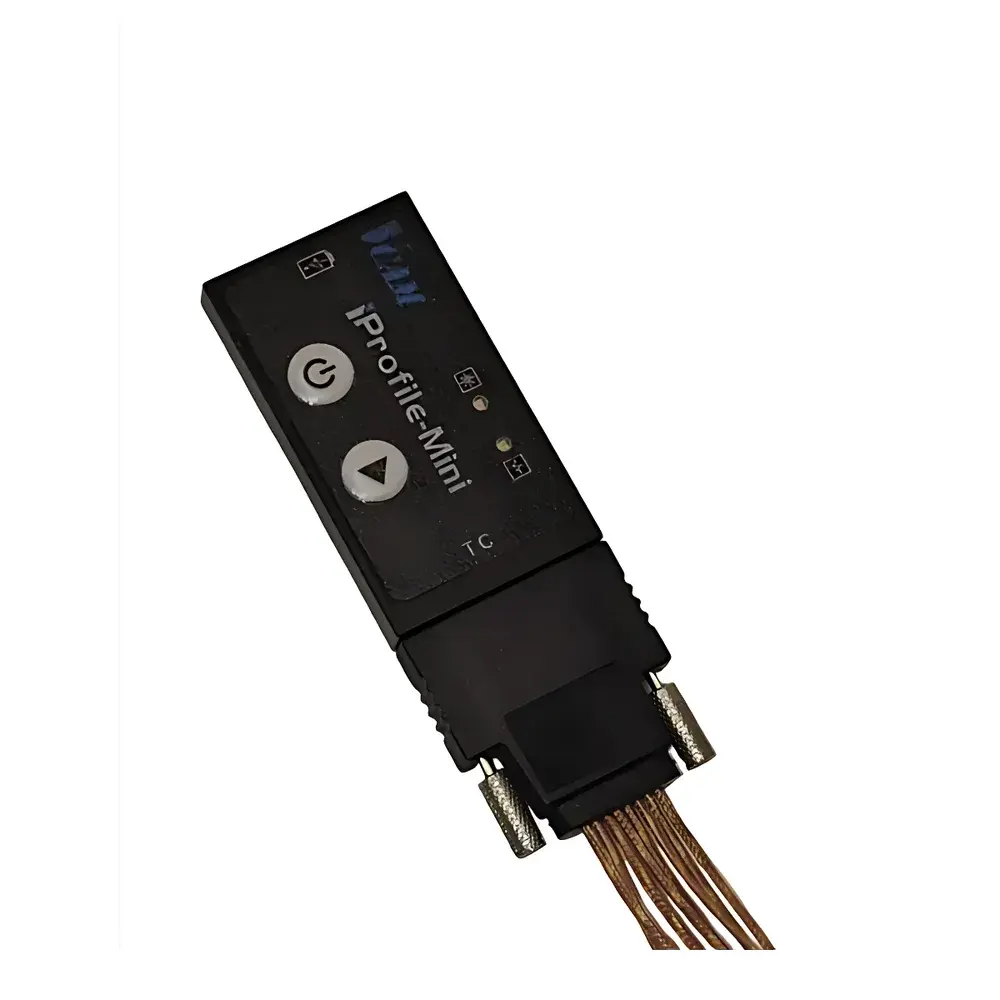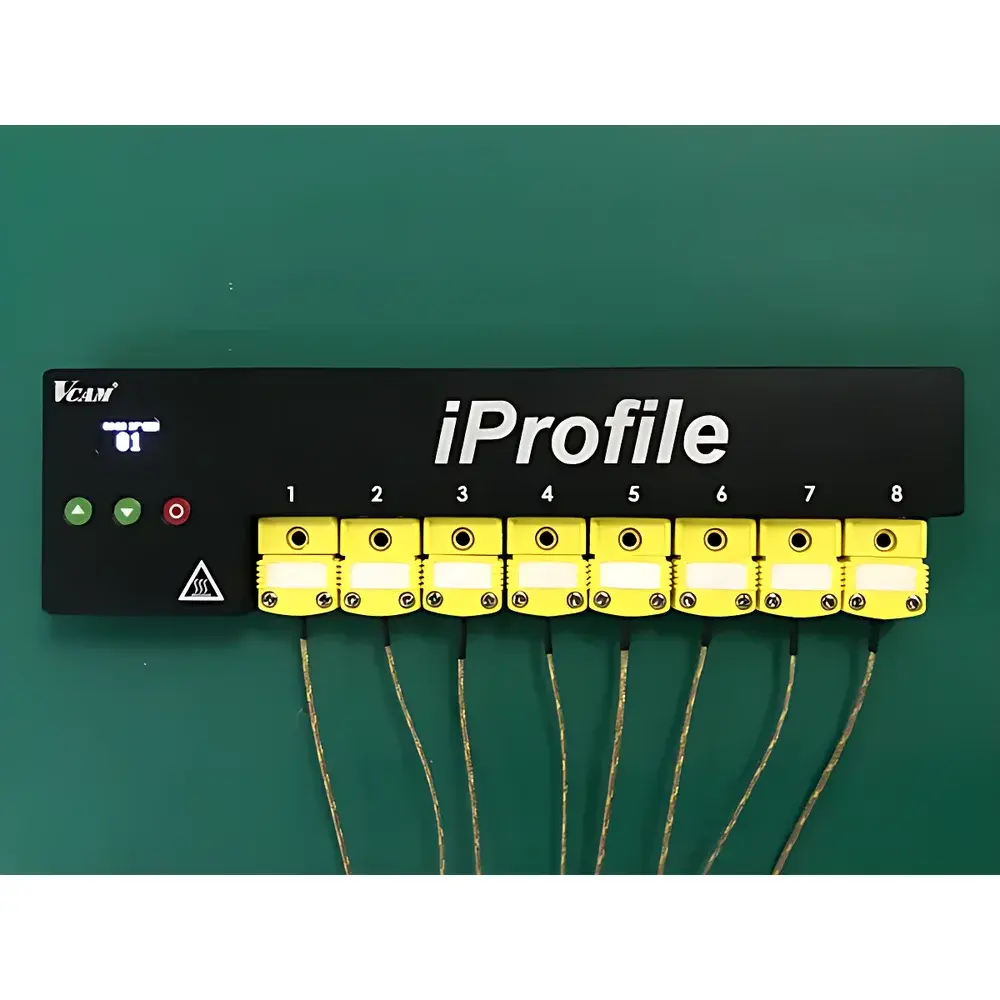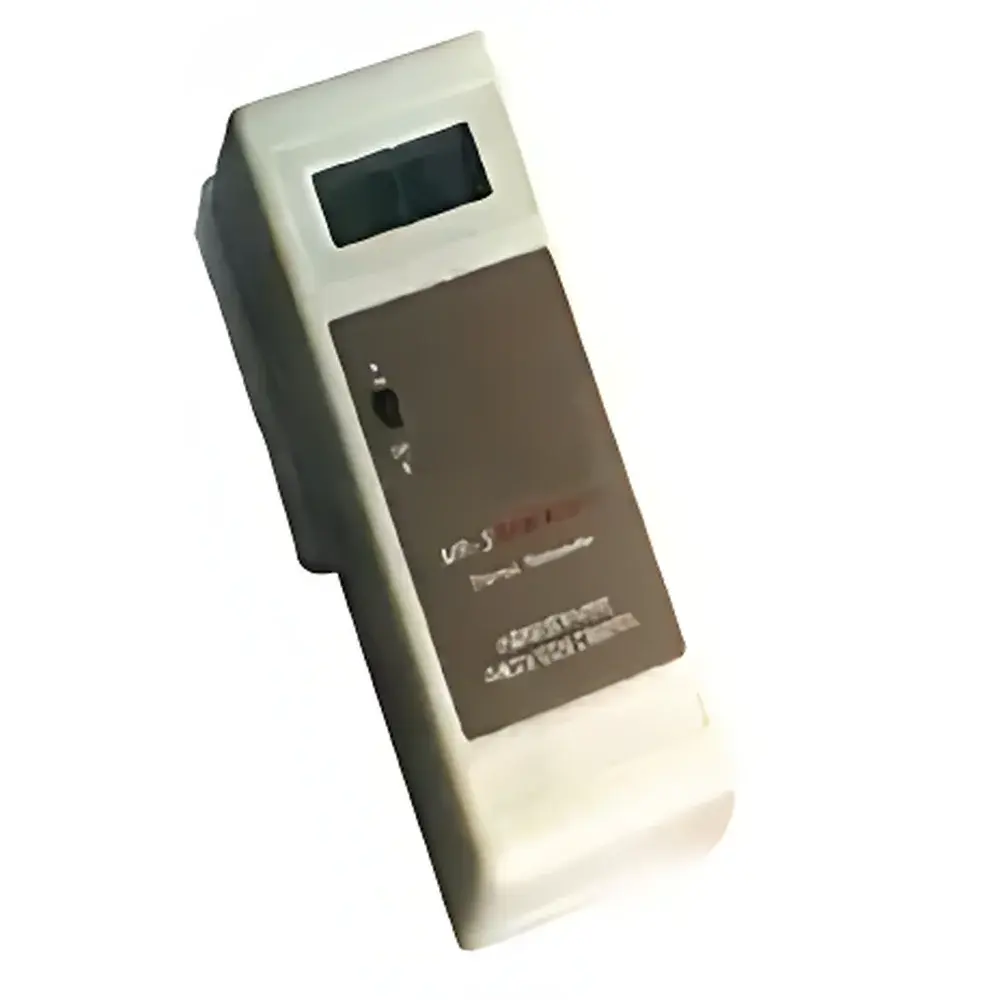
YINHEKEJI MR-5 Radiant Heat Flux Meter
| Brand | YINHEKEJI |
|---|---|
| Origin | Jiangsu, China |
| Manufacturer Type | Authorized Distributor |
| Country of Origin | China |
| Model | MR-5 |
| Price | USD 270 (FOB) |
| Dimensions | 175 × 75 × 35 mm |
| Weight | 300 g |
| Radiation Heat Flux Range | 0–10 kW/m² |
| Resolution | 0.01 kW/m² |
| Calibration Accuracy | ±5% |
| Power Consumption | 30 mW |
| Display | Digital LCD |
| Battery | 9V Alkaline (IEC 6LR61, pre-installed) |
| Compliance | GBZ 2.1–2019, GB/T 4200–2016 |
Overview
The YINHEKEJI MR-5 Radiant Heat Flux Meter is a portable, battery-powered instrument engineered for quantitative measurement of thermal radiation intensity in occupational and industrial environments. It operates on the principle of thermopile-based detection—converting incident radiant energy (within the 0.3–3 µm spectral band typical of high-temperature sources such as furnaces, molten metal surfaces, glass kilns, and welding arcs) into a proportional electrical signal. The thermopile sensor is hermetically sealed and temperature-compensated to ensure stable output under ambient fluctuations between 0 °C and 50 °C. Designed specifically for field use in heat stress assessment, the MR-5 delivers real-time radiant heat flux values in kW/m² without requiring external power or calibration adjustments during operation. Its compact form factor and low power draw (30 mW) support extended deployment in mobile monitoring scenarios, including walk-through surveys of foundries, steel mills, ceramic production lines, and boiler rooms.
Key Features
- High-resolution digital LCD display with auto-zeroing function and hold mode for peak value capture
- Thermopile sensor with integrated temperature compensation circuitry to minimize drift across operating ambient conditions
- Rugged ABS housing rated IP54 for dust and splash resistance, suitable for workshop and outdoor industrial settings
- Pre-calibrated at factory against NIM-traceable blackbody reference sources; calibration certificate included
- Low-power design enables >200 hours of continuous operation on a single 9V alkaline cell (IEC 6LR61)
- Ergonomic handheld form factor (175 × 75 × 35 mm, 300 g) with non-slip rubberized grip and protective carrying case
Sample Compatibility & Compliance
The MR-5 is validated for use in environments where radiant heat originates from solid or molten surfaces operating above 300 °C—common in metallurgical, glassmaking, and refractory manufacturing processes. It does not measure convective or conductive heat transfer components; its output reflects net incident radiative flux only. The instrument complies with Chinese national occupational health standards GBZ 2.1–2019 “Occupational Exposure Limits for Hazardous Agents in Workplace – Part 1: Chemical Hazardous Agents” and GB/T 4200–2016 “Grading of Hot Work”, both of which define permissible exposure thresholds based on combined dry-bulb temperature, relative humidity, air velocity, and radiant heat flux. While not certified to ISO/IEC 17025 for accredited calibration labs, its metrological traceability aligns with JJF 1001–2011 General Metrological Terminology and JJF 1059.1–2012 Evaluation of Measurement Uncertainty.
Software & Data Management
The MR-5 operates as a standalone analog-to-digital measurement device with no embedded data logging or Bluetooth/Wi-Fi connectivity. All readings are displayed in real time and must be manually recorded. For integration into larger occupational hygiene reporting workflows, users may document measurements using standardized paper-based forms aligned with OSHA Technical Manual Chapter 3 or AIHA Heat Stress Assessment Protocol templates. Optional third-party software (e.g., Excel-based calculators compliant with ISO 7243 or WBGT estimation models) can accept MR-5’s kW/m² outputs to compute Predicted Heat Strain (PHS) or Adjusted WBGT indices when paired with concurrent air temperature, humidity, and air velocity data from complementary instruments.
Applications
- Quantitative evaluation of radiant heat load in furnace maintenance zones and casting bays
- Validation of radiant barrier effectiveness in high-heat workstations (e.g., aluminum extrusion lines)
- Baseline characterization prior to implementation of engineering controls (e.g., reflective shields, water-cooled curtains)
- Supporting heat stress risk assessments required under China’s Occupational Disease Prevention Law (2018 Amendment)
- Educational use in occupational hygiene training programs focused on thermal environment evaluation
- Field verification of HVAC system performance in industrial buildings with significant solar or process-related radiant gains
FAQ
What is the spectral response range of the MR-5’s thermopile sensor?
The sensor responds to electromagnetic radiation between approximately 0.3 µm (near-UV) and 3.0 µm (mid-infrared), covering the dominant emission band of blackbody sources at temperatures from 300 °C to 1200 °C.
Can the MR-5 be used outdoors under direct sunlight?
Yes, but only for measuring radiant flux from targeted hot surfaces—not total solar irradiance. Its cosine-corrected aperture minimizes angular error up to ±45° incidence, though readings should be taken perpendicular to the source for highest accuracy.
Is periodic recalibration required?
Annual recalibration is recommended per JJG 875–2019 “Radiation Thermometer Verification Regulation”. Users should verify zero stability before each shift and perform field checks using a reference heat source if available.
Does the MR-5 meet FDA or EU regulatory requirements for workplace monitoring?
It is not CE-marked or FDA-listed, as it is intended solely for occupational hygiene assessment—not medical, pharmaceutical, or food safety applications. Its compliance scope is limited to Chinese national occupational health standards.
How is measurement uncertainty determined for the MR-5?
Total expanded uncertainty (k=2) is ±6.2% of reading, derived from contributions of sensor linearity (±3.5%), temperature compensation error (±1.2%), calibration reference uncertainty (±1.0%), and resolution limit (±0.5%).