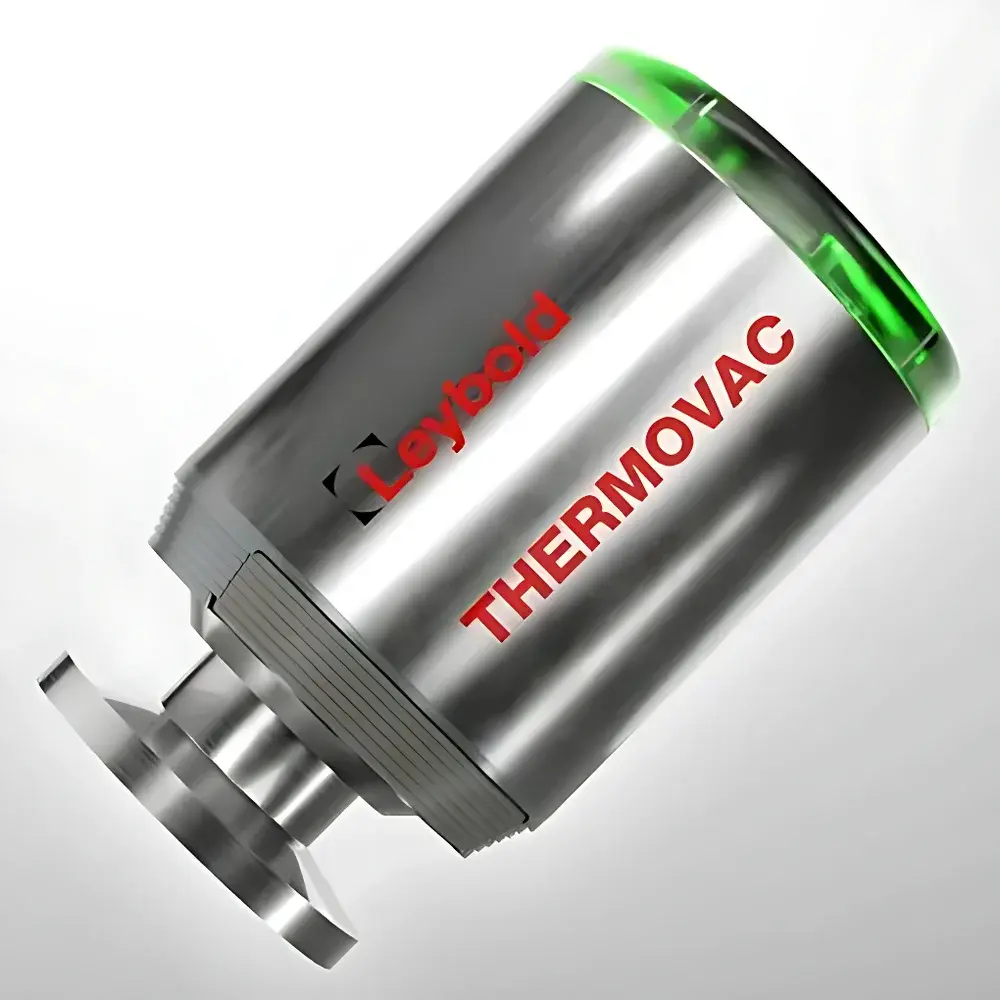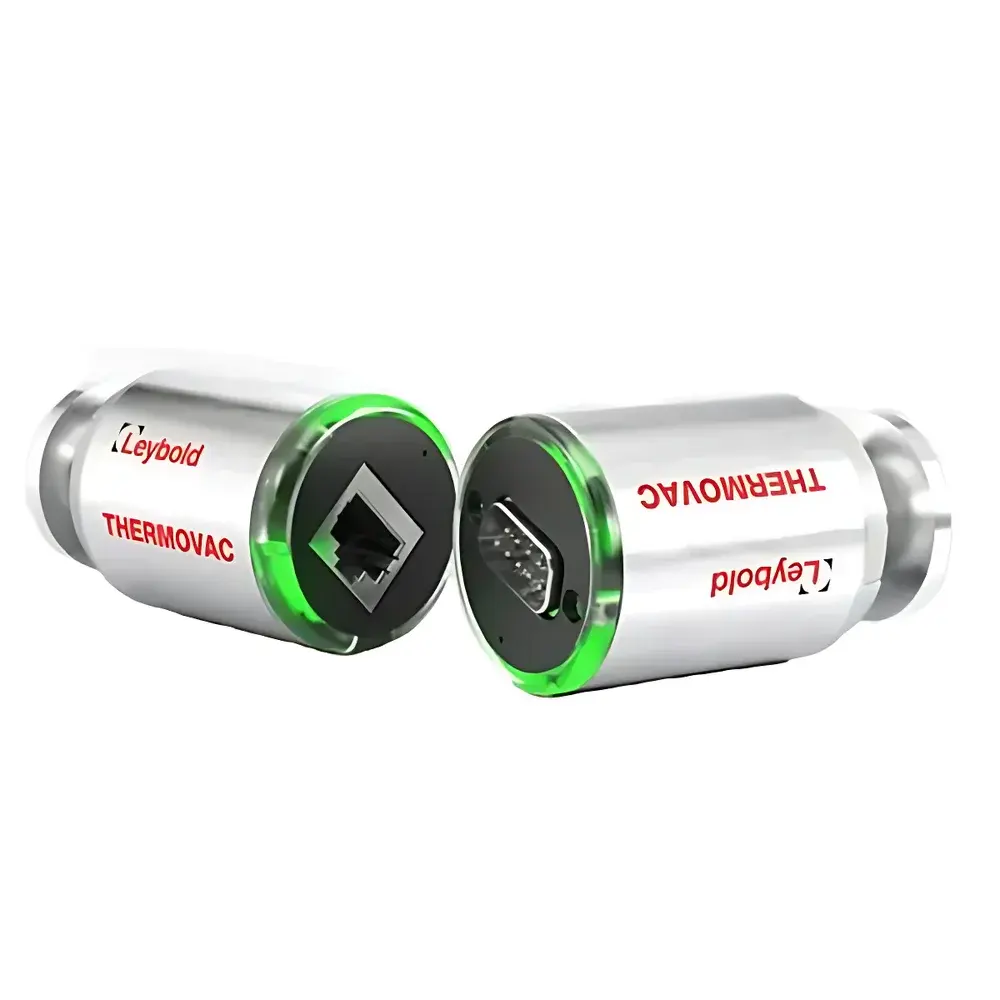
York Instruments CPC4000 Advanced Electronic Pressure Controller
| Brand | York Instruments |
|---|---|
| Origin | Germany |
| Manufacturer | Yes |
| Import Status | Imported |
| Model | CPC4000 |
| Operating Principle | Electronic Pressure Control |
| Display | Digital |
| Control Stability | < 0.005 % FS |
| Control Speed | < 10 s |
| Accuracy | 0.02 % of reading (50–100 % FS), 0.02 % of half-scale (0–50 % FS) |
| Pressure Range | –0.1 to 21 MPa |
| Uncertainty Budget | Expanded uncertainty (k = 2) per ISO/IEC 17025, incorporating sensor intrinsic performance, reference standard uncertainty, long-term drift, thermal effects, zero-shift beyond auto-compensation range, and environmental influences |
Overview
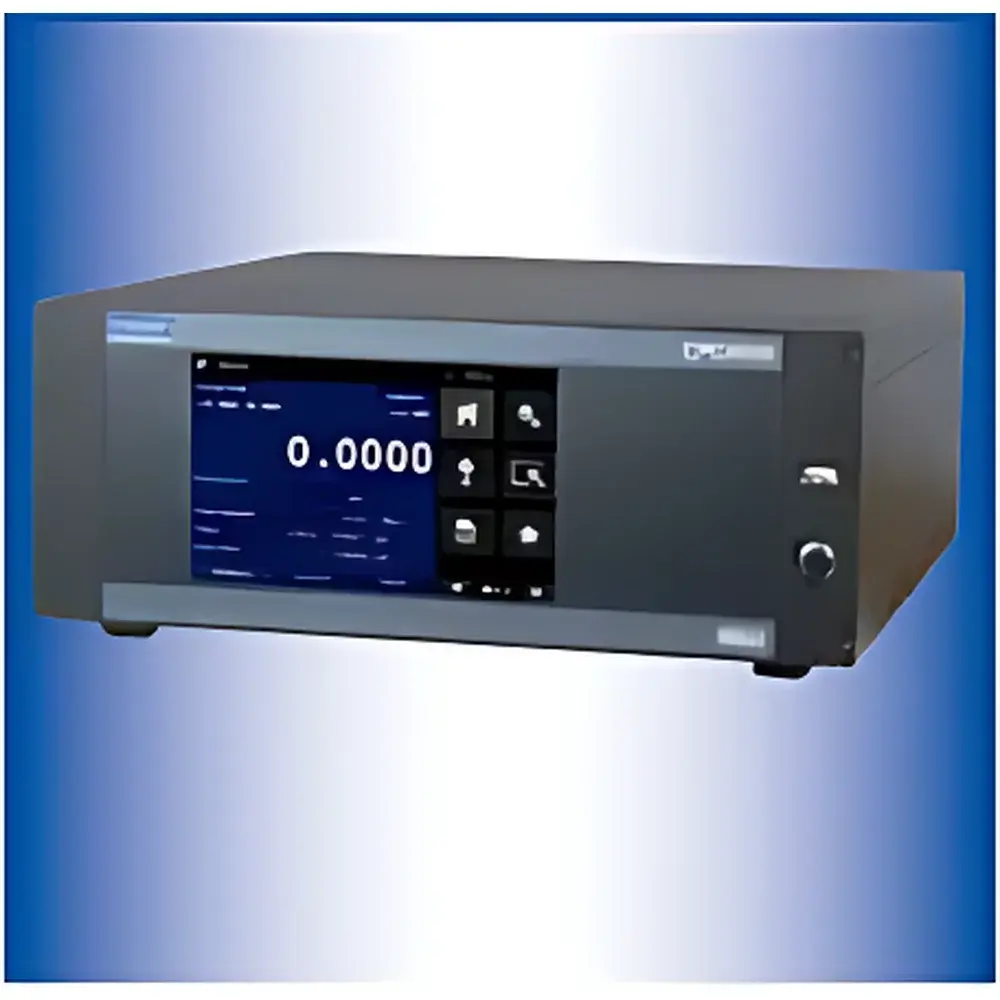
The York Instruments CPC4000 Advanced Electronic Pressure Controller is a high-precision, closed-loop pressure generation and regulation system engineered for metrological-grade calibration, production test benches, and automated process validation in regulated industrial environments. Based on solid-state electronic pressure control architecture—utilizing fast-response piezoresistive or capacitive sensing elements coupled with proportional-integral-derivative (PID) optimized pneumatic or hydraulic actuation—the CPC4000 delivers stable, repeatable pressure setpoints across its full operating range of –0.1 to 21 MPa (–1 to 210 bar). Its core function is not merely static pressure indication but dynamic, feedback-driven pressure synthesis with sub-millisecond response latency and sustained stability better than 0.005 % of full scale (FS) under steady-state conditions. Designed and manufactured in Germany, the instrument complies with fundamental requirements of ISO 5725 (accuracy and precision of measurement methods), EN 61326-1 (EMC for laboratory equipment), and supports traceability pathways aligned with ISO/IEC 17025 accredited calibration laboratories.
Key Features
- Electronic closed-loop control architecture with integrated pressure transducer and high-bandwidth solenoid or servo-valve actuation
- Digital front-panel interface with real-time pressure readout, setpoint entry, ramp rate configuration, and status diagnostics
- Control stability ≤ 0.005 % FS over 60-minute dwell periods at any point within the calibrated range
- Total expanded measurement uncertainty (k = 2) fully documented per ISO/IEC 17025 Annex A.2, accounting for sensor nonlinearity, hysteresis, thermal coefficient deviation, reference standard uncertainty, and long-term zero drift
- Accuracy specification: 0.02 % of reading (50–100 % FS); 0.02 % of half-scale (0–50 % FS), verified against NIST-traceable primary standards
- Full-scale settling time < 10 seconds from initial step change to final ±0.01 % FS band, configurable via software-defined ramp profiles
- Optional absolute-pressure sensor configuration to eliminate ambient barometric influence during simulation and calibration of absolute-referenced devices
Sample Compatibility & Compliance
The CPC4000 is compatible with pressure-measuring devices requiring verification or functional testing across diverse media—including dry air, nitrogen, hydraulic oil (ISO VG 32), and non-corrosive gases—provided appropriate wetted material options (e.g., 316L stainless steel, Hastelloy C-276) are selected per application. It meets mechanical and electrical safety requirements per IEC 61010-1 for use in industrial and laboratory settings. For regulatory compliance, the controller supports audit-ready operation under GLP and GMP frameworks when paired with optional 21 CFR Part 11-compliant software modules that enforce user access control, electronic signatures, and immutable audit trails for all pressure generation events, parameter changes, and calibration logs.
Software & Data Management
York Instruments provides the CPC-Control Suite—a Windows-based application enabling remote configuration, automated test sequence scripting (e.g., step-and-hold, ramp-and-soak), real-time data streaming at up to 100 Hz, and export of timestamped datasets in CSV, XML, or industry-standard .tdms formats. The software includes built-in uncertainty propagation calculators compliant with GUM (JCGM 100:2008) and generates calibration certificates conforming to ISO 17025 clause 7.8. All firmware updates are digitally signed and delivered via secure HTTPS; device firmware revision history and cryptographic checksums are retained in onboard non-volatile memory for audit purposes.
Applications
- Primary and secondary calibration of analog/digital pressure transmitters, gauges, and switches in ISO/IEC 17025-accredited labs
- Functional testing and burn-in validation of pressure sensors in automotive, aerospace, and medical device manufacturing
- Automated verification of pressure safety valves and relief systems per API RP 500 and ASME PTC 19.2
- Reference source for pressure loop commissioning in DCS/PLC-controlled process skids
- Research-grade pressure stimulus generation in fluid dynamics and materials science laboratories
FAQ
What pressure media are supported by the CPC4000?
Dry air, nitrogen, and non-corrosive hydraulic oils (e.g., ISO VG 32) are standard; compatibility with aggressive media requires custom wetted material selection and prior consultation with York Instruments technical support.
Is the CPC4000 suitable for vacuum calibration down to –0.1 MPa?
Yes—the instrument is fully specified for absolute pressure generation from –0.1 MPa (full vacuum relative to ambient) to +21 MPa, with dedicated vacuum pump integration ports and leak-tightness validated to <1 × 10⁻⁹ mbar·L/s.
How is traceability maintained during field use?
Each unit ships with a factory calibration certificate referencing NIST-traceable primary standards; optional on-site recalibration services include full uncertainty budget documentation and re-certification to ISO/IEC 17025 requirements.
Can the CPC4000 operate unattended in automated test cells?
Yes—via Ethernet (TCP/IP) or USB-CDC interface, it supports SCPI command sets and integrates natively with LabVIEW, Python (PyVISA), and MATLAB for fully autonomous test execution and pass/fail decision logic.
Does the controller support both gauge and absolute pressure modes?
Absolute mode is standard with optional barometric compensation; gauge mode requires external venting and is configurable via firmware setting—both modes retain full accuracy specifications across the entire range.