
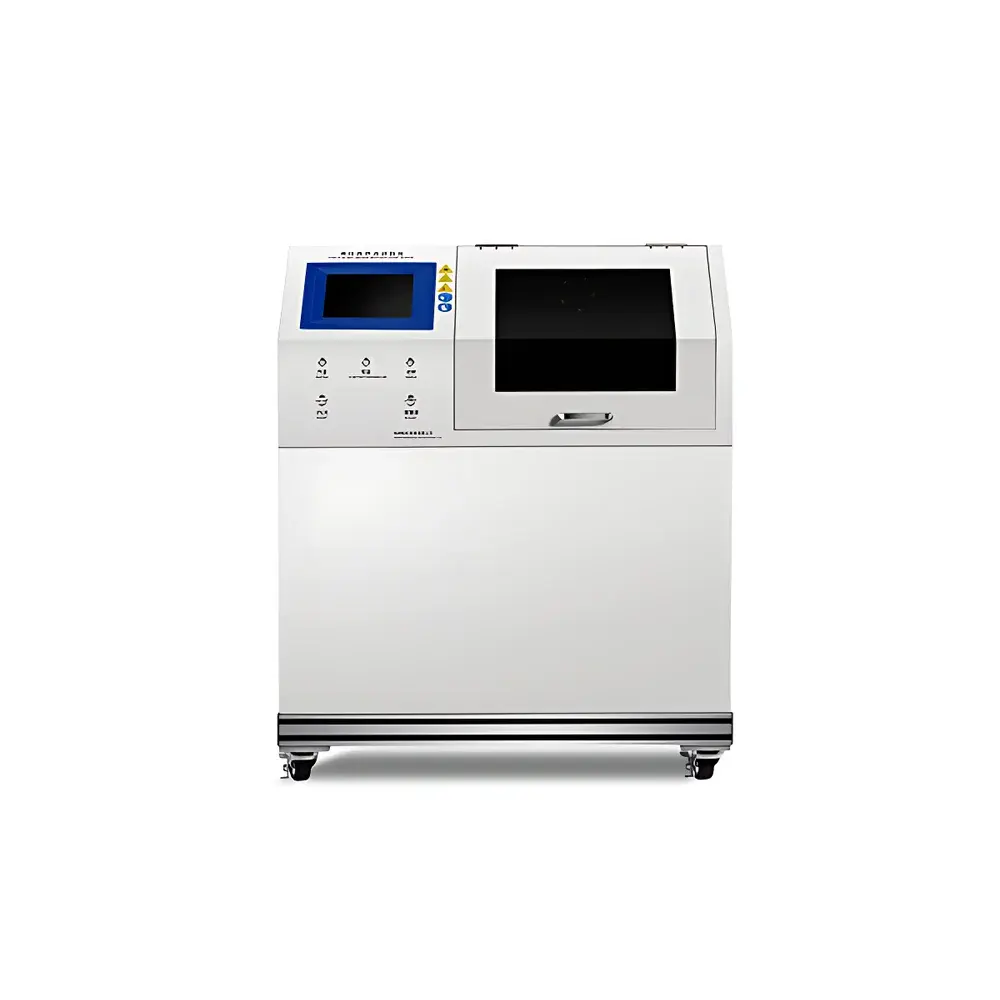
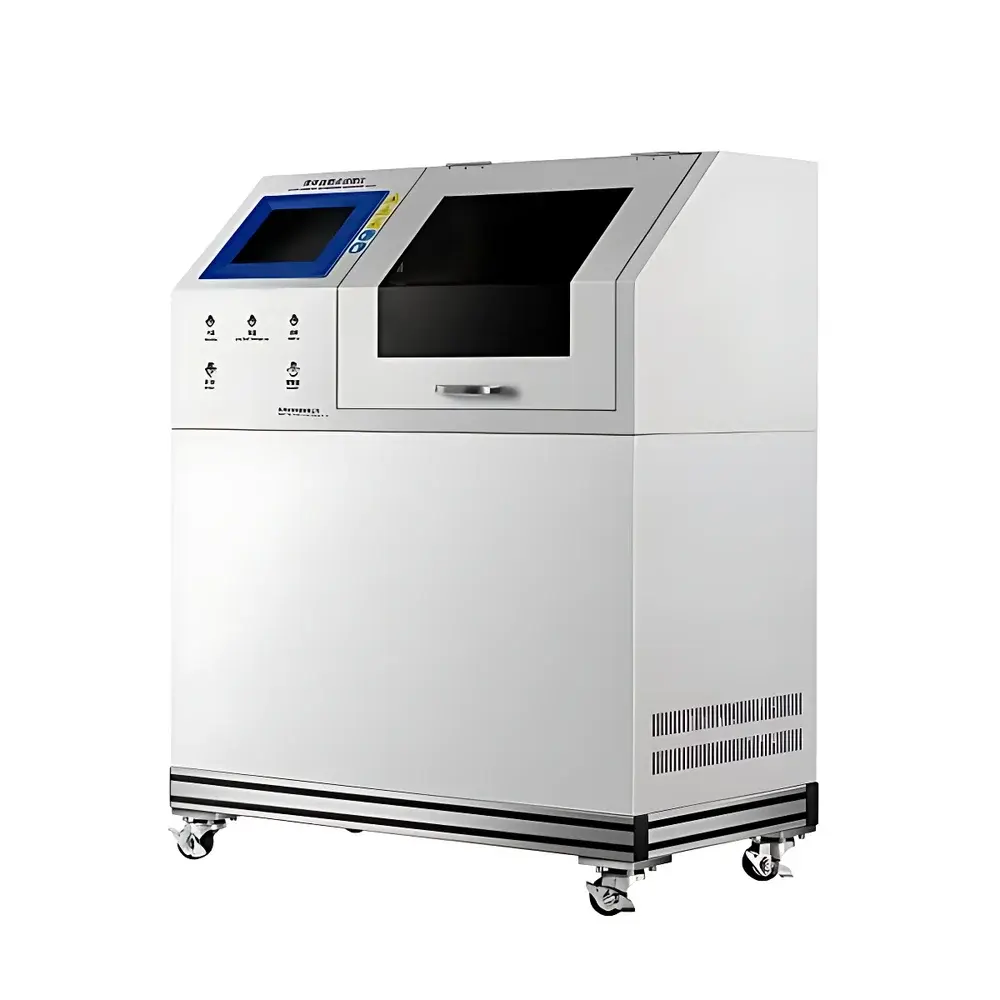
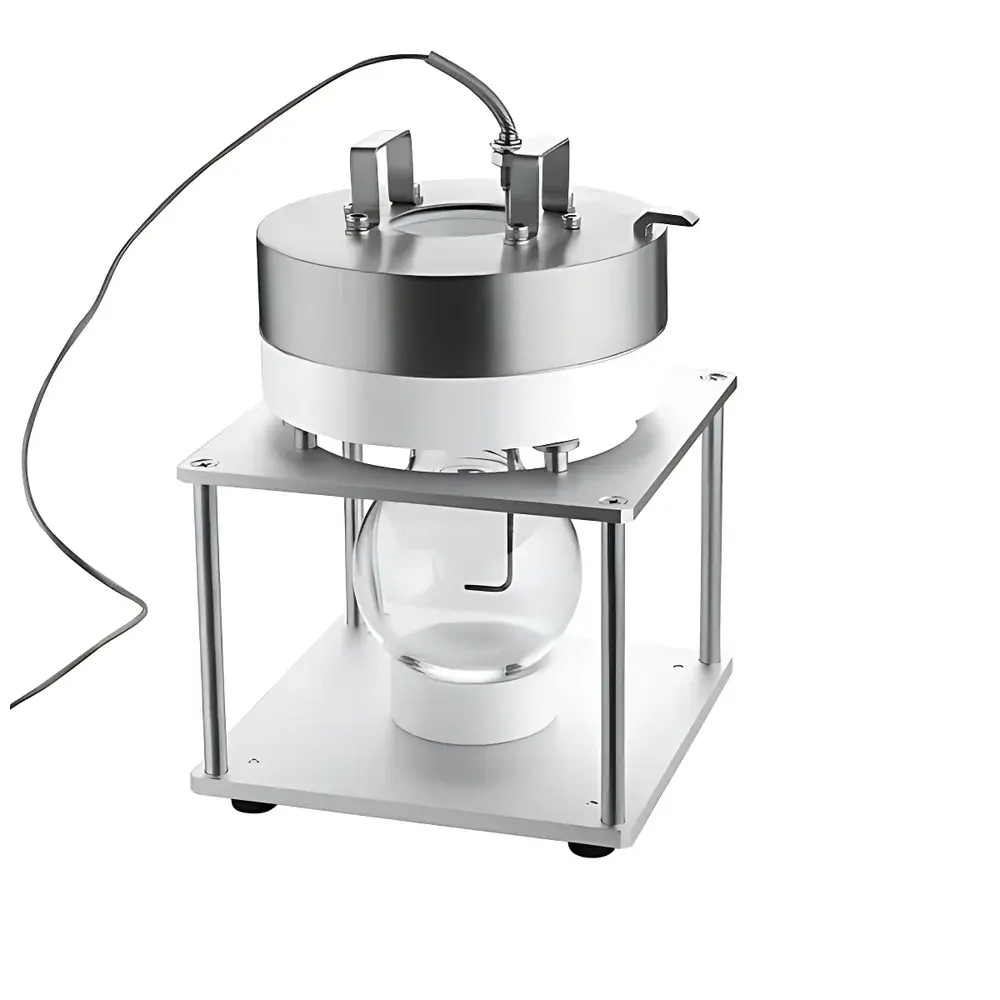
Young Instruments HWP23-10S Autoignition Temperature Tester for Liquids
| Brand | Young Instruments |
|---|---|
| Origin | Zhejiang, China |
| Manufacturer Type | Manufacturer |
| Region of Origin | Domestic (China) |
| Model | HWP23-10S |
| Pricing | Upon Request |
| Operating Environment | (-5 to 45) °C, <95% RH |
| Sample Type | Liquids |
| Temperature Control Range | Ambient to 650 °C |
| Temperature Control Accuracy | ±1 °C below 350 °C |
| Temperature Measurement Range | Ambient to 800 °C |
| Temperature Resolution | 0.1 °C |
| Temperature Accuracy | ±(2.5 or 0.0075× |
| Atmospheric Pressure Range | 60–110 kPa |
| Pressure Accuracy | ±0.5 kPa |
| Heating Chamber Volume | 3 L |
Overview
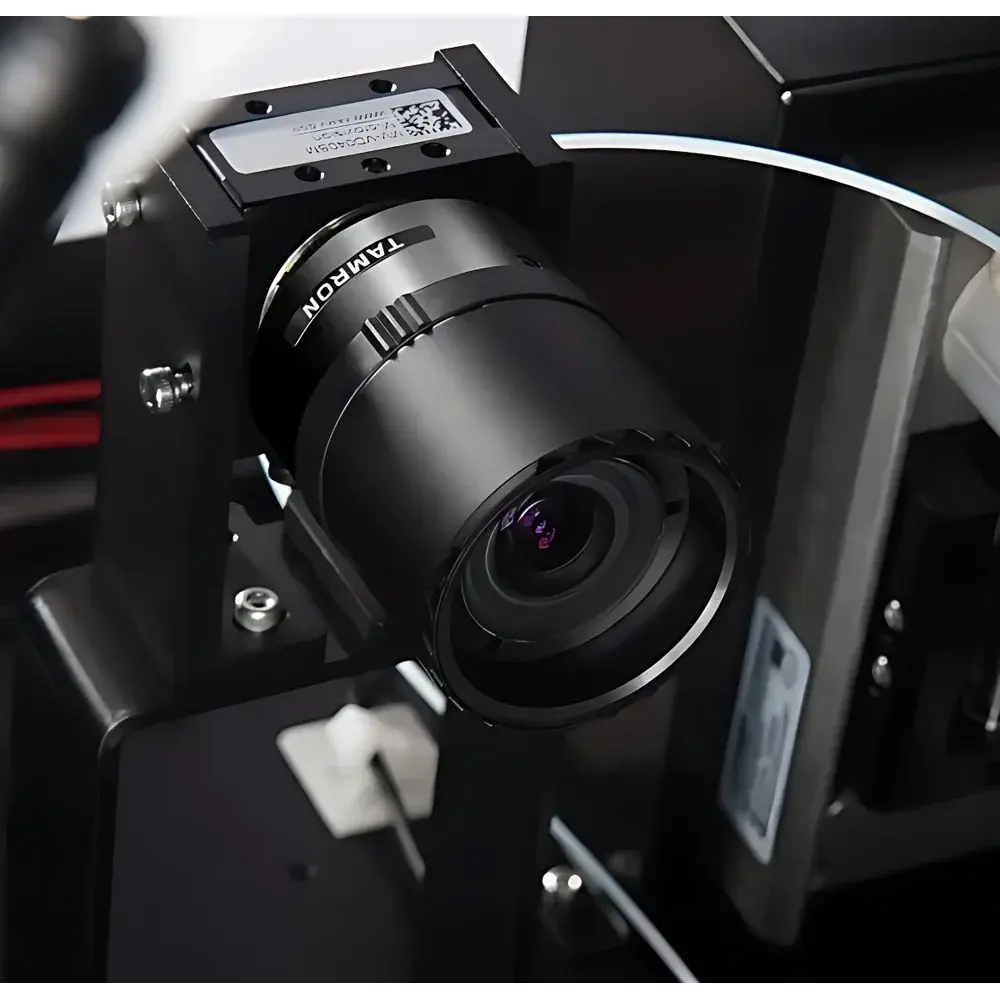
The Young Instruments HWP23-10S Autoignition Temperature Tester is a fully automated, benchtop instrument engineered for the precise determination of the autoignition temperature (AIT) of liquid chemicals under ambient atmospheric pressure. It operates on the principle of controlled thermal ramping within a thermally isolated chamber, where a defined volume of test liquid is introduced into a uniformly heated furnace environment. The onset of spontaneous ignition—without external ignition sources—is detected via real-time thermal signature analysis and optical confirmation, enabling unambiguous identification of both hot-flame (thermal runaway) and cold-flame (low-temperature oxidation) autoignition events. Designed in strict alignment with internationally recognized test protocols, the HWP23-10S supports regulatory compliance for hazard classification, safety data sheet (SDS) authoring, and process safety management (PSM) in chemical manufacturing, transportation, and storage facilities.
Key Features
- Embedded Windows CE operating system with industrial-grade 8-inch capacitive touchscreen interface for intuitive navigation, real-time status visualization, and interactive parameter configuration.
- High-stability electric heating furnace with vacuum-ceramic fiber insulation, ensuring uniform thermal distribution and minimal heat loss—critical for reproducible AIT measurements across the full range (ambient to 650 °C).
- Precision Class I platinum resistance thermometer (PRT) and calibrated Type K thermocouples integrated into dual-sensor architecture for redundant temperature monitoring and rapid dynamic response (≤150 ms rise time).
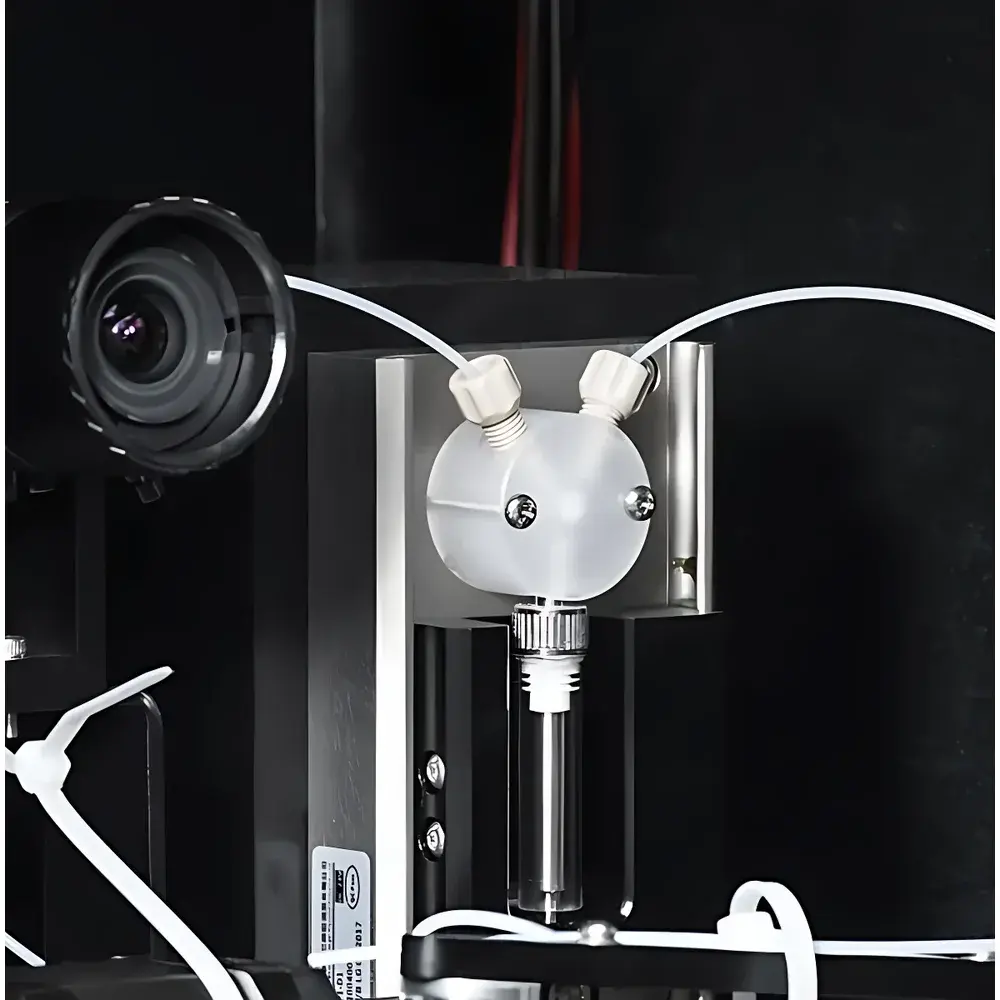
- Automated sample introduction via programmable syringe-based dosing module, eliminating operator variability and cross-contamination risk between runs.
- Self-cleaning cycle utilizing inert gas purge and thermal bake-out protocol—no consumables or manual disassembly required between tests.
- Integrated environmental monitoring suite: digital hygrometer, precision thermistor array, and piezoresistive barometric sensor (60–110 kPa, ±0.5 kPa), all logged synchronously with thermal data.
- Real-time animated graphical representation of furnace temperature profile, sample vaporization kinetics, and combustion event detection—enabling immediate qualitative assessment during operation.
Sample Compatibility & Compliance
The HWP23-10S is validated for use with pure liquids, aqueous solutions, organic solvents, and formulated mixtures exhibiting flash points above 60 °C (per ASTM D93). It excludes highly volatile, low-boiling substances (e.g., diethyl ether, propane) due to safety constraints inherent in open-heating chamber methodology. Regulatory alignment includes full conformance with GB/T 21860–2008 and ASTM E659–78 (2005), both of which define standardized procedures for determining minimum autoignition temperature using the “hot-filament” and “oven-heated crucible” approaches. Instrument firmware and data handling architecture support audit-ready documentation per ISO/IEC 17025:2017 requirements for testing laboratories, including timestamped raw data export (CSV/ASCII), electronic signatures, and configurable report templates compliant with GHS Annex 7 and UN TDG Chapter 2.1.
Software & Data Management
The proprietary HWP Control Suite provides comprehensive experiment lifecycle management—from method setup and calibration validation to post-run analysis and certificate generation. All measurement data—including furnace setpoint, actual temperature, pressure, humidity, ignition time stamp, and derived AIT value—are time-synchronized at 10 Hz and stored in encrypted local memory. Export options include PDF reports with embedded metadata (operator ID, calibration certificate IDs, environmental conditions), as well as structured CSV files compatible with LIMS integration. Software architecture incorporates role-based access control (RBAC), electronic audit trail (21 CFR Part 11 compliant when deployed with optional PKI authentication), and automatic backup to network drives or USB media. Calibration history, sensor drift logs, and maintenance records are retained for ≥10 years per internal QA policy.
Applications
- Hazard classification of new chemical entities under CLP Regulation (EC) No 1272/2008 and OSHA Hazard Communication Standard (29 CFR 1910.1200).
- Process safety review for distillation, drying, and solvent recovery units—identifying safe operating temperature limits to prevent thermal runaway.
- Validation of inerting strategies (e.g., N₂ blanketing) by comparing AIT values under standard vs. reduced-oxygen atmospheres (when used with optional gas manifold add-on).
- Quality assurance of batch-to-batch consistency for flammable intermediates in fine chemical synthesis.
- Supporting REACH registration dossiers with experimentally derived AIT data satisfying ECHA guidance R.7a.
- Academic research on low-temperature oxidation mechanisms and kinetic modeling of hydrocarbon autoignition pathways.
FAQ
What standards does the HWP23-10S directly support?
It is fully compliant with GB/T 21860–2008 and ASTM E659–78 (2005), including all procedural, apparatus, and reporting requirements specified therein.
Can the instrument be used for solid or gaseous samples?
No—the HWP23-10S is designed exclusively for liquid-phase autoignition testing. Solids require separate apparatus (e.g., ASTM E2021), and gases necessitate specialized flow-reactor systems (e.g., ASTM E681).
Is external ventilation or fume hood integration required?
Yes. Due to potential generation of combustion byproducts (CO, NOₓ, aldehydes), operation must occur inside a certified laboratory fume hood with ≥0.5 m/s face velocity and appropriate exhaust filtration.
How often must temperature sensors be recalibrated?
Annual traceable calibration against NIST-traceable reference standards is recommended; the system performs automated self-diagnostics prior to each test sequence to verify sensor linearity and offset stability.
Does the software support multi-user environments with permission tiers?
Yes—administrator, technician, and reviewer roles are configurable, with granular controls over method editing, result approval, and data export privileges.






