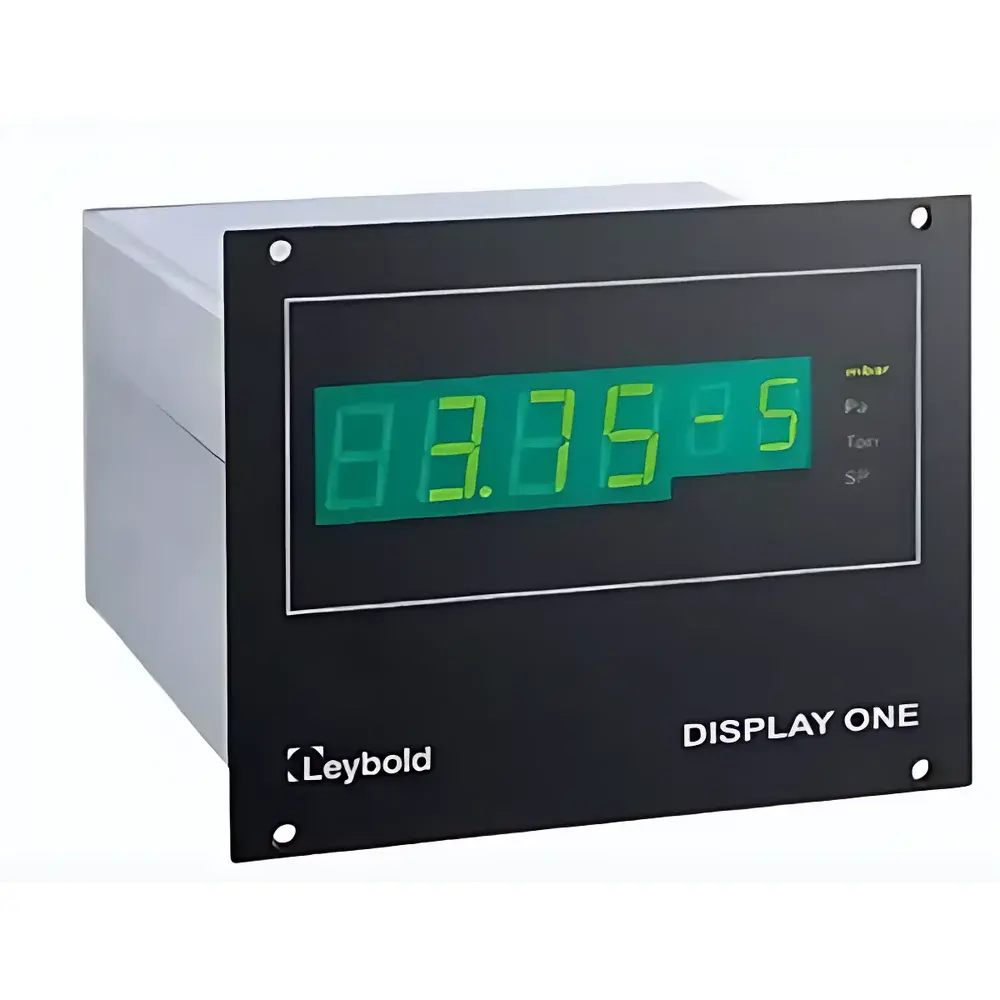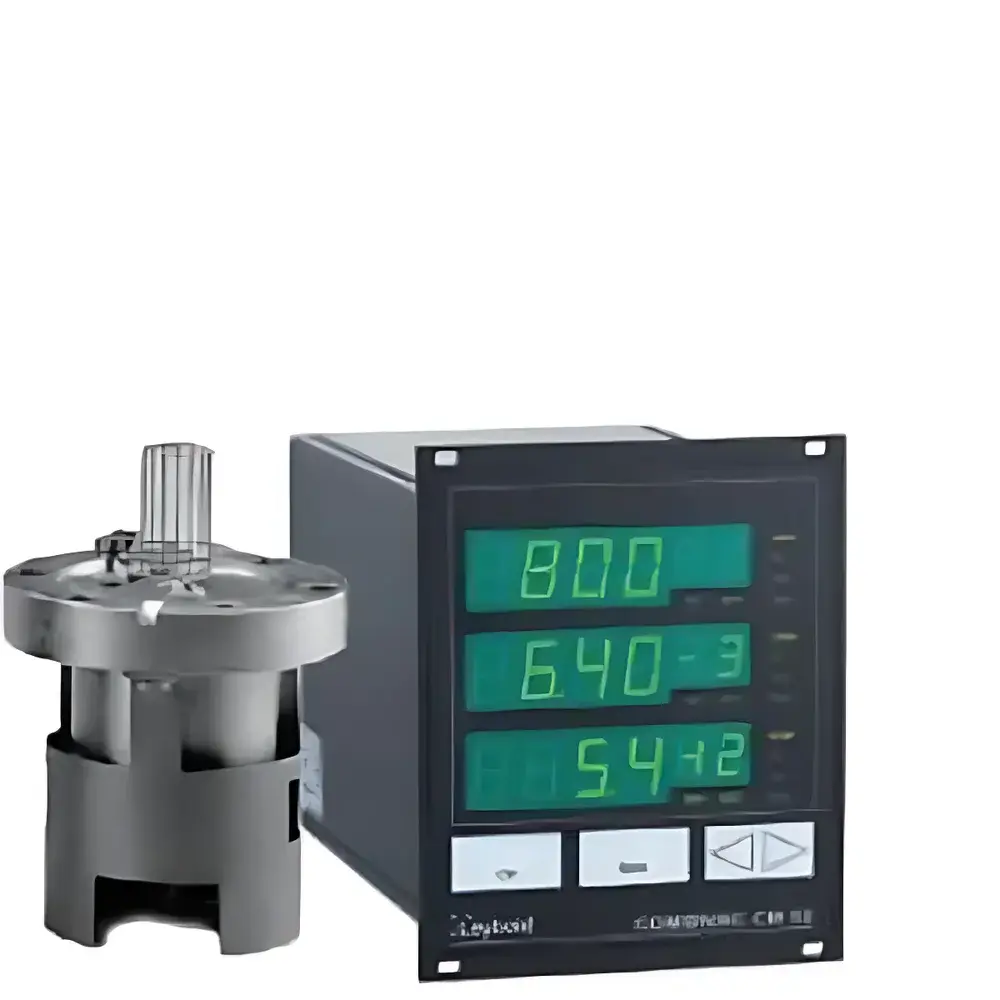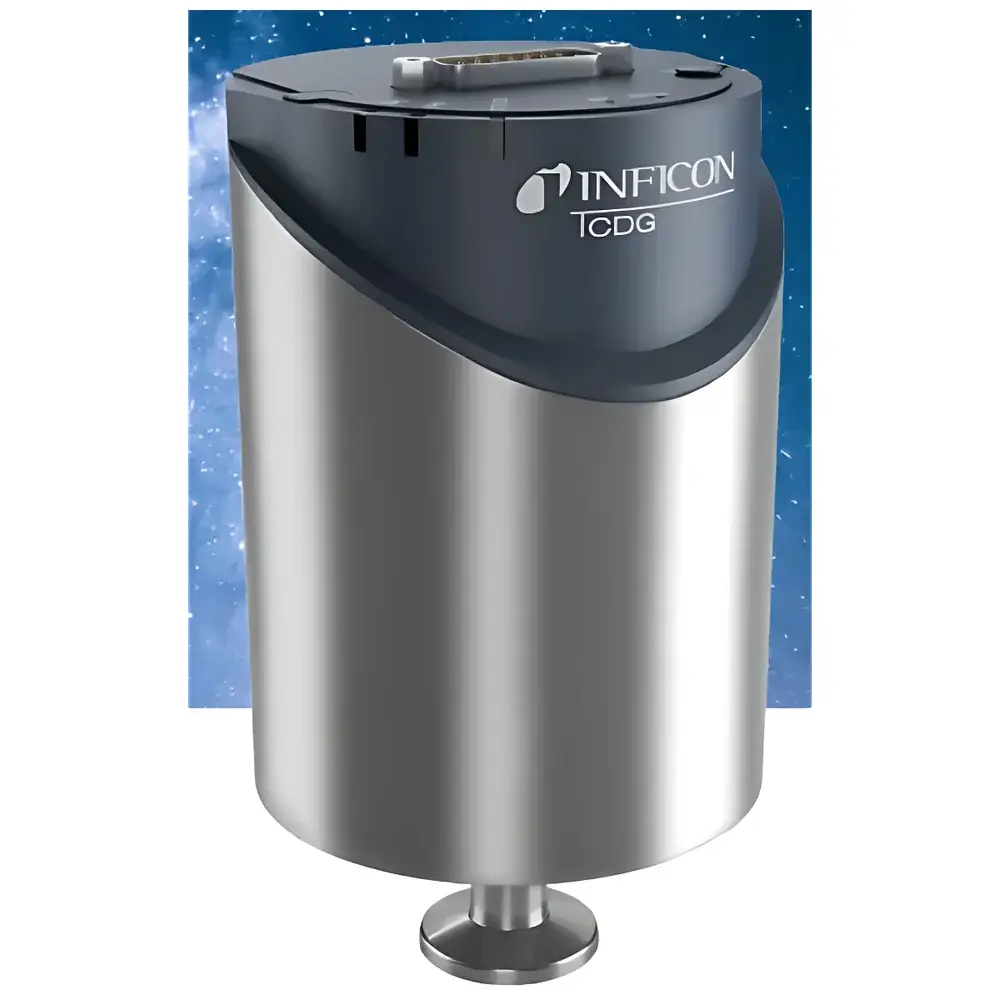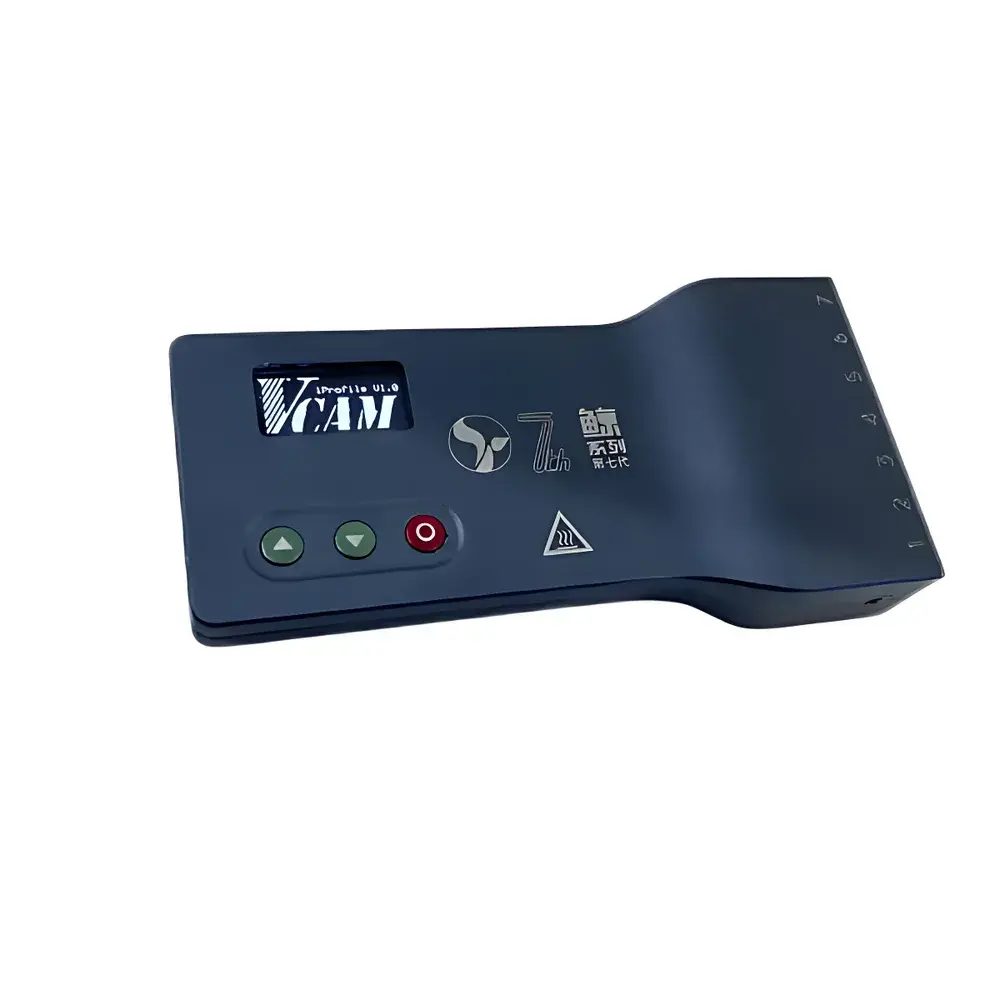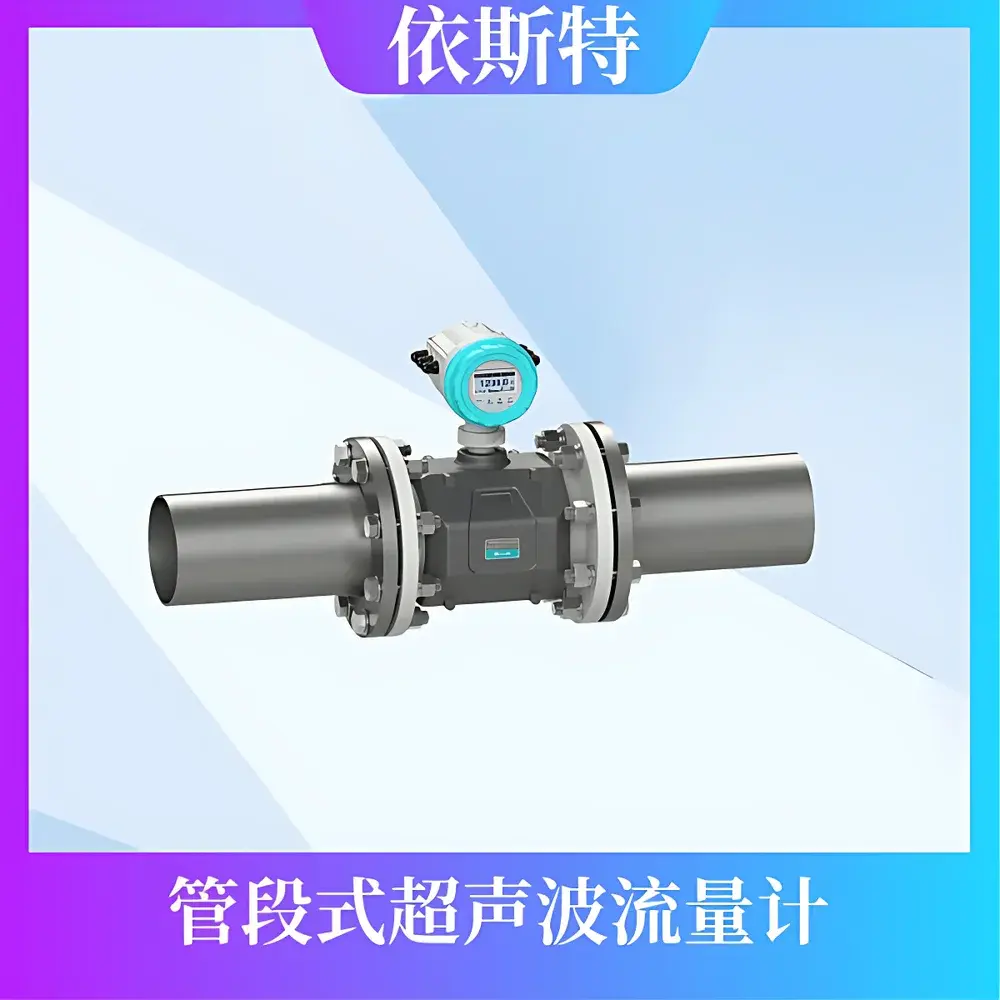
YST FlowMaster Pro Series YST305D150BF223 Clamp-On Ultrasonic Flow Meter for Municipal Wastewater Applications
| Brand | YST |
|---|---|
| Origin | Liaoning, China |
| Model | YST305D150BF223 |
| Nominal Pipe Size | DN150 (150 mm ID ±5 mm) |
| Flow Velocity Range | −10 to +10 m/s |
| Accuracy | ±1.0% FS (dual-path), Repeatability: ≤0.2% |
| Operating Temperature | Sensor −40–+160 °C |
| Power Supply | AC 220 V ±10% (50/60 Hz) or DC 24 V ±10%, ≤10 W |
| Output/Communication | RS485 Modbus-RTU (standard), NB-IoT optional |
| Protection Rating | Sensor IP68, Transmitter IP65 |
| Display | Backlit Chinese LCD showing real-time flow rate, totalized flow, and temperature |
| Medium Compatibility | Municipal wastewater, potable water, and other homogeneous liquids (pH 4–9) |
Overview
The YST FlowMaster Pro Series YST305D150BF223 is a clamp-on, dual-path transit-time ultrasonic flow meter engineered specifically for continuous, non-intrusive flow measurement in municipal wastewater infrastructure. Unlike insertion or magnetic flow meters requiring pipe cutting or grounding, this device operates on the principle of time-of-flight differential measurement: two symmetrically mounted transducers alternately transmit and receive ultrasonic pulses across the pipe cross-section. By precisely measuring the nanosecond-scale difference between upstream and downstream acoustic propagation times—directly proportional to average axial velocity—the instrument calculates volumetric flow rate using the known internal pipe geometry (DN150, ±5 mm tolerance). Its design prioritizes long-term stability in harsh, wet, and chemically variable environments typical of sewage collection systems, lift stations, and tertiary effluent discharge points. The meter delivers traceable, maintenance-free operation without pressure loss, moving parts, or sensor fouling concerns—critical attributes for compliance with ISO 4064-1:2014 (water meters) and aligned with EPA Method 1609.1 for wastewater flow monitoring.
Key Features
- Dual-path transit-time architecture: Two independent acoustic paths across the pipe diameter ensure robust velocity profiling and mitigate errors from asymmetric flow, partial blockage, or sediment layering common in gravity-fed sewer lines.
- DN150 optimized mechanical interface: Precision-machined transducer housings with adjustable clamping force and temperature-compensated coupling gel maintain acoustic coupling integrity over thermal cycles and vibration—validated per IEC 61290-1-3 for ultrasonic transducer performance.
- Wide dynamic range: 1:200 turndown ratio supports reliable measurement from 0.015 m³/h (0.0042 L/s) up to 3 m³/h (0.83 L/s) at full scale—covering both low-flow infiltration conditions and peak wet-weather surges.
- Environmental resilience: IP68-rated stainless-steel transducers withstand prolonged submersion, H₂S exposure, and pH 4–9 aqueous matrices; transmitter housing meets IP65 for control room or outdoor cabinet mounting.
- Power flexibility: Dual-input power architecture enables deployment in legacy AC-powered pump houses or modern solar/NB-IoT edge nodes via 24 V DC supply—compliant with EN 61000-6-2 EMC immunity standards.
Sample Compatibility & Compliance
The YST305D150BF223 is validated for use with municipal wastewater streams containing suspended solids (<10,000 mg/L), organic particulates, and moderate grease content—provided the liquid remains acoustically homogeneous (no air entrainment >2% vol). It complies with key regulatory frameworks governing public utility instrumentation: ASTM D5340 for open-channel flow calibration traceability, ISO 10790-2 for ultrasonic flowmeter installation guidelines, and supports audit-ready data logging required under EPA NPDES permit conditions. While not certified to MID (Measuring Instruments Directive) or ANSI/API RP 14.7, its measurement uncertainty budget aligns with GLP-aligned QA/QC protocols for operational reporting. For GMP-relevant applications (e.g., reclaimed water reuse facilities), optional firmware enables 21 CFR Part 11-compliant electronic signatures and audit trail generation when integrated with validated SCADA platforms.
Software & Data Management
The embedded firmware supports native Modbus-RTU over RS485 for direct integration into Siemens Desigo, Honeywell Experion, or Schneider EcoStruxure systems. Configuration, diagnostics, and real-time waveform analysis are accessible via YST’s Windows-based FlowConfig Studio v3.2—featuring automatic signal quality scoring, transducer health monitoring, and flow profile visualization. Historical data (flow rate, totalized volume, signal strength, temperature) are stored onboard for 30 days at 1-minute intervals. Optional NB-IoT connectivity enables secure TLS 1.2 transmission to cloud platforms (AWS IoT Core, Azure IoT Hub) with configurable alarm thresholds (e.g., zero-flow detection, signal attenuation >40 dB). All firmware updates follow signed OTA protocols compliant with NIST SP 800-193 guidelines for device integrity assurance.
Applications
- Real-time inflow/outflow monitoring at wastewater treatment plant headworks and final effluent discharge points
- Flow verification at combined sewer overflow (CSO) regulators and pump station wet wells
- Leak detection and dry-weather flow anomaly identification in aging trunk mains
- Performance validation of gravity-fed trickling filters and membrane bioreactors (MBRs)
- Integration with digital twin models for hydraulic network calibration and predictive capacity planning
FAQ
Is the YST305D150BF223 suitable for partially filled pipes or open channels?
No. This model requires full-pipe, pressurized or gravity-flow conditions with consistent liquid column height. For open-channel applications, YST recommends the YST-OCF series with Parshall flume integration.
Can it measure bidirectional flow in tidal or recirculation systems?
Yes. The dual-path transit-time algorithm inherently detects flow direction and magnitude without hardware modification—verified per ISO/TR 29642 Annex B for reverse-flow metrology.
What is the minimum required straight-pipe length upstream/downstream?
Per ISO 4064-2:2014, 10D upstream and 5D downstream are recommended for optimal velocity profile development; field validation shows acceptable accuracy at 5D/3D with YST’s flow conditioning algorithm enabled.
Does the device support pulse output for interfacing with mechanical totalizers?
Yes. Configurable 0–10 kHz frequency output (NPN/PNP selectable) is available via optional I/O module, calibrated to match volumetric units (e.g., 10,000 pulses/m³).
How is sensor calibration traceability maintained over time?
Each transducer pair ships with a factory certificate referencing NIST-traceable hydrophone calibration at 1 MHz in water at 20 °C; field recalibration is not required unless mechanical damage or coupling degradation is observed.