
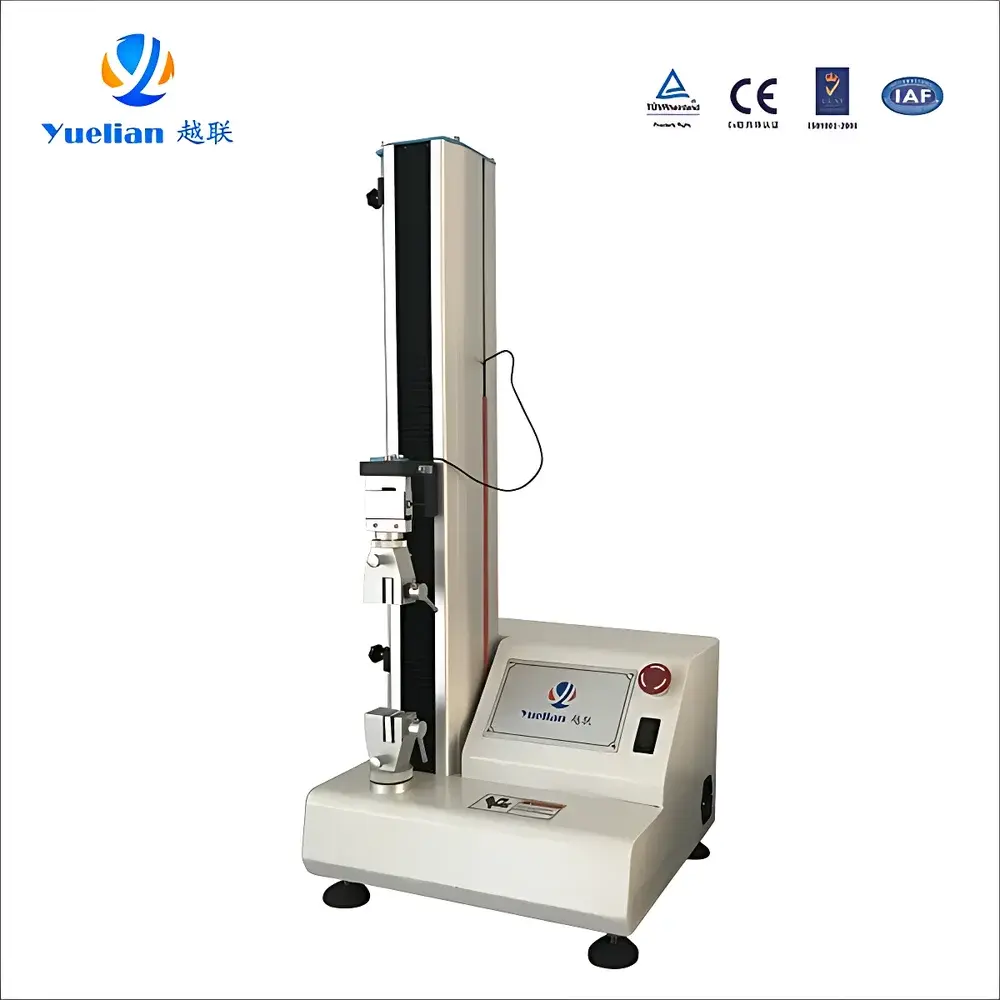
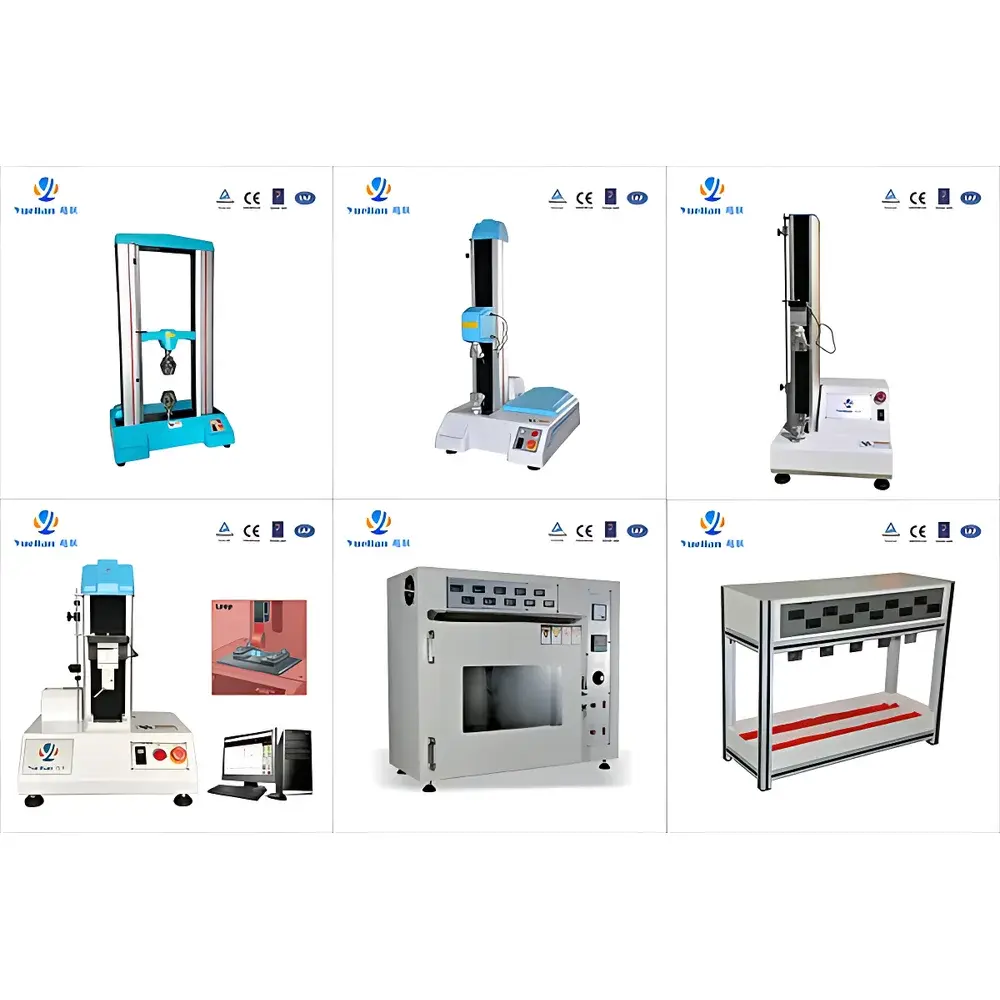
Yuelian YL-S90 Peel Strength Tester
| Brand | Yuelian |
|---|---|
| Origin | Guangdong, China |
| Model | S90 |
| Instrument Type | Electronic Tensile Testing Machine |
| Maximum Test Load | 1 kN |
| Load Measurement Range | 5%–100% of Full Scale (FS) |
| Load Accuracy | ±0.3% FS |
| Test Stroke | 400 mm |
| Displacement Resolution | 1 µm |
| Force Resolution | 1/500,000 FS |
| Travel Speed Range | 0.5–600 mm/min (computer-controlled) |
| Power Supply | 220 V, 50/60 Hz, 10 A |
| Dimensions (W×D×H) | 400 × 300 × 920 mm or 400 × 300 × 1200 mm |
| Weight | ~28 kg |
| Motor Drive | Stepper Motor + Precision Ball Screw Transmission |
| Compliance Standards | GB/T 2792, ASTM D3330, GB/T 12914–1991, GB 13022–91, GB/T 1040–92, GB 2792–81, GB/T 14344–9, GB/T 2191–95, QB/T 2171–95 |
Overview
The Yuelian YL-S90 Peel Strength Tester is a compact, high-precision electronic tensile testing system engineered for routine mechanical property evaluation of thin-film materials, pressure-sensitive adhesives (PSAs), laminates, tapes, labels, and flexible packaging substrates. It operates on the fundamental principle of uniaxial force application under controlled displacement rate, measuring load response in real time to quantify peel resistance, tensile strength, tear propagation, shear adhesion, loop tack, and initial bond integrity. Designed specifically for low-force applications (up to 1 kN), the YL-S90 delivers metrological traceability and repeatability essential for QC laboratories, R&D centers, and contract testing facilities operating under GLP or ISO/IEC 17025 frameworks. Its modular architecture supports rapid reconfiguration between peel, tensile, and shear test modes without hardware recalibration—enabling seamless transition across ASTM, ISO, and GB-standardized test protocols.
Key Features
- Stepper motor-driven actuation with precision ground ball screw transmission ensures smooth, backlash-free motion and long-term mechanical stability.
- Full computer control via USB interface enables precise speed setting (0.5–600 mm/min), programmable multi-step test profiles, and automatic return-to-start after test completion.
- High-resolution force measurement system (1/500,000 FS resolution, ±0.3% FS accuracy) supports dual-range load cell configurations (e.g., 10 N / 1 kN) for optimal signal-to-noise ratio across micro- and macro-scale measurements.
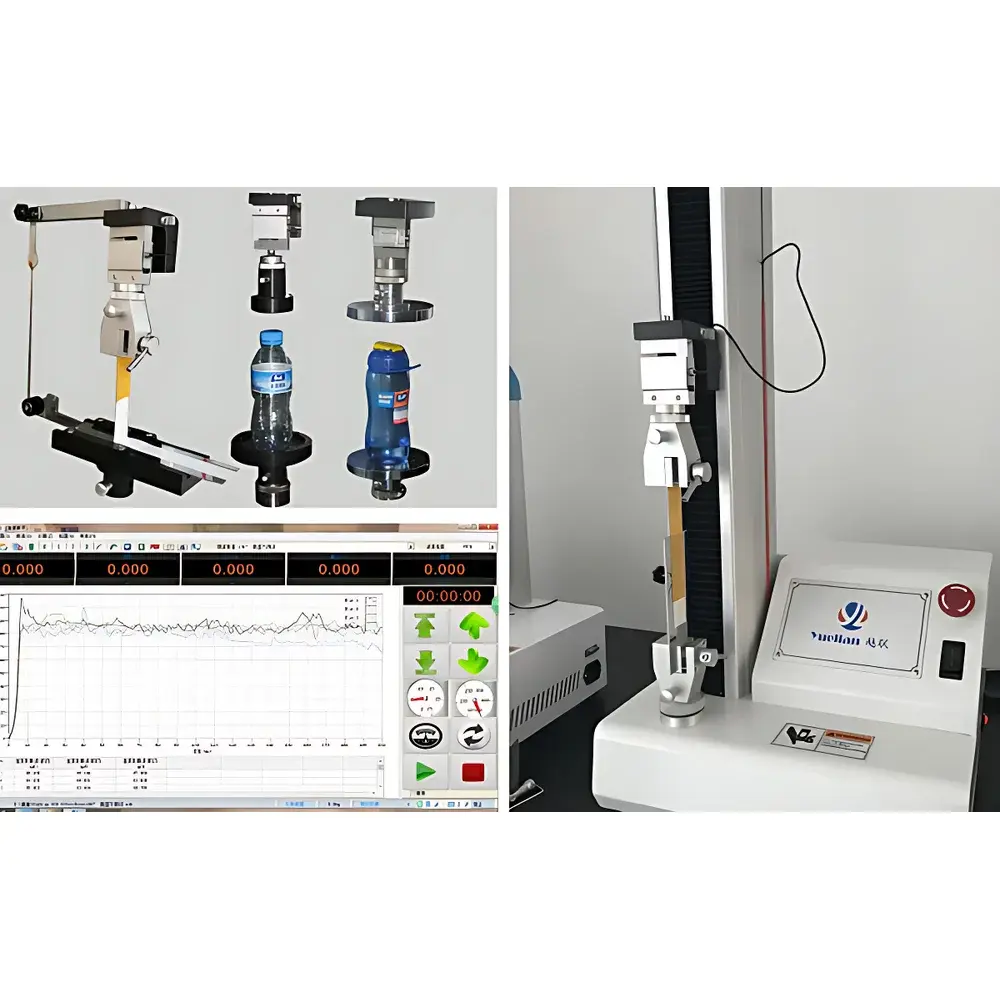
- Quick-change fixture interface accommodates standardized peel jigs (90°, 180°), tensile grips, shear plates, and loop tack fixtures per ASTM D3330, GB/T 2792, and ISO 8510-2 requirements.
- Integrated displacement encoder provides 1 µm positional resolution over a 400 mm effective stroke, with optional extension to 500 mm for elongation-critical tests.
- Safety-oriented stop logic includes overload cutoff, emergency stop button, specimen rupture detection, upper/lower limit position triggering, and programmable hold (constant-load or constant-displacement) functionality.
Sample Compatibility & Compliance
The YL-S90 is validated for use with specimens conforming to standard widths up to 140 mm and thicknesses typical of polymer films, foils, nonwovens, and coated papers. Its mechanical design and software algorithms comply with key international standards governing adhesive performance assessment—including ASTM D3330 (peel adhesion of PSAs), GB/T 2792 (180° peel strength), GB/T 12914 (tensile properties of paper and board), and ISO 8510-1 (adhesive tape peel testing). All test methods are implemented with documented parameter constraints (e.g., peel angle tolerance ±2°, clamp separation rate deviation <±1%), supporting audit readiness for FDA 21 CFR Part 11–aligned environments where electronic records and operator authentication are required.
Software & Data Management
Bundled Windows-based software provides full test sequence definition, real-time force–displacement curve visualization, statistical post-processing (mean, SD, CV%, max/min, yield point), and export to CSV, PDF, or image formats. Audit trail functionality logs user ID, timestamp, test parameters, calibration events, and result modifications—meeting minimum ALCOA+ data integrity criteria. Raw data files are stored with embedded metadata (test standard, sample ID, environmental conditions if linked to external sensors), enabling traceable reanalysis and cross-laboratory comparison. The system supports integration with LIMS via standardized API endpoints and accepts custom script extensions for automated report generation aligned with internal SOPs.
Applications
- Quantitative peel strength evaluation of medical device backing layers, transdermal patches, and wound dressings per ISO 25239.
- Quality conformance testing of BOPP, PET, and aluminum foil laminates used in food and pharmaceutical packaging.
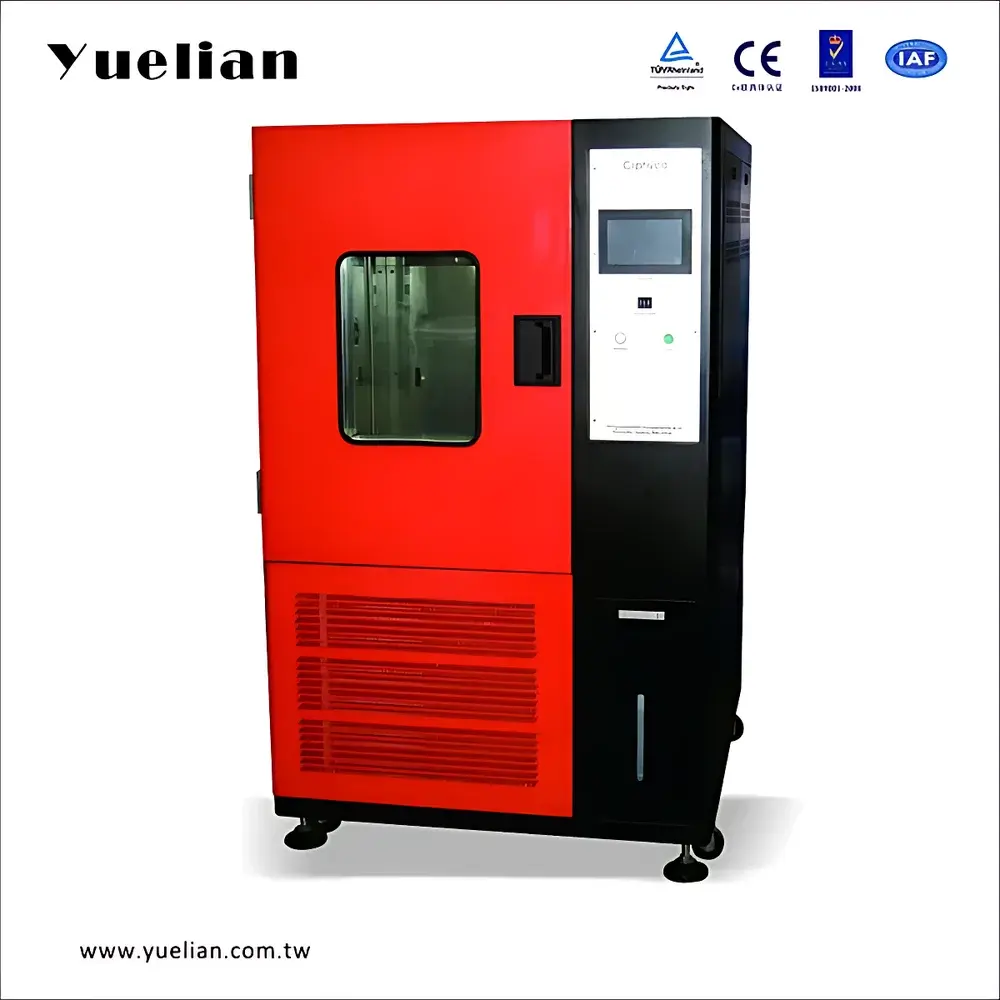
- Shear adhesion failure temperature (SAFT) pre-screening through controlled ramp-and-hold thermal–mechanical protocols (when paired with environmental chamber).
- Loop tack and probe tack characterization of hot-melt and acrylic adhesives using standardized probe geometries.
- Tensile modulus and elongation-at-break determination for thin elastomeric films and stretchable electronics substrates.
- Validation of adhesive aging effects via accelerated shelf-life studies with periodic mechanical retesting.
FAQ
What load cell capacities are supported by the YL-S90?
The base configuration includes a 1 kN load cell; optional dual-capacity setups (e.g., 100 N / 1 kN) are available to optimize resolution for both low-force peel and higher-strength tensile applications.
Does the system support ASTM D903-compliant peel testing?
Yes—the YL-S90 accommodates 180° and 90° peel fixtures meeting dimensional tolerances specified in ASTM D903 and D3330, with adjustable clamp alignment verified via digital inclinometer calibration.
Is firmware update capability included?
Firmware updates are delivered via secure USB media with version-controlled release notes and rollback support, ensuring continued compliance with evolving regulatory expectations.
Can test data be exported directly to Excel for statistical analysis?
Yes—CSV export preserves all raw channel data (time, load, displacement, calculated stress/strain) with millisecond timestamp resolution, compatible with Minitab, JMP, and Python-based analytics pipelines.
What maintenance intervals are recommended for long-term accuracy?
Annual verification against NIST-traceable deadweight standards is advised; ball screw lubrication and encoder cleaning are performed semiannually as part of preventive maintenance documentation.



