
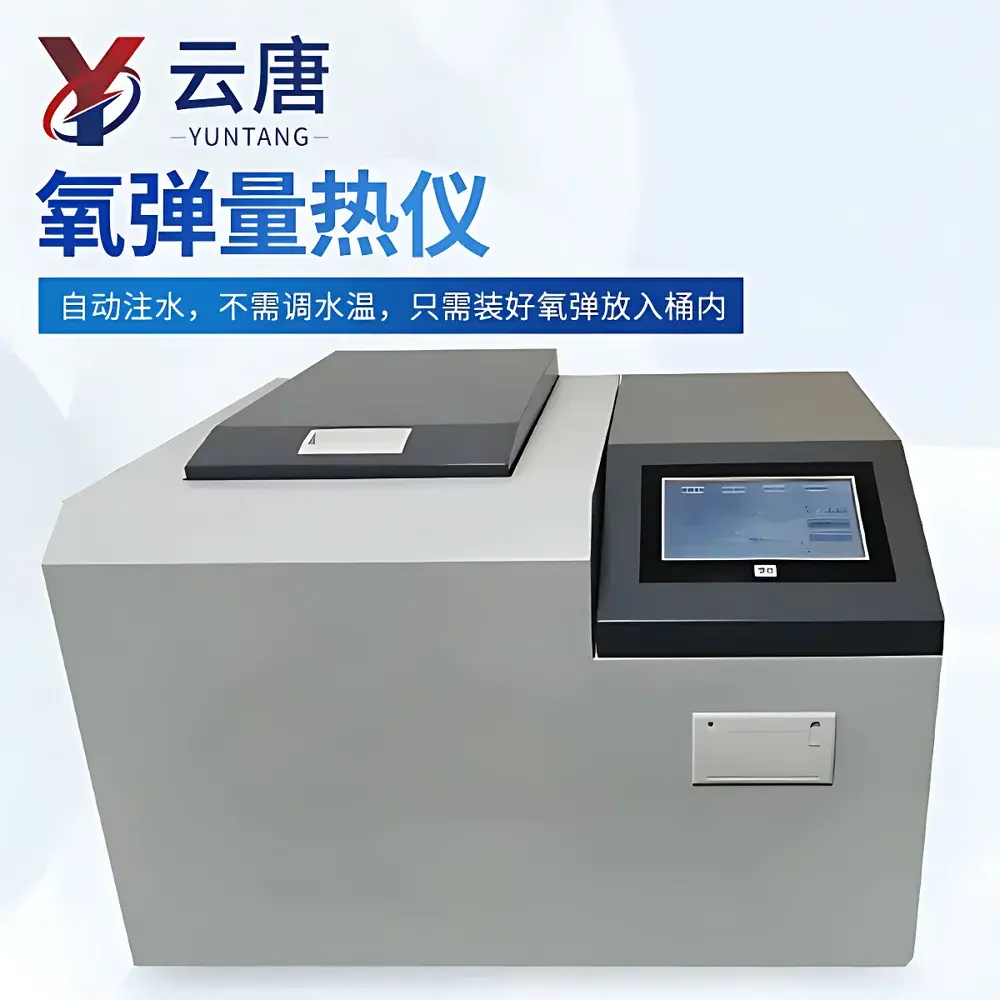

Yuntang YT-LR1 Oxygen Bomb Calorimeter for Solid Waste and Coal Calorific Value Determination
| Brand | Yuntang |
|---|---|
| Origin | Shandong, China |
| Manufacturer Type | Direct Manufacturer |
| Country of Origin | China |
| Model | YT-LR1 |
| Price Range | USD 1,600 – 5,300 (FOB) |
| Measurement Principle | Isoperibol Oxygen Bomb Calorimetry |
| Temperature Resolution | 0.0001 K |
| Thermal Capacity | 10,500 J/K |
| Ambient Temperature Range | 5–35 °C |
| Relative Humidity Limit | ≤80% RH |
| Ignition Voltage | 24 V DC |
| Ignition Duration | 5 s |
| Temperature Range | 0–40 °C |
| Power Consumption | ≤80 W |
| Supply | AC 220 V ±10%, 50 Hz ±1 Hz |
| Net Weight | 35 kg |
| Dimensions (W×D×H) | 420 × 600 × 470 mm |
| Packaged Weight | 45 kg |
| Packaged Dimensions | 470 × 650 × 500 mm |
Overview
The Yuntang YT-LR1 Oxygen Bomb Calorimeter is a fully automated, isoperibol-type calorimetric system engineered for precise determination of gross calorific value (GCV) in solid fuels and waste materials. Designed in accordance with the fundamental thermodynamic principles of oxygen bomb combustion calorimetry, the instrument operates by completely oxidizing a precisely weighed sample inside a high-pressure stainless-steel oxygen bomb immersed in a thermostatically controlled water jacket. The heat released during combustion is quantified via high-resolution temperature measurement (0.0001 K resolution) and corrected for thermal losses using an advanced cooling correction algorithm—ensuring long-term stability and metrological traceability. This system meets or exceeds the repeatability and reproducibility requirements specified in ISO 1928, ASTM D5865, GB/T 213–2008 (Coal), and GB/T 384 (Petroleum Products), making it suitable for quality control laboratories, coal preparation plants, municipal solid waste (MSW) characterization facilities, and R&D institutions engaged in energy content evaluation of heterogeneous biomass and industrial residues.
Key Features
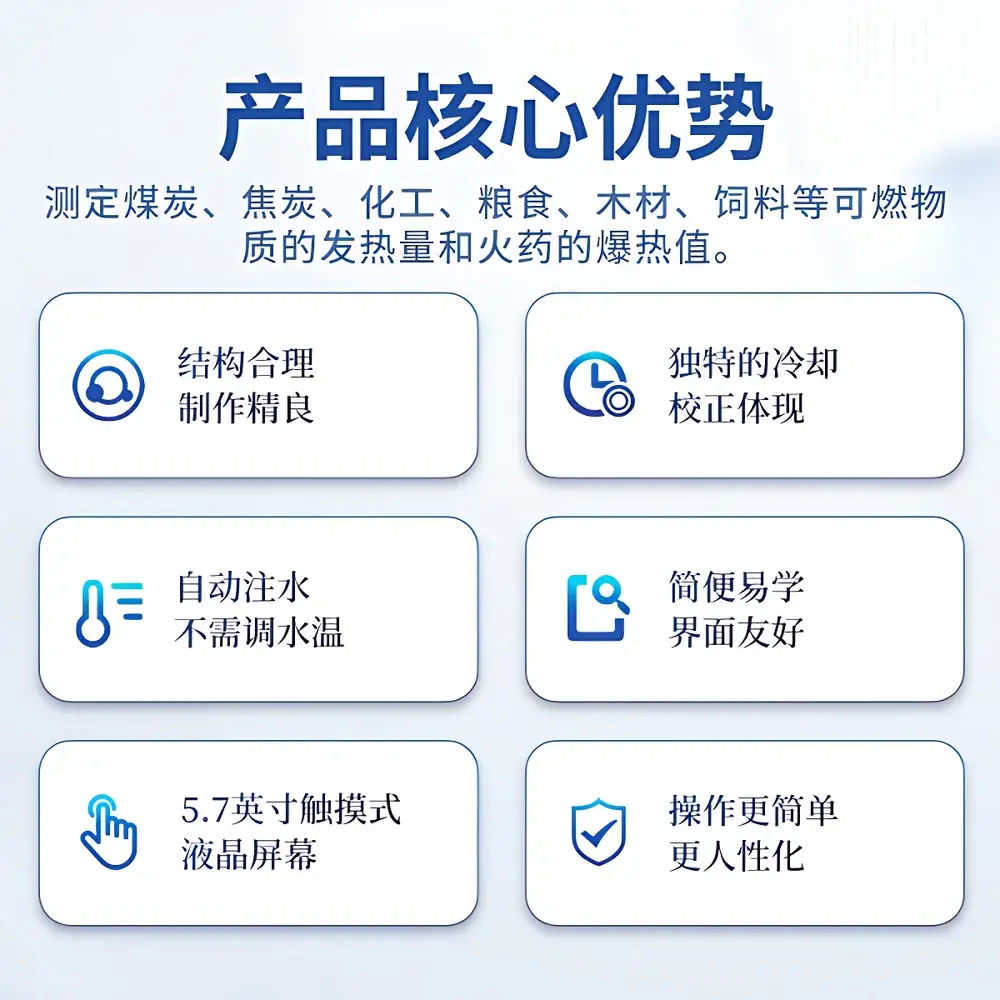
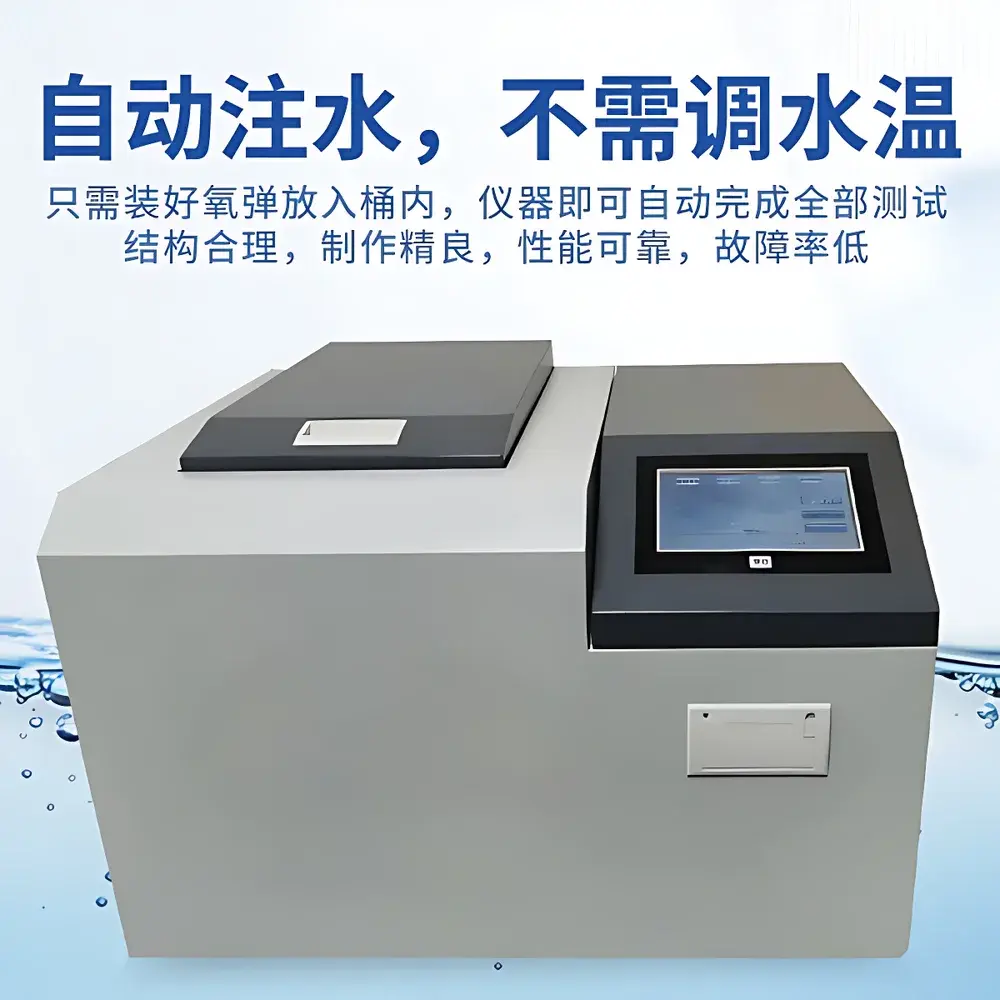
- Fully integrated operation: Automatic water filling, oxygen charging, ignition sequence initiation, temperature acquisition, and data calculation—all executed without manual intervention after sample loading.
- 5.7-inch industrial-grade resistive touchscreen interface with multi-layer composite film overlay; optimized for durability (≥10-year operational lifespan), high optical clarity, low reflectivity, and ≥90% active sensing area.
- Robust isoperibol architecture with calibrated thermal capacity of 10,500 J/K, minimizing dependence on ambient temperature fluctuations (max. ±1 K variation permitted during test).
- Dedicated hardware-based cooling correction model—validated against benzoic acid reference standards—ensures consistent accuracy across extended operational cycles without recalibration drift.
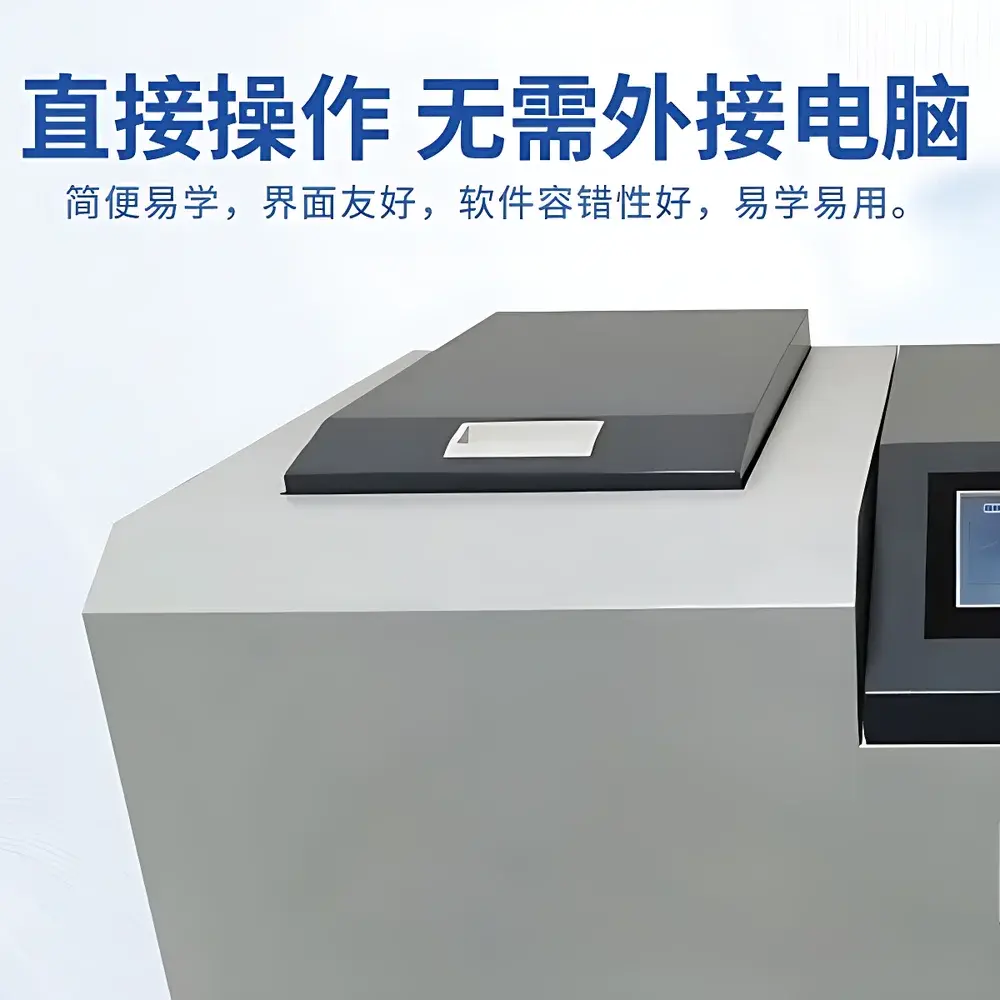
- Self-contained embedded system: No external PC required; all firmware, calibration tables, and report generation modules reside onboard.
- Compliance-ready design: Supports audit trails for calibration events, operator logins, and result modifications—aligned with GLP documentation practices and preparatory for FDA 21 CFR Part 11-compliant software upgrades.
Sample Compatibility & Compliance
The YT-LR1 accommodates diverse solid combustibles including bituminous and anthracite coals, coke, lignite, biomass pellets, agricultural residues (e.g., rice husk, straw), sewage sludge, plastic-containing waste fractions, and energetic materials such as propellants and explosives (subject to local regulatory authorization). Sample mass range: 0.5–1.5 g (coal), up to 2.0 g for low-energy-density matrices. All measurements conform to national and international standard methods: GB/T 213–2008 (China), ISO 1928:2020 (Solid mineral fuels — Determination of gross calorific value), ASTM D5865–22 (Standard Test Method for Gross Calorific Value of Coal and Coke), and EN 14918:2010 (Solid biofuels — Determination of calorific value). The system supports routine verification using certified reference materials (CRMs) traceable to NIST or CNAS-accredited providers.
Software & Data Management
Onboard firmware provides intuitive navigation through test setup, calibration management, result review, and report export (CSV/Excel-compatible format). Each test record includes timestamp, operator ID, sample ID, oxygen pressure, ignition status, raw temperature curve, cooling correction coefficient, final GCV (kJ/kg), and uncertainty estimation per ISO/IEC 17025 guidelines. Audit logs capture all configuration changes, calibration updates, and data edits—including user identity and time stamp—to satisfy internal QA protocols and third-party accreditation audits. Optional Ethernet or RS-232 connectivity enables integration into LIMS environments and centralized data archiving servers.
Applications
- Coal trading and blending optimization: Rapid GCV screening for compliance with contractual specifications (e.g., ASTM D3176, ISO 1170).
- Municipal solid waste (MSW) energy recovery assessment: Quantification of refuse-derived fuel (RDF) and solid recovered fuel (SRF) calorific potential per EN 15440.
- Biomass feedstock qualification: Validation of wood chips, torrefied biomass, and agro-industrial residues for combustion or gasification projects.
- Research on alternative fuels: Evaluation of pyrolysis char, tire-derived fuel (TDF), and contaminated soils requiring thermal treatment.
- Quality assurance in metallurgical coke production: Monitoring batch-to-batch consistency in blast furnace feedstocks.
- Explosives and propellant energetics testing: Determination of explosive heat of detonation (Qdet) under controlled laboratory conditions (in compliance with institutional safety protocols).
FAQ
What standards does the YT-LR1 comply with for coal testing?
It conforms to GB/T 213–2008, ISO 1928:2020, ASTM D5865–22, and EN 14918:2010 for gross calorific value determination.
Is external computer software required to operate the instrument?
No—the YT-LR1 features an embedded control system with full touchscreen interface; no PC dependency is needed for routine operation or reporting.
Can the instrument be used for non-coal samples such as plastics or sewage sludge?
Yes, provided appropriate sample preparation (drying, homogenization, pelletization) and CRM-based validation are performed per ISO 1928 Annex B guidance.
How is thermal drift compensated during extended testing sessions?
The system employs a dynamic cooling correction algorithm derived from the temperature-time curve before and after combustion, validated against benzoic acid CRMs at regular intervals.
What maintenance is required to ensure long-term accuracy?
Routine cleaning of the oxygen bomb, calorimeter bucket, and thermometer well; annual verification of thermal capacity using certified benzoic acid; biannual inspection of O-rings and electrical contacts.



