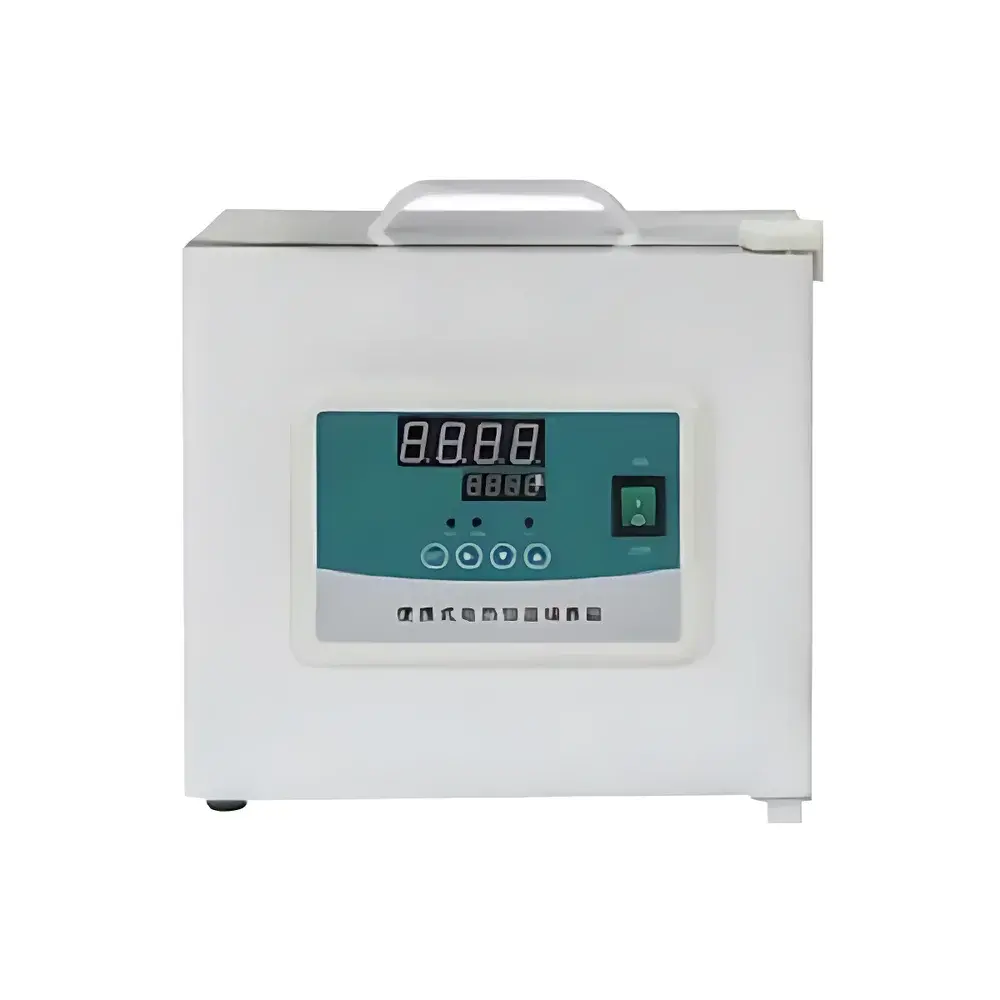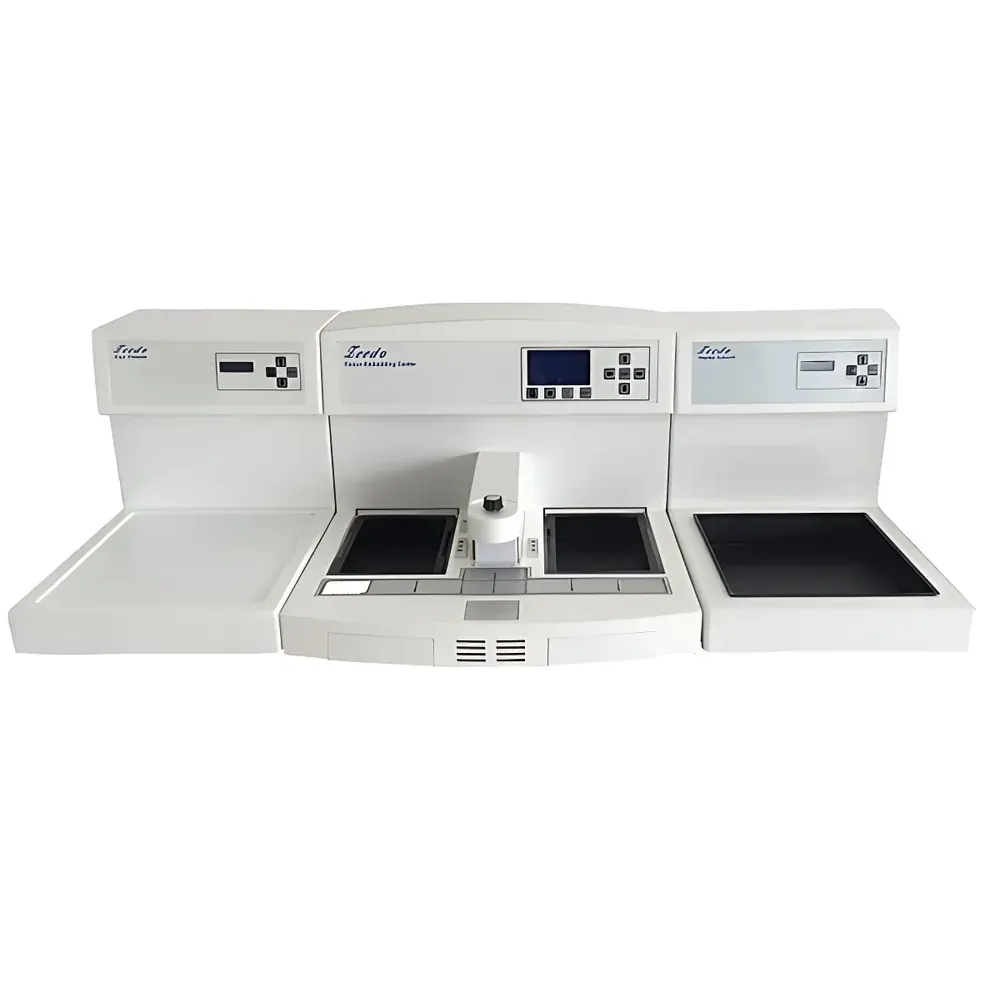
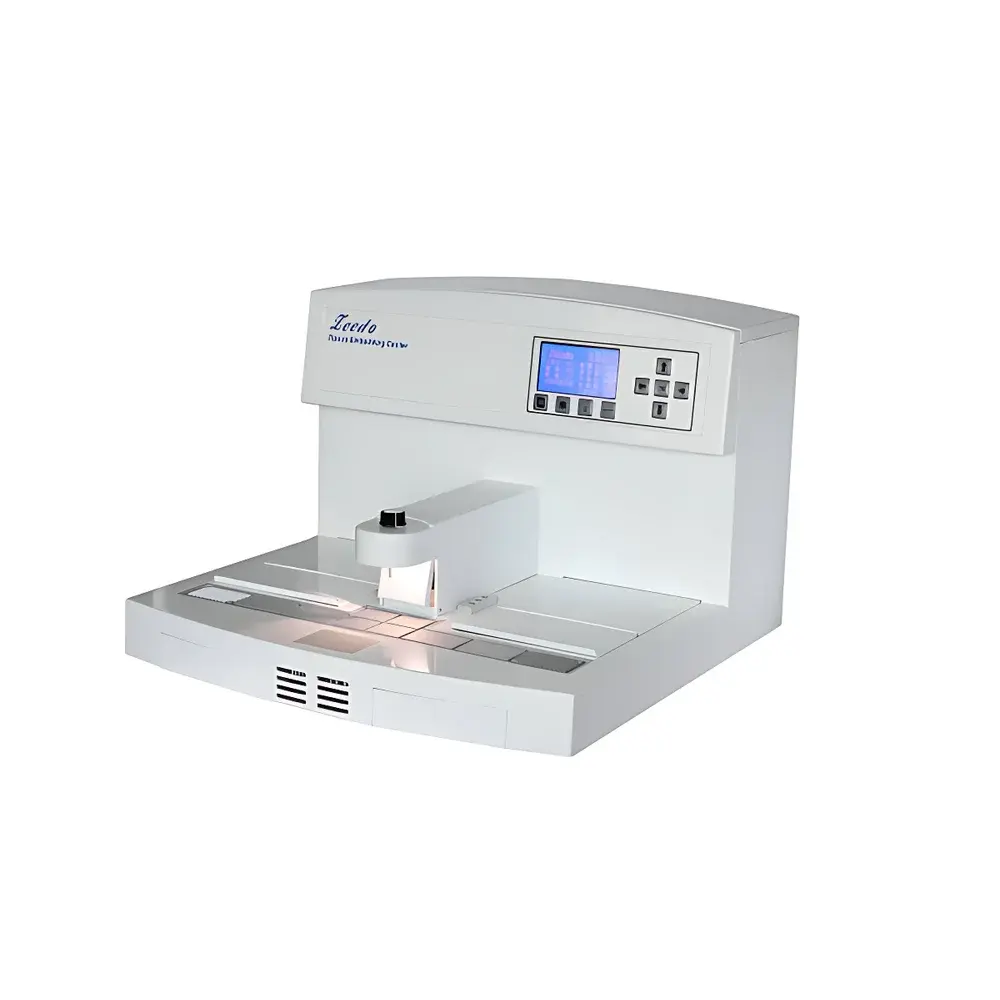
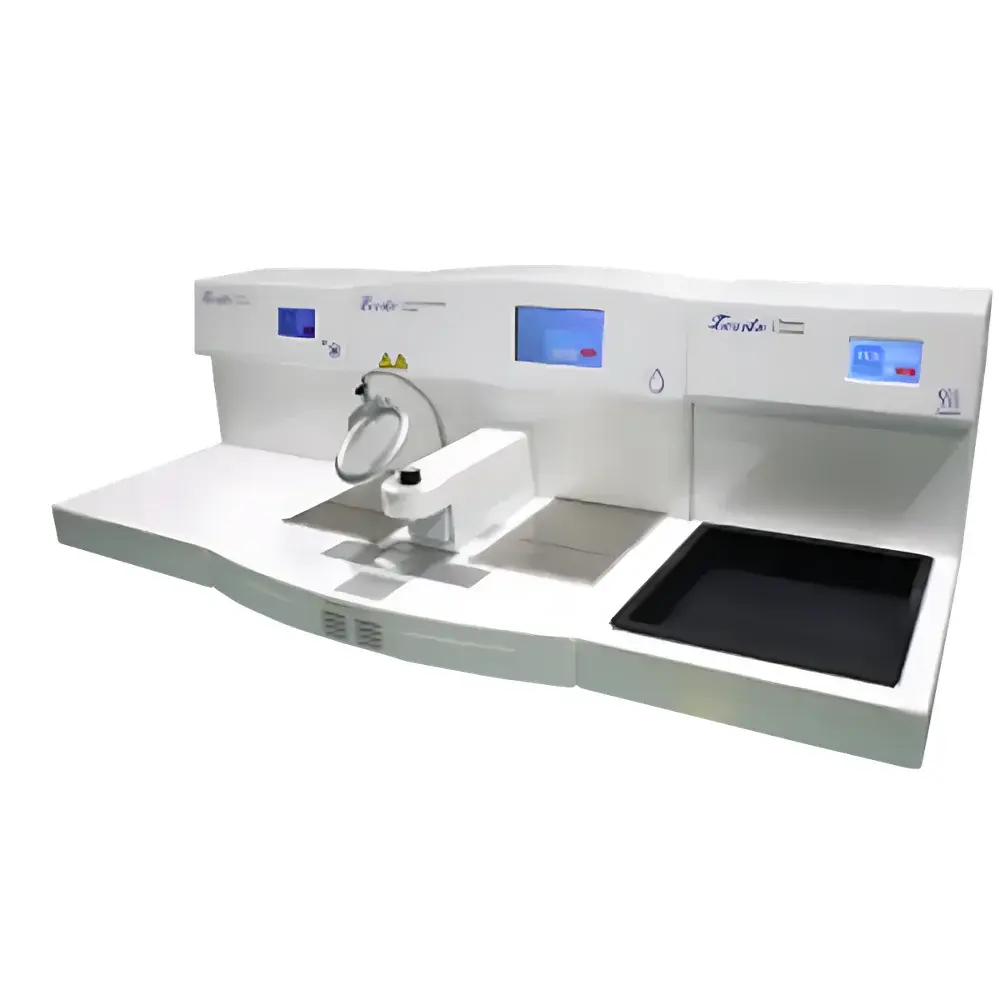
ZEEDO ES-500 Cryo-Embedding Workstation for Histopathology
| Brand | ZEEDO (Huasu) |
|---|---|
| Model | ES-500 |
| Origin | Zhejiang, China |
| Type | Automated Paraffin Embedding System with Integrated Cryo-Station |
| Wax Tank Capacity | 6 L |
| Temperature Control Range (Wax/Work Surface/Storage) | 0–99 °C |
| Cryo-Station Setpoint Range | Ambient to –20 °C |
| Heating Stage Range | 30–90 °C |
| Power | Main Unit 800 W, Cryo-Station 200 W, Heating Stage 500 W |
| Dimensions (Main Unit) | 650 × 647 × 465 mm |
| Net Weight (Main Unit) | 25.5 kg |
| Compliance | CE-marked per IEC 61010-1 (Laboratory Equipment Safety), Designed for GLP/GMP-Compliant Histology Labs |
Overview
The ZEEDO ES-500 Cryo-Embedding Workstation is a fully integrated, benchtop histopathology system engineered for precision paraffin embedding of biological tissue specimens under controlled thermal conditions. Unlike conventional standalone paraffin dispensers or manual embedding centers, the ES-500 combines three thermally independent modules — a programmable wax melting and dispensing unit, a Peltier-cooled cryo-stage (–20 °C), and an adjustable heating stage (30–90 °C) — into a single coordinated workflow platform. Its operational principle relies on precise thermal gradient management: tissue blocks are rapidly chilled on the cryo-stage for structural stabilization, transferred to the heated stage for orientation and trimming, then embedded in molten paraffin maintained at user-defined setpoints via PID-controlled dual-zone heating. This architecture supports reproducible tissue orientation, minimal ice crystal formation during freezing, and consistent wax infiltration — critical prerequisites for high-fidelity microtome sectioning and downstream H&E or IHC staining.
Key Features
- 7-inch capacitive touchscreen interface with switchable English/Chinese language support and real-time multi-channel temperature curve visualization
- PID-based closed-loop temperature regulation across all thermal zones (wax tank, dispensing nozzle, work surface, storage reservoir), achieving ±0.1 °C stability under steady-state conditions
- 6-liter stainless-steel wax reservoir enabling continuous operation for up to 600 embedding cycles per fill; independent temperature control for each sub-component ensures optimal wax viscosity and flow consistency
- Dual-mode wax dispensing: foot-switch actuation for hands-free operation and manual trigger for fine-tuned placement; adjustable dispensing duration and volumetric flow rate
- Modular, decoupled design allows flexible spatial arrangement of cryo-stage, heating stage, and embedding console — compatible with standard histology bench layouts and ISO 15189-certified laboratory workflows
- Integrated LED shadowless illumination system with adjustable intensity and timer-based auto-off function; mounted on articulated gooseneck arm with 10× magnification semiconductor-cooled zoom lens
- Thermal safety architecture: redundant overtemperature cutoffs (mechanical + electronic), automatic system shutdown upon door open detection, and non-volatile memory retention of last-used parameters after power interruption
- Embedded firmware supports remote diagnostics and lifetime free software updates via USB or optional Ethernet interface
Sample Compatibility & Compliance
The ES-500 accommodates standard histological cassettes (e.g., 30 × 25 × 12 mm), gelatin-coated molds, and custom aluminum or plastic embedding molds. It supports routine human and veterinary tissue types — including fatty, fibrous, and calcified specimens — when paired with appropriate pre-processing protocols (dehydration, clearing, infiltration). The system meets essential safety requirements per IEC 61010-1:2010 for electrical equipment used in laboratory environments. While not FDA 510(k)-cleared as a medical device, its thermal performance, material biocompatibility (food-grade silicone gaskets, 304 stainless steel wetted parts), and traceable calibration pathways align with CAP-accredited histopathology laboratory standards. Audit-ready temperature logs (CSV export) and parameter change history satisfy GLP documentation requirements per OECD Series on Principles of Good Laboratory Practice.
Software & Data Management
Firmware v3.2+ provides timestamped, tamper-evident thermal event logging stored locally on internal flash memory (16 GB). Each session records wax temperature setpoint, actual measured values at 2-second intervals, cryo-stage cooldown profile, and operator ID (via optional RFID badge integration). Exported logs include ISO 8601 timestamps and comply with ALCOA+ data integrity principles (Attributable, Legible, Contemporaneous, Original, Accurate, Complete, Consistent, Enduring, Available). The embedded OS supports audit trail configuration (enable/disable), user role assignment (admin/operator), and password-protected parameter lockout — features aligned with FDA 21 CFR Part 11 readiness for regulated environments. No cloud dependency: all data remains on-device unless manually exported.
Applications
- Routine diagnostic histology in hospital pathology departments and reference laboratories
- Preclinical research tissue processing in academic and pharmaceutical CRO settings
- Quality control of biobanked specimens requiring standardized embedding protocols
- Training platforms for histotechnician certification programs (HTL, HT)
- Specialized applications including nerve tissue embedding (low-viscosity wax protocols), bone marrow clot processing, and small biopsy orientation under magnification
FAQ
What is the maximum number of tissue blocks processed per hour?
Typical throughput is 80–100 cassettes per hour under standard protocol (pre-chilled mold, 58 °C wax, ambient lab temperature), depending on operator proficiency and specimen complexity.
Does the system support programmable multi-step embedding cycles?
Yes — up to 16 user-defined protocols can be saved, each with independent setpoints for wax temperature, cryo-stage target, heating stage ramp rate, and illumination duration.
Is validation documentation available for IQ/OQ/PQ procedures?
Standard factory test reports (including temperature uniformity mapping and wax flow calibration certificates) are provided; full GxP validation kits (with URS, DQ/IQ/OQ templates) are available upon request.
Can the cryo-stage operate independently of the main unit?
Yes — the cryo-module has its own power input and control interface, allowing standalone use as a cold plate for microtome anti-static preparation or tissue storage.
What maintenance intervals are recommended?
Wax filtration every 200 operating hours; nozzle cleaning with xylene weekly; full thermal sensor calibration annually using NIST-traceable reference probes.