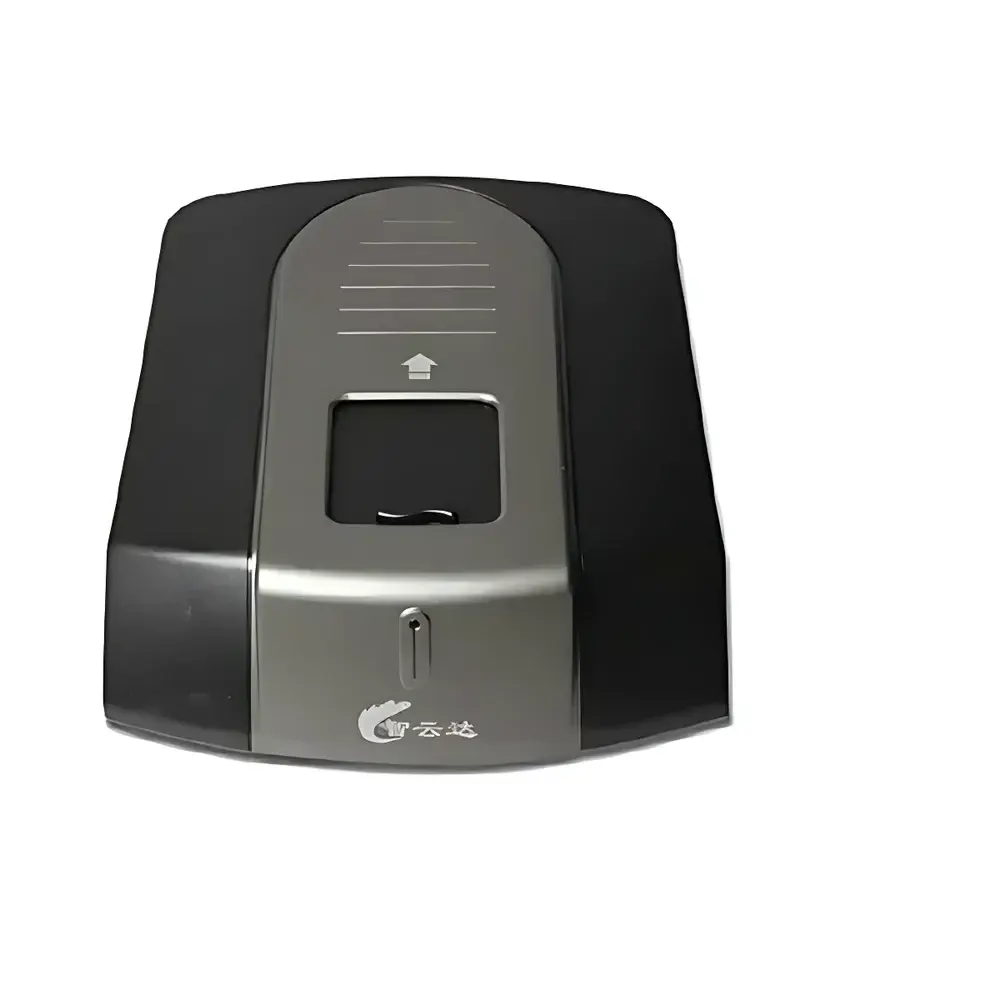
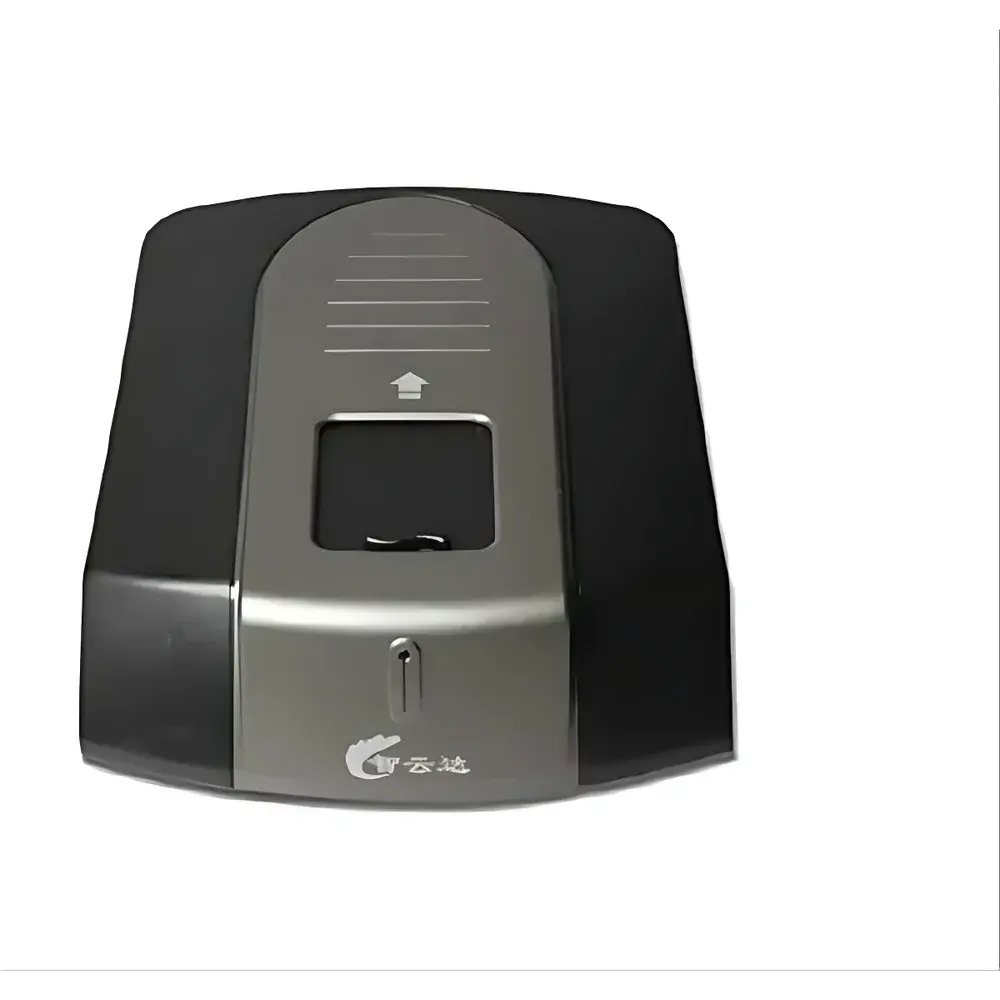
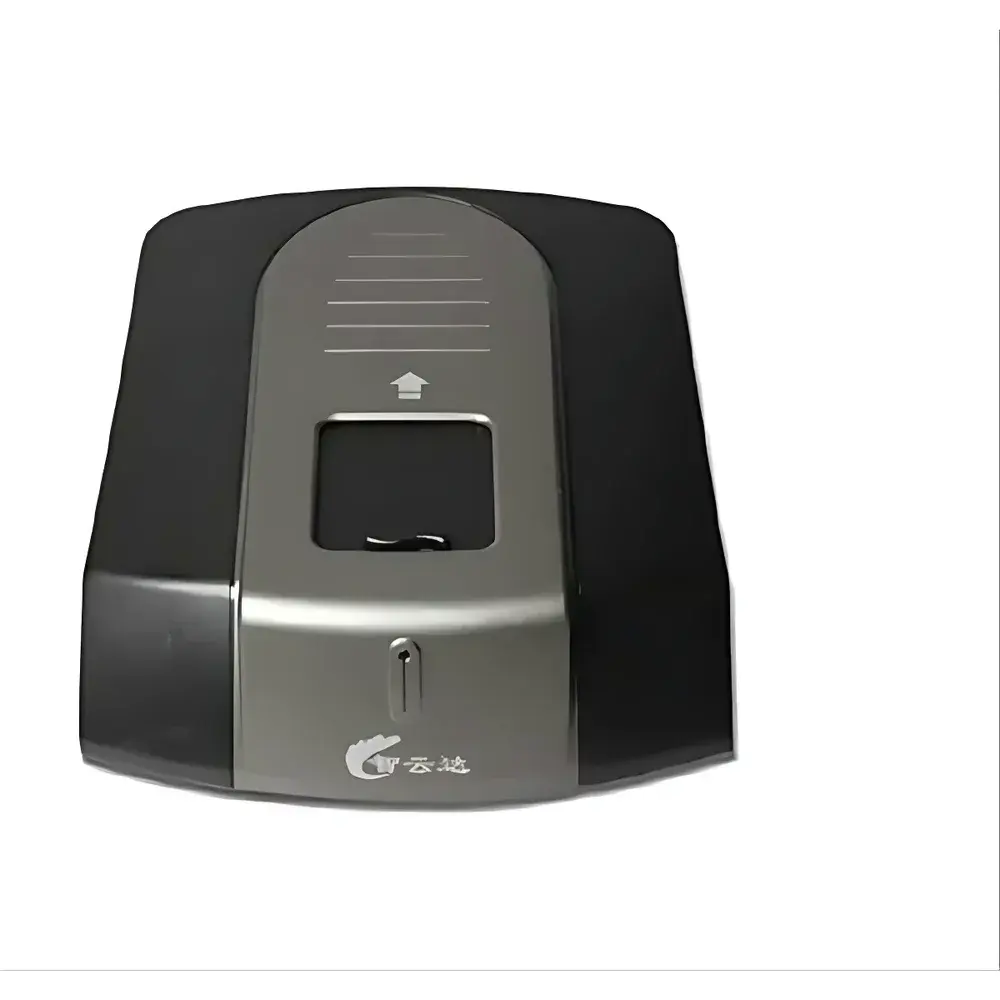
Zhiyunda PCS-F Multi-Function Food Safety Analyzer
| Brand | Zhiyunda |
|---|---|
| Origin | Shanghai, China |
| Manufacturer Type | Authorized Distributor |
| Region of Manufacture | Domestic (PRC) |
| Model | PCS-F |
| Pricing | Available Upon Request |
Overview
The Zhiyunda PCS-F Multi-Function Food Safety Analyzer is a benchtop spectrophotometric instrument engineered for quantitative and qualitative analysis of food and water safety parameters. It operates on the principle of UV-Vis absorption spectroscopy, utilizing a concave flat-field holographic grating, a CCD linear array detector, and a tungsten-halogen lamp light source to deliver continuous spectral coverage across the visible range (380–780 nm). This optical architecture ensures high wavelength accuracy, photometric stability, and reproducible absorbance measurements essential for regulatory-grade screening. Designed for field-deployable and laboratory-based use, the PCS-F integrates with a standard Windows-based laptop via USB 2.0, leveraging the host computer’s processing power, display interface, and peripheral connectivity to realize a flexible, scalable, and audit-ready analytical platform. Its core application domain includes rapid screening of adulterants, contaminants, and quality markers in raw materials, processed foods, drinking water, and agricultural commodities.
Key Features
- Full-spectrum UV-Vis detection system with holographic concave grating and CCD array detector for high-resolution spectral acquisition
- Pre-programmed calibration curves for over 30 food and water safety analytes—including pesticide residues, formaldehyde, sulfite, nitrite, hydrogen peroxide, free chlorine, melamine, volatile basic nitrogen, iodine content, total acidity, monosodium glutamate, and suspected illicit oils (e.g., “gutter oil”)
- Advanced operational modes: quantitative analysis, spectral scanning (wavelength scan), kinetic/time-scan profiling, and method development support
- Modular architecture—no internal battery or embedded OS; powered and controlled entirely via external laptop, enabling seamless firmware and method updates via software download
- Comprehensive data management suite supporting GLP-compliant audit trails, user-level access control, timestamped result logging, and CFR Part 11–compatible electronic signatures (when deployed with validated software configuration)
- Integrated communication interfaces: USB 2.0 host connection, support for external printers (USB/LPT), USB flash storage, and optional Ethernet/Wi-Fi modules for networked data transmission to centralized monitoring platforms
- Built-in sample preparation accessories kit—centrifuge adapters, extraction reagents, cuvette holders, and standardized reaction vials—eliminating need for third-party consumables procurement
Sample Compatibility & Compliance
The PCS-F accommodates liquid, homogenized slurry, and clarified extract samples in standard 10-mm pathlength quartz or disposable plastic cuvettes. Sample introduction is manual; no autosampler is integrated. Method protocols align with established Chinese national standards (e.g., GB 5009 series, GB/T 5750 for water), as well as harmonized international reference procedures including AOAC Official Methods®, ISO 7870-2 (control charts), and EPA Method 365.3 (phosphate), where applicable. While not certified to IEC 61000-4 electromagnetic immunity or UL/CSA safety standards out-of-box, the system meets GB/T 18268.1–2010 (electromagnetic compatibility for laboratory equipment) and GB 4793.1–2007 (safety requirements for electrical equipment). Documentation supports traceability under GMP and HACCP frameworks when used within validated SOPs.
Software & Data Management
The proprietary Zhiyunda Analytical Suite (v4.2+) runs on Windows 10/11 (64-bit) and provides full instrument control, real-time spectrum visualization, curve fitting, multi-point calibration, and batch report generation. Software features include configurable pass/fail thresholds per analyte, automatic dilution factor compensation, outlier detection using Grubbs’ test, and export to CSV, PDF, or XML formats compliant with LIMS ingestion protocols. Audit trail functionality records all parameter changes, measurement events, user logins, and data exports with immutable timestamps—enabling compliance with FDA 21 CFR Part 11 requirements when deployed with digital certificate authentication and role-based permissions. Cloud synchronization (via HTTPS API) allows secure upload to municipal or provincial food safety surveillance dashboards.
Applications
The PCS-F serves routine screening and confirmatory testing in regulatory laboratories (e.g., provincial CDCs, CIQ inspection centers), food manufacturing QA/QC departments, agricultural cooperatives, school meal program oversight units, and retail chain quality assurance offices. Typical use cases include: verification of preservative levels in cured meats; quantification of residual chlorine in potable water distribution systems; rapid detection of illegal bleaching agents in rice noodles or tofu; screening for formaldehyde adulteration in aquatic products; and monitoring of amine formation during fish spoilage. Its modularity and software-upgradable design make it suitable for evolving regulatory mandates without hardware replacement.
FAQ
Does the PCS-F comply with ISO/IEC 17025 requirements for accredited testing laboratories?
Yes—when operated under documented SOPs, calibrated against NIST-traceable standards, and supported by full software audit logs, the PCS-F meets technical competence criteria outlined in ISO/IEC 17025:2017 clauses 6.4 (equipment) and 7.2 (method validation).
Can the instrument be used for quantitative analysis without a connected laptop?
No—the PCS-F has no standalone display, onboard OS, or internal power supply; laptop dependency is fundamental to its architecture.
Is method validation support available for new analytes?
Zhiyunda provides method development templates, spike-recovery protocols, LOD/LOQ calculation tools, and collaborative validation guidance upon request for qualified users.
What is the typical warm-up time and photometric stability specification?
Optical system stabilizes within 15 minutes after lamp ignition; photometric drift remains ≤0.002 Abs/h at 546 nm over 4-hour continuous operation.
Are reagent kits supplied with instrument certification?
All factory-provided reagent sets include CoA (Certificate of Analysis) with lot-specific purity, expiry date, and compatibility validation data against preloaded methods.