
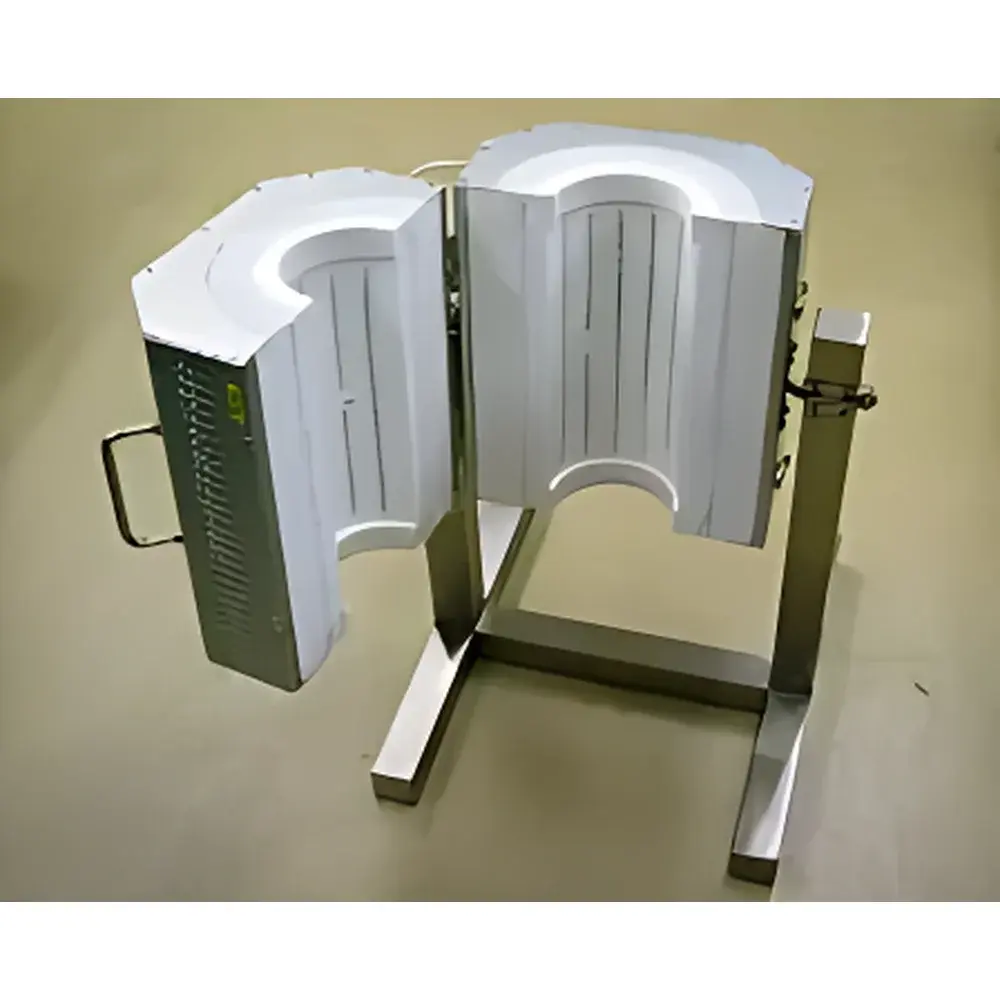
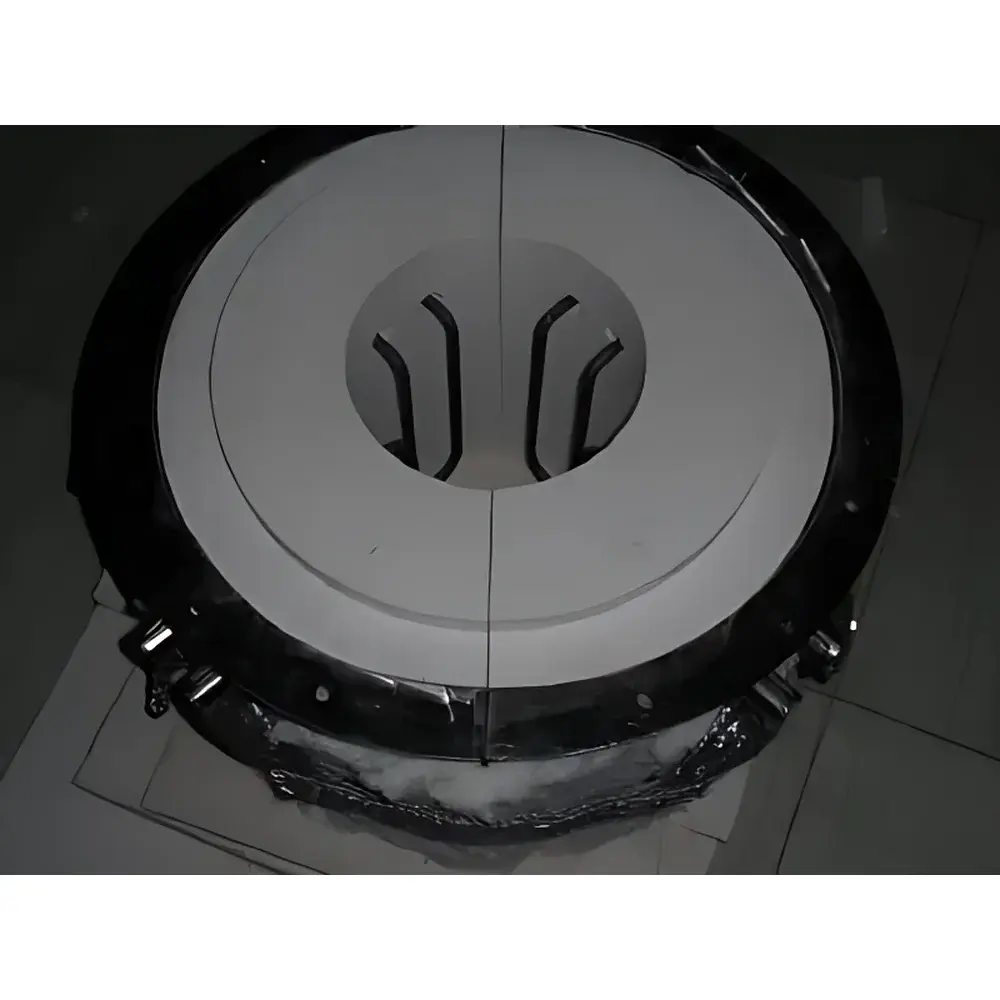
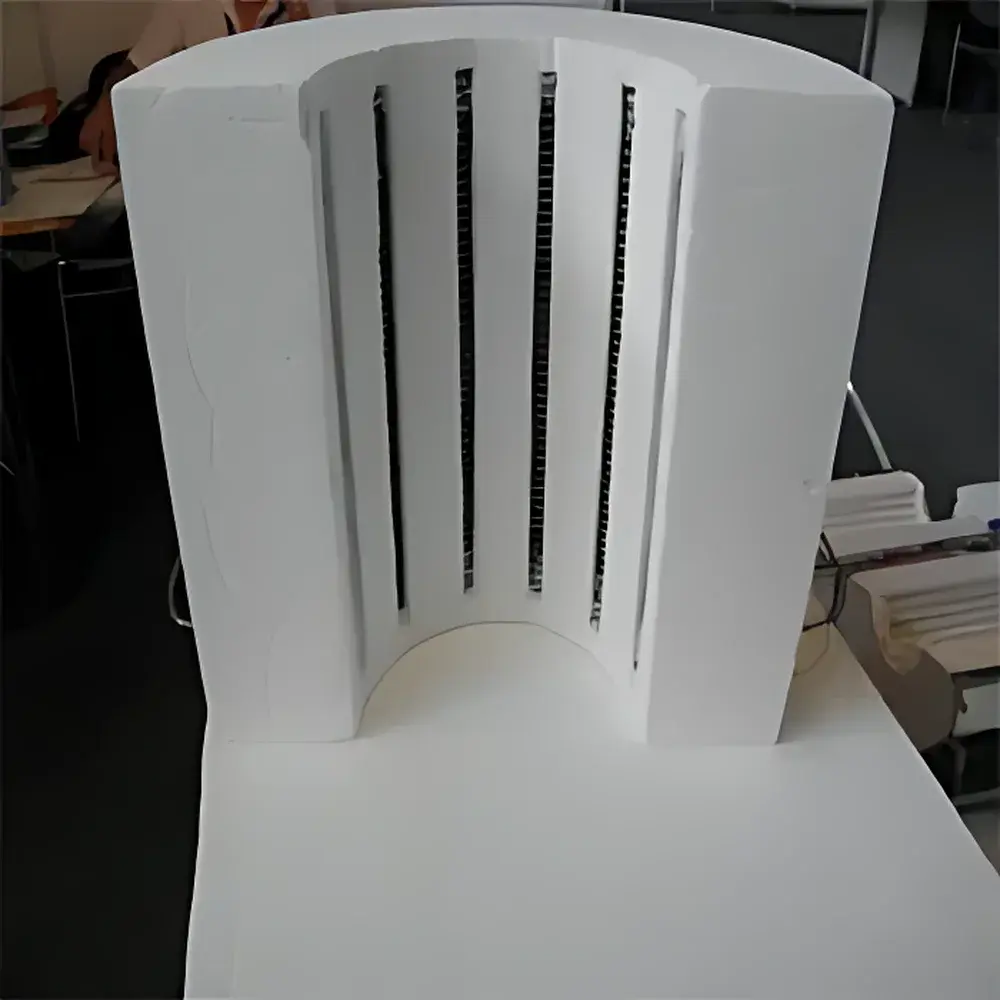
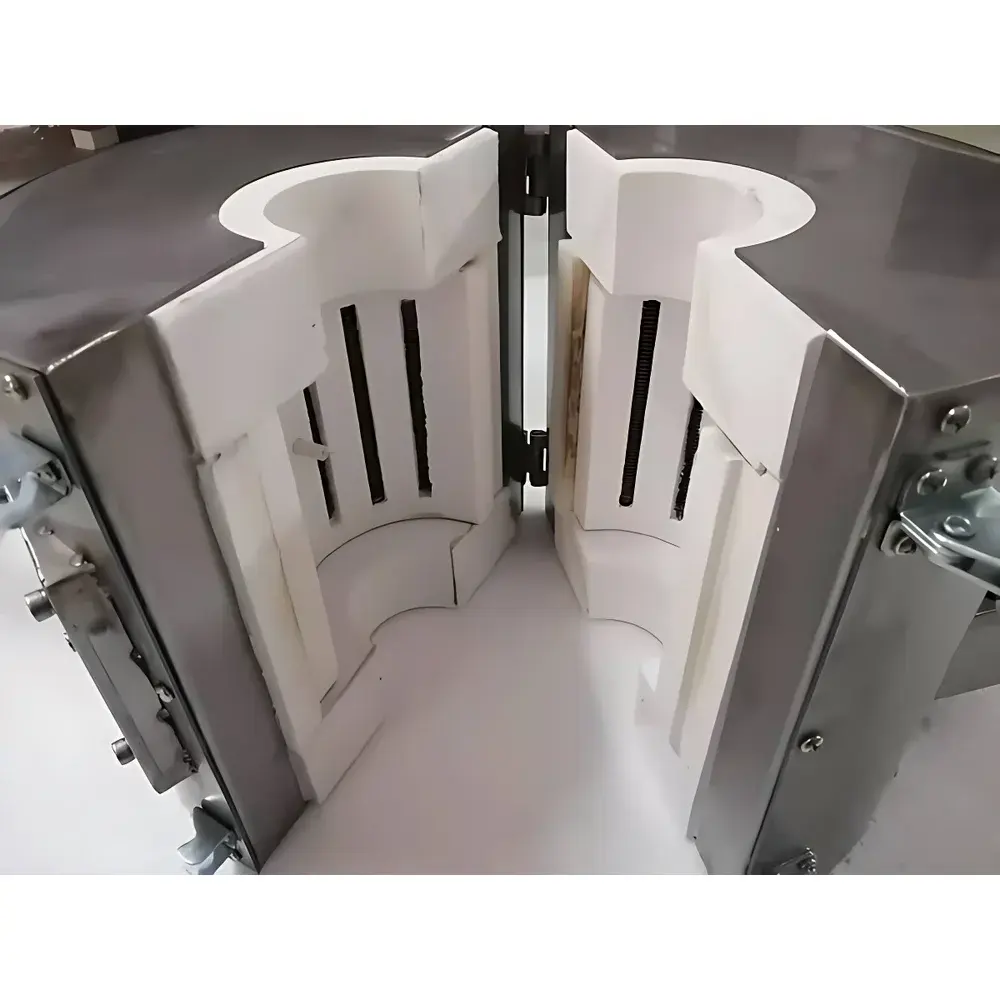
Zhongke Aobo TL Series Vertical Muffle Furnace
| Brand | Zhongke Aobo |
|---|---|
| Origin | Beijing, China |
| Model | TL0610 / TL0910 / TL0612 / TL0912 / TL0614 / TL0914 / TL2010 / TL3010 / TL6010 / TL2012 / TL3012 / TL6012 / TL2014 / TL3014 / TL0217 / TL0417 / TL0617 / TL0917 |
| Max Temperature | 1000 °C / 1200 °C / 1400 °C / 1700 °C |
| Chamber Volume | 2 L to 60 L |
| Power Supply | 220 V/16 A (≤9 L) |
| Heating Rate | ≤30 min (100 → 1000 °C) |
| Surface Temperature at 1000 °C Hold | ≤55 °C |
| Insulation | High-purity ceramic fiber furnace chamber |
Overview
The Zhongke Aobo TL Series Vertical Muffle Furnace is a precision-engineered laboratory heating system designed for controlled high-temperature thermal processing in analytical, quality control, and research environments. Utilizing a vertical muffle configuration with double-layered high-density ceramic fiber insulation, the furnace achieves rapid thermal ramping, exceptional energy efficiency, and uniform temperature distribution across the working zone. Its design conforms to standard muffle furnace operational principles—providing an enclosed, oxidation-resistant atmosphere ideal for ashing, calcination, loss-on-ignition (LOI), moisture determination, volatile matter analysis, and elemental residue preparation. The TL Series supports compliance-critical workflows in coal analysis (ASTM D3174, D3175), pharmaceutical testing (USP <281>, EP 2.2.27), environmental sample digestion (EPA Method 3010A), and cement clinker evaluation (ISO 6872). Each unit operates under programmable PID temperature control with ±1 °C accuracy over the full range, ensuring repeatability essential for GLP- and GMP-aligned laboratories.
Key Features
- Rapid thermal response: Achieves 100 → 1000 °C in under 30 minutes; 100 → 1700 °C in under 90 minutes — optimized via low-thermal-mass ceramic fiber lining and high-efficiency silicon carbide or molybdenum disilicide (MoSi₂) heating elements depending on max temperature rating.
- Thermal safety architecture: Outer casing surface temperature remains ≤55 °C during continuous operation at 1000 °C — verified per IEC 61000-4-2 and EN 61010-1 requirements for operator protection.
- Modular chamber capacity: Standard configurations span 2 L to 60 L internal volume, enabling scalability from small-sample ashing (e.g., biological tissue, filter papers) to bulk mineral or fuel sample processing.
- Energy-efficient power architecture: Units ≤9 L operate on standard 220 V/16 A single-phase supply; larger models (20–60 L) utilize balanced 380 V/16 A three-phase input to maintain stable voltage regulation under sustained load.
- Configurable ventilation interface: Optional air inlet/outlet ports support integration with exhaust hoods or fume scrubbers, facilitating oxygen replenishment during prolonged combustion cycles and minimizing carbon buildup in organic-rich matrices.
Sample Compatibility & Compliance
The TL Series accommodates a broad spectrum of sample types—including coal, coke, biomass, pharmaceutical tablets, soil extracts, wastewater sludge, catalysts, and ceramic precursors—without cross-contamination risk due to its sealed muffle geometry and inert alumina or quartz crucible compatibility. All models meet ISO/IEC 17025 calibration traceability requirements when paired with NIST-traceable thermocouples (Type S for ≥1200 °C; Type K for ≤1000 °C). For regulated industries, the furnace supports audit-ready documentation: temperature profiles are timestamped and exportable via RS485/USB interface, aligning with FDA 21 CFR Part 11 data integrity expectations when used with validated software. Compliant with ASTM E1112 (muffle furnace performance specification), GB/T 212–2008 (coal proximate analysis), and ISO 1171 (ash content determination).
Software & Data Management
Each TL furnace integrates a microprocessor-based controller with dual-display digital interface (setpoint/actual temperature), 30-segment programmable ramp-soak profiles, and real-time curve logging. Optional PC connectivity enables remote monitoring and automated report generation via Windows-compatible software supporting CSV and PDF export. Audit trail functionality records all parameter changes, door openings, and thermal events with user ID and timestamp — fulfilling GLP record-keeping mandates. Firmware updates are performed via USB drive without hardware modification, ensuring long-term regulatory adaptability.
Applications
- Coal and solid fuel analysis: Determination of ash content (ASTM D3174), volatile matter (ASTM D3175), fixed carbon, and ash fusion temperature (ASTM D1857).
- Environmental testing: Total suspended solids (TSS) ignition loss, heavy metal residue quantification after EPA SW-846 Method 3010A acid digestion.
- Pharmaceutical QA/QC: Residue on ignition (USP <281>), excipient thermal stability screening, and capsule shell ash validation.
- Materials science: Pre-sintering of ceramics, thermal gravimetric pre-treatment, and catalyst support calcination.
- Food and agriculture: Crude ash determination in feedstuffs (AOAC 942.05) and botanical matrices.
FAQ
What temperature uniformity can be expected across the chamber at maximum operating temperature?
Typical radial and axial uniformity is ±5 °C at 1000 °C, ±8 °C at 1400 °C, and ±12 °C at 1700 °C — verified per ASTM E220 calibration procedures using multi-point thermocouple mapping.
Is the furnace compatible with inert or reducing atmospheres?
Standard configuration is air atmosphere only; optional quartz tube inserts with gas inlet/outlet ports (N₂, Ar, H₂/N₂ mixtures) are available for controlled-atmosphere applications.
How often does the ceramic fiber insulation require replacement?
Under normal use (≤8 h/day, <90% of max temperature), the insulation maintains structural integrity for ≥5 years; visual inspection every 12 months is recommended per maintenance protocol TL-MP-01.
Can the TL Series be integrated into a LIMS or MES environment?
Yes — Modbus RTU (RS485) and optional Ethernet/IP communication modules enable direct integration with laboratory information management systems for automated result ingestion and equipment status monitoring.



