
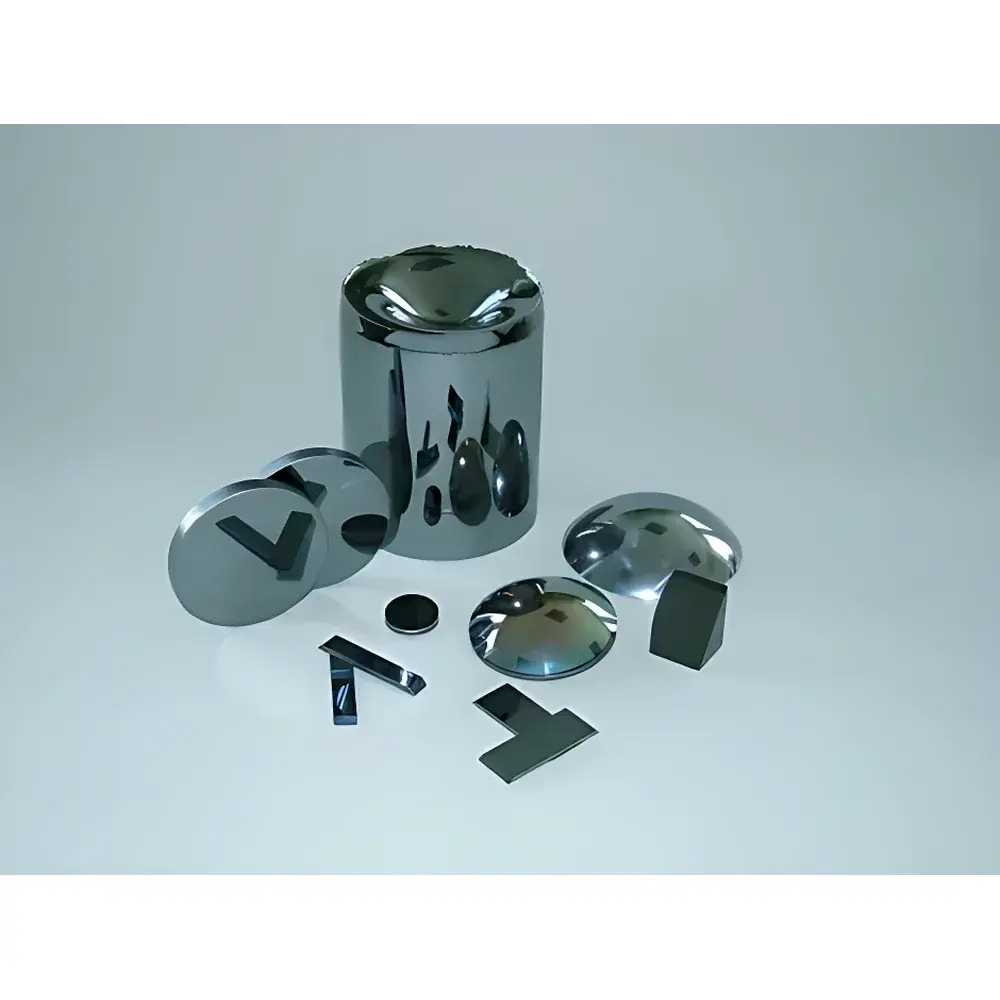
ZnSe Infrared Optical Material (CVD-Grown, Multispectral Grade)
| Origin | USA |
|---|---|
| Manufacturer Type | Authorized Distributor |
| Origin Category | Imported |
| Model | ZnSe |
| Price Range | USD 1–499 per component |
| Component Category | Optical Element |
| Material Class | II–VI Semiconductor IR Transmitting Material |
Overview
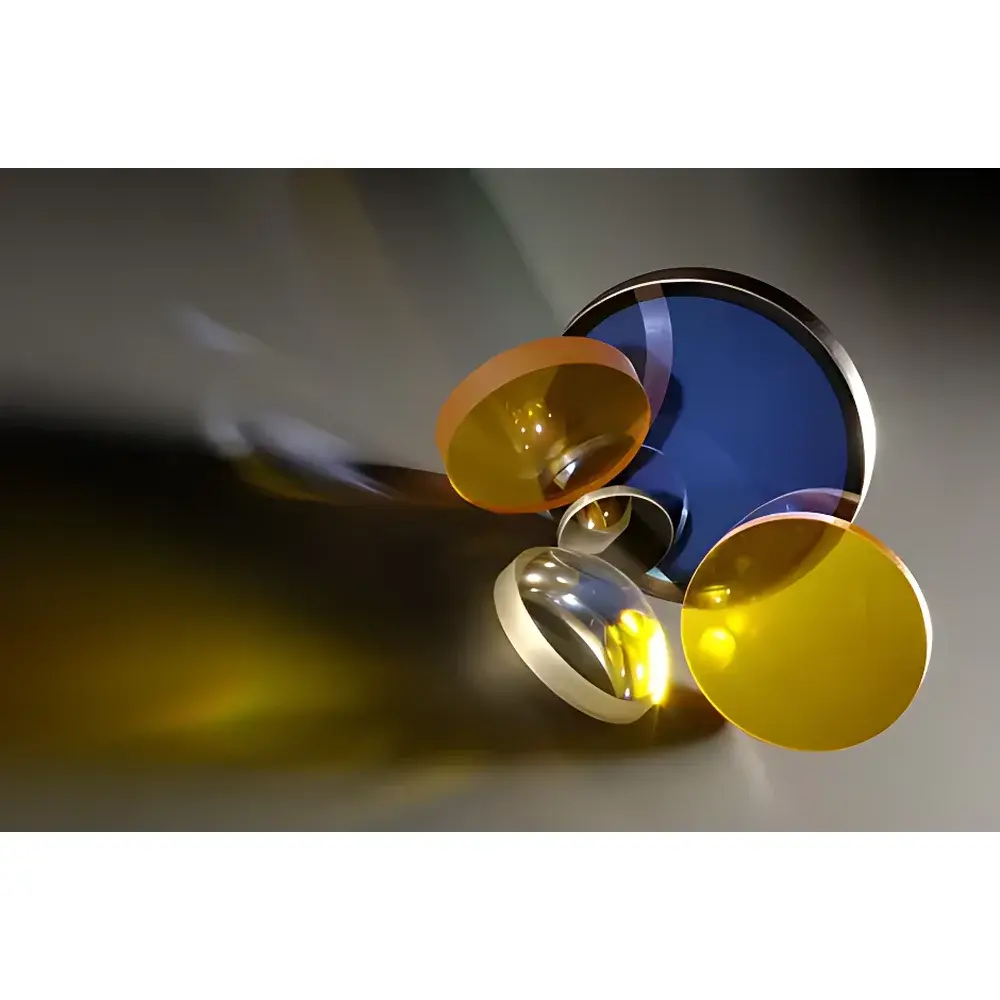
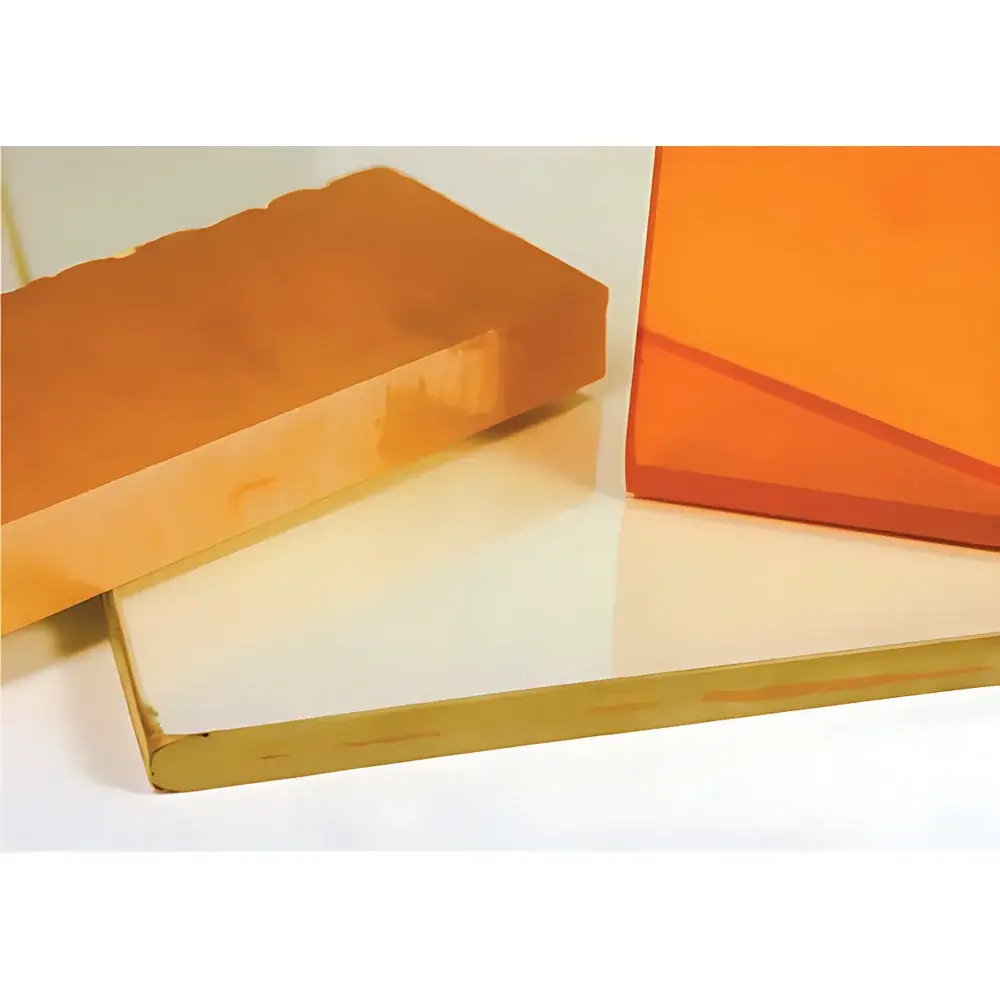
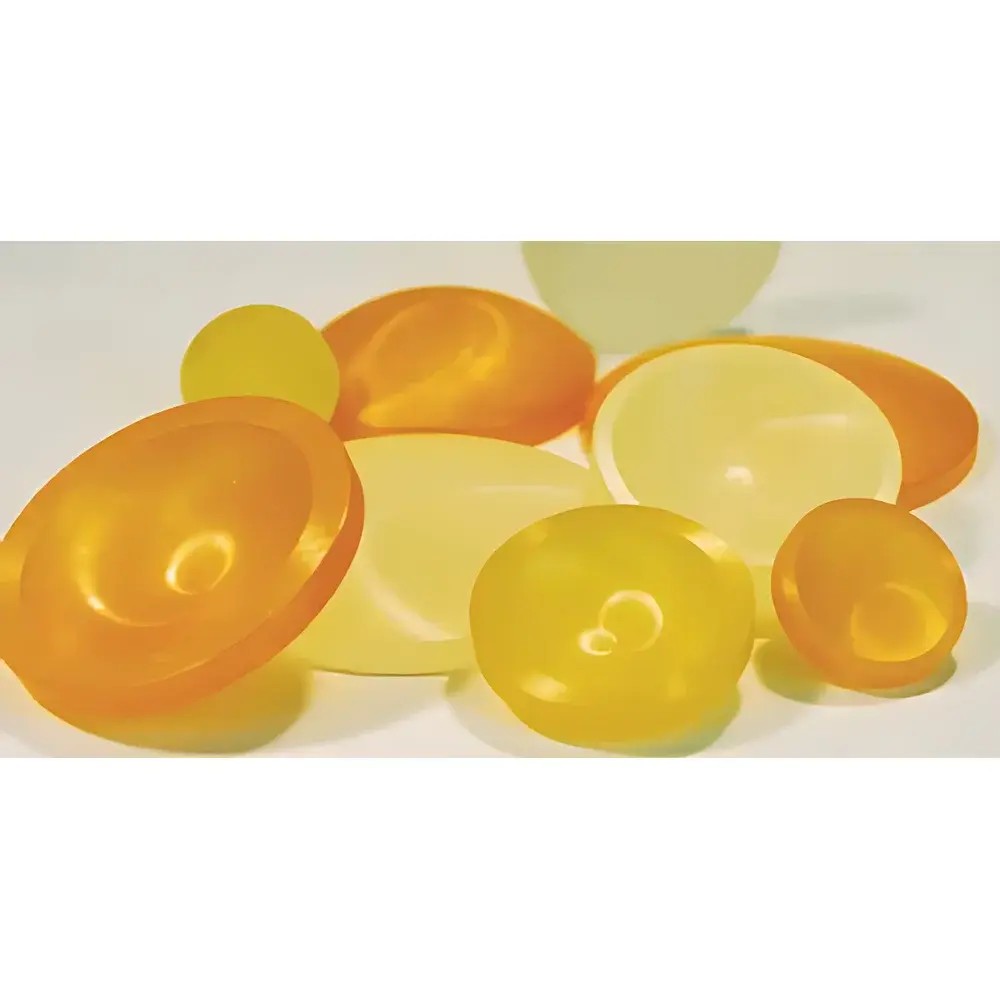
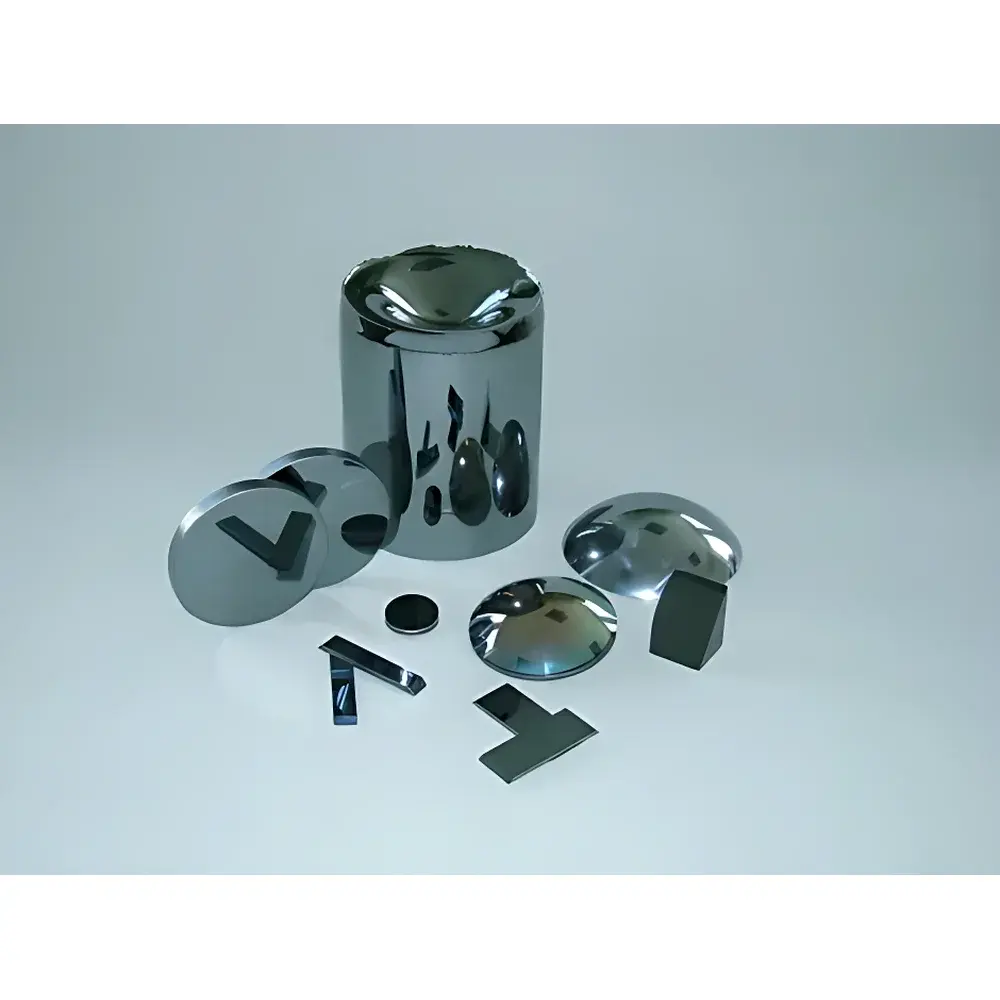
CVD-grown zinc selenide (ZnSe) is a high-purity, polycrystalline II–VI semiconductor material engineered for demanding infrared (IR) optical applications spanning 0.5–20 µm. Its transmission profile exhibits exceptionally low bulk absorption and scattering losses—particularly in the 8–12 µm atmospheric window and at the CO2 laser wavelength (10.6 µm), where it achieves >70% intrinsic transmittance per mm thickness. Unlike single-crystal alternatives, CVD ZnSe offers superior homogeneity in refractive index (Δn < ±1 × 10⁻⁴ across aperture), minimal birefringence (<0.0001), and negligible thermal lensing under high-power irradiation. These characteristics make it the industry-standard substrate and coating base for high-energy laser optics, thermal imaging windows, and Fourier-transform infrared (FTIR) spectrometer components requiring long-term dimensional stability and radiometric fidelity.
Key Features
- Chemical inertness: Resistant to humidity, mild acids, and organic solvents; no hygroscopic degradation
- Thermal stability: Coefficient of thermal expansion (CTE) = 7.1 × 10⁻⁶ K−1; suitable for operation from −40 °C to +200 °C
- Mechanical workability: Vickers hardness ≈ 120 HV; compatible with diamond turning, lapping, and precision polishing to λ/10 surface figure
- Optical uniformity: Refractive index variation ≤ ±0.0002 across 50 mm diameter; verified via interferometric mapping per ISO 10110-5
- Coating readiness: Low surface defect density enables durable broadband AR coatings (R < 0.25% @ 8–12 µm) and high-reflectivity metallic/dielectric stacks
Sample Compatibility & Compliance
ZnSe optics are routinely integrated into systems compliant with MIL-STD-810G (environmental durability), ASTM F1293 (infrared transmittance testing), and ISO 9022-3 (optical component cleanliness). As a non-toxic, RoHS-compliant material, ZnSe meets EU Directive 2011/65/EU requirements. All batches undergo full traceability per ISO 9001:2015—each wafer or blank carries a unique melt ID enabling full process auditability from CVD reactor parameters through metrology logs. Certificates of Conformance (CoC) include spectral transmittance data (measured per ASTM E1421), CTE verification, and surface quality certification (S/D 80–50 per MIL-PRF-13830B).
Software & Data Management
While ZnSe itself is a passive optical material, its specification data is fully embeddable in optical design software environments including Zemax OpticStudio (via user-defined materials database), CODE V, and FRED. Refractive index values across 0.5–20 µm are provided in Sellmeier coefficient format (n² = A + Bλ²/(λ² − C) + Dλ²/(λ² − E)) with temperature-dependent dn/dT terms validated per ISO 11477. Transmittance curves are supplied in ASCII-compatible .csv format with wavelength resolution ≤ 0.1 µm, enabling direct import into spectral simulation workflows. Traceable calibration reports comply with GLP documentation standards for regulated R&D and QA/QC laboratories.
Applications
- High-power CO2 laser systems: Output couplers, beam expanders, focusing lenses, and harmonic separators
- Forward-looking infrared (FLIR) systems: Protective windows, cold shields, and dewar-mounted relay optics
- FTIR spectroscopy: Beamsplitters, compensator plates, and sample compartment windows
- Industrial thermography: High-temperature furnace viewports and pyrometer calibration standards
- Medical IR diagnostics: CO2 laser scalpels, mid-IR endoscopic imaging probes, and breath analysis gas cells
- Space-qualified sensors: Radiation-hardened optics for Earth observation payloads operating in LWIR bands
FAQ
Is CVD ZnSe suitable for pulsed CO2 lasers with peak powers exceeding 1 MW/cm²?
Yes—its high laser-induced damage threshold (LIDT) of ≥ 1.5 J/cm² at 10.6 µm, 100 ns pulse width (per ISO 21254-2), supports Q-switched and TEA laser integration when properly cooled and anti-reflection coated.
How does ZnSe compare to ZnS (MS grade) in multispectral imaging applications?
ZnSe offers higher transmittance from 0.6–12 µm but lower hardness (120 HV vs. 250 HV for ZnS MS); ZnS MS is preferred for ruggedized airborne windows, while ZnSe excels in lab-based FTIR and high-resolution thermal imaging where transmission fidelity outweighs mechanical robustness.
Can custom ZnSe substrates be fabricated with aspheric surfaces and broadband AR coatings?
Yes—standard offerings include plano, spherical, and aspheric geometries (up to f/1.0), with optional MgF₂, YF₃, or multilayer dielectric AR coatings optimized for specific spectral bands (e.g., 3–5 µm, 8–12 µm, or dual-band 3–5/8–12 µm).
What metrology documentation accompanies each shipment?
Each lot includes a CoC with spectral transmittance plot, refractive index map, surface quality report (interferometric surface figure error ≤ λ/10 PV), and CTE validation data—all traceable to NIST-traceable reference standards.
Are IG-series chalcogenide glasses available as ZnSe-compatible hybrid optical systems?
Yes—ZnSe substrates can be bonded or optically contacted with IG2–IG6 glasses to construct achromatic doublets or thermal-compensated lens groups; design support includes thermal defocus modeling per ISO 10110-12 and chromatic aberration correction across 3–12 µm.




