
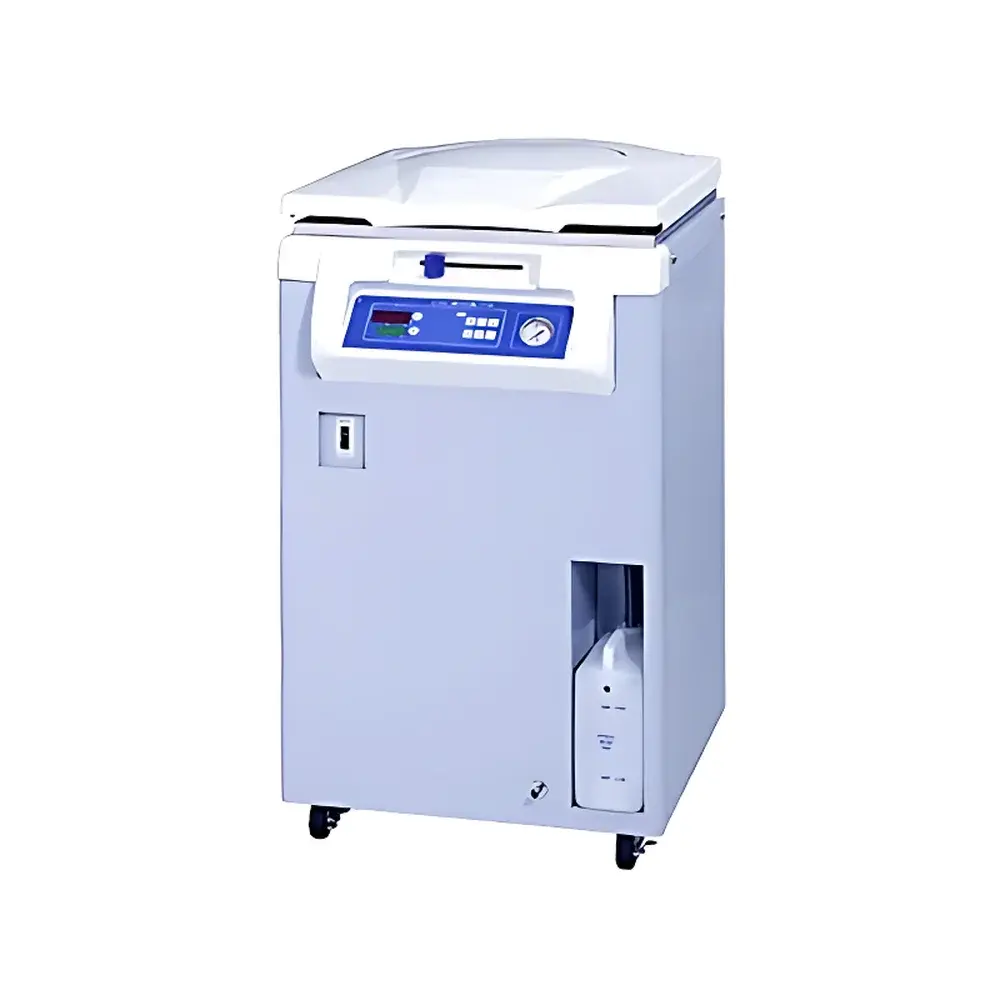
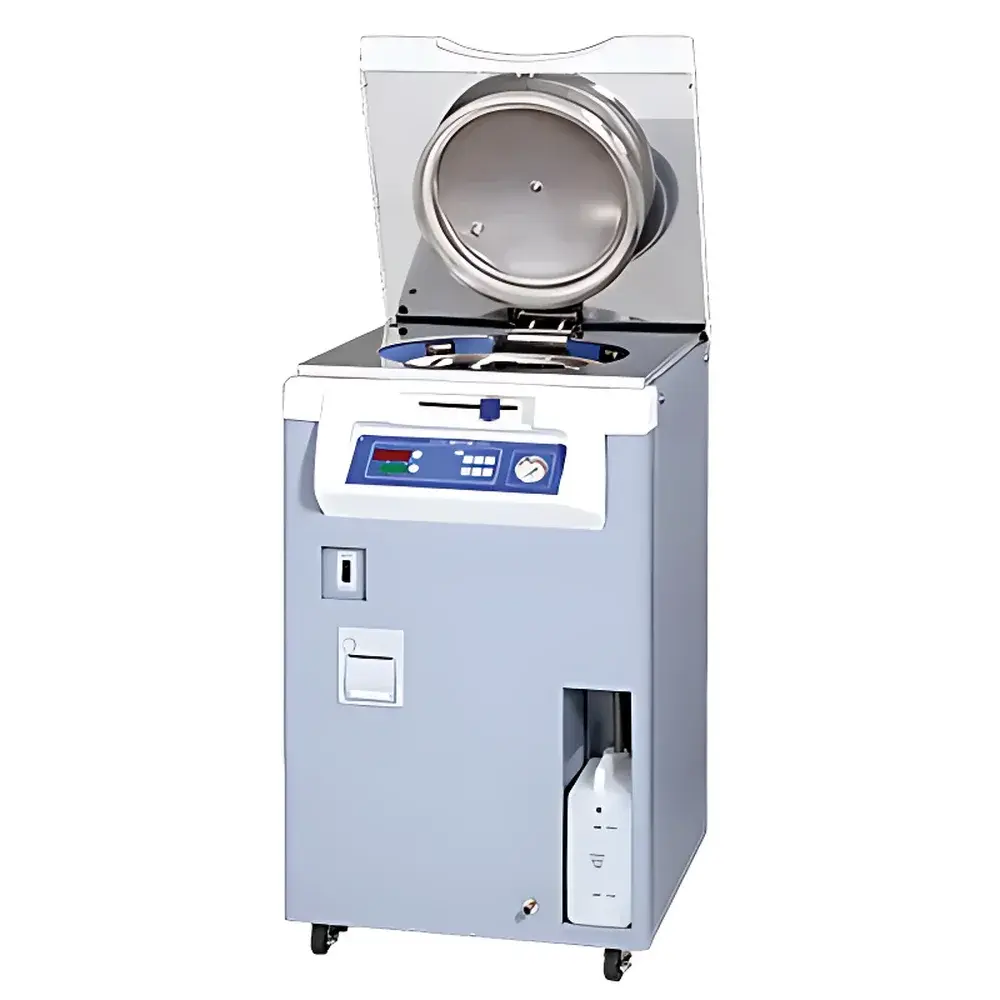
ALP CL-32L & CL-40M High-Pressure Steam Sterilizers
| Brand | ALP |
|---|---|
| Origin | Japan |
| Model | CL-32L / CL-40M |
| Chamber Volume | 54 L (CL-32L), 85 L (CL-40M) |
| Max Operating Temperature | 140 °C (CL-32L), 137 °C (CL-40M) |
| Max Working Pressure | 0.27 MPa (CL-32L), 0.25 MPa (CL-40M) |
| Sterilization Temp Range | 40–140 °C (CL-32L), 40–137 °C (CL-40M) |
| Melting/Insulation Range | 40–99 °C / 40–60 °C |
| Cycle Time | Sterilization/Melting: 0–600 min or continuous |
| Insulation | 0–2880 min |
| Drying Temp Range | 60–180 °C |
| Drying Timer | 0–5940 min or continuous |
| Control System | Microprocessor-based with graphical LCD interface |
| Safety Compliance | ASME BPVC Section VIII Div. 1, PED 2014/68/EU, ISO 17665-1, GB/T 30690–2014, China Special Equipment Manufacturing License (Pressure Vessel) |
Overview
The ALP CL-32L and CL-40M high-pressure steam sterilizers are Class B vacuum-assisted autoclaves engineered for precision, safety, and regulatory compliance in demanding laboratory, clinical, and pharmaceutical environments. Designed and manufactured in Japan under strict JIS Q 9001 and ISO 13485 quality systems, these units operate on the validated principle of saturated steam sterilization—leveraging controlled temperature, pressure, and exposure time to achieve a minimum sterility assurance level (SAL) of 10⁻⁶ per ISO 17665-1. The CL-32L features a cylindrical chamber measuring Ø320 × 676 mm (54 L effective volume), while the CL-40M offers expanded capacity at Ø400 × 672 mm (85 L), both constructed from medical-grade SUS304 stainless steel with electropolished interior surfaces to inhibit biofilm formation and ensure corrosion resistance. Both models integrate a dual-chamber vacuum system (optional on CL-32L-DP/CL-40M-DP variants) to remove air pockets prior to steam penetration—critical for reliable sterilization of porous loads, wrapped instruments, and hollow devices per EN 13060 and AAMI ST79.
Key Features
- Vacuum-assisted pre-sterilization air removal using temperature-sensing, time-controlled electromagnetic valves and optional vacuum pump (DVP configuration), ensuring uniform steam saturation throughout complex load geometries
- Multi-stage programmable cycles: Standard modes include A (heat → sterilize → exhaust), B (heat → sterilize → exhaust → hold), C (melt → hold), D (heat → sterilize → drain → dry), and E (dry-only), supporting liquid media, solid instruments, waste bags, and culture media
- Integrated drying system employing heated air circulation via electric heater and air pump, filtered through a 0.2 µm hydrophobic membrane to maintain sterile airflow during post-sterilization desiccation
- Dual mechanical and electronic interlock system with real-time lid closure verification, overpressure cutoff (safety valve rated per ASME BPVC), overtemperature protection, leak detection, and sensor fault diagnostics
- Graphical LCD interface with intuitive icon-driven navigation, cycle status visualization, and programmable user profiles—including memory retention after power interruption per IEC 60601-1 Clause 15.4.2
- Optional accessories compliant with GMP/GLP workflows: PT100 sample temperature probe, thermal printer (RS-232/USB), chart recorder, automatic water supply module, and pre-heating function to reduce cycle ramp time
Sample Compatibility & Compliance
These sterilizers accommodate diverse load types including microbiological media (agar, broth), surgical kits, glassware, pipette tips, textile packs, and biohazard waste in autoclave bags. Chamber dimensions and pressure-rated construction meet national and international regulatory requirements: certified under China’s Special Equipment Safety Law (pressure vessel manufacturing license TS2210703-2026), EU Pressure Equipment Directive 2014/68/EU, and ISO 17665-1 for moist heat sterilization validation. All models support traceability protocols required by FDA 21 CFR Part 11 when paired with ALP’s optional audit-trail-capable software and thermal printer—enabling electronic signature, user access control, and immutable cycle log export. Validation documentation includes IQ/OQ/PQ templates aligned with USP <1211>, EP 5.1.1, and WHO TRS 910 Annex 2.
Software & Data Management
The microprocessor controller stores up to 99 customizable programs with parameter lockout, password-protected editing, and timestamped execution logs. Optional ALP SteriLink™ software (Windows-compatible) enables remote monitoring, cycle parameter upload/download, PDF report generation, and integration with LIMS via CSV or XML export. All printed or digital records include operator ID, cycle ID, start/end timestamps, critical parameters (T, P, time), deviation flags, and pass/fail status—fully auditable for GLP, GMP, and ISO/IEC 17025 accreditation. Built-in USB port supports firmware updates and data backup without network dependency.
Applications
Primary use cases span academic research laboratories (e.g., cell culture media preparation, glassware decontamination), clinical microbiology labs (sterilization of diagnostic tools and specimen containers), pharmaceutical QC/QA departments (media fill simulation validation, component depyrogenation), and veterinary facilities (instrument reprocessing). The melt-and-hold functionality is specifically calibrated for agar plate preparation (45–50 °C holding range), while the extended insulation mode (up to 48 hours) supports long-term temperature-stable storage of sensitive biological reagents. Rapid cooling and sterile exhaust options minimize cross-contamination risk during unloading in ISO Class 5 cleanrooms.
FAQ
What standards do the ALP CL-32L and CL-40M comply with for regulatory validation?
Both models conform to ISO 17665-1, EN 13060, AAMI ST79, and national pressure vessel regulations (China TS license, EU PED). Validation packages support FDA 21 CFR Part 11, USP <1211>, and EU GMP Annex 1 requirements.
Can these sterilizers handle liquid loads without boil-over?
Yes—integrated slow-venting algorithms, pressure-controlled exhaust, and programmable post-sterilization equilibration prevent violent boiling. Optional liquid-cycle presets adjust heating rate and exhaust timing per ISO 17665 Annex C.
Is vacuum capability standard or optional?
Vacuum-assisted air removal is standard on CL-32L-DP and CL-40M-DP variants. Basic CL-32L/CL-40M models use gravity displacement but support optional vacuum pump retrofit.
How is data integrity ensured during power failure?
Non-volatile memory retains all program settings, cycle logs, and calibration data. Upon power restoration, the system resumes operation from last valid state with full audit trail continuity.
What maintenance intervals are recommended for long-term reliability?
Daily: Chamber inspection, door gasket cleaning, condensate trap emptying. Quarterly: Safety valve testing, vacuum pump oil change (if equipped), temperature/pressure sensor calibration verification. Annual: Full third-party performance qualification per ISO 17665-2.



