
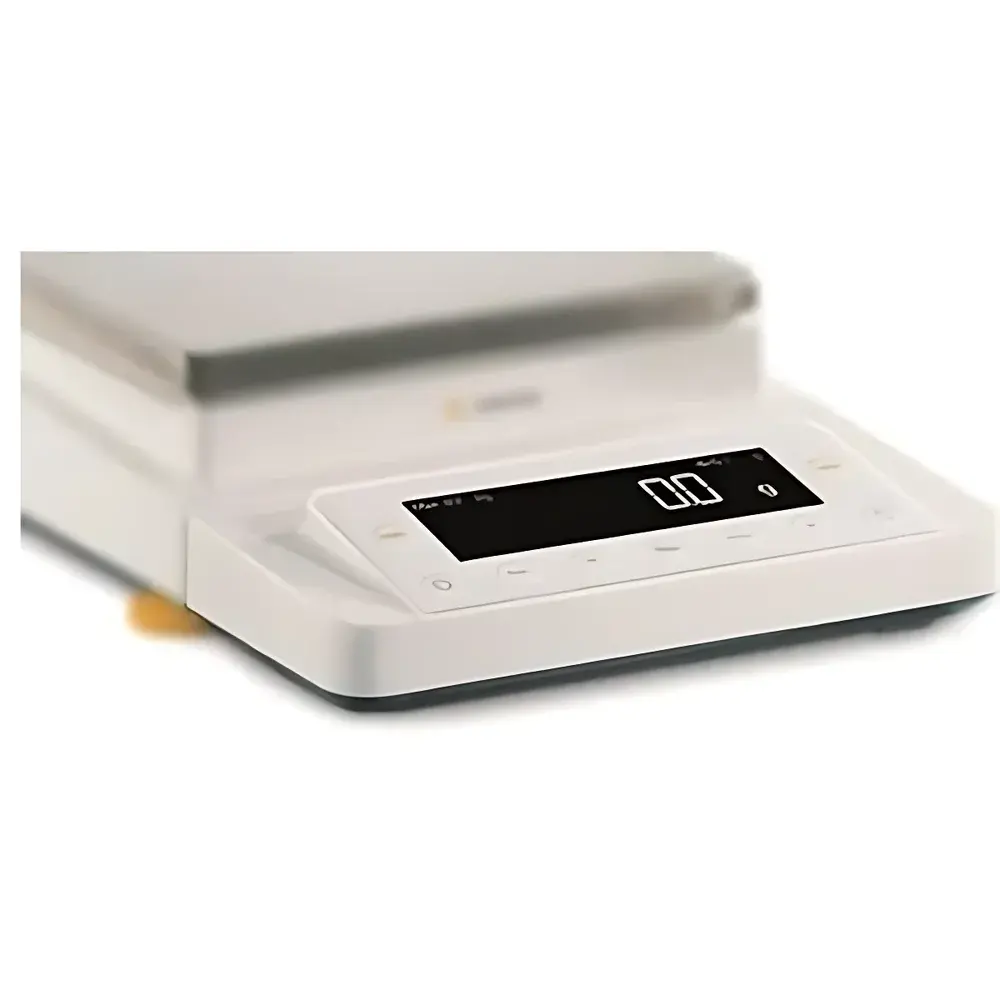
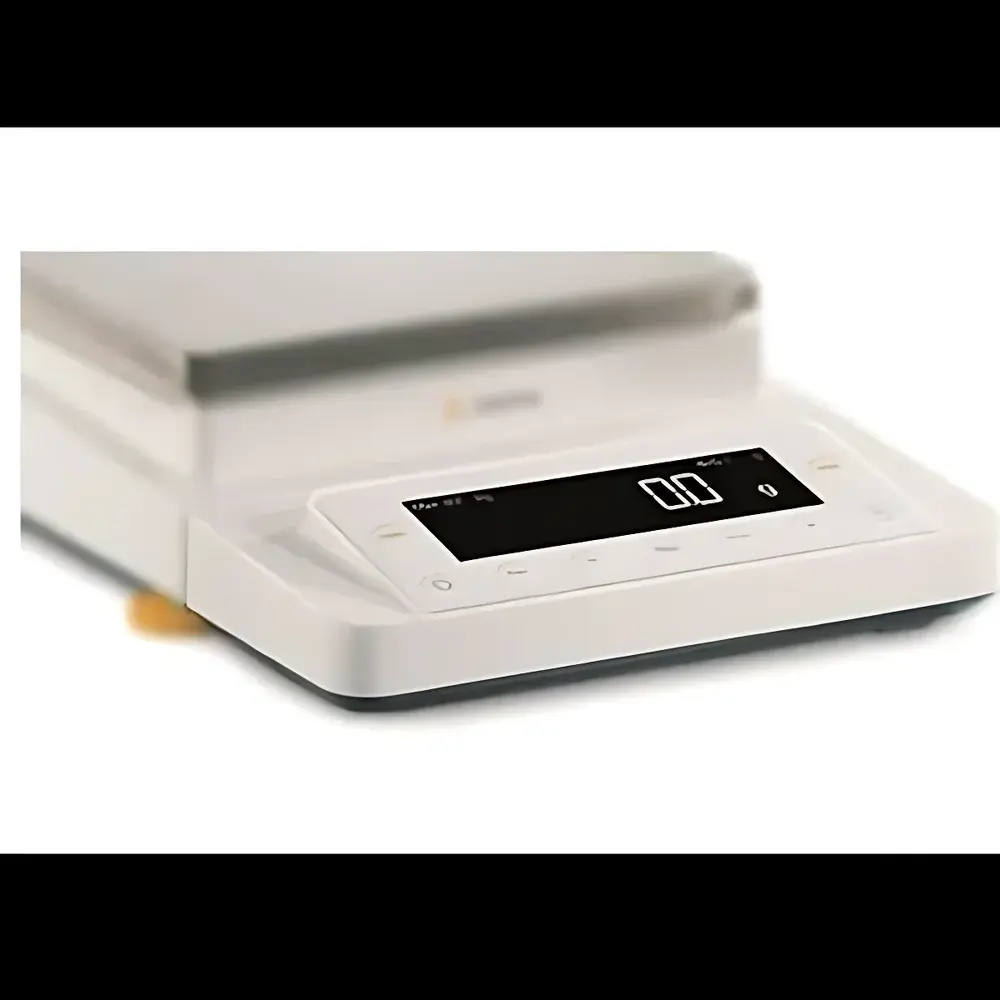
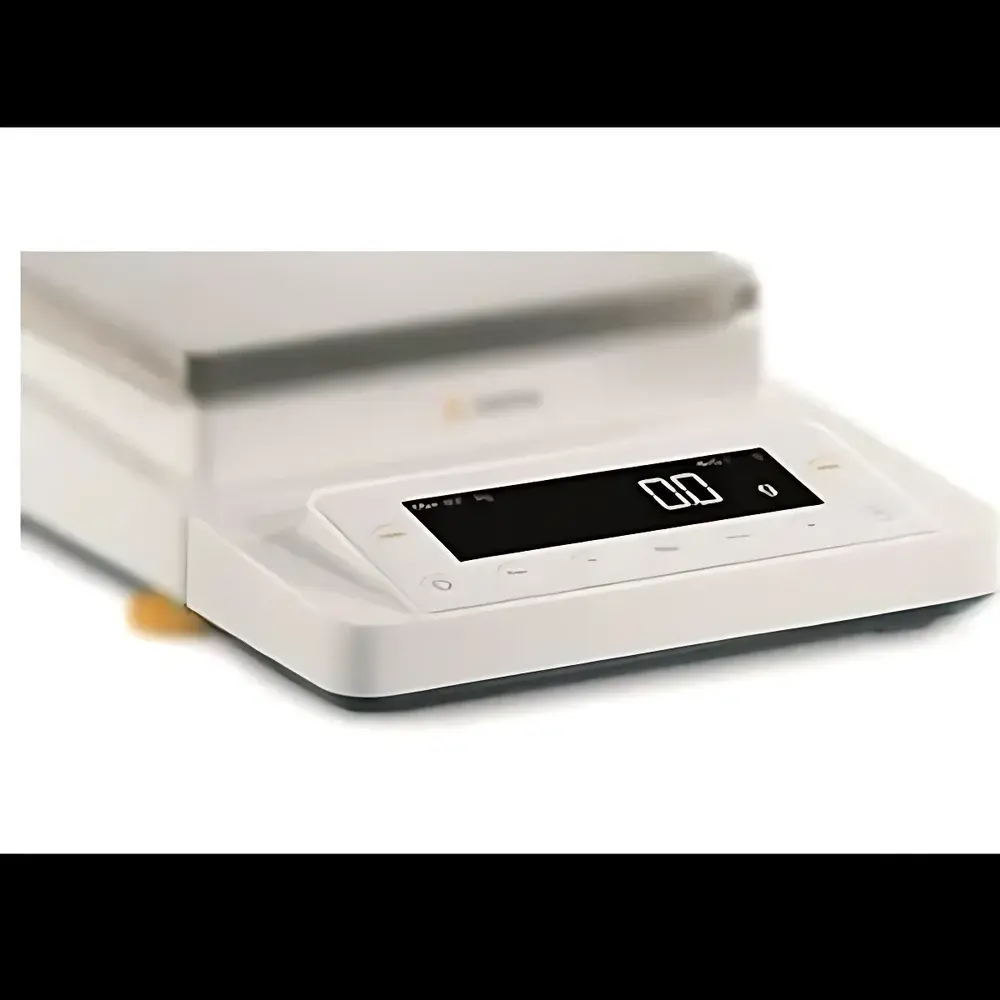
Sartorius Cubis® Ultra-Micro Balance
| Brand | Sartorius |
|---|---|
| Origin | Germany |
| Model | Cubis® Ultra-Micro Balance |
| Compliance | ISO/IEC 17025, USP <41> & <1251>, FDA 21 CFR Part 11 (Q-App & Q-Guide enabled) |
| Software | Q-Guide guided workflow interface, Q-App customizable SOP-driven applications, isoCAL™ automatic calibration & adjustment system |
| Leveling | Q-Level™ motorized auto-leveling with audit trail |
| Connectivity | Ethernet, USB, RS232, optional Wi-Fi module |
| Data Integrity | GLP/GMP-compliant electronic records, user access control, full audit trail |
Overview
The Sartorius Cubis® Ultra-Micro Balance is a high-precision weighing instrument engineered for laboratories requiring sub-milligram accuracy in regulated and research-intensive environments. Operating on electromagnetic force compensation (EMFC) principle, the Cubis® series delivers resolution down to 0.1 µg with repeatability ≤ 0.3 µg (2σ), enabling reliable quantification of ultra-low-mass samples—such as reference standards, active pharmaceutical ingredients (APIs), catalysts, and nanomaterials. Designed and manufactured in Germany, the balance integrates metrological rigor with digital process integration: it functions not merely as a mass-measurement device but as an embedded node within validated laboratory workflows. Its architecture supports standalone operation without external PCs, meeting critical requirements for data integrity, traceability, and regulatory compliance across GxP environments.
Key Features
- isoCAL™ Intelligent Calibration System: Fully automated internal calibration with temperature- and time-triggered recalibration; supports interval-based or event-driven execution with full electronic record generation.
- Q-Level™ Motorized Auto-Leveling: Integrated precision inclinometer and electromechanical actuators perform real-time leveling verification and correction—recorded with timestamp, operator ID, and deviation values for audit purposes.
- Q-Guide Workflow Interface: Role-based, step-by-step guidance that dynamically filters display content to show only context-relevant prompts—eliminating procedural errors and reducing training time for new users.
- Q-App Application Framework: Pre-validated and customer-customizable applications—including differential weighing, formulation, fill-volume control, USP small-sample weighing, and pipette calibration—executed natively on the balance’s touchscreen without external software dependencies.
- Modular Hardware Architecture: Interchangeable draft shields (including static-dissipative and anti-vibration variants), adjustable weighing pans, and configurable base modules support adaptation to fume hoods, gloveboxes, cleanrooms, and vibration-sensitive installations.
- Data Security & Compliance: User authentication (PIN, RFID, or biometric integration), role-based permissions, immutable audit trails, and electronic signatures compliant with 21 CFR Part 11 and Annex 11 requirements.
Sample Compatibility & Compliance
The Cubis® Ultra-Micro Balance accommodates a broad range of sample types—from hygroscopic powders and volatile solvents to electrostatic-prone nanoparticles—through configurable environmental shielding and static-dissipative accessories. Its mechanical design minimizes air-current interference and thermal drift, ensuring stability under ISO 17025-defined environmental conditions (20 ± 2 °C, <50% RH). All Q-Apps undergo formal verification per ICH Q2(R2) guidelines, and the balance itself is supplied with factory-issued calibration certificates traceable to national metrology institutes (e.g., PTB, NIST). It meets USP criteria for analytical balance qualification and supports risk-based lifecycle management per ASTM E2500 and EU GMP Annex 15.
Software & Data Management
Embedded firmware supports seamless integration into laboratory information management systems (LIMS) and electronic lab notebooks (ELN) via standardized protocols (HTTP REST API, OPC UA, or Sartorius LabX® middleware). Raw weighing data, metadata (operator, timestamp, location, environment), and Q-App execution logs are stored locally with optional encrypted cloud backup. All electronic records include cryptographic hash verification and are exportable in PDF/A-2 or CSV formats with digital signature embedding. The system enforces ALCOA+ principles—ensuring data is Attributable, Legible, Contemporaneous, Original, Accurate, Complete, Consistent, Enduring, and Available—for inspection readiness during FDA, EMA, or MHRA audits.
Applications
- Quantitative analysis of reference standards in pharmacopeial testing (USP, EP, JP)
- Weighing of low-dose drug substances (<1 mg) in formulation development
- Gravimetric preparation of calibration standards for ICP-MS and HPLC-MS
- Quality control of catalyst loading in fine chemical synthesis
- Validation of micro-pipette performance per ISO 8655
- Stability-indicating assays requiring mass change detection at µg-level resolution
- Material science research involving nanogram-scale deposition monitoring
FAQ
Does the Cubis® Ultra-Micro Balance require external PC connectivity to run Q-Apps?
No—Q-Apps execute natively on the balance’s embedded operating system and do not depend on external computers or network infrastructure.
Can Q-Level™ leveling be performed inside a containment hood or glovebox?
Yes—Q-Level™ operates fully autonomously via front-panel controls or remote command, eliminating manual intervention and minimizing exposure risk when handling hazardous compounds.
Is isoCAL™ compliant with ISO/IEC 17025 clause 6.5.2 on calibration verification?
Yes—the system performs documented, traceable, and repeatable calibration checks with full electronic records, satisfying metrological assurance requirements for accredited testing laboratories.
How are user roles and permissions managed within Q-Guide?
Administrators configure hierarchical access levels (e.g., Operator, Supervisor, QA Auditor) through the balance’s security settings, enforcing separation of duties and preventing unauthorized parameter modification.
What documentation is provided for regulatory submissions?
Sartorius supplies IQ/OQ documentation templates, 21 CFR Part 11 validation packages, and a comprehensive Risk Assessment Report aligned with ICH Q9 principles—all available upon request with purchase.



