
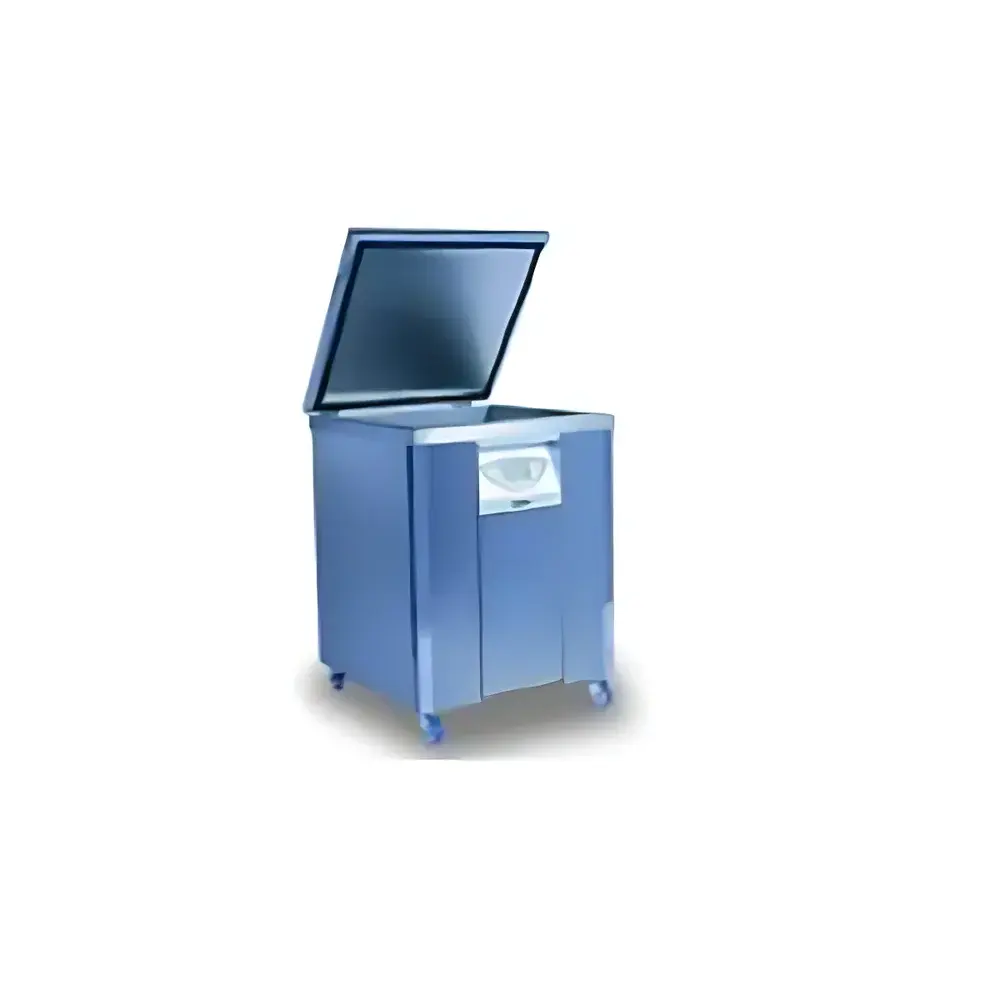
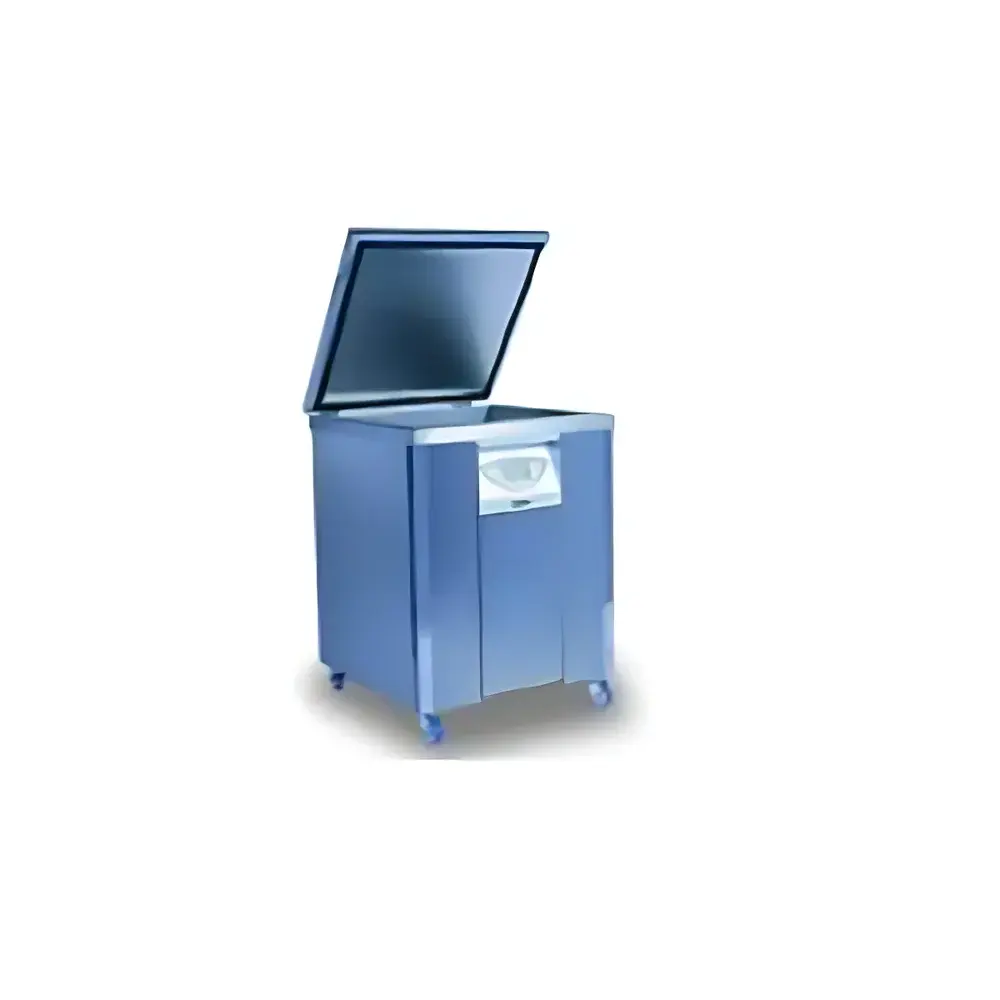
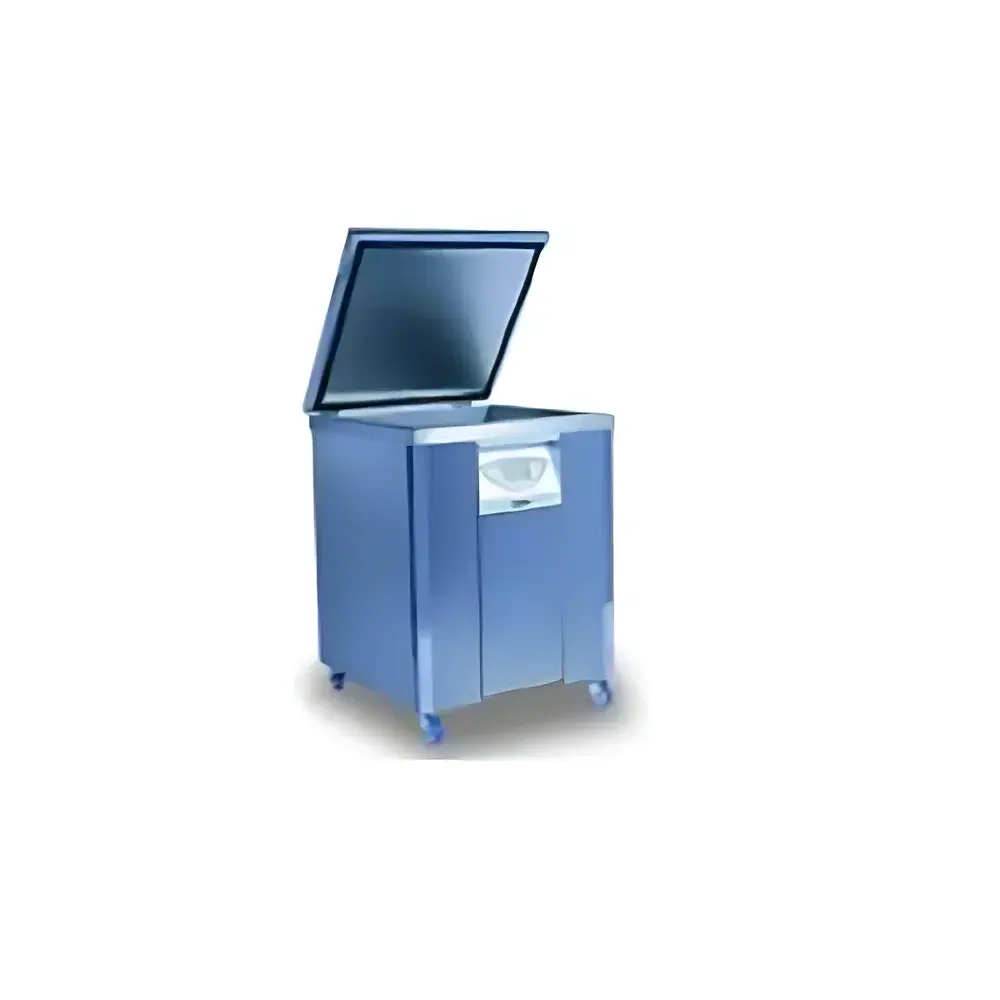
Shanghai Kedao SK-18C Heavy-Duty Floor-Standing Ultrasonic Cleaner
| Brand | Shanghai Kedao |
|---|---|
| Origin | Shanghai, China |
| Model | SK-18C |
| Capacity | 54 L |
| Ultrasonic Frequency | 25 kHz |
| Ultrasonic Power Output | 750 W |
| Power Adjustment Range | 40–100% in 1% increments |
| Timer Range | 1–199 min |
| Tank Dimensions (L×W×H) | 42 × 37 × 35 cm |
| External Dimensions (L×W×H) | 48 × 54 × 63 cm |
| Transducer Count | 18 |
| Tank Material | 304 Stainless Steel |
| Drain Valve | Yes |
| Display | Backlit LCD |
| Power Supply | 220 V / 50 Hz |
| Safety Features | Dry-run protection with auto-alarm, temperature uniformity enhancement via ultrasonic-assisted heating, power parameter memory on power cycle |
Overview
The Shanghai Kedao SK-18C is a heavy-duty, floor-standing ultrasonic cleaner engineered for laboratories, quality control facilities, and industrial maintenance environments requiring consistent, high-intensity cleaning of large or high-volume components. Operating at a fundamental frequency of 25 kHz, the unit leverages low-frequency cavitation physics—characterized by larger, more energetic bubble collapse events—to effectively dislodge tenacious particulate contaminants, oils, oxides, and residues from complex geometries, blind holes, and micro-textured surfaces. Its 54-liter stainless steel tank (304 grade) accommodates oversized parts such as optical lens assemblies, semiconductor wafer carriers, medical instrument trays, and precision mechanical subassemblies. Unlike benchtop units constrained by thermal mass and acoustic field uniformity, the SK-18C’s robust chassis, integrated transducer array (18 elements), and optimized tank geometry ensure stable energy distribution across the entire cleaning volume—critical for repeatable process validation under GLP or ISO 13485-aligned workflows.
Key Features
- 750 W nominal ultrasonic output delivered via 18 high-efficiency piezoelectric transducers bonded to the tank bottom and sidewalls, enabling uniform acoustic pressure distribution and minimizing standing wave artifacts.
- Digitally controlled power modulation from 40% to 100% in precise 1% increments—essential for method development, gentle cleaning of delicate substrates (e.g., coated optics or thin-film sensors), and optimization of energy input versus cleaning efficacy.
- Programmable digital timer with 1–199 minute resolution, supporting both single-step and multi-cycle cleaning protocols; all settings retained after power interruption via non-volatile memory.
- Backlit LCD interface displaying real-time power level, elapsed time, remaining time, and system status—including dry-run detection alerts when liquid level falls below operational threshold.
- Ultrasonic-assisted water temperature homogenization: acoustic streaming enhances convective heat transfer, reducing thermal gradients and improving reproducibility in temperature-sensitive cleaning applications (e.g., enzymatic residue removal).
- Integrated drain valve with quick-connect fitting facilitates safe, spill-free solution exchange—particularly valuable when using aqueous alkaline, acidic, or solvent-based chemistries compliant with ASTM D2602 or ISO 15027 standards.
Sample Compatibility & Compliance
The SK-18C accommodates a broad spectrum of sample types without modification: metal surgical instruments, printed circuit board assemblies (PCBs), ceramic substrates, glassware sets, injection-molded polymer housings, and textile swatches. Its 304 stainless steel tank resists corrosion from common cleaning agents including sodium hydroxide solutions (up to 5% w/w), citric acid (1–10% w/v), and isopropyl alcohol–water blends. The device meets CE electromagnetic compatibility (EMC) requirements per EN 61326-1 and adheres to basic safety principles outlined in IEC 61010-1. While not certified for Class II medical device reprocessing per ANSI/AAMI ST91, it supports validated cleaning steps within broader sterilization workflows compliant with ISO 17664 and FDA Guidance for Industry: Reprocessing Medical Devices in Health Care Settings.
Software & Data Management
The SK-18C operates as a standalone hardware platform with no proprietary software dependency. All operational parameters are configured and monitored directly via the front-panel interface. For traceability in regulated environments, users may document settings manually or integrate the unit into facility-wide logging systems via external time-lapse cameras or environmental data loggers. The power memory function satisfies basic audit trail expectations for routine cleaning SOPs, though full 21 CFR Part 11 compliance requires supplementary procedural controls (e.g., operator sign-off logs, version-controlled standard operating procedures).
Applications
- Pre-sterilization cleaning of reusable surgical instruments in hospital central sterile supply departments (CSSD).
- Removal of flux residues and solder paste from PCBs prior to AOI inspection or conformal coating.
- Decontamination of analytical sample holders (e.g., NMR tubes, XRD sample stages) to prevent cross-contamination.
- Cleaning of optical components—including mirrors, prisms, and laser diode mounts—where particle adhesion compromises performance.
- Surface preparation of metal coupons prior to salt spray testing (ASTM B117) or adhesion qualification (ASTM D3359).
- Routine maintenance of laboratory glassware, filtration housings, and chromatography column fittings.
FAQ
What is the recommended cleaning solution for general-purpose use with the SK-18C?
Aqueous alkaline detergents (pH 9–11) formulated for ultrasonic application are optimal for organic soils; always verify material compatibility before use.
Can the SK-18C be used with flammable solvents?
No. The unit lacks explosion-proof certification and is designed exclusively for aqueous or water-miscible solutions.
How often should the transducers be serviced or calibrated?
Transducers are sealed and maintenance-free under normal operation; periodic visual inspection for delamination or physical damage is advised every 6 months.
Is the tank heated?
The SK-18C does not include a built-in heater; however, ultrasonic activity contributes to passive temperature rise, and external immersion heaters may be used if required.
Does the unit support remote monitoring or Ethernet connectivity?
No. It is a locally operated analog/digital hybrid system without network interfaces or API capabilities.



