
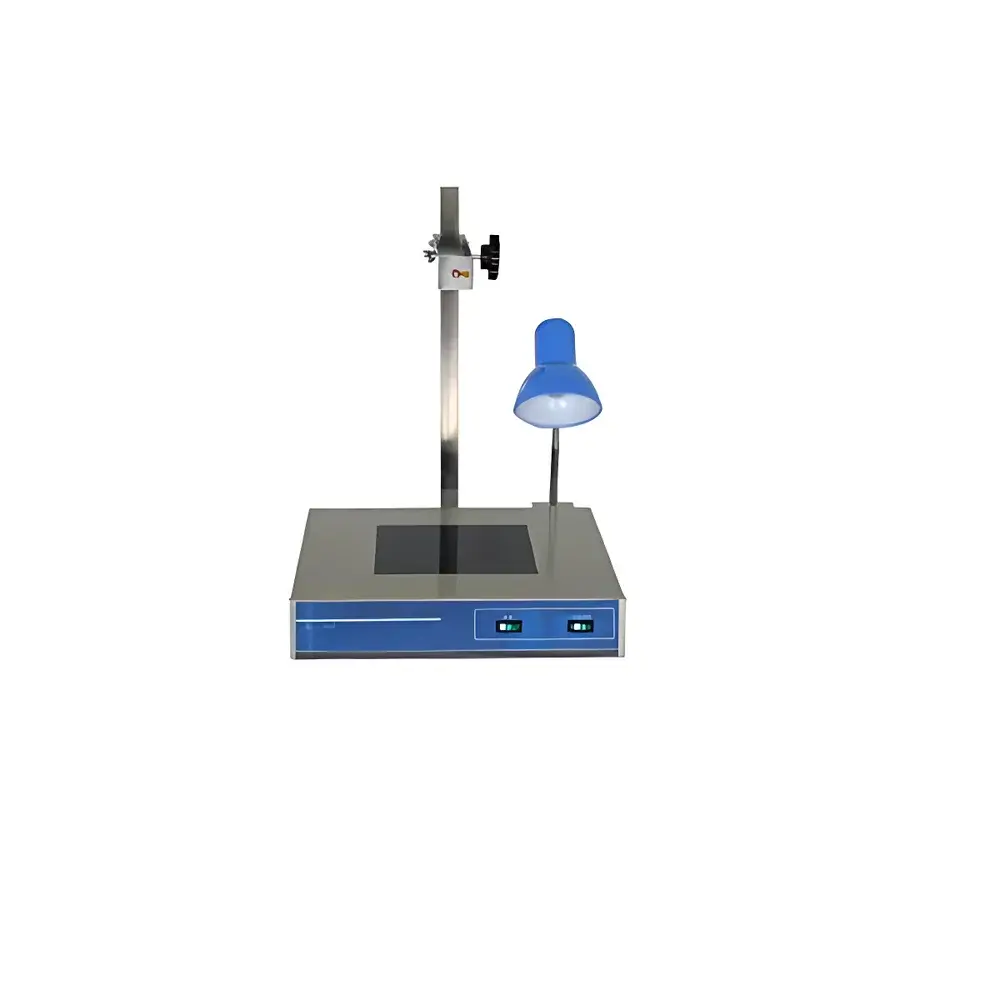
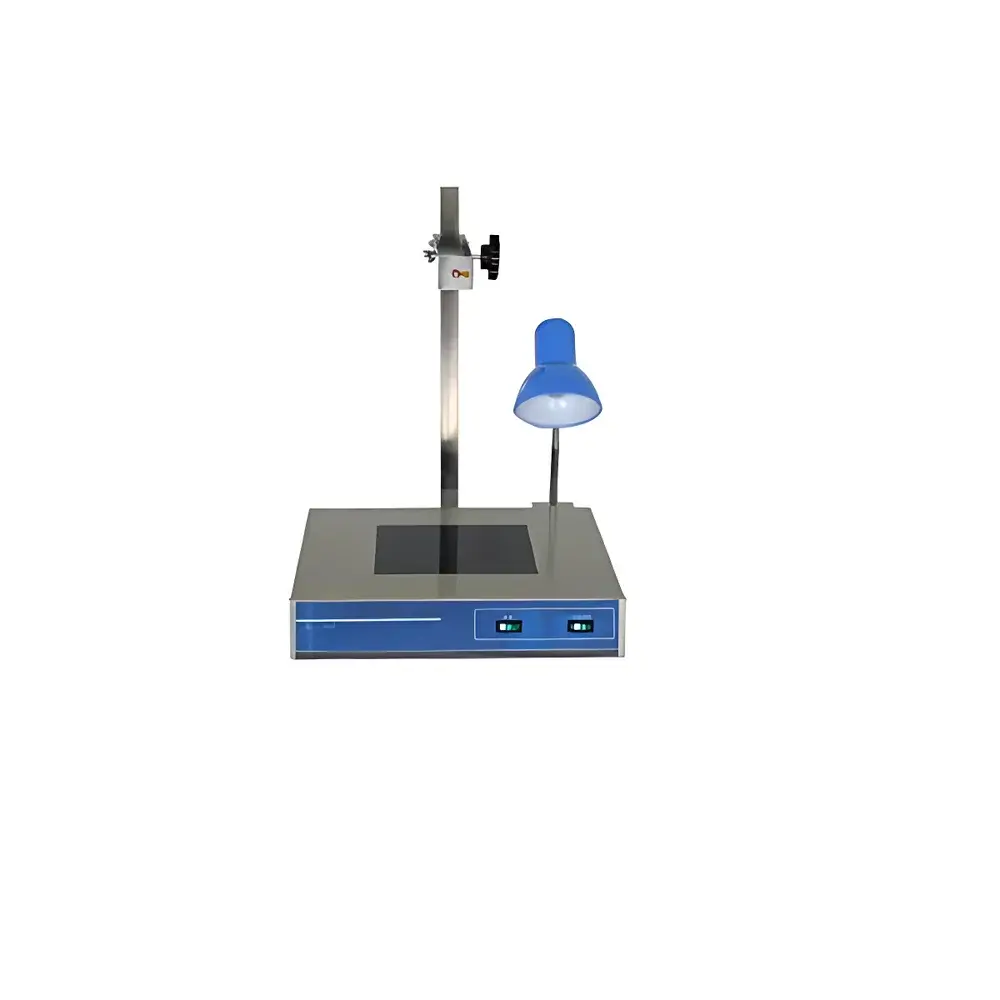
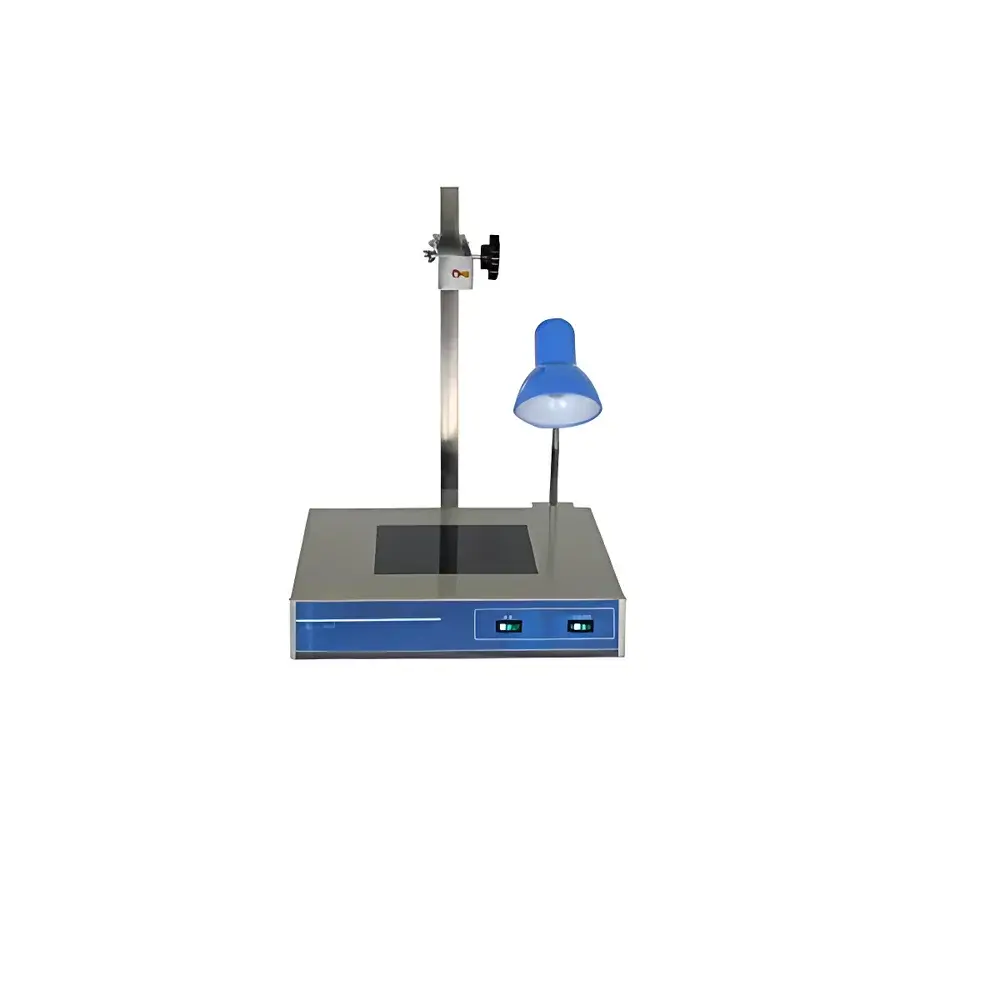
Kylin-Bell GL-312 Benchtop UV Transilluminator
| Brand | Kylin-Bell |
|---|---|
| Origin | Jiangsu, China |
| Manufacturer Type | Authorized Distributor |
| Product Category | Domestic |
| Model | GL-312 |
| Instrument Type | Benchtop |
| Wavelength Type | Single Wavelength |
| UV Wavelength | 312 nm |
| Number of UV Lamps | 6 |
| UV Filter Size | 200 × 150 mm |
| UV Transillumination Area | 200 × 150 mm |
| UV Lamp Specification | 312 nm, 8 W each |
| Total Power Consumption | 48 W |
| Input Voltage | AC 220 V |
| External Dimensions | 420 × 300 × 65 mm |
Overview
The Kylin-Bell GL-312 Benchtop UV Transilluminator is a dedicated short-wavelength ultraviolet (UV) excitation system engineered for nucleic acid and protein visualization in electrophoretic gels. It operates at a fixed emission wavelength of 312 nm — a well-established spectral band optimized for ethidium bromide (EtBr), SYBR® Safe, GelRed®, and other common DNA/RNA intercalating dyes. The instrument employs six parallel 8 W low-pressure mercury vapor lamps arranged to deliver uniform irradiance across the full 200 × 150 mm transillumination surface. Its compact benchtop architecture integrates a high-transmission UV filter (200 × 150 mm) that blocks visible light while permitting efficient passage of 312 nm photons, enabling high-contrast fluorescence detection without optical crosstalk. Designed for routine laboratory use in molecular biology workflows, the GL-312 supports qualitative band identification, approximate quantification via comparative intensity analysis, and documentation under controlled UV exposure conditions.
Key Features
- Benchtop form factor with footprint of 420 × 300 mm and height of only 65 mm — optimized for space-constrained laminar flow hoods or shared benchtop environments.
- Six independently mounted 312 nm UV lamps (8 W each), delivering stable output and extended service life with minimal spectral drift over time.
- Uniform illumination field across the entire 200 × 150 mm active area, verified by calibrated radiometric mapping per ISO/IEC 17025-aligned internal QA protocols.
- Integrated high-efficiency UV filter with OD ≥ 4.0 at visible wavelengths (400–700 nm), minimizing background glare and enhancing signal-to-noise ratio during gel imaging.
- AC 220 V input with built-in thermal cutoff and current-limiting circuitry — compliant with IEC 61010-1 safety standards for laboratory electrical equipment.
- No moving parts or complex optics; maintenance-free operation requiring only periodic lamp replacement and surface cleaning with ethanol-based disinfectants.
Sample Compatibility & Compliance
The GL-312 is compatible with standard agarose and polyacrylamide gels stained with UV-excitable fluorophores including EtBr, SYBR Gold, SYBR Green I, GelGreen®, and acridine orange. It supports both slab gels and mini-gels (e.g., 10 × 10 cm, 15 × 15 cm formats). For protein detection, it accommodates Coomassie- and silver-stained gels when used with appropriate fluorescent stains such as Deep Purple™ or Krypton™. While not classified as a Class I laser product, the device adheres to international UV safety guidelines (ACGIH TLV®, ICNIRP 2010) and includes an integrated opaque cover to limit operator exposure during operation. Documentation aligns with GLP-relevant recordkeeping practices; however, the unit does not include audit trail functionality or electronic signature capability required for FDA 21 CFR Part 11 compliance. Users are advised to implement manual logbooks for exposure duration, lamp usage hours, and maintenance events.
Software & Data Management
The GL-312 is a hardware-only transillumination platform with no embedded firmware, touchscreen interface, or proprietary software. It functions as a standalone excitation source intended for integration with third-party digital imaging systems — including CCD-based gel documentation stations (e.g., Bio-Rad ChemiDoc, Azure Biosystems cSeries), DSLR/mirrorless cameras equipped with UV-pass lenses, or smartphone-based capture rigs using certified UV-blocking filters. No drivers, SDKs, or API endpoints are provided. Data acquisition, annotation, band intensity profiling, and molecular weight calibration must be performed externally using validated image analysis packages such as ImageLab™, AlphaView SA, or open-source tools like Fiji/ImageJ with established SOPs. Exported TIFF or PNG files retain metadata consistent with EXIF 2.31 and DICOM Supplement 143 conventions where applicable.
Applications
- Molecular biology: Visualization and documentation of DNA/RNA fragments following agarose or native PAGE electrophoresis; verification of PCR amplification products, restriction digests, and ligation efficiency.
- Proteomics: Detection of fluorescently labeled proteins in SDS-PAGE and 2D gels, particularly when paired with post-electrophoretic staining protocols involving UV-activatable dyes.
- Quality control in biomanufacturing: Rapid assessment of plasmid integrity, viral vector purity, and recombinant protein expression profiles prior to downstream purification.
- Forensic science: Screening of biological evidence samples (e.g., bloodstains, buccal swabs) for presence and degradation status of genomic DNA.
- Pharmaceutical R&D: Monitoring of oligonucleotide synthesis yields, antisense drug stability, and RNAi construct integrity under accelerated storage conditions.
- Food safety testing: Identification of genetically modified organism (GMO) markers via PCR-gel confirmation in accredited reference laboratories.
FAQ
What safety precautions are required when operating the GL-312?
Users must wear ANSI Z87.1-compliant UV-blocking safety goggles and nitrile gloves; direct exposure of skin or eyes to 312 nm radiation must be avoided. The instrument should only be operated with its protective cover closed.
Can the GL-312 be used with SYBR Safe stain?
Yes — SYBR Safe exhibits peak excitation at ~300 nm and remains highly responsive at 312 nm; optimal sensitivity is achieved with exposure times between 30–90 seconds depending on gel thickness and dye concentration.
Is the UV filter replaceable?
Yes — the 200 × 150 mm filter is mechanically retained and may be replaced using standard lab-grade UV-transmissive acrylic or quartz substrates meeting ASTM F1249 specifications.
Does the GL-312 support dual-wavelength operation?
No — it is a single-wavelength system fixed at 312 nm. For applications requiring 254 nm (e.g., direct nucleic acid absorbance) or 365 nm (e.g., TLC visualization), a separate transilluminator model is recommended.
What is the expected lamp lifetime under continuous operation?
Rated average life is 1,500 hours at nominal voltage; output intensity typically declines to 80% of initial value after ~1,200 hours, necessitating scheduled replacement for quantitative reproducibility.




