
CHIPNOVA CNT-GNIH In Situ High-Temperature Mechanical Testing Holder for Transmission Electron Microscopy
| Brand | CHIPNOVA |
|---|---|
| Origin | Fujian, China |
| Manufacturer Type | OEM Manufacturer |
| Country of Origin | Domestic (China) |
| Model | CNT-GNIH |
| Pricing | Upon Request |
| Instrument Category | In Situ Tensile/Compression Holder |
| Application Domain | Materials Science |
Overview
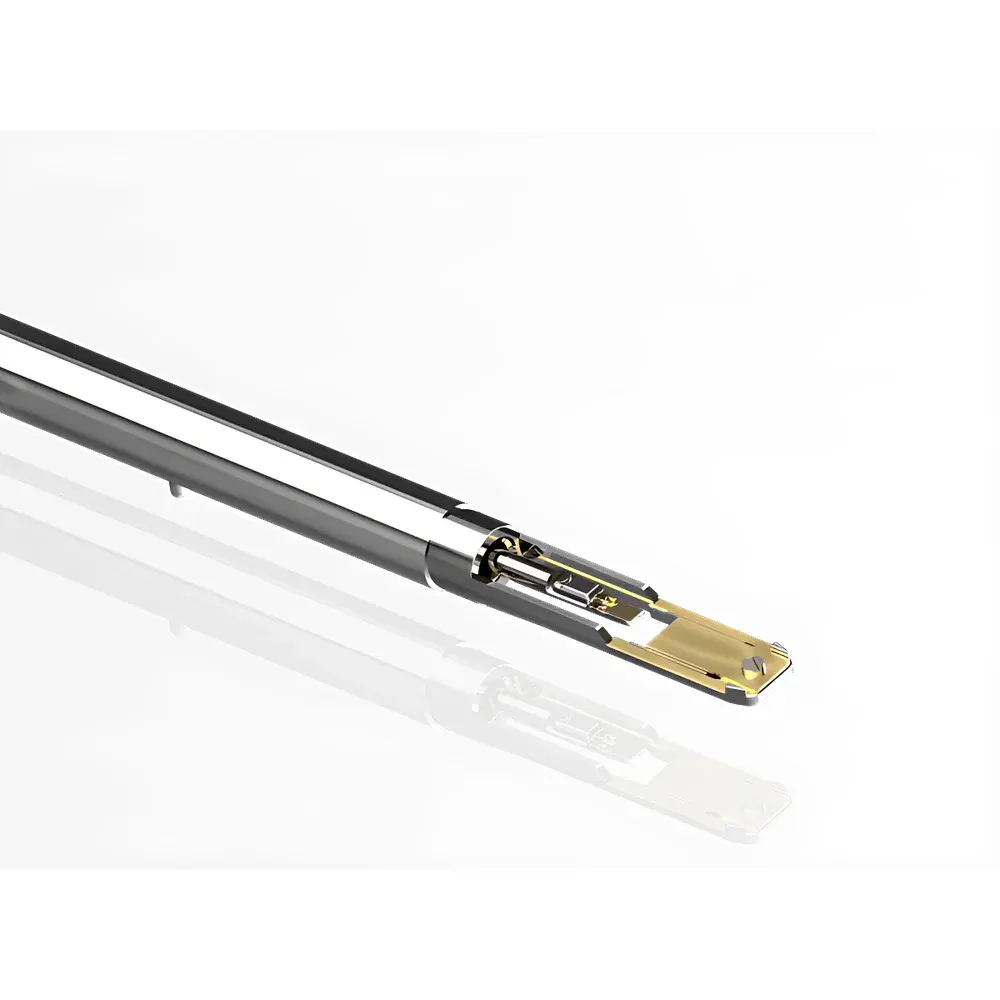
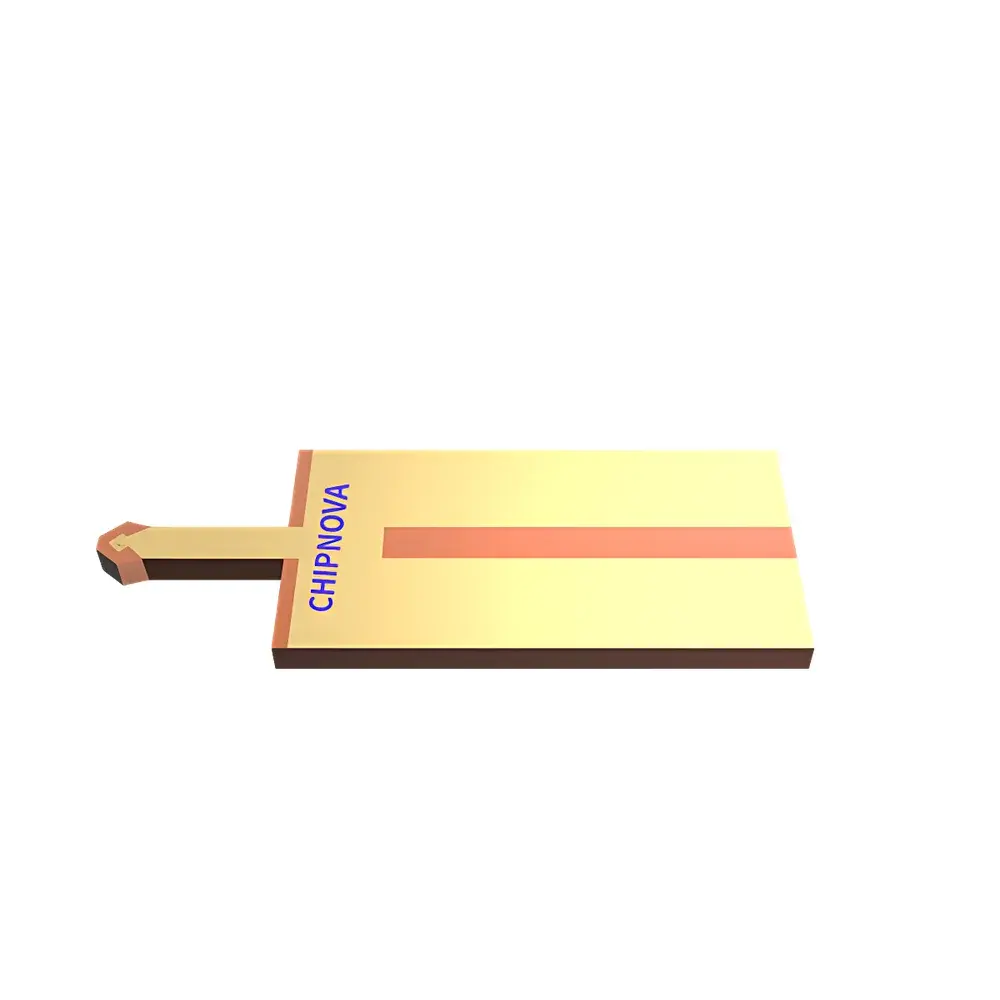
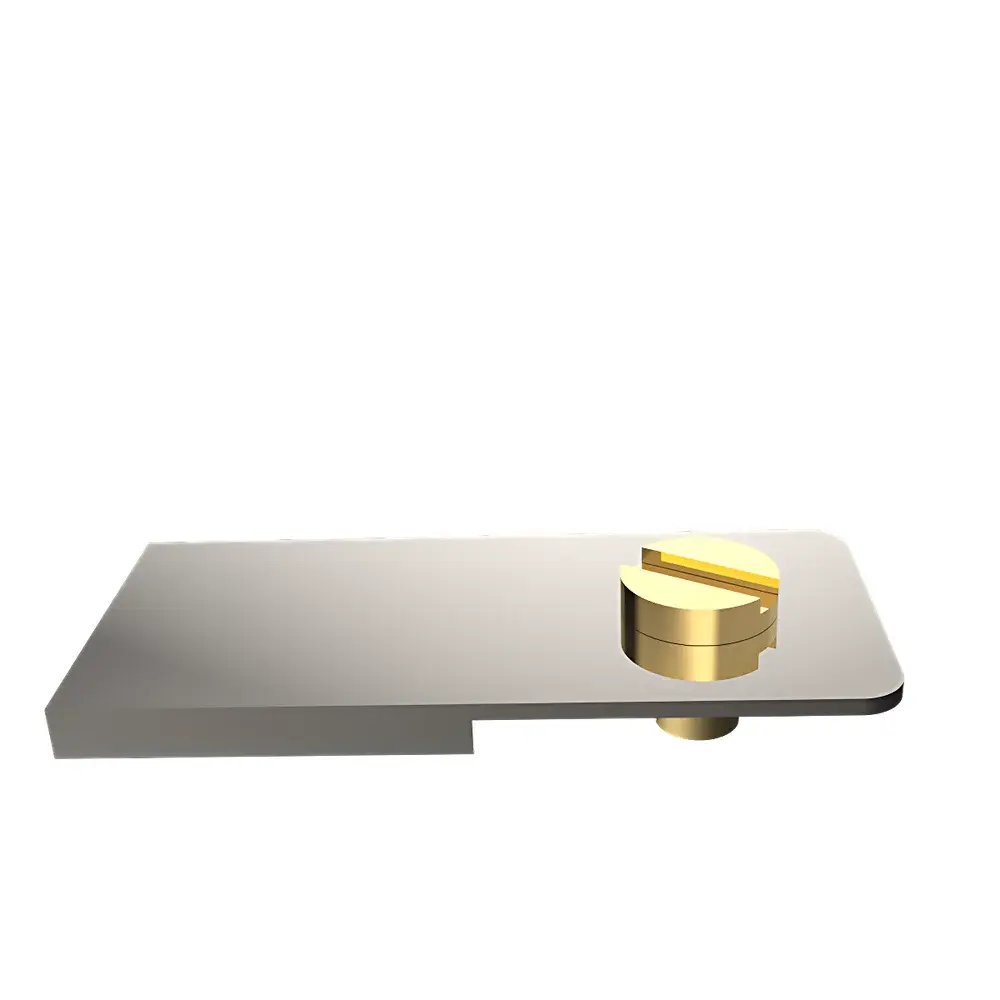
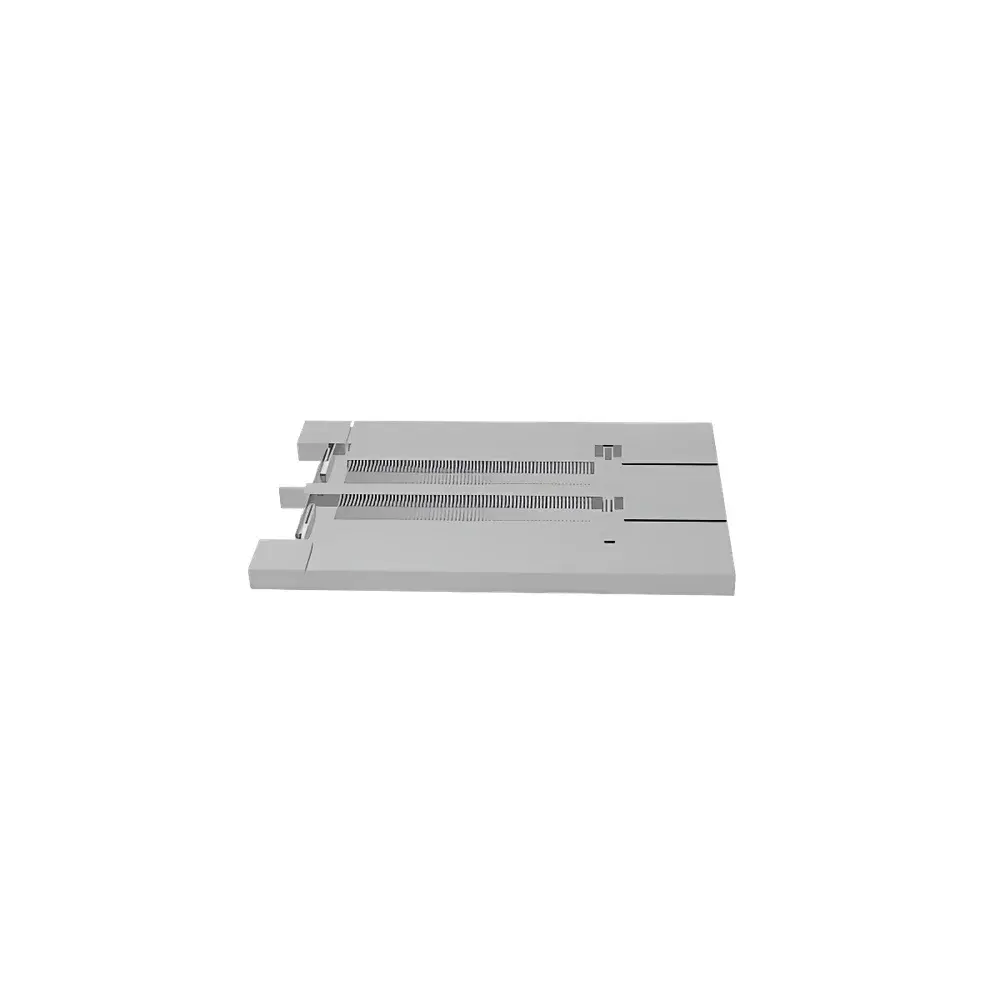
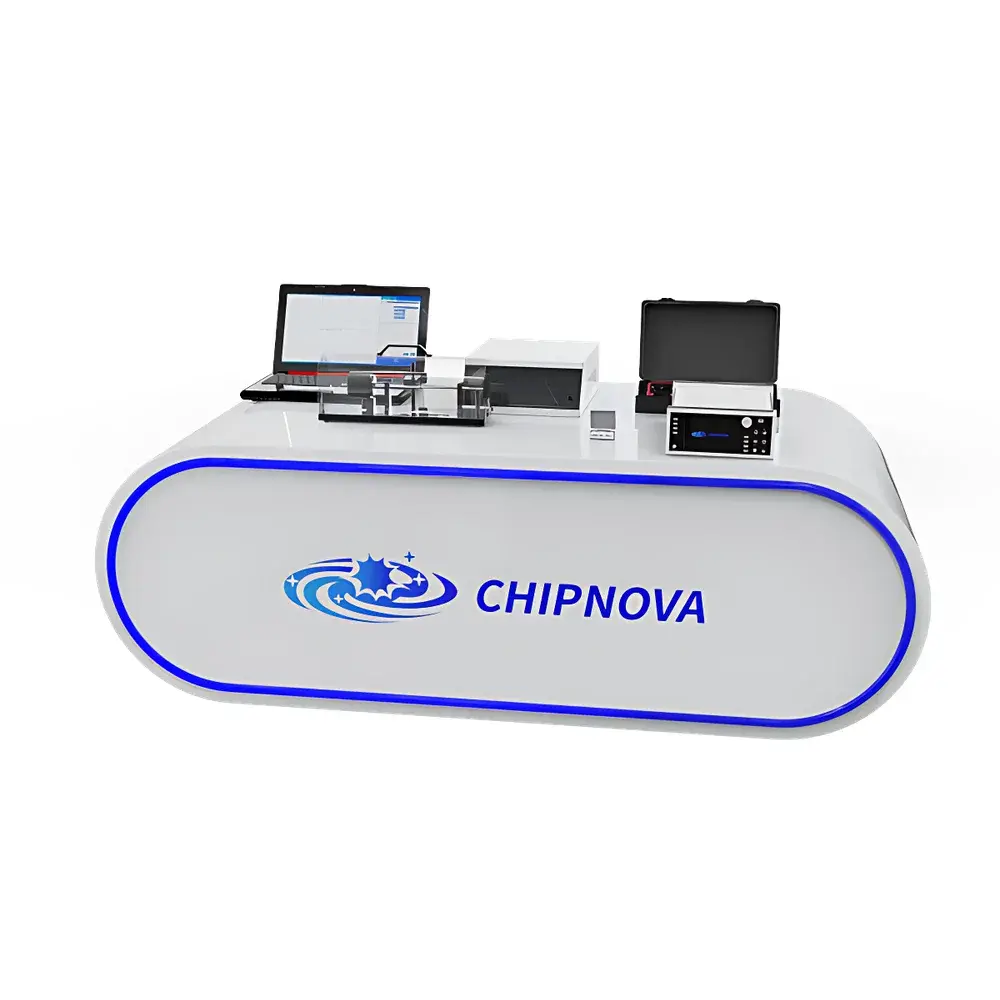
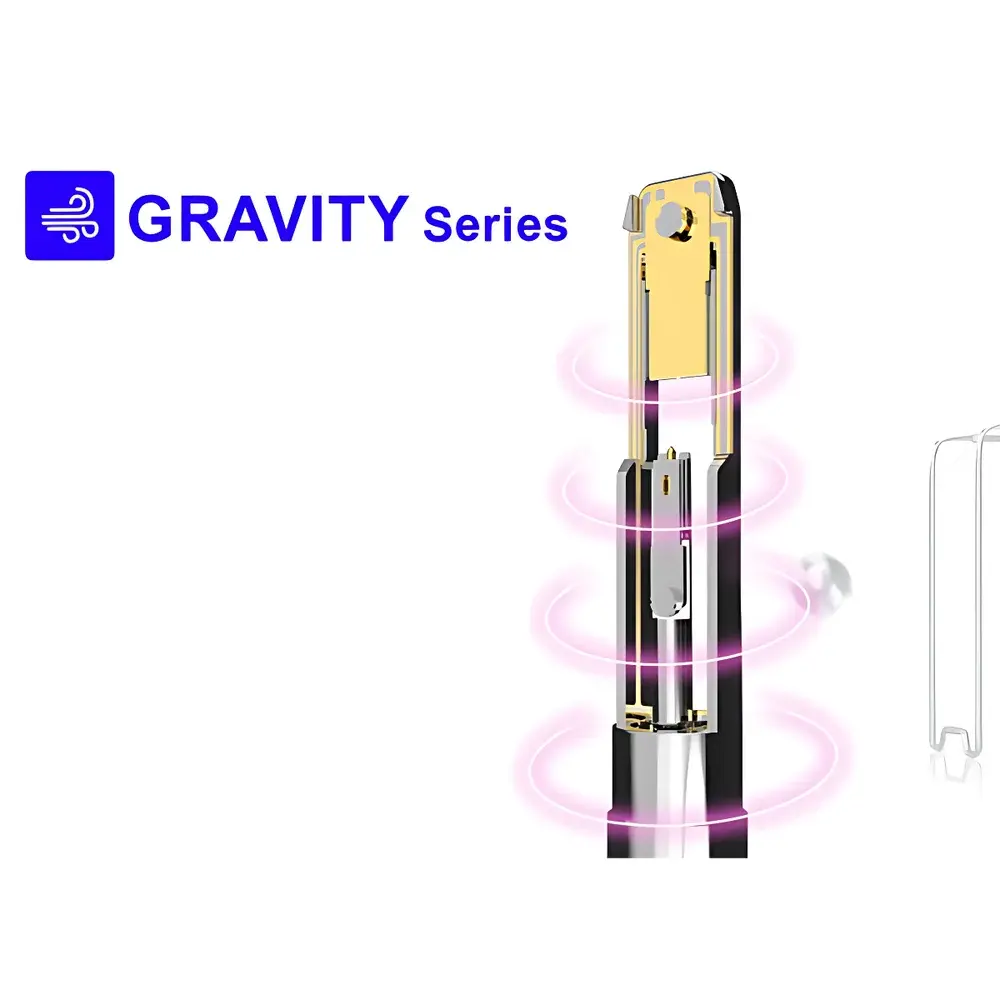
The CHIPNOVA CNT-GNIH is a fully integrated MEMS-based in situ high-temperature mechanical testing holder designed for transmission electron microscopy (TEM). It enables simultaneous, real-time nanoscale observation and quantitative mechanical characterization under precisely controlled thermal and mechanical stimuli inside the TEM vacuum chamber. Leveraging a monolithic silicon MEMS chip architecture, the system establishes closed-loop coupling between nanomechanical actuation (via piezoelectric transducers), high-fidelity thermal control (via resistive microheaters), and multi-modal TEM signal acquisition—including high-resolution TEM (HRTEM), scanning TEM (STEM), selected-area electron diffraction (SAED), energy-dispersive X-ray spectroscopy (EDS), and electron energy-loss spectroscopy (EELS). This integration permits direct correlation of atomic-scale structural evolution (e.g., dislocation nucleation, phase transformation, interface migration) with concurrent mechanical response (load–displacement–time) and local thermodynamic state (temperature, strain, chemical valence), fulfilling rigorous requirements for fundamental studies in solid-state physics, metallurgy, and advanced functional materials.
Key Features
- Nanomechanical Actuation: High-precision piezoelectric ceramic actuators deliver sub-nanometer positional resolution (<1 nm) and force sensitivity down to the nN range, enabling quantitative tensile, compressive, and bending tests at elevated temperatures up to 1000 °C.
- Thermal Performance: Dual-stage MEMS heating architecture employs high-stability noble-metal (Pt/Rh alloy) microheaters—serving simultaneously as resistive heaters and intrinsic temperature sensors—ensuring linear R–T response, uniform thermal distribution across the entire field of view, and exceptional stability (±0.01 °C setpoint accuracy; ≤±0.1 °C fluctuation in steady state).
- Dynamic Thermal Control: Closed-loop, high-frequency (≥1 kHz) feedback regulation eliminates parasitic errors from lead resistance and thermal lag, enabling rapid ramping (>100 °C/s) and precise isothermal dwell control.
- Multi-Modal Compatibility: Fully compatible with standard TEM configurations (Thermo Fisher/FEI Titan, JEOL ARM, Hitachi HT7800) and common pole-piece geometries (ST, XT, T, BioT, HRP, HTP, CRP), supporting simultaneous acquisition of HRTEM/STEM imaging, SAED patterns, EDS elemental mapping, and EELS fine-structure analysis during mechanical loading.
- Robust Mechanical Design: Titanium alloy holder body ensures high rigidity, low thermal expansion, and compatibility with high-tilt TEM stages (α-tilt ≥ ±20°, resolution <0.1°).
Sample Compatibility & Compliance
The CNT-GNIH accommodates freestanding nanowires, nanopillars, thin-film bridges, and 2D heterostructures (e.g., graphene/MoS₂ stacks) with lateral dimensions ranging from ~50 nm to 5 µm and thicknesses ≤200 nm. Sample mounting follows standard FIB-lift-out or micromanipulation protocols using tungsten or Pt-based deposition. The system adheres to ISO/IEC 17025-aligned calibration practices for both mechanical and thermal subsystems; temperature calibration is performed per-chip via built-in absolute reference curves derived from resistance–temperature polynomial fitting. All firmware and data acquisition modules comply with GLP-compliant audit trail requirements (timestamped, user-authenticated, non-erasable logs), supporting traceability for regulatory submissions under FDA 21 CFR Part 11 where applicable.
Software & Data Management
The proprietary control software operates remotely via Ethernet, decoupling operator interaction from the TEM environment. It supports synchronized acquisition of load–displacement–time traces (sampled at ≥10 kHz), real-time thermal feedback, and external trigger inputs for correlated TEM imaging. Users define multi-step thermal protocols (≥10 segments) with programmable ramp rates, dwell times, and conditional logic (e.g., pause on reaching target strain). Each MEMS chip undergoes automatic in-situ recalibration prior to every experiment using its native resistance–temperature relationship, ensuring metrological traceability. Raw data (binary .bin + metadata .json) are stored in HDF5 format compliant with FAIR principles; export to MATLAB, Python (NumPy/Pandas), or commercial FE postprocessing tools is supported without loss of temporal or spatial synchronization.
Applications
- High-temperature creep and stress relaxation behavior of single-crystal metallic nanocolumns (e.g., Cu, Ni, TiAl)
- In situ observation of dislocation dynamics, stacking fault formation, and twin boundary migration during nanoindentation/compression
- Thermally activated phase transformations (e.g., martensitic transitions in shape-memory alloys) coupled with mechanical loading
- Interface-driven failure mechanisms in multilayer thin films and 2D material heterostructures
- Valence-state evolution of transition metals (via EELS L-edge fine structure) under combined thermal–mechanical stress
- Quantitative nanomechanics of irradiated or hydrogen-charged materials for nuclear and energy applications
FAQ
What TEM models and pole pieces is the CNT-GNIH holder compatible with?
The holder is mechanically and electronically validated for Thermo Fisher/FEI Titan series (including Krios and Talos), JEOL ARM200F/300F, and Hitachi HT7800 systems with ST, XT, T, BioT, HRP, HTP, and CRP pole pieces.
Does the system support simultaneous EDS/EELS acquisition during mechanical testing?
Yes—full spectral acquisition (EDS mapping, EELS core-loss and low-loss) is synchronized with mechanical and thermal control signals via TTL triggers and timestamped data logging.
How is temperature calibrated for each experiment?
Each MEMS chip performs in situ calibration before every run using its intrinsic resistance–temperature polynomial, fitted against NIST-traceable reference points embedded in firmware.
Can the holder perform cyclic loading at elevated temperature?
Yes—it supports user-defined waveforms (sinusoidal, triangular, square) with programmable frequency (0.01–10 Hz), amplitude, and mean load, enabling fatigue and viscoelasticity studies up to 1000 °C.
Is vacuum compatibility verified to TEM operational specifications?
Yes—the entire assembly (chip, wiring, ceramic feedthroughs, titanium body) has been outgassing-tested per ASTM E595, with total mass loss (TML) <0.5% and collected volatile condensable materials (CVCM) <0.05%, ensuring no contamination of TEM column optics or detectors.




