
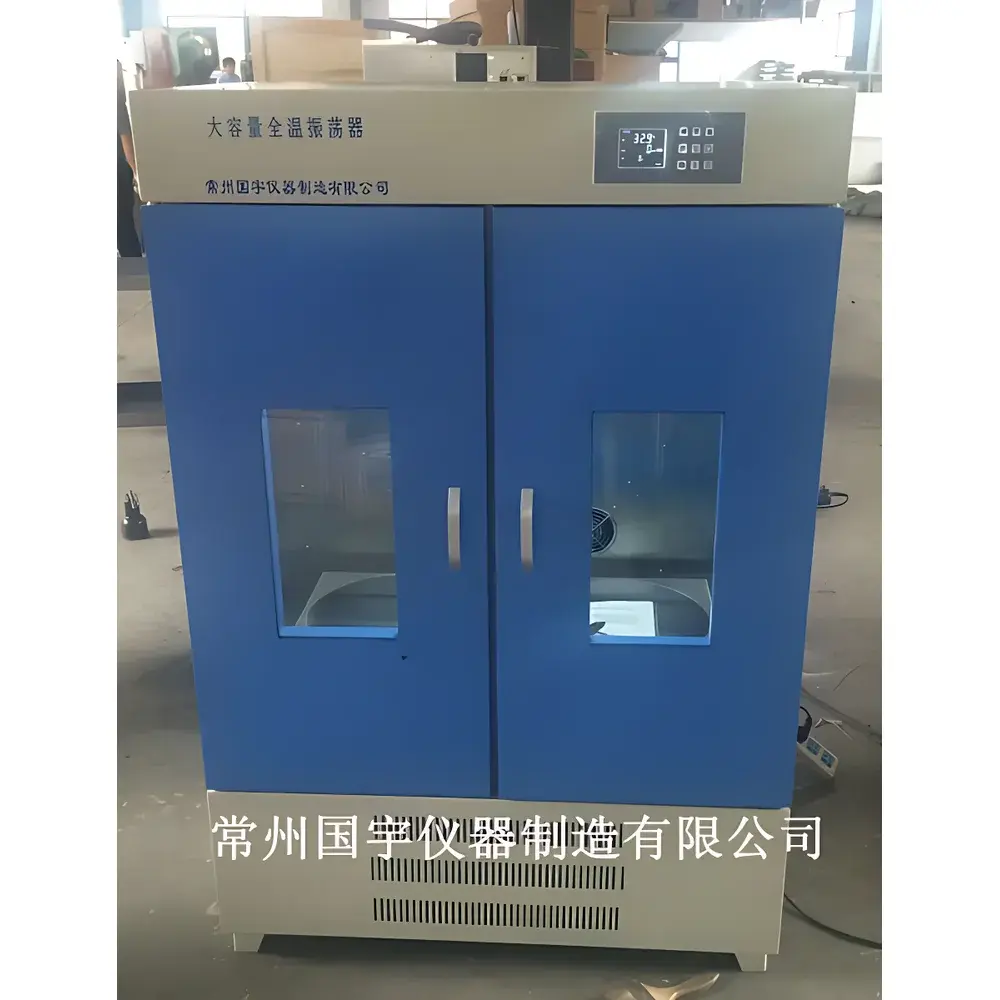
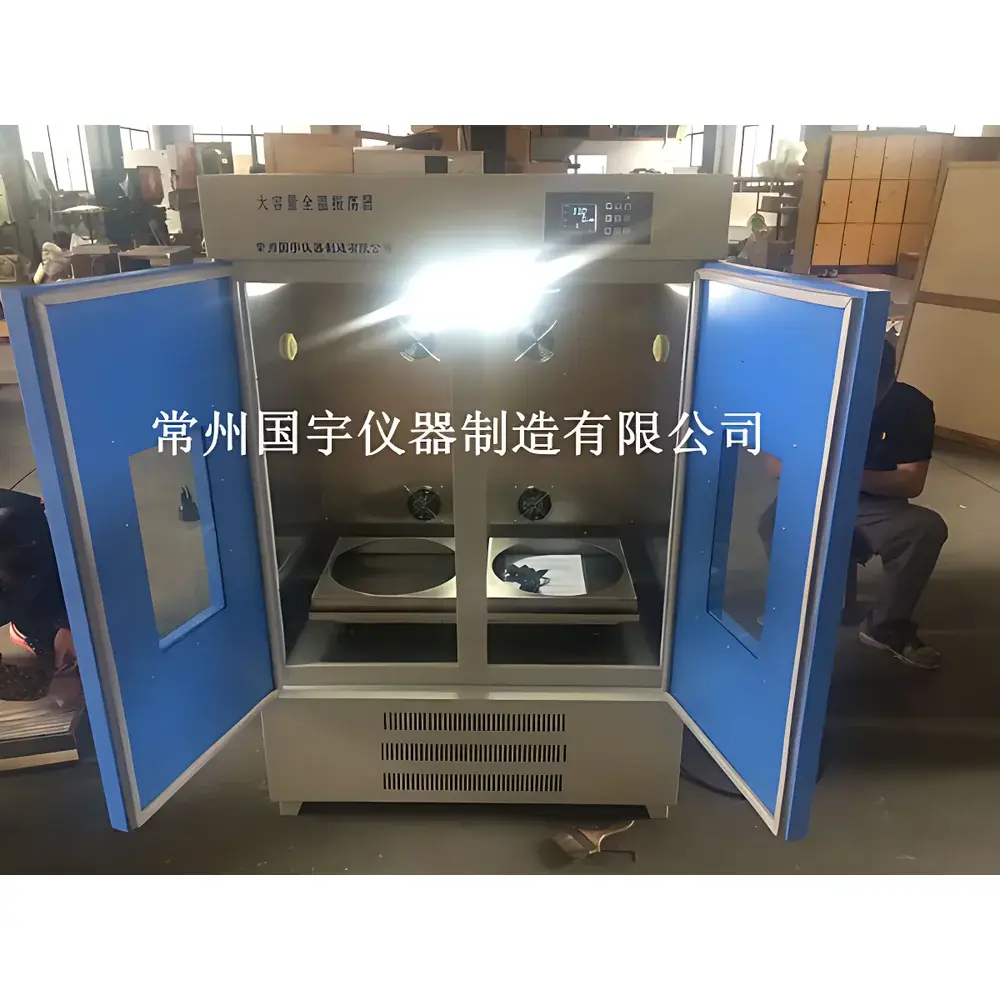
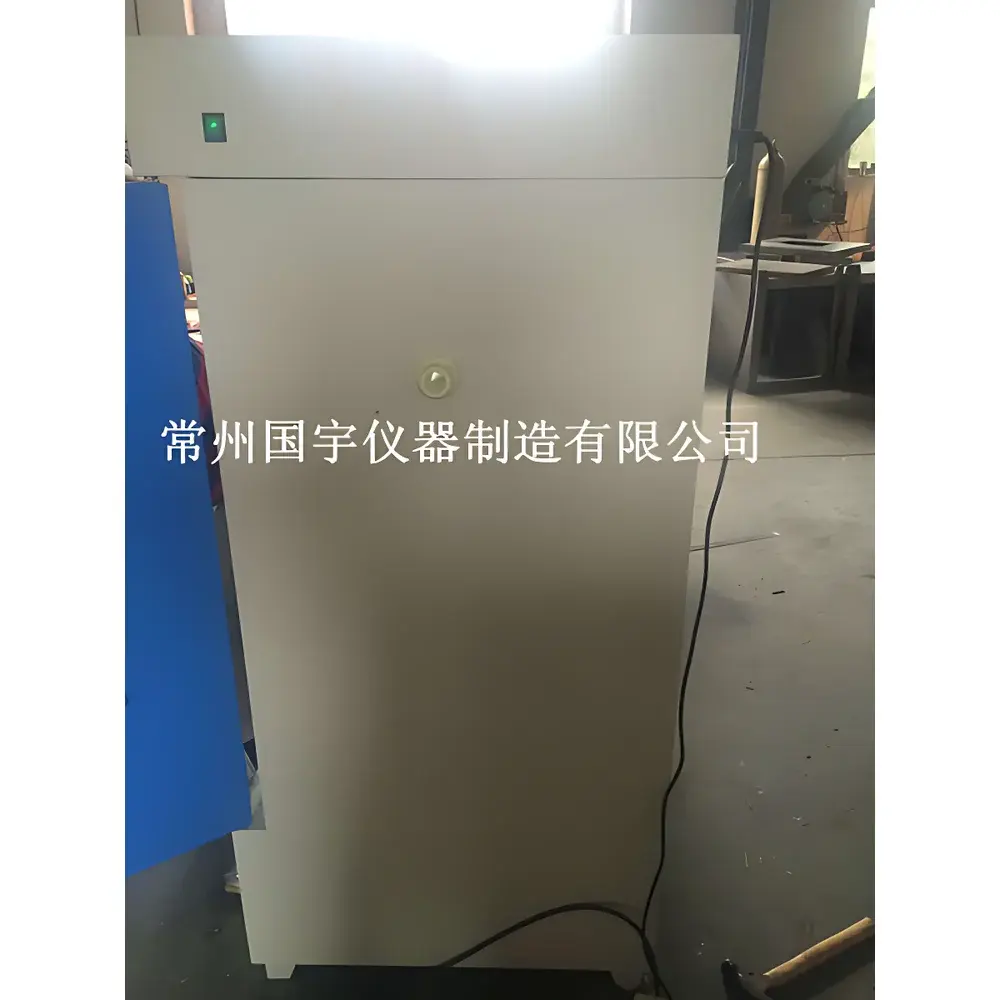
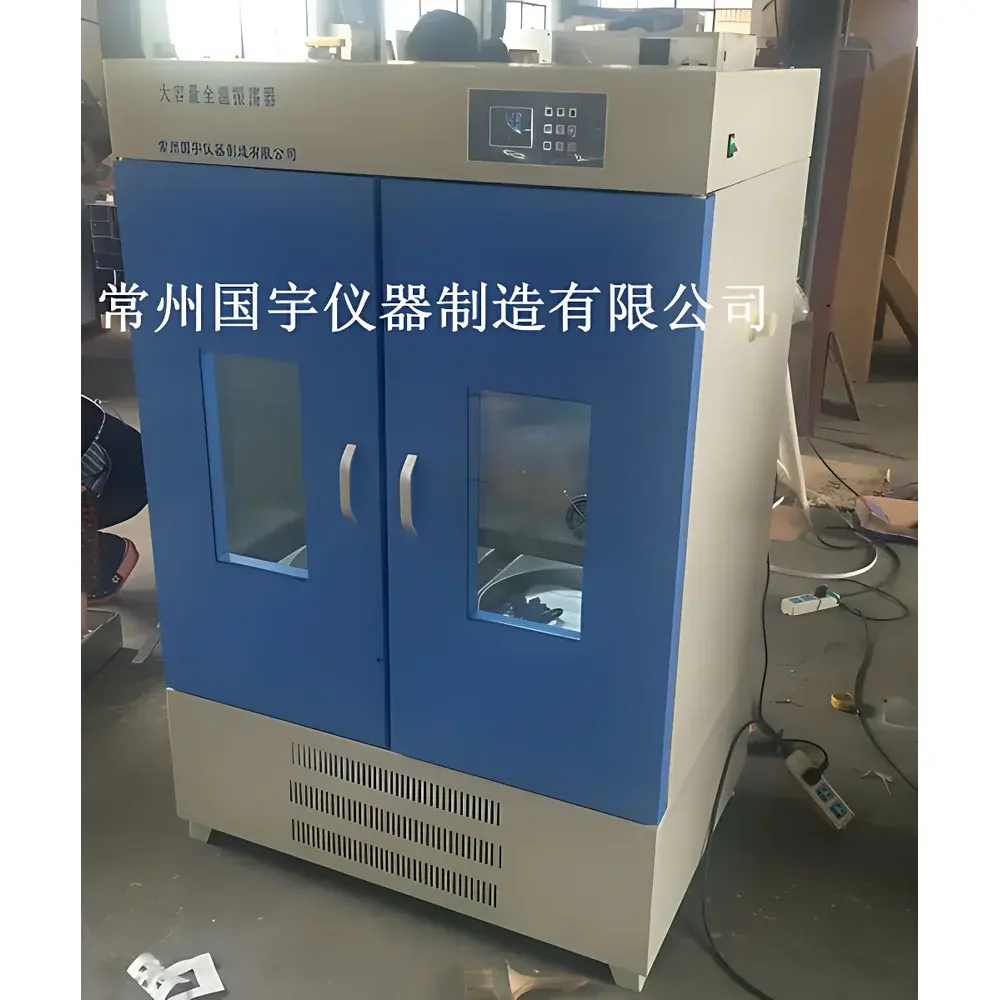
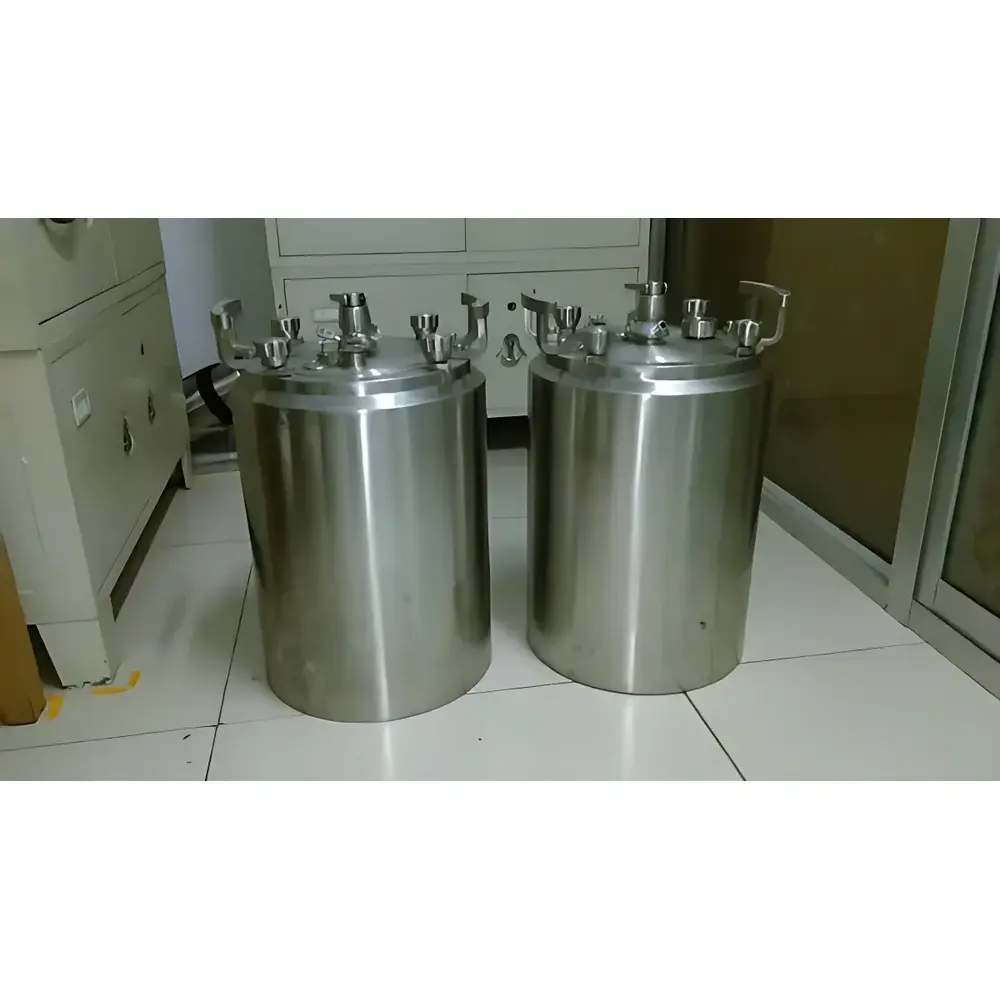
CZGY DHZ-2015 Brewery-Specific Air-Bath Constant-Temperature Orbital Shaker for Cartridge Cans
| Brand | CZGY |
|---|---|
| Origin | Jiangsu, China |
| Manufacturer Type | Direct Manufacturer |
| Instrument Category | Domestic |
| Model | DHZ-2015 |
| Price Range | USD 1,400–2,800 |
| Instrument Type | Air-Bath Constant-Temperature Oscillator / Orbital Shaker |
| Timer Range | 0–9999 min |
| Oscillation Frequency | 40–300 rpm |
| Orbit Diameter | 30 mm |
| Temperature Range | 0–60 °C |
| Shelf Quantity | 1 stainless-steel platform |
Overview
The CZGY DHZ-2015 is an air-bath constant-temperature orbital shaker engineered specifically for brewery process development and quality control laboratories requiring precise, reproducible agitation of beverage samples in standardized cartridge cans (e.g., 1–5 L stainless-steel or aluminum pressure-rated canisters). Unlike water-bath shakers, this unit employs forced-air convection heating and cooling—enabled by a dedicated compressor (230 W), PTC heating element (1200 W), and DC brushless motor—to maintain thermal uniformity across the entire oscillating platform. Its core operating principle relies on orbital motion (30 mm diameter) at adjustable speeds (40–300 rpm), enabling consistent oxygen transfer, yeast suspension, and CO₂ equilibration in liquid media without shear-induced cell damage. Designed for compliance with routine QC workflows in regulated brewing environments, it supports temperature-controlled fermentation trials, stability testing of finished beer, and accelerated shelf-life studies per ASBC Methods of Analysis and ISO 20483 (beer sensory and physicochemical evaluation).
Key Features
- Brushless DC motor ensures maintenance-free operation, constant rotational speed under load, and extended service life (>20,000 hr MTBF)
- Dual-door insulated chamber with stainless-steel double-walled construction and high-efficiency polyurethane foam insulation (≥50 mm thickness) minimizes thermal drift and energy consumption
- PID-based digital temperature control system with 0.1 °C resolution, ±0.5 °C accuracy, and ±1 °C uniformity across platform surface (validated per ASTM E2234)
- Independent dual-timer functionality: one for temperature ramp/soak duration (0–9999 min), another for oscillation activation window
- Front-accessible cartridge-can mounting interface with quick-release rotary clamping mechanism; compatible with industry-standard Sankey-type and Cornelius-style pressurized can holders (user-supplied)
- Two integrated air-inlet ports (one per side) allow controlled ambient air exchange during aerobic culture or degassing protocols
- Compressor-assisted active cooling enables sub-ambient operation down to 0 °C—critical for lager yeast propagation and cold crash simulation
Sample Compatibility & Compliance
The DHZ-2015 accommodates standard 1–5 L metal cartridge cans via its dedicated orbital platform equipped with adjustable spring-loaded clamps (stainless-steel grade 316). The 30 mm orbit diameter ensures gentle yet effective mixing for viscous wort, suspended yeast slurries, and carbonated beer without foaming instability or headspace pressure fluctuations. All wetted surfaces are electropolished stainless steel (ASTM A967 passivated), meeting USP extractables requirements for contact with potable liquids. The unit complies with IEC 61010-1:2010 safety standards for laboratory equipment and incorporates earth-grounding terminals as required by EN 61326-1 for EMC immunity in industrial lab settings. While not FDA 21 CFR Part 11–certified out-of-the-box, audit-ready operation logs (via optional RS-232/USB data export) support GLP-compliant documentation for internal QA/QC procedures.
Software & Data Management
The DHZ-2015 features a segmented LCD interface with real-time display of setpoint temperature, actual chamber temperature, oscillation speed, and remaining timer value. Although it lacks embedded PC connectivity, its controller supports analog voltage output (0–5 V DC) proportional to temperature for integration with external SCADA or LabVIEW-based monitoring systems. Optional data-logging modules (sold separately) enable timestamped CSV export of temperature and RPM traces at user-defined intervals (1–60 sec), facilitating traceability for HACCP critical control point validation. Firmware supports password-protected parameter locking to prevent unauthorized changes during unattended overnight runs—a common requirement in brewery pilot-scale trials.
Applications
- Controlled fermentation kinetics studies using cartridge-can inoculation systems
- Oxygen uptake rate (OUR) profiling during primary and secondary fermentation stages
- Accelerated stability testing (e.g., forced aging at 35 °C/7 days to simulate 90-day ambient storage)
- Yeast viability and flocculation behavior assessment under variable shear and thermal conditions
- Carbonation equilibrium modeling in sealed can formats prior to packaging line validation
- Wort aeration optimization trials for different barley malt varieties and mash schedules
- Microbial challenge testing with spoilage organisms (e.g., Lactobacillus brevis, Pediococcus damnosus) under defined thermal-agitation stress
FAQ
What types of cartridge cans are mechanically compatible with the DHZ-2015 platform?
Standard Sankey-type (D-system) and Cornelius-style (ball-lock) 1–5 L stainless-steel or aluminum beverage cans with external diameters between 90–120 mm and heights up to 350 mm.
Does the unit support simultaneous temperature ramping and oscillation?
Yes—temperature and agitation profiles operate independently; users may initiate shaking before, during, or after temperature stabilization.
Is condensation management addressed in the chamber design?
Yes—the inner chamber includes a sloped floor with central drain channel and desiccant-access port to mitigate moisture accumulation during low-temperature operation.
Can the DHZ-2015 be integrated into a brewery’s existing LIMS or MES infrastructure?
Via optional analog output module or third-party USB-to-serial adapters, enabling basic telemetry ingestion into industrial data historians (e.g., Siemens Desigo CC, Rockwell FactoryTalk).
What maintenance intervals are recommended for long-term reliability?
Compressor oil level inspection every 12 months; fan filter cleaning every 3 months; calibration verification of temperature sensor annually per ISO/IEC 17025 guidelines.




