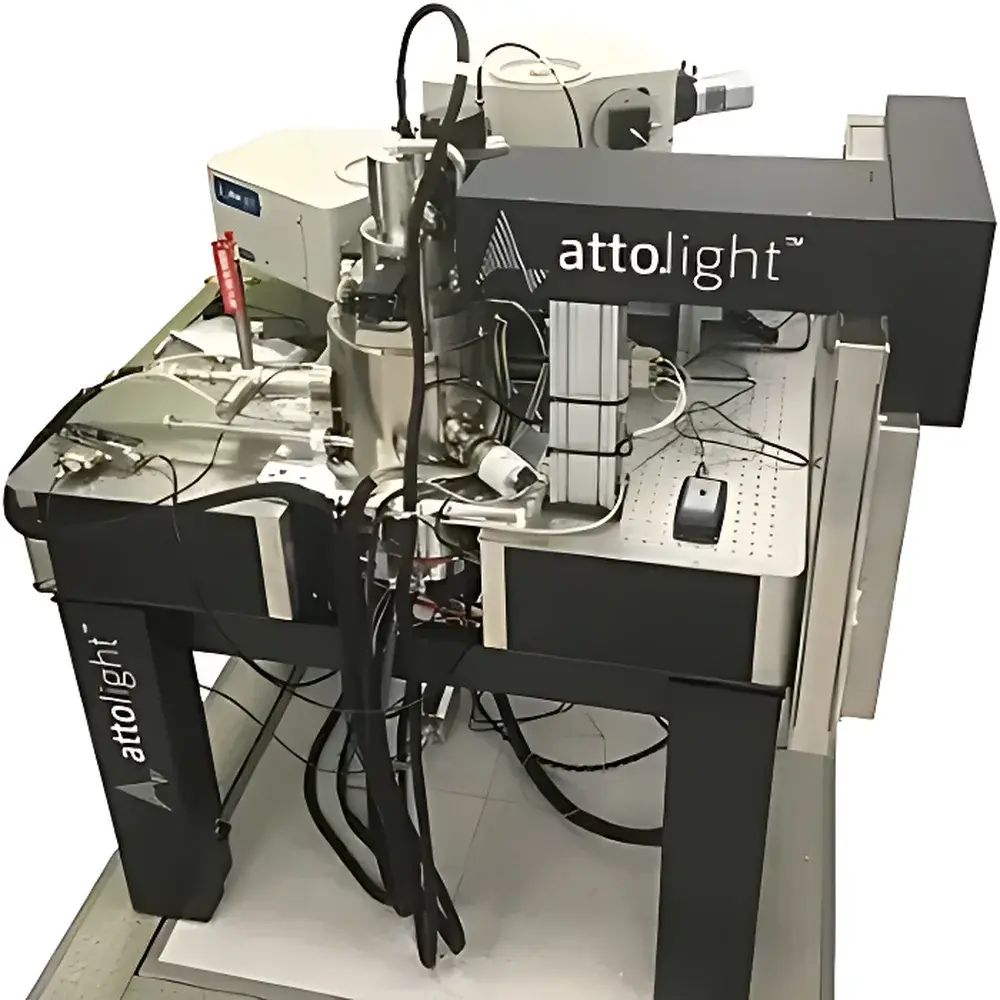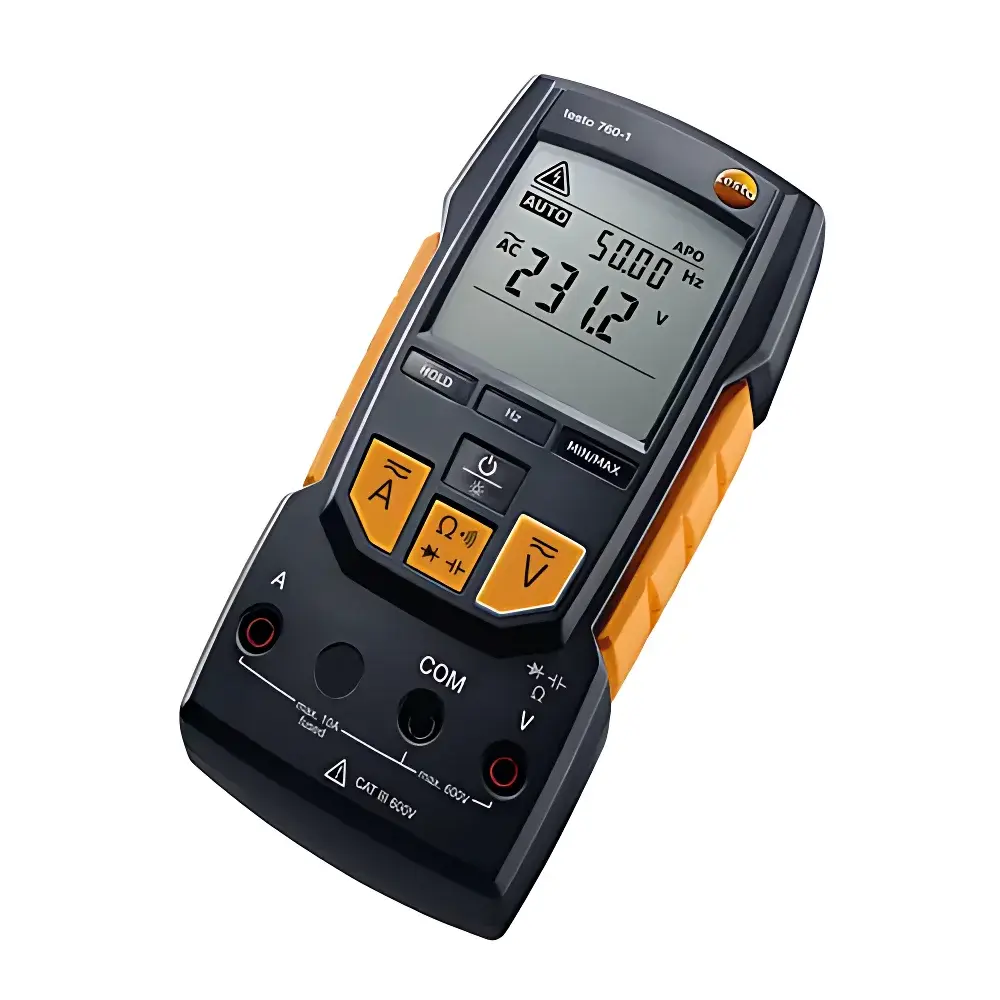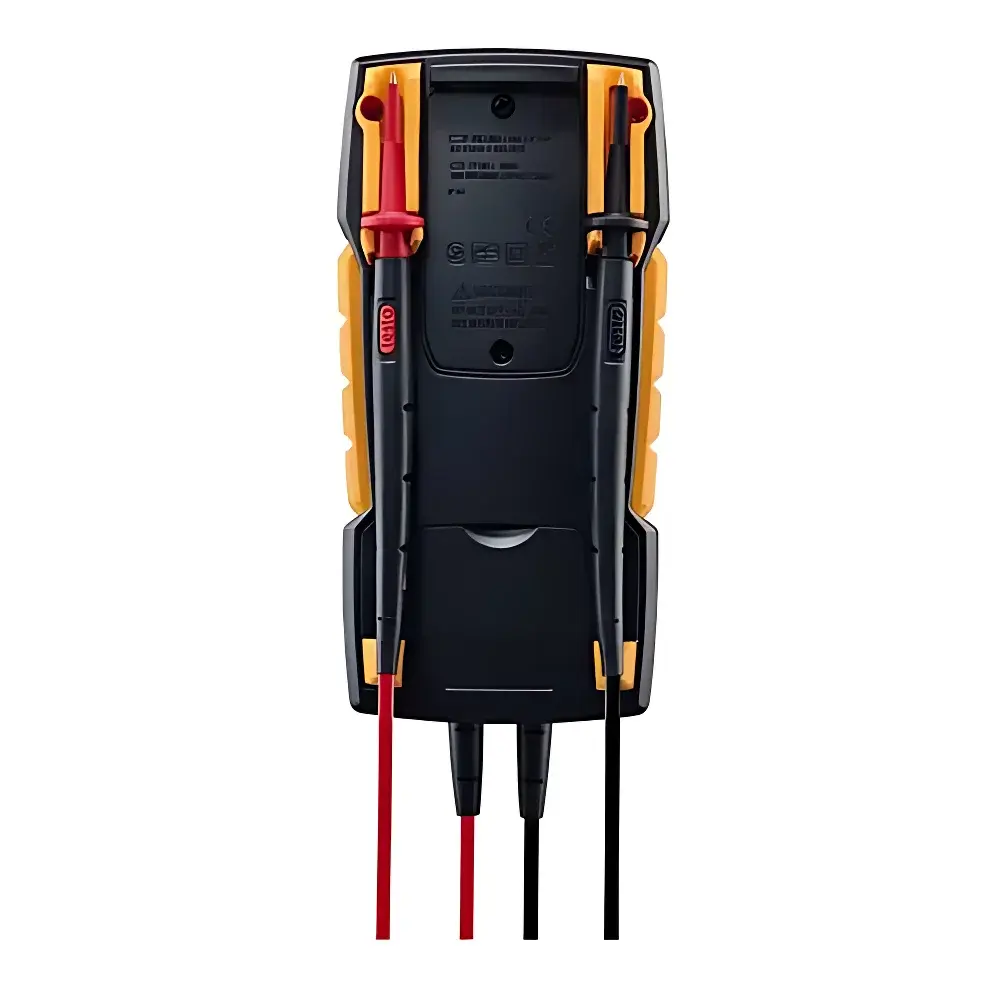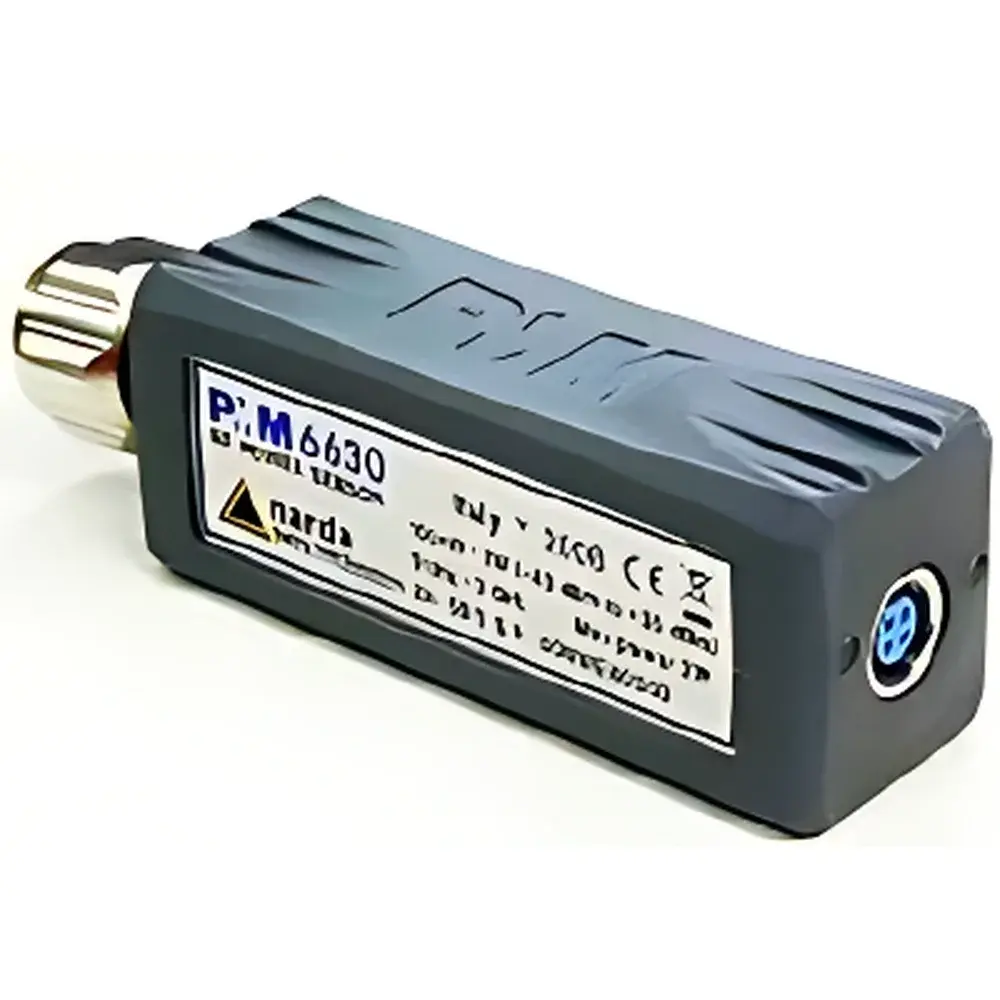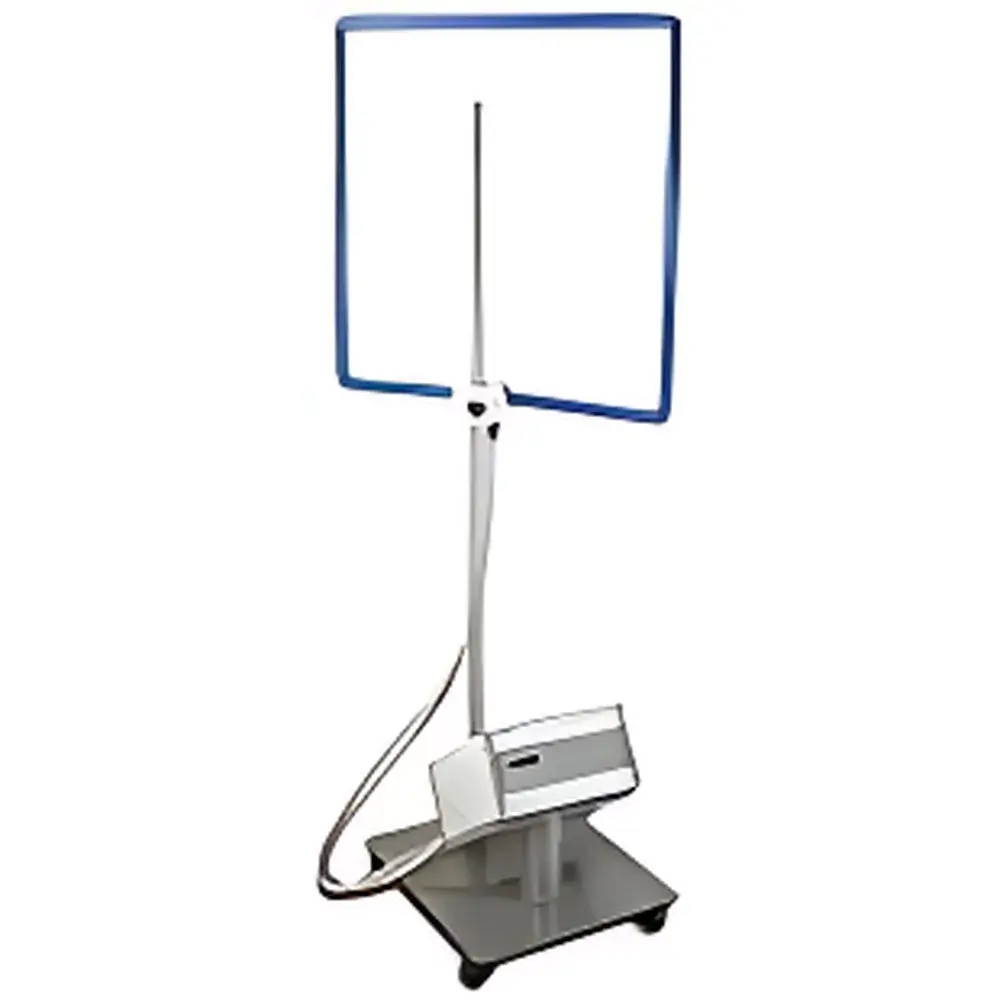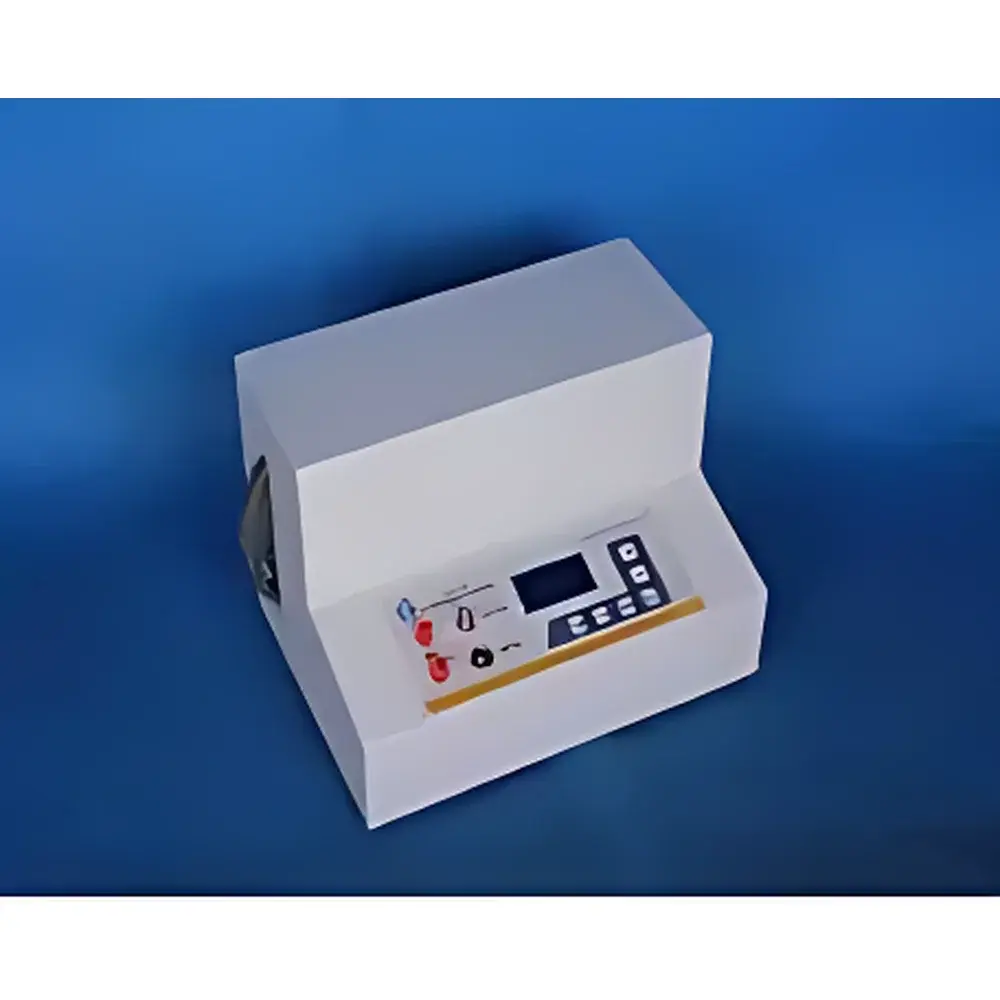
BIAOZHUO DTY-5 Elevator Overspeed Governor Tester Calibration System
| Brand | BIAOZHUO |
|---|---|
| Origin | Shanghai, China |
| Manufacturer Type | Authorized Distributor |
| Country of Origin | China |
| Model | DTY-5 |
| Price Range | USD 1,400 – 7,000 |
| Speed Measurement Range | 0–20.00 m/s |
| Speed Resolution | 0.001 m/s |
| Acceleration Measurement Range | 0–99.99 cm/s² |
| Acceleration Resolution | 0.01 cm/s² |
| Measurement Accuracy | ±3×10⁻³ (relative) |
| Crystal Oscillator Frequency Stability | ±1×10⁻⁴ |
| Timebase Drift (4 h) | ≤1.0×10⁻⁴ |
| Pulley Circumference | Multiple of 314 mm (recommended: 628 mm) |
| Power Supply | AC 220 V, 50 Hz |
Overview
The BIAOZHUO DTY-5 Elevator Overspeed Governor Tester Calibration System is a metrologically traceable, purpose-built calibration platform engineered to verify and adjust the performance of elevator overspeed governor testers in accordance with JJF 1374–2012, the national metrological verification specification for such instruments in the People’s Republic of China. Unlike general-purpose speed or acceleration calibrators, the DTY-5 replicates the dynamic mechanical behavior of real elevator governors—including controlled rotational acceleration profiles, precise velocity ramping, and synchronized electro-mechanical trigger events—enabling full functional validation of field test equipment used by provincial and municipal metrology institutes, elevator safety inspection centers, and third-party certification laboratories. Its core architecture integrates a high-stability servo-driven pulley system, dual-channel time-of-flight velocity acquisition, and programmable contact closure emulation to support both electrical switch activation (e.g., safety circuit interruption signals) and mechanical tripping event simulation (e.g., centrifugal pawl engagement). All timing references are derived from a temperature-compensated crystal oscillator (TCXO) with documented frequency stability and short-term drift characteristics compliant with ISO/IEC 17025 calibration infrastructure requirements.
Key Features
- Full compliance with JJF 1374–2012 for traceable calibration of elevator overspeed governor testers.
- Dual-mode speed and acceleration simulation: programmable linear ramp, step-change, and constant-velocity profiles across 0–20.00 m/s range.
- Simultaneous reference-speed output and real-time comparison against the device under test (DUT), enabling direct accuracy assessment per measurement point.
- Configurable electrical contact closure trigger at user-defined speeds (e.g., 115% rated speed), emulating governor switch actuation for functional verification.
- Independent mechanical trip signal generation, synchronized to rotational kinematics, for validating mechanical release thresholds.
- Integrated pulley diameter measurement tool—calibrated stainless-steel gauge with vernier resolution—to ensure correct circumference input (e.g., 628 mm) and eliminate geometric error propagation.
- Onboard data logging with timestamped records of maximum measured speed, switch activation speed (electrical and mechanical), and acceleration history.
- Front-panel interface with parameter configuration menu, data review mode, and system diagnostics accessible without external software.
Sample Compatibility & Compliance
The DTY-5 is designed exclusively for calibrating handheld or benchtop elevator overspeed governor testers that employ rotary encoder, magnetic pickup, or optical tachometer sensing methods. It accommodates standard test wheel diameters via its adjustable mounting base and supports pulley circumferences that are integer multiples of 314 mm (π × 100 mm), with 628 mm (2π × 100 mm) recommended for optimal resolution and repeatability. The system meets the mechanical interface and signal-level specifications defined in JJF 1374–2012, including contact resistance <0.5 Ω for electrical triggers and mechanical response latency <10 ms. While not certified to EN 81-20 or ASME A17.1 directly, its metrological traceability path—through TCXO-referenced timing and NIM-traceable velocity standards—supports conformity assessments required under national elevator safety regulations and GLP-aligned laboratory accreditation (CNAS, ILAC-MRA signatory labs).
Software & Data Management
The DTY-5 operates as a standalone calibration station; no PC connection is required for routine verification. All measurement data—including speed maxima, switch activation velocities, acceleration profiles, and system timestamps—are stored internally in non-volatile memory with capacity for ≥500 test records. Users may browse, export (via USB flash drive), or delete entries directly on the LCD interface. For laboratories operating under ISO/IEC 17025 or FDA 21 CFR Part 11 requirements, optional firmware upgrade enables audit-trail logging (user ID, action timestamp, parameter changes) and digital signature authentication for calibration reports. Raw data exports follow CSV format with SI-unit headers and embedded metadata (e.g., calibration date, operator ID, environmental conditions if logged externally), facilitating integration into LIMS or ELN platforms.
Applications
- Periodic verification and adjustment of elevator overspeed governor testers in metrology institutes and provincial quality supervision bureaus.
- Factory acceptance testing (FAT) of new governor testers prior to field deployment.
- Root-cause analysis of field tester discrepancies—e.g., inconsistent switch activation readings—by isolating instrument error from procedural or environmental factors.
- Training and proficiency testing for elevator safety inspectors, supporting competency assessment per GB/T 24478–2009 and TSG T7001–2023 guidelines.
- Supporting accreditation audits (e.g., CNAS CL01) through documented uncertainty budgets, traceability statements, and calibration certificate templates aligned with JJF 1071–2010.
FAQ
Does the DTY-5 require external calibration before use?
No—the internal TCXO and velocity reference chain are factory-calibrated against NIM-traceable standards; users receive a calibration certificate with uncertainty budget and traceability statement.
Can it calibrate testers using non-contact laser tachometers?
Yes—its reflective pulley surface and stable rotational profile meet ISO 5725 repeatability requirements for optical sensor verification.
Is the 628 mm pulley circumference mandatory?
It is strongly recommended to minimize rounding error in speed calculation (v = ω × r); alternative multiples of 314 mm are supported but reduce effective resolution.
What environmental conditions affect measurement accuracy?
Ambient temperature should be maintained between 20 °C ± 5 °C; humidity <80% RH non-condensing. No active thermal compensation is provided, so extended operation beyond 4 hours requires re-zeroing per JJF 1374–2012 Section 6.3.
How is measurement uncertainty determined for a given calibration point?
Combined standard uncertainty is calculated per GUM (JCGM 100:2008), incorporating contributions from oscillator stability, encoder linearity, pulley geometry tolerance, and repeatability (k = 2, 95% confidence). Typical expanded uncertainty is ≤±0.006 m/s at 5.00 m/s.