
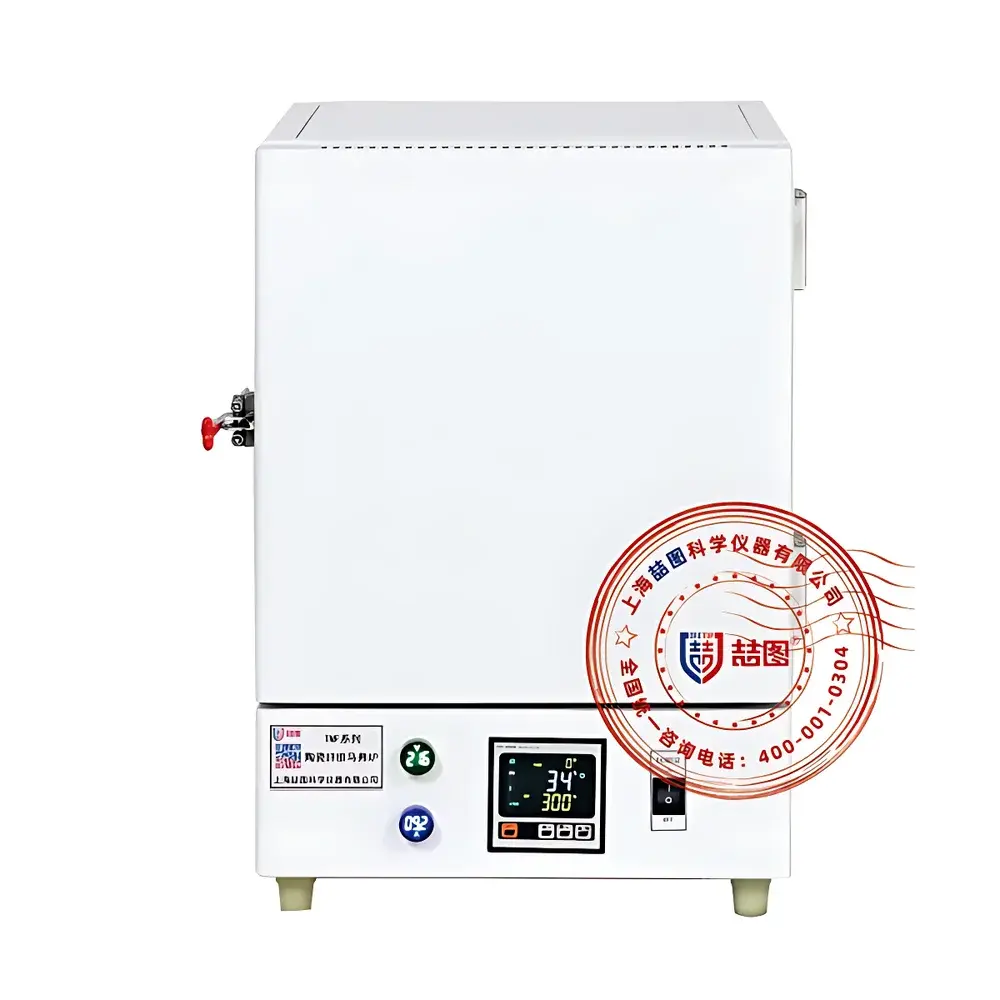
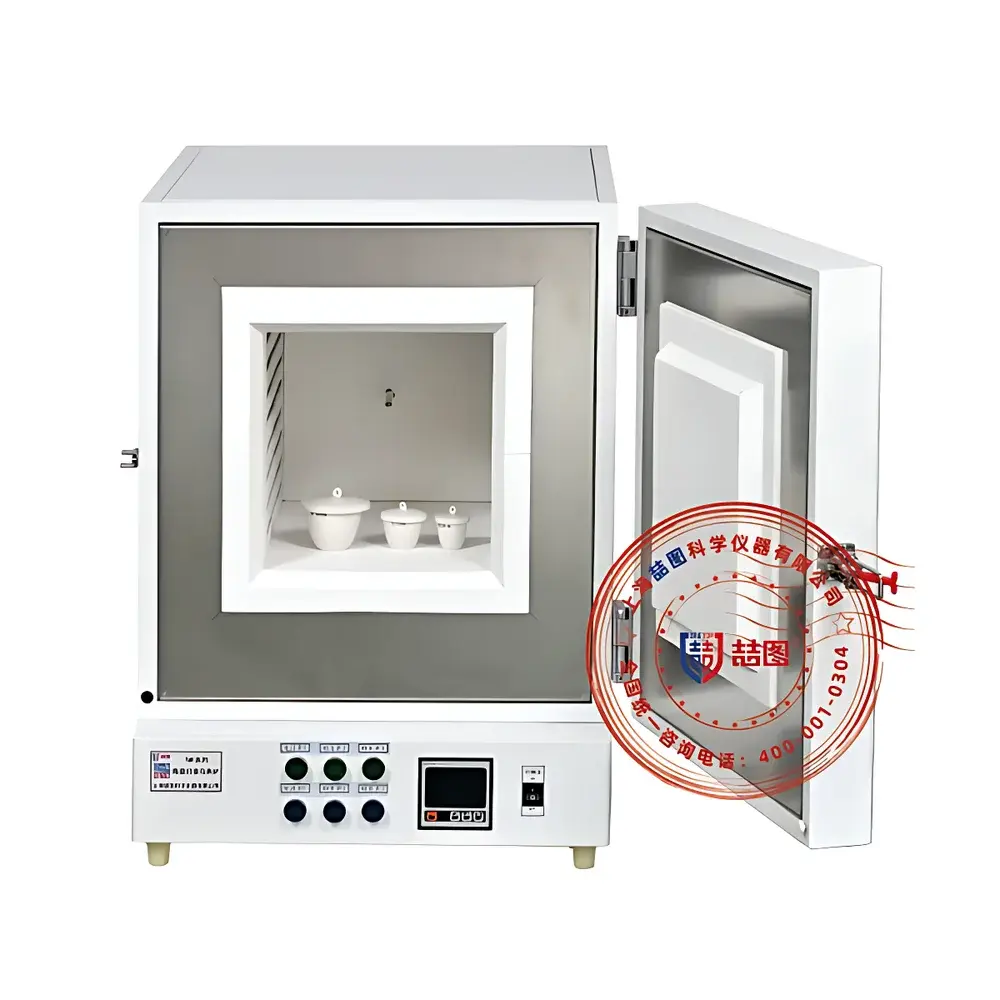
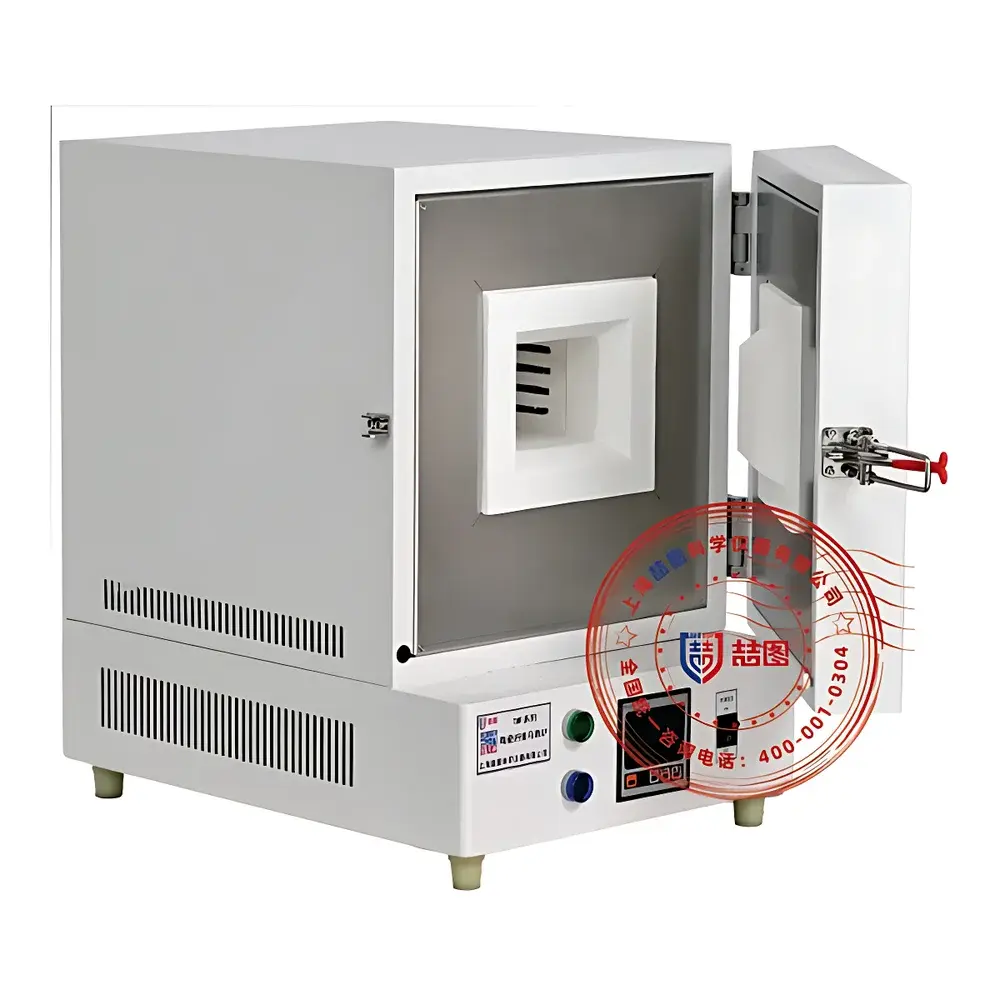
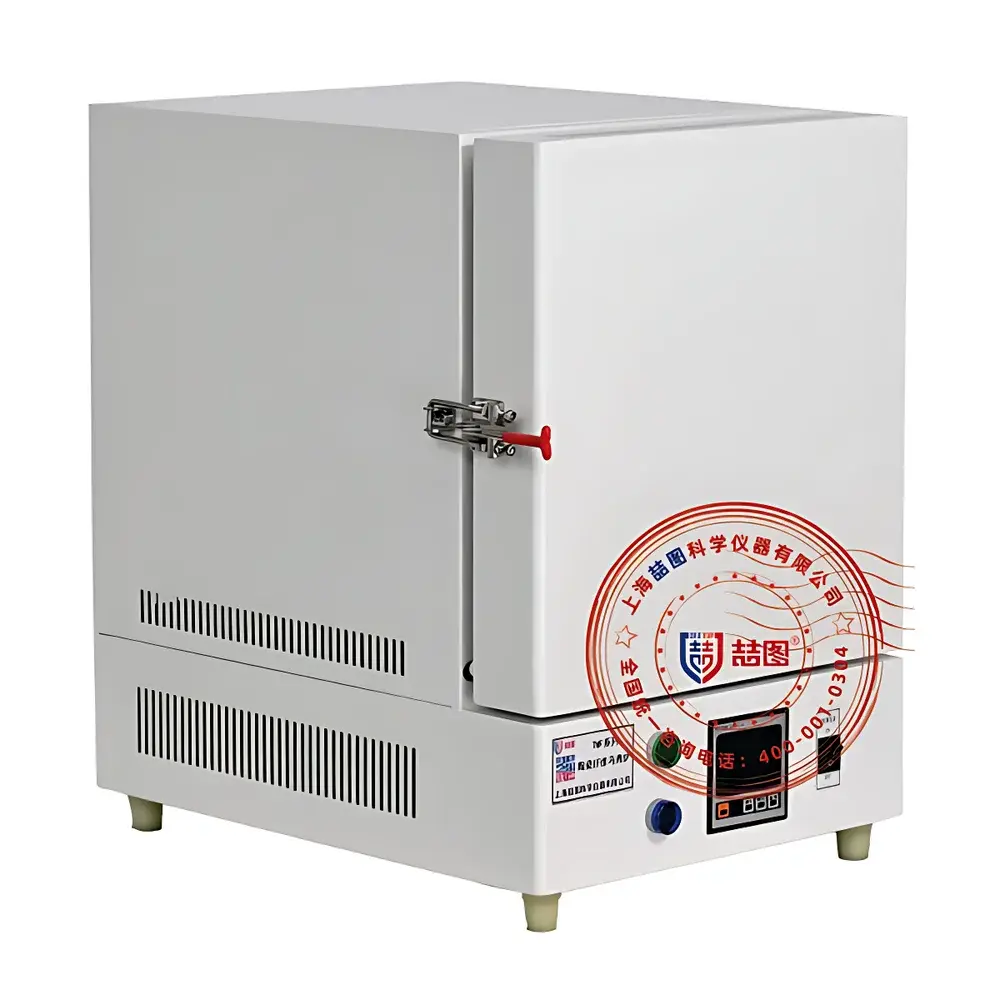
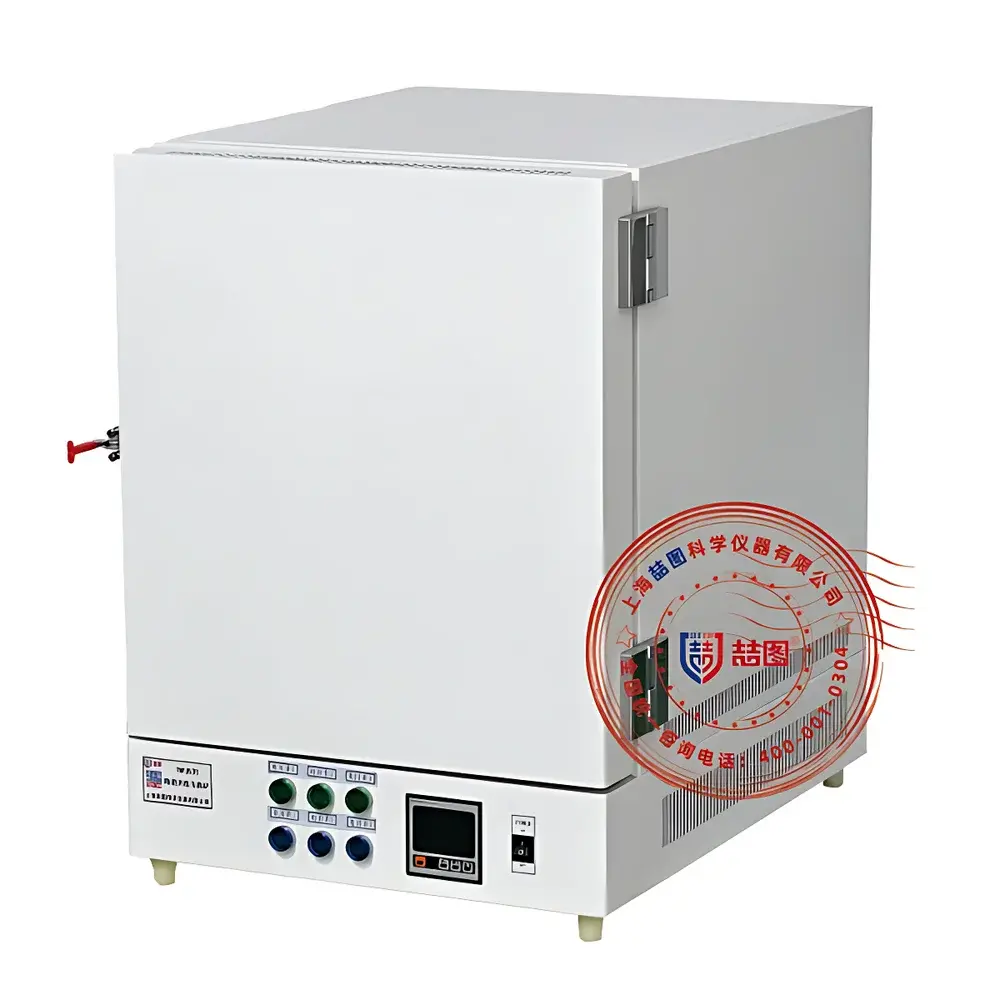
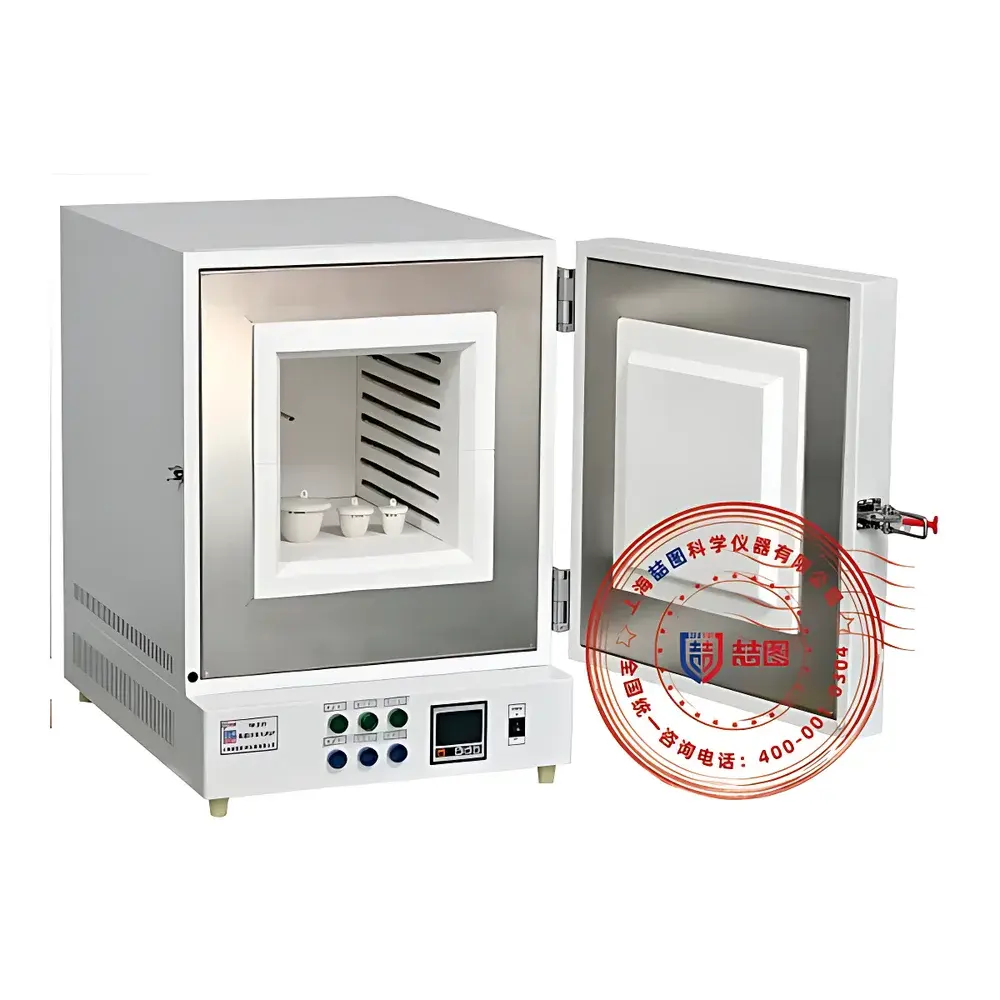
DRETOP TMF-7.2-12TP Ceramic Fiber Muffle Furnace
| Brand | DRETOP |
|---|---|
| Origin | Shanghai, China |
| Manufacturer Type | Direct Manufacturer |
| Product Category | Domestic |
| Model | TMF-7.2-12TP |
| Instrument Type | Box-Type Muffle Furnace |
| Maximum Temperature | 1200 °C |
| Temperature Control Accuracy | ±1 °C |
| Rated Power | 5 kW |
| Heating Time to Max Temp | 45 min |
| Heating Element Material | Ultra-High-Temperature Alloy |
| Internal Chamber Dimensions | 200 × 300 × 120 mm |
| Control System | Microcomputer-Based PID Controller |
| Nominal Volume | 7.2 L |
Overview
The DRETOP TMF-7.2-12TP is a high-performance ceramic fiber box-type muffle furnace engineered for precision thermal processing in research laboratories, materials science facilities, and quality control environments. Unlike traditional refractory brick furnaces, it employs vacuum-microporous ceramic fiber insulation—offering superior thermal efficiency, rapid heating kinetics, and exceptional temperature uniformity across the working zone. Its operating principle relies on resistive heating via ultra-high-temperature alloy elements embedded within three-sided furnace walls, generating controlled radiant heat transfer with minimal thermal lag. Designed for applications demanding strict thermal profiles—including ashing, calcination, sintering, annealing, and heat treatment of metals and ceramics—the TMF-7.2-12TP delivers repeatable, traceable, and auditable thermal cycles compliant with standard laboratory practice frameworks.
Key Features
- Triple-wall radiant heating architecture ensures symmetrical heat distribution and minimizes axial/radial thermal gradients; measured temperature uniformity is ≤±3 °C at 1200 °C (per ASTM E220 calibration methodology).
- Microcomputer-based PID controller with large-backlit LCD interface supports 30-segment programmable ramp-soak profiles, enabling precise replication of complex thermal schedules required for GMP-compliant material processing.
- Integrated door-interlock safety circuit automatically de-energizes heating elements upon door opening—eliminating thermal shock to samples and protecting operator safety during intermediate sample access.
- Dual-stage overtemperature protection system includes independent mechanical and electronic limit controllers, both certified to IEC 61000-4-5 surge immunity standards and equipped with non-volatile memory for power-loss recovery.
- Structural design incorporates phosphate-conversion coated steel housing with high-temp epoxy powder coating, providing corrosion resistance under repeated thermal cycling and ambient humidity exposure.
- Front-access ceramic viewing port (optional MK-series configuration) allows real-time visual monitoring without compromising chamber integrity or thermal stability.
Sample Compatibility & Compliance
The TMF-7.2-12TP accommodates standard crucibles (alumina, quartz, silicon carbide), ceramic boats, and metal trays up to 200 mm × 300 mm footprint. Its internal geometry supports ISO/IEC 17025-accredited ash content determination per AOAC 923.03 and ASTM D3174, as well as USP heavy metal residue testing protocols. The furnace meets CE marking requirements under Directive 2014/35/EU (Low Voltage Directive) and 2014/30/EU (EMC Directive). Optional RS485 Modbus RTU interface enables integration into LIMS or MES platforms supporting FDA 21 CFR Part 11 electronic record and signature compliance when paired with validated software.
Software & Data Management
While the base TP-series controller operates via front-panel programming, optional TC-series color touchscreen upgrade provides real-time graphical temperature curve visualization, multi-level user authentication (engineer/operator/auditor roles), and CSV export of time-stamped thermocouple data. All recorded thermal events include automatic timestamping, operator ID logging, and audit trail metadata—fully compatible with GLP documentation workflows. Data retention is supported via USB flash drive or optional Ethernet module (IEEE 802.3), facilitating automated backup to networked file servers or cloud archival systems.
Applications
- Quantitative ash analysis of pharmaceutical excipients, foodstuffs, and polymer composites.
- Controlled oxidation and phase transformation studies of transition metal oxides and battery cathode precursors.
- Thermal gravimetric pre-treatment prior to XRD, SEM-EDS, or ICP-MS analysis.
- High-fidelity annealing of optical glass substrates and crystalline semiconductor wafers.
- Rapid densification of nanostructured ceramics (e.g., ZrO₂, Al₂O₃) under inert gas purge (with optional inlet valve).
- Heat treatment validation for aerospace-grade superalloys per AMS 2750E pyrometry requirements.
FAQ
What is the maximum recommended continuous operating temperature?
The furnace is rated for continuous operation at 1200 °C. Sustained use above this threshold may accelerate degradation of ceramic fiber insulation and heating elements.
Is NIST-traceable calibration available?
Yes—DRETOP offers factory calibration certificates traceable to NIST SRM 1750a (Type K thermocouples) with uncertainty reporting per ISO/IEC 17025 Annex A.3.
Can inert gas purging be implemented safely?
Absolutely—the optional inert gas inlet valve (standard on TC models) permits controlled nitrogen or argon flow at ≤0.5 L/min, maintaining positive pressure while minimizing oxygen ingress during sensitive reduction processes.
How is temperature uniformity verified during installation qualification (IQ)?
A 9-point mapping protocol using calibrated Class I thermocouples (per ASTM E220 Annex B) is recommended; DRETOP supplies IQ/OQ documentation templates aligned with EU GMP Annex 15 expectations.
What maintenance intervals are advised for optimal longevity?
Ceramic fiber integrity inspection every 500 operational hours; heating element resistance verification quarterly; PID controller firmware updates annually via secure DRETOP support portal.



