
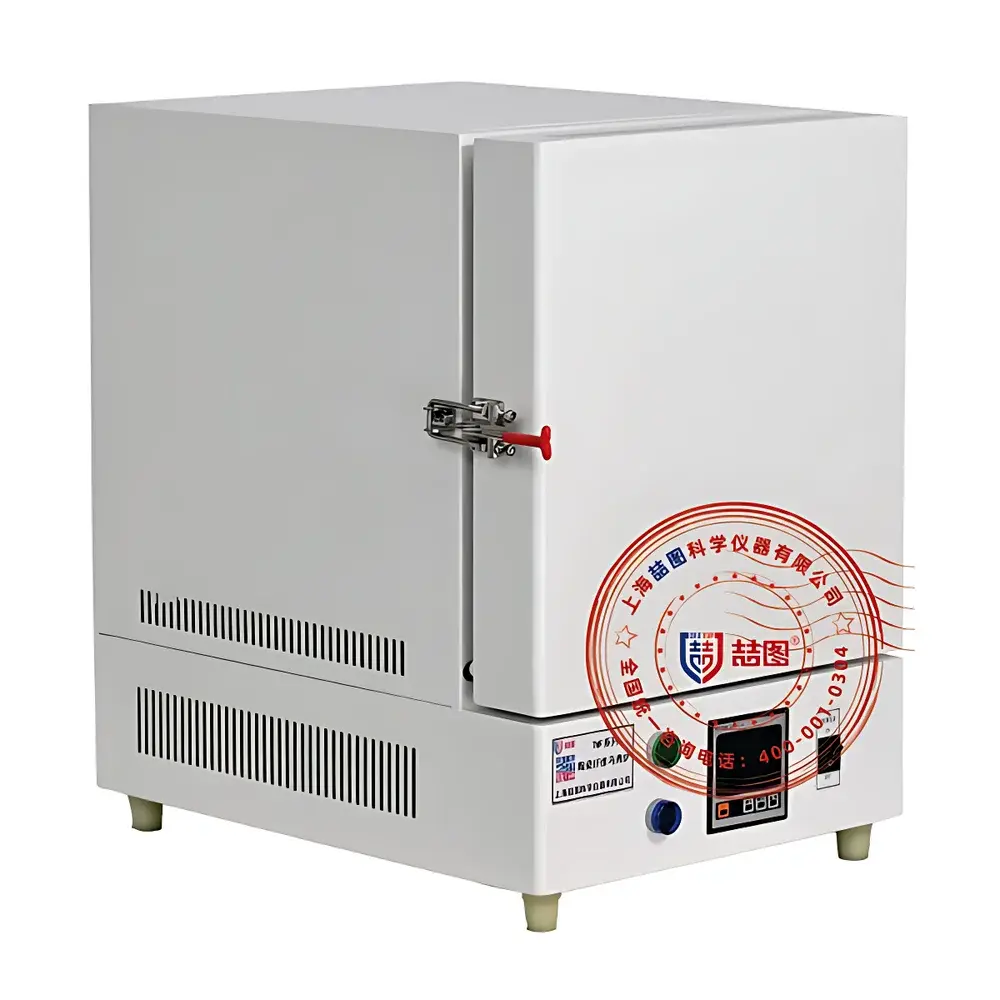
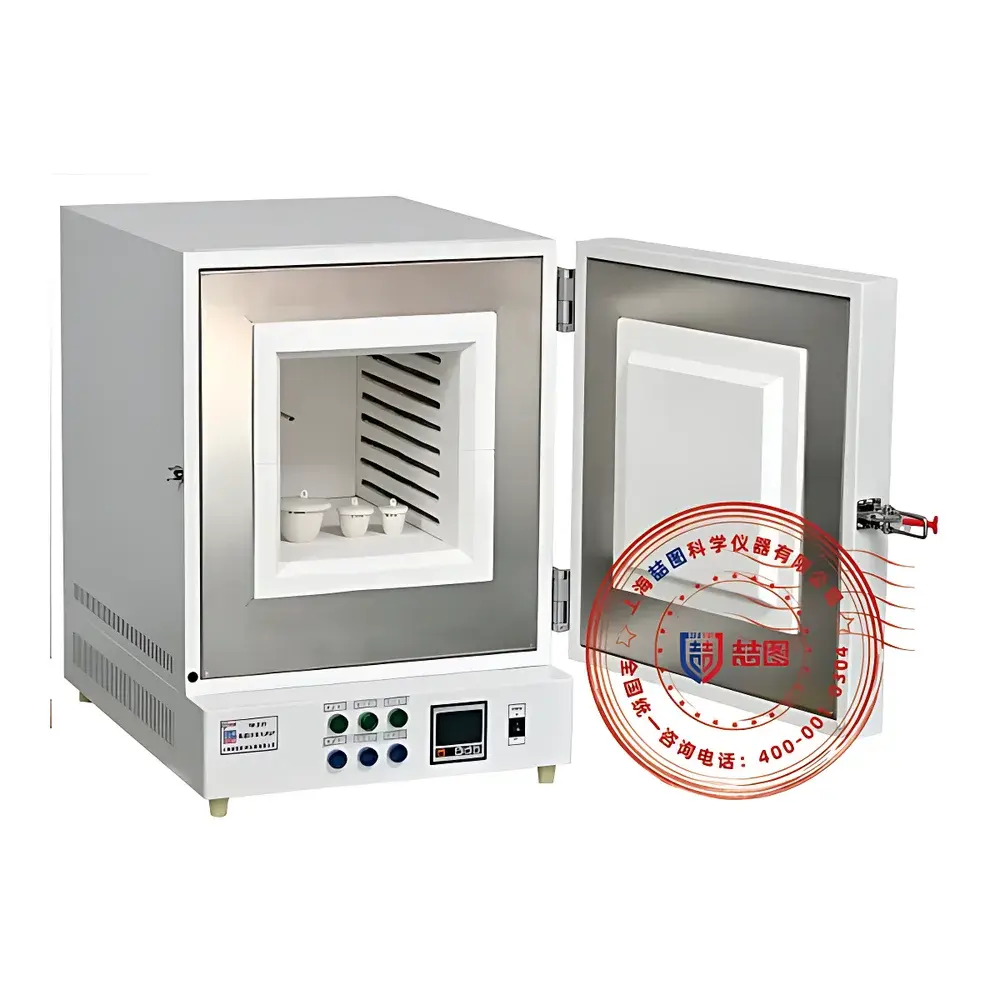
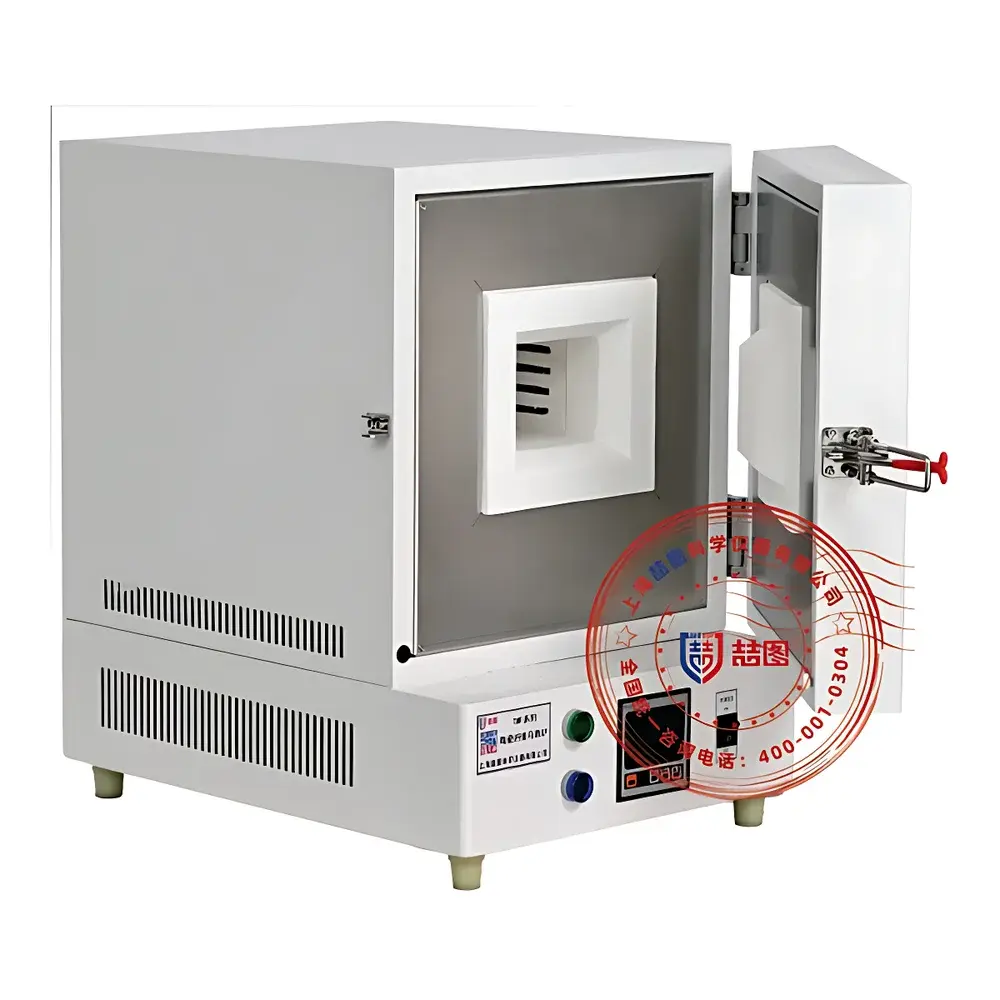
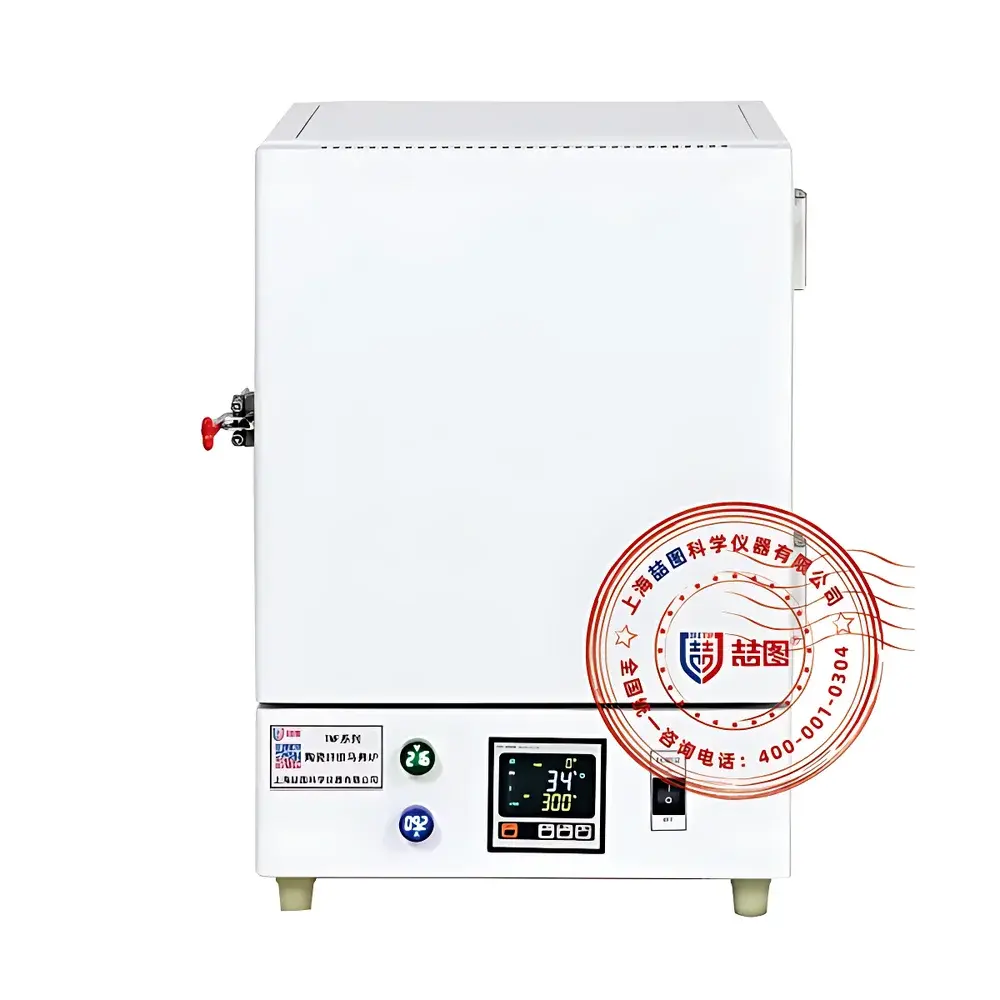
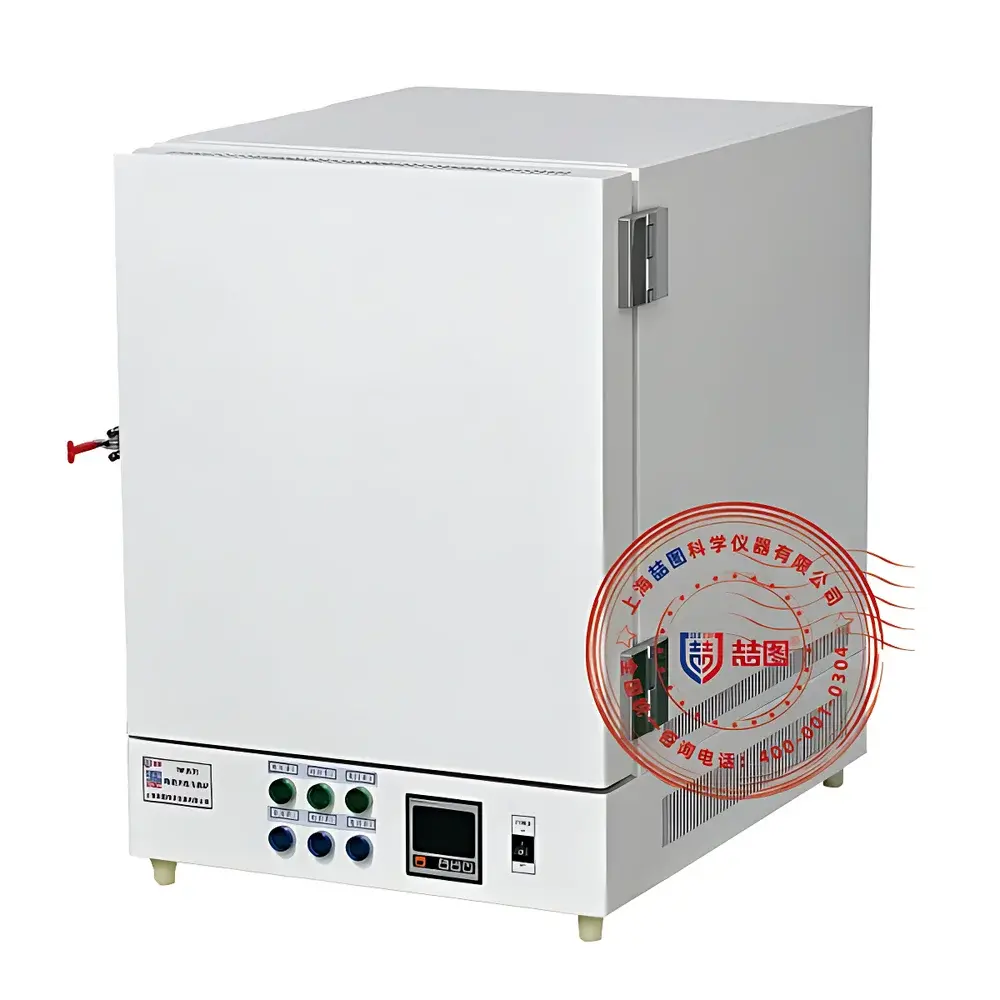
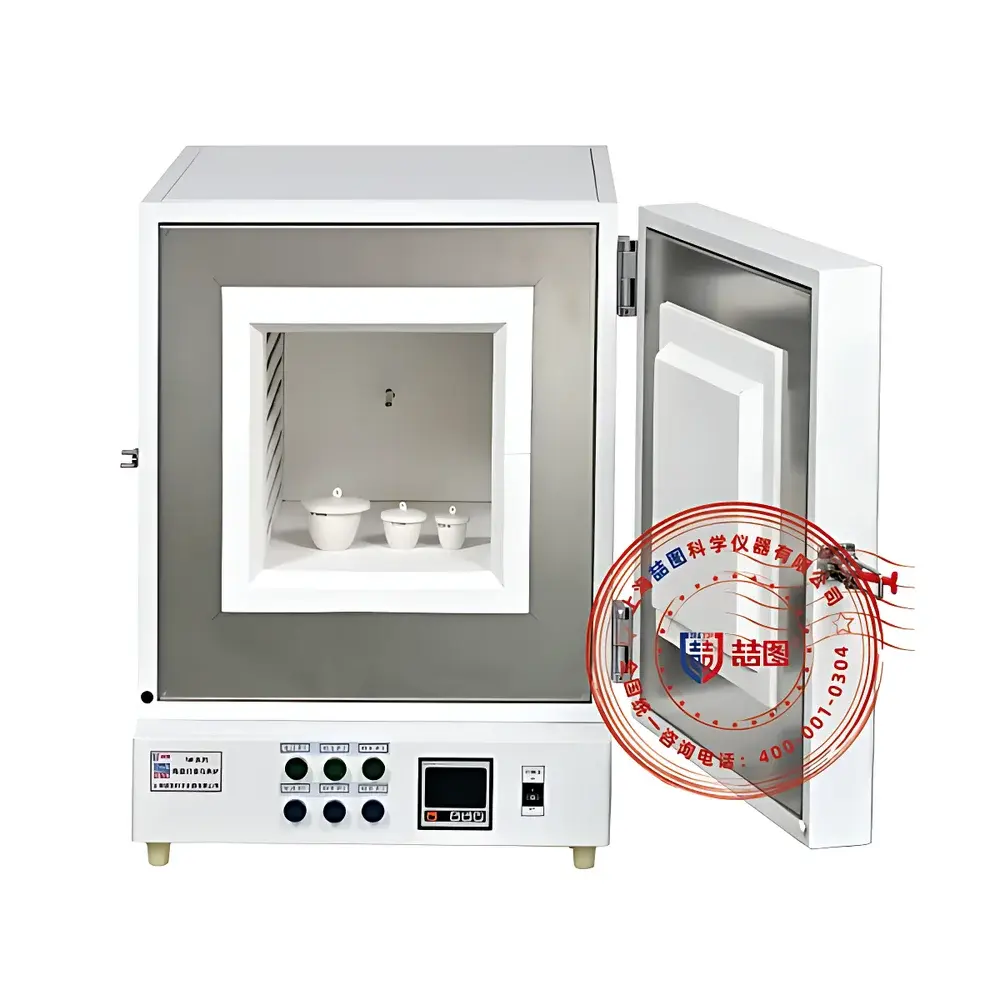
DRETOP TMF-36-12TP Ceramic Fiber Muffle Furnace
| Brand | DRETOP |
|---|---|
| Origin | Shanghai, China |
| Manufacturer Type | Direct Manufacturer |
| Product Category | Domestic |
| Model | TMF-36-12TP |
| Instrument Type | Box-Type Muffle Furnace |
| Maximum Temperature | 1200 °C |
| Temperature Control Accuracy | ±1 °C |
| Rated Power | 12 kW |
| Heating Rate to Max Temp | 45 min |
| Heating Method | High-Temperature Alloy Heating Elements |
| Internal Chamber Dimensions | 300 × 400 × 300 mm (W × D × H) |
| Control System | Microcomputer-Based PID Controller |
| Nominal Volume | 36 L |
Overview
The DRETOP TMF-36-12TP is a high-performance ceramic fiber box-type muffle furnace engineered for precision thermal processing in research laboratories, quality control environments, and materials development facilities. Unlike traditional refractory brick furnaces, it employs vacuum-microporous ceramic fiber insulation—offering superior thermal efficiency, rapid heating kinetics, and exceptional temperature uniformity across its 36 L working chamber. Its operational range spans from ambient +50 °C to 1200 °C, with microprocessor-driven PID control ensuring stable setpoint maintenance within ±1 °C under steady-state conditions. The furnace utilizes triple-wall heating configuration with spiral-wound high-temperature alloy elements embedded in the side and rear walls, enabling efficient radiative heat transfer and minimizing axial thermal gradients. This architecture supports applications demanding strict thermal reproducibility—including ash content analysis per ASTM D3174, sintering of advanced ceramics per ISO 14702, metal annealing per ASTM E112, and glass devitrification studies compliant with ISO 7888.
Key Features
- Triple-surface heating design with high-resistivity, low-temperature-coefficient alloy elements ensures rapid ramp rates (reaching 1200 °C in ≤45 minutes) and minimizes hot/cold zones.
- Ceramic fiber chamber constructed from vacuum-formed microporous boards (density 60% versus brick-lined alternatives.
- Integrated microcomputer PID controller with large-backlit LCD interface; supports 30-segment programmable ramp/soak profiles (TP-series variant), including automatic cooling rate definition and end-of-cycle shutdown.
- Dual-stage overtemperature protection: primary electronic cut-off at user-defined limit (e.g., 1210 °C), secondary mechanical limiter independent of control circuitry; both trigger audible/visual alarms and interrupt power.
- Patented door sealing mechanism with dual-latch compression and integrated heat-reflection baffle reduces peripheral heat loss by ≥35%, enhancing chamber uniformity (±3 °C at 1200 °C, measured per IEC 60068-3-5).
- Front-panel digital voltmeter and ammeter provide real-time electrical diagnostics; fault logging includes open-couple detection, phase loss, and current imbalance alerts.
- Ergonomic structural design: phosphate-treated steel casing with high-temp epoxy coating; bottom-mounted control electronics isolated via compensated thermocouple wiring to prevent thermal drift.
Sample Compatibility & Compliance
The TMF-36-12TP accommodates standard crucibles (alumina, silicon carbide, platinum), quartz boats, and custom fixtures up to 300 mm wide × 400 mm deep × 300 mm high. Its inert atmosphere compatibility—via optional N₂ or Ar inlet valves—enables controlled oxidation/reduction processing aligned with ASTM F1353 and ISO 9001:2015 clause 7.1.5 requirements for test equipment calibration traceability. The furnace meets CE marking directives (2014/35/EU Low Voltage Directive and 2014/30/EU EMC Directive), and its temperature validation protocol supports GLP-compliant IQ/OQ/PQ documentation per FDA 21 CFR Part 11 when paired with validated data acquisition systems.
Software & Data Management
While the base model features standalone PID operation, optional TC-series color touchscreen controllers integrate USB and RS485 interfaces for bidirectional communication with laboratory information management systems (LIMS). Firmware supports audit-trail-enabled event logging—including parameter changes, door openings, alarm triggers, and power interruptions—with timestamped records exportable as CSV or PDF. Optional 4G-enabled remote monitoring allows secure web-based access to real-time temperature curves, historical trend analysis, and predictive maintenance alerts based on cumulative heating cycle counts.
Applications
- Thermal gravimetric analysis (TGA) sample pre-treatment and residue quantification per USP <281> and EP 2.2.34.
- Sintering of oxide ceramics (Al₂O₃, ZrO₂), ferrites, and solid electrolytes for battery research under controlled atmospheres.
- Heat treatment of metallic components: stress-relief annealing of tool steels (AISI D2), solution treatment of aluminum alloys (AMS 2750E Zone 2 compliance), and tempering per ASTM A370.
- Glass annealing and nucleation studies requiring precise thermal history control (e.g., Li₂O–Al₂O₃–SiO₂ systems).
- Preparation of catalyst supports and nanomaterial precursors via calcination at defined dwell times and ramp rates.
- Residue testing in pharmaceutical excipients (ICH Q5C) and elemental impurity screening per USP <232>/<233>.
FAQ
What is the maximum recommended continuous operating temperature?
The furnace is rated for continuous operation at 1200 °C. Sustained use above this temperature will accelerate element degradation and compromise ceramic fiber integrity.
Does the unit support inert gas purging?
Yes—optional inert gas inlet valves (N₂, Ar) are available with mass flow calibration certificates; purge connections comply with ISO 8502-9 flange standards.
How is temperature uniformity verified and documented?
Uniformity mapping per IEC 60068-3-5 is performed during factory acceptance testing using nine-point thermocouple array; reports include deviation envelopes and uncertainty budgets traceable to NIST standards.
Can the controller be upgraded post-purchase?
TC-series touchscreens and TP-series programmable modules are field-retrofittable with firmware updates and hardware kits provided under DRETOP’s extended service agreement.
Is the furnace compatible with GLP/GMP audit requirements?
When equipped with TC-series controller and connected to a validated data logger, the system satisfies 21 CFR Part 11 electronic record and signature criteria, including role-based access control and immutable audit trails.



