
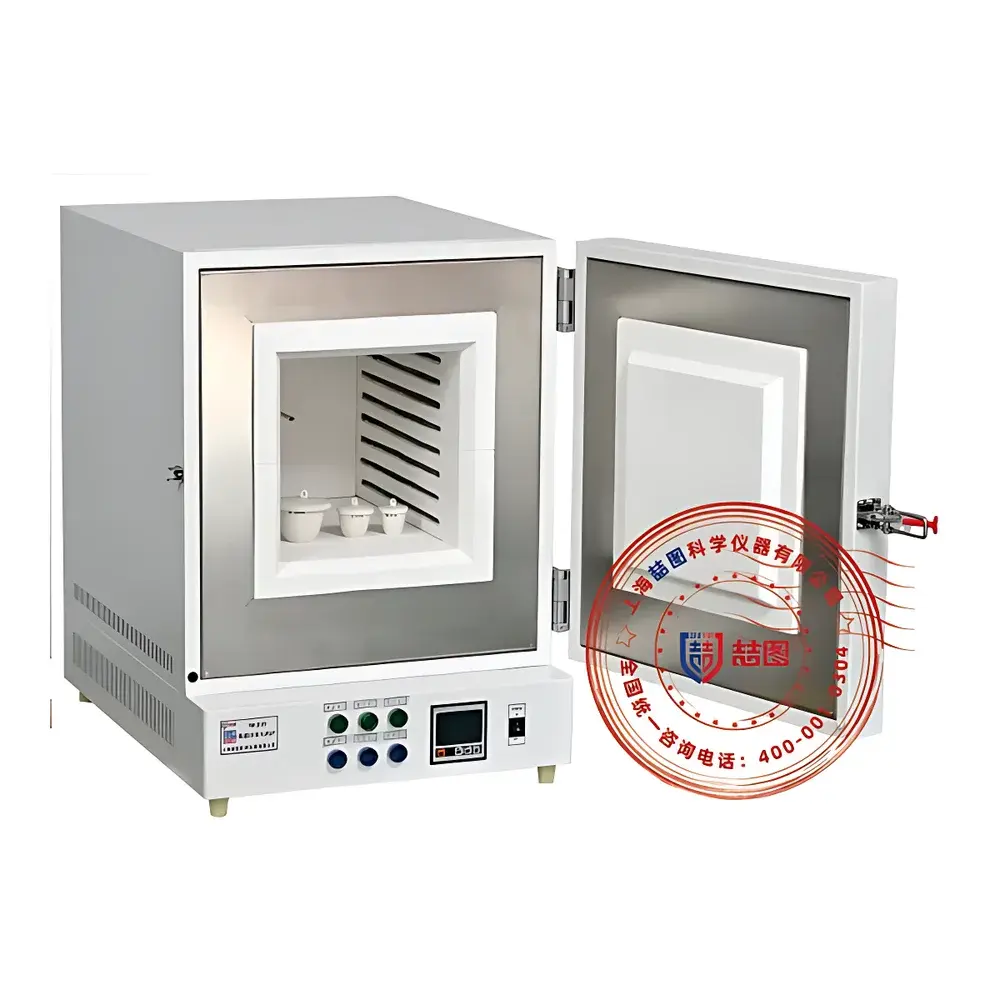
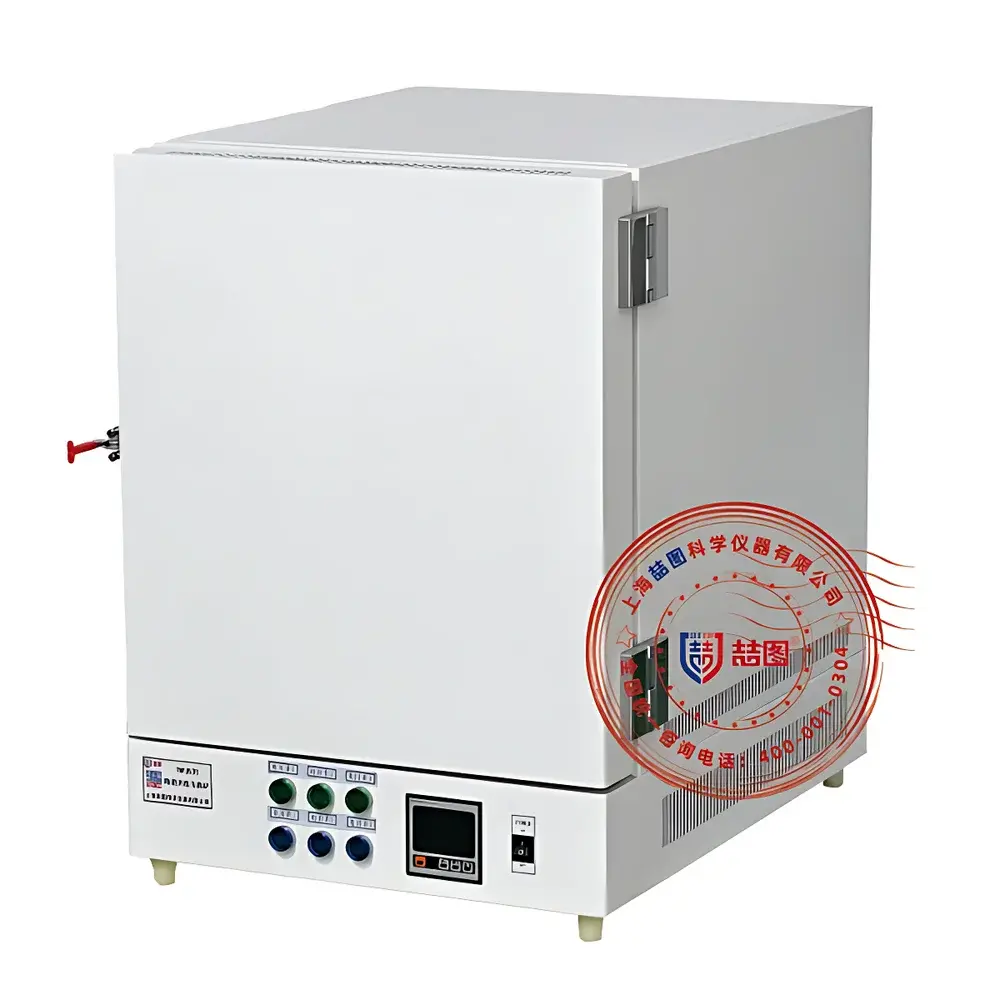
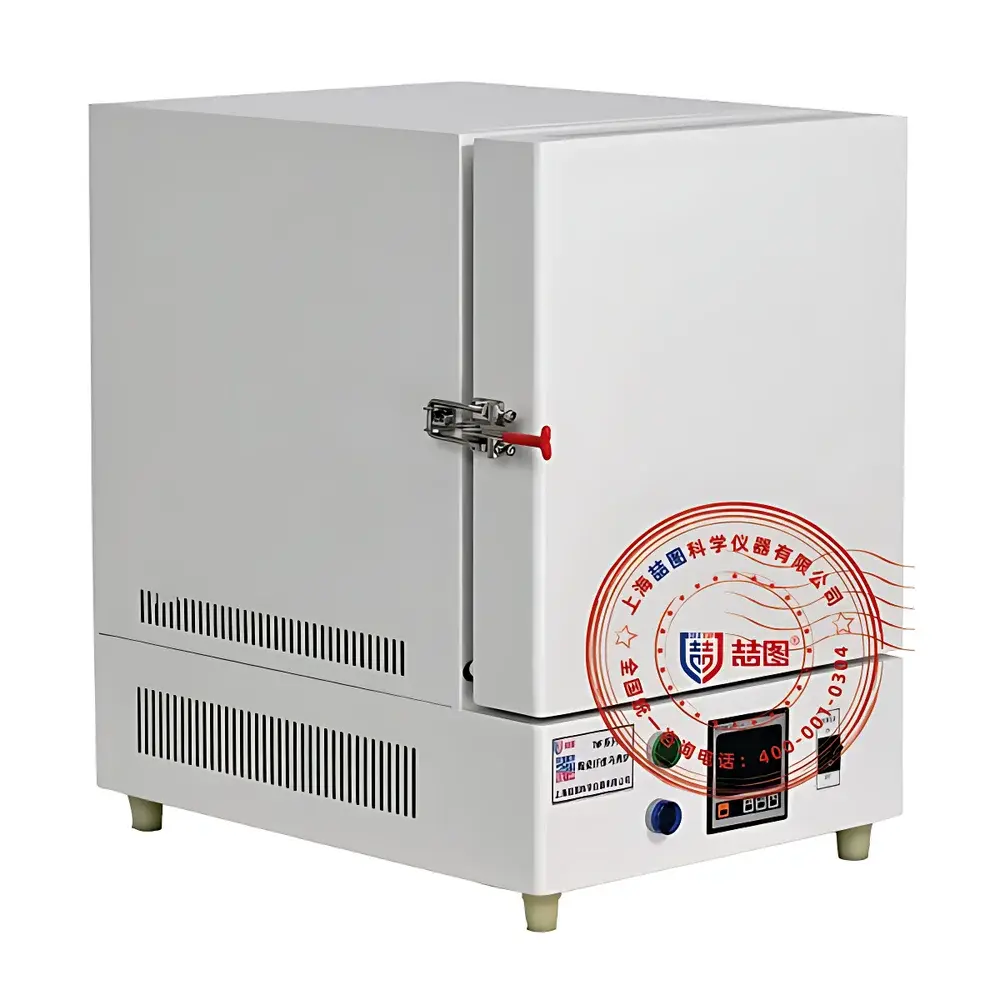
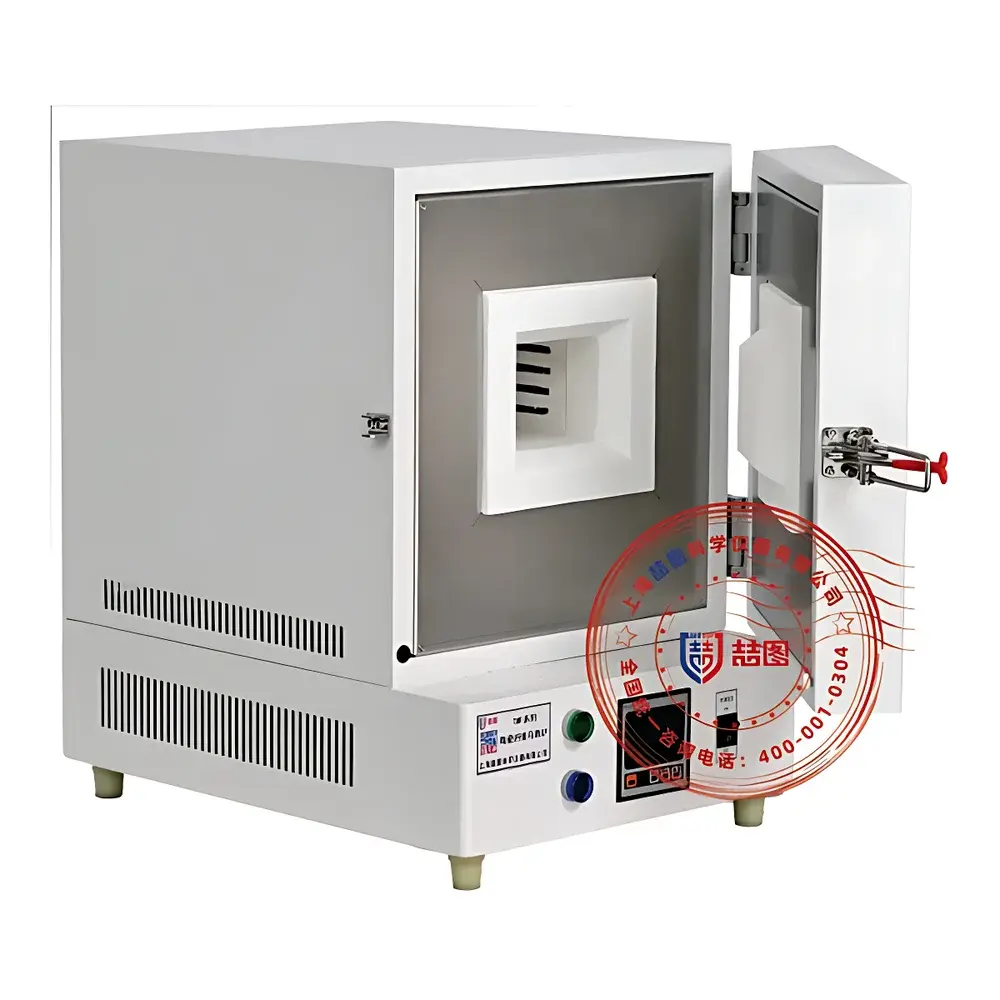
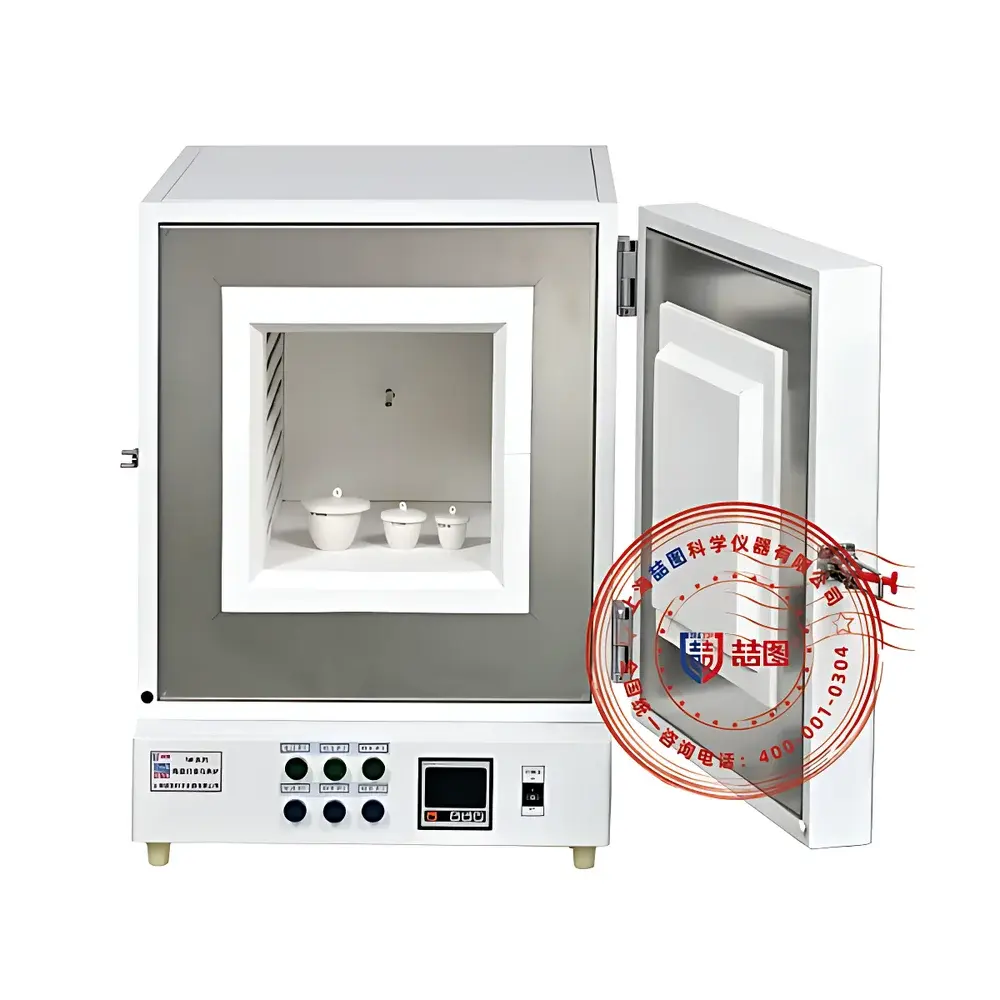
DRETOP TMF-36-12T Ceramic Fiber Muffle Furnace
| Brand | DRETOP |
|---|---|
| Origin | Shanghai, China |
| Manufacturer Type | Direct Manufacturer |
| Product Category | Domestic |
| Model | TMF-36-12T |
| Instrument Type | Box-Type Muffle Furnace |
| Maximum Temperature | 1200 °C |
| Temperature Control Accuracy | ±1 °C |
| Rated Power | 13 kW |
| Heating Time to Max Temp | 45 min |
| Heating Element Material | Ultra-High-Temperature Alloy |
| Internal Chamber Dimensions | 300 × 400 × 300 mm (W × D × H) |
| Control System | Microcomputer-Based PID Controller |
| Nominal Volume | 36 L |
Overview
The DRETOP TMF-36-12T is a high-performance ceramic fiber box-type muffle furnace engineered for precision thermal processing in research laboratories, quality control environments, and industrial R&D settings. Unlike traditional refractory brick furnaces, it employs vacuum-microporous ceramic fiber insulation—offering superior thermal efficiency, rapid heating kinetics, and exceptional temperature uniformity across its 36 L chamber. Its operating range extends from ambient +50 °C to 1200 °C, making it suitable for applications requiring controlled oxidative or inert-atmosphere thermal treatments—including ashing, calcination, sintering, annealing, and heat treatment of metals and ceramics. The furnace utilizes tri-directional wall-mounted ultra-high-temperature alloy heating elements, arranged in helical configurations to ensure symmetric radiant heat distribution and minimize axial and radial thermal gradients.
Key Features
- Triple-wall heating architecture with helically wound ultra-high-temperature alloy elements embedded in all three internal walls—enabling uniform radiant heating and minimizing hot/cold spots.
- Ceramic fiber chamber constructed from vacuum-microporous alumina-silica board (density ≤0.3 g/cm³), providing low thermal mass, reduced energy consumption, and accelerated ramp rates (reaching 1200 °C in ≤45 minutes).
- Microcomputer-based PID temperature controller with large backlit LCD interface; supports 30-segment programmable ramp/soak profiles (TP-series configuration), including automatic shutdown upon completion.
- Integrated safety interlock: door-opening triggers immediate power cutoff; resumption occurs only after full resealing—ensuring operator safety and process integrity during sample insertion/removal.
- Dual-stage over-temperature protection system: primary electronic limit (settable via controller) and independent mechanical secondary cut-off; both comply with IEC 61000-4-5 surge immunity standards.
- Real-time digital voltage and current monitoring with front-panel meters—facilitating preventive maintenance and early detection of electrical anomalies such as phase loss or thermocouple breakage.
- Ergonomic structural design: phosphate-conversion coated steel housing with high-temp epoxy powder coating; reinforced door sealing with high-purity refractory gasket and precision-machined latch mechanism for long-term dimensional stability under thermal cycling.
Sample Compatibility & Compliance
The TMF-36-12T accommodates standard crucibles (alumina, quartz, silicon carbide), graphite boats, and custom fixtures up to 300 mm width × 400 mm depth × 300 mm height. Its open-chamber geometry supports free-air oxidation, while optional inert gas inlet valves (N₂, Ar) enable controlled-atmosphere processing per ASTM E1111 and ISO 8501-1 requirements. The furnace meets CE marking directives (2014/30/EU EMC, 2014/35/EU LVD), conforms to EN 60519-1:2017 for industrial electroheating equipment safety, and supports GLP/GMP documentation workflows through optional RS485 Modbus RTU connectivity and audit-trail-capable TC-series touchscreen controllers (FDA 21 CFR Part 11 compliant when configured with user-role authentication and electronic signature modules).
Software & Data Management
Standard T-series models feature local PID control with manual parameter tuning. TP-series units include programmable logic for multi-step thermal cycles (ramp rate: 0.1–30 °C/min; soak duration: 1–9999 min). Optional TC-series color touchscreens provide real-time temperature curve visualization, data logging at configurable intervals (1–60 sec), CSV export via USB, and password-protected engineering access levels (operator, technician, administrator). All digital controllers support time-stamped event logs—including door open/close events, alarm triggers, and setpoint changes—essential for ISO/IEC 17025 accredited labs. Integration with LabView™, SCADA systems, or LIMS is achievable via RS485 or optional Ethernet gateway modules.
Applications
- Quantitative ash content analysis per AOAC 942.05 and ASTM D2974 for environmental, food, and pharmaceutical samples.
- Sintering of advanced ceramics (e.g., ZrO₂, Al₂O₃), ferrites, and battery cathode materials (LiCoO₂, NMC) under air or nitrogen.
- Thermal annealing of semiconductor substrates and optical crystals (e.g., LiNbO₃, YAG) requiring ±1 °C stability over 4+ hour holds.
- Metallographic specimen preparation: austenitizing, tempering, and stress-relieving of tool steels and superalloys.
- Pre-treatment of catalyst supports and porous metal filters prior to impregnation or activation protocols.
- Calibration reference source for thermocouple verification in accordance with ASTM E230/E230M Annex A3.
FAQ
What is the maximum recommended continuous operating temperature?
The furnace is rated for continuous operation at 1200 °C; prolonged use above this threshold may accelerate ceramic fiber degradation and compromise thermal uniformity.
Can this model be used under inert or reducing atmospheres?
Yes—when equipped with an optional inert gas inlet valve and exhaust chimney, it supports N₂ or Ar purging per ISO 8501-1 Clause 4.3; hydrogen or CO atmospheres require additional explosion-proof certification and are not supported out-of-the-box.
Is the temperature uniformity validated across the working zone?
Per internal factory qualification (performed using 9-point thermocouple mapping per ASTM E220), temperature deviation is ≤±3 °C within the central 70% volume at 1000 °C and ≤±5 °C at 1200 °C.
Does the controller retain program settings after power failure?
Yes—the microcontroller includes non-volatile memory with auto-restart functionality; all active parameters and segment programs are preserved during brief outages.
What maintenance is required for long-term reliability?
Annual inspection of door gasket integrity, thermocouple calibration (recommended traceable to NIST standards), and visual check of heating element continuity; ceramic fiber insulation requires no scheduled replacement under normal usage conditions.



