
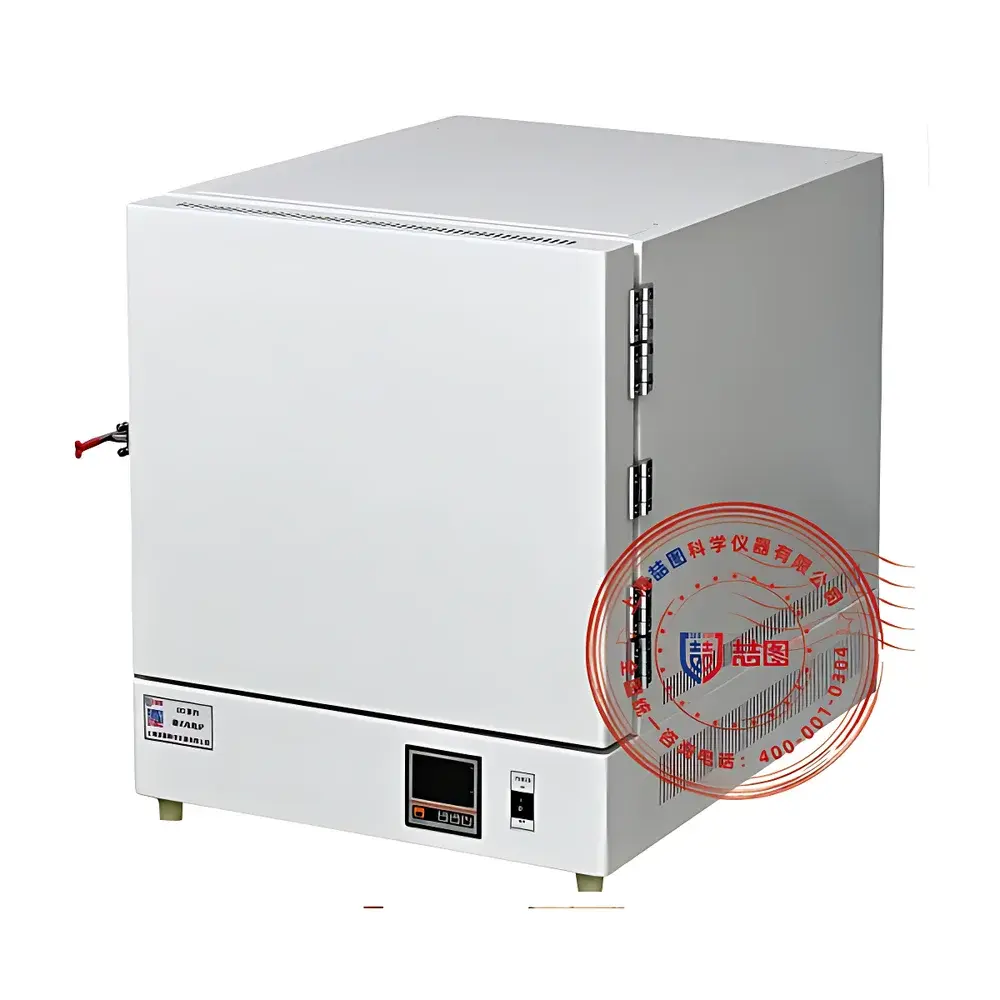
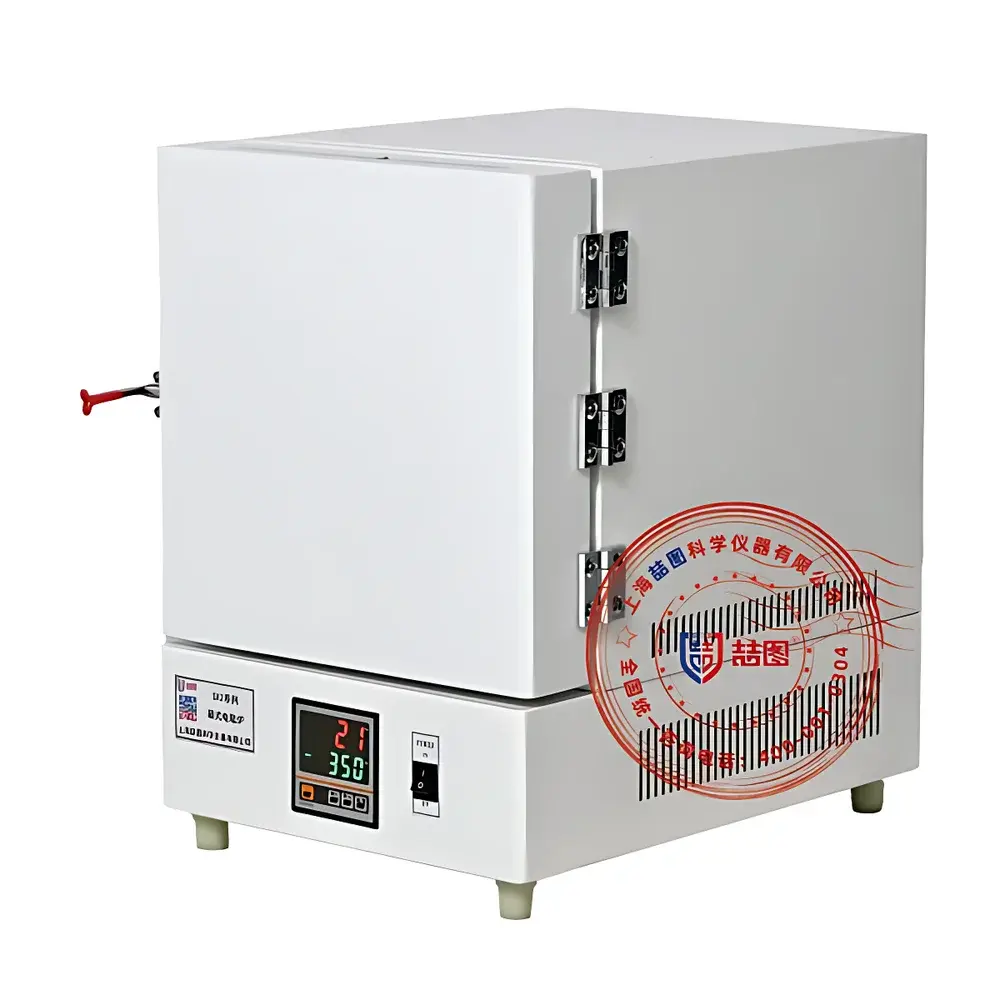
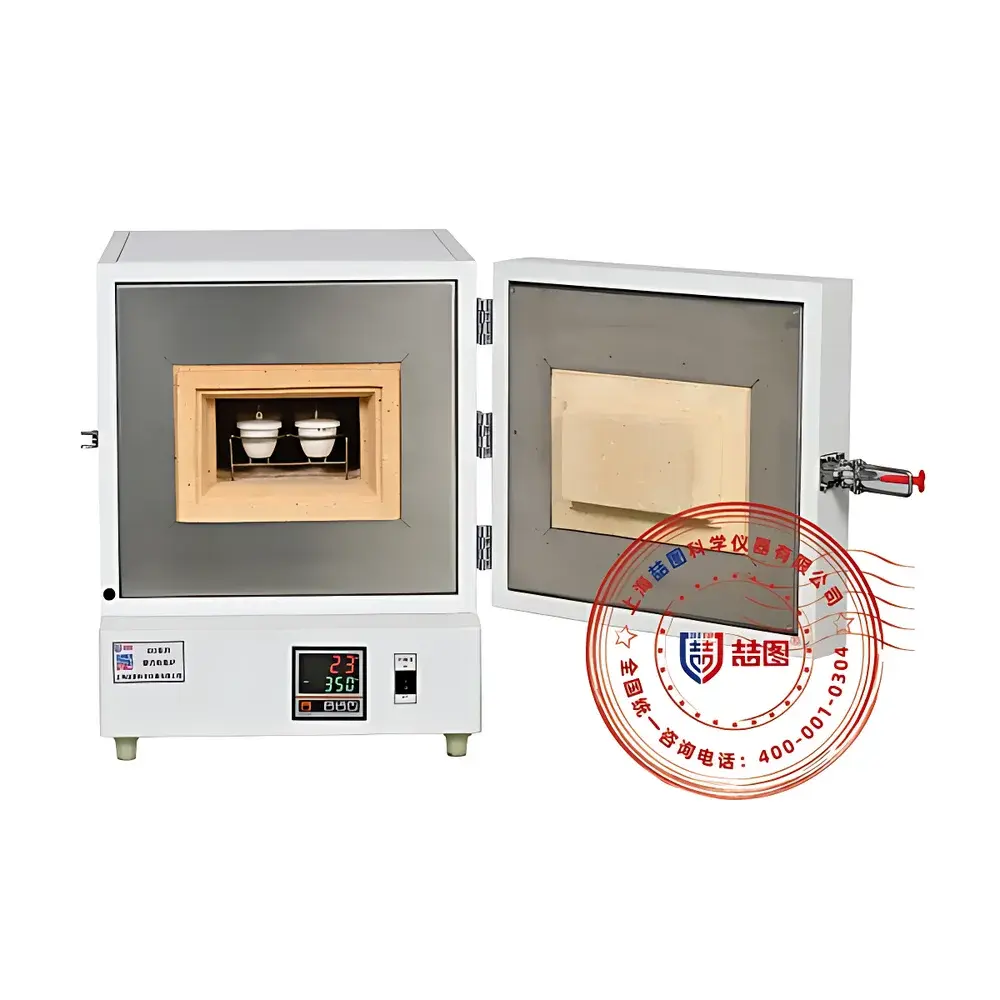
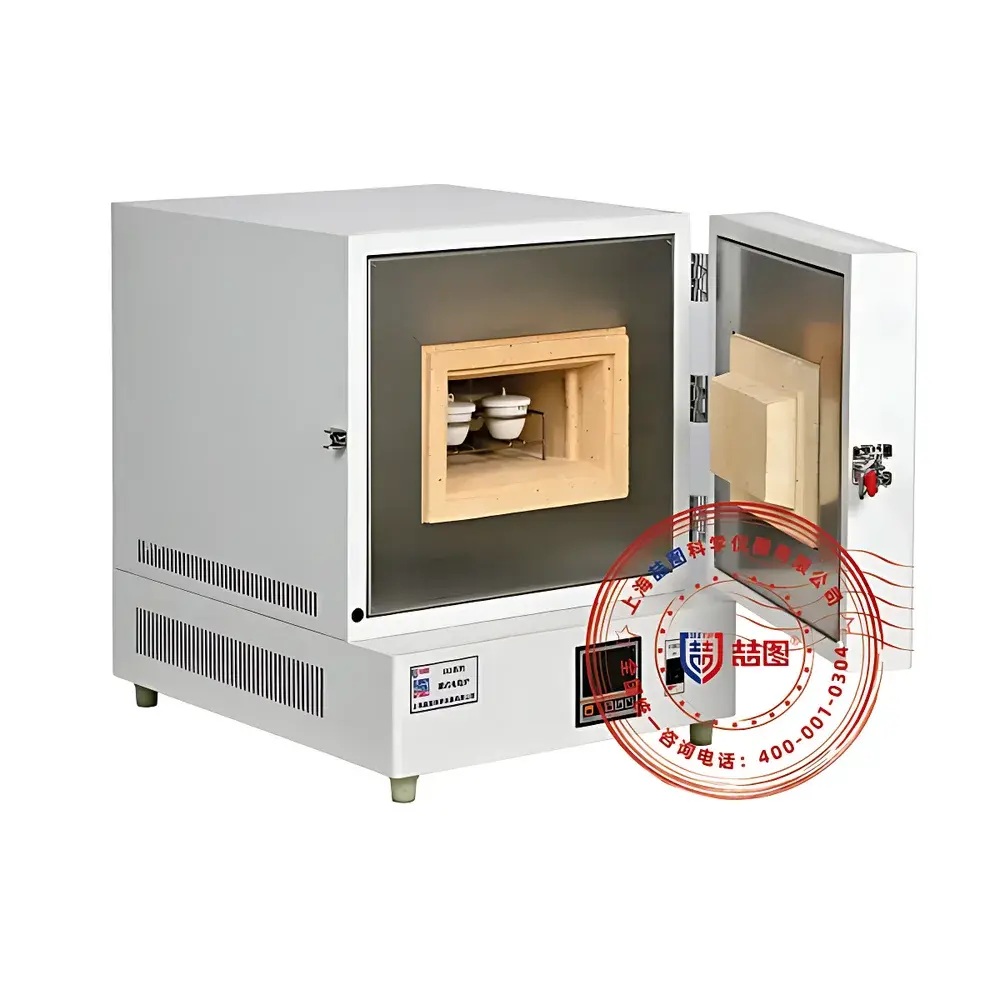
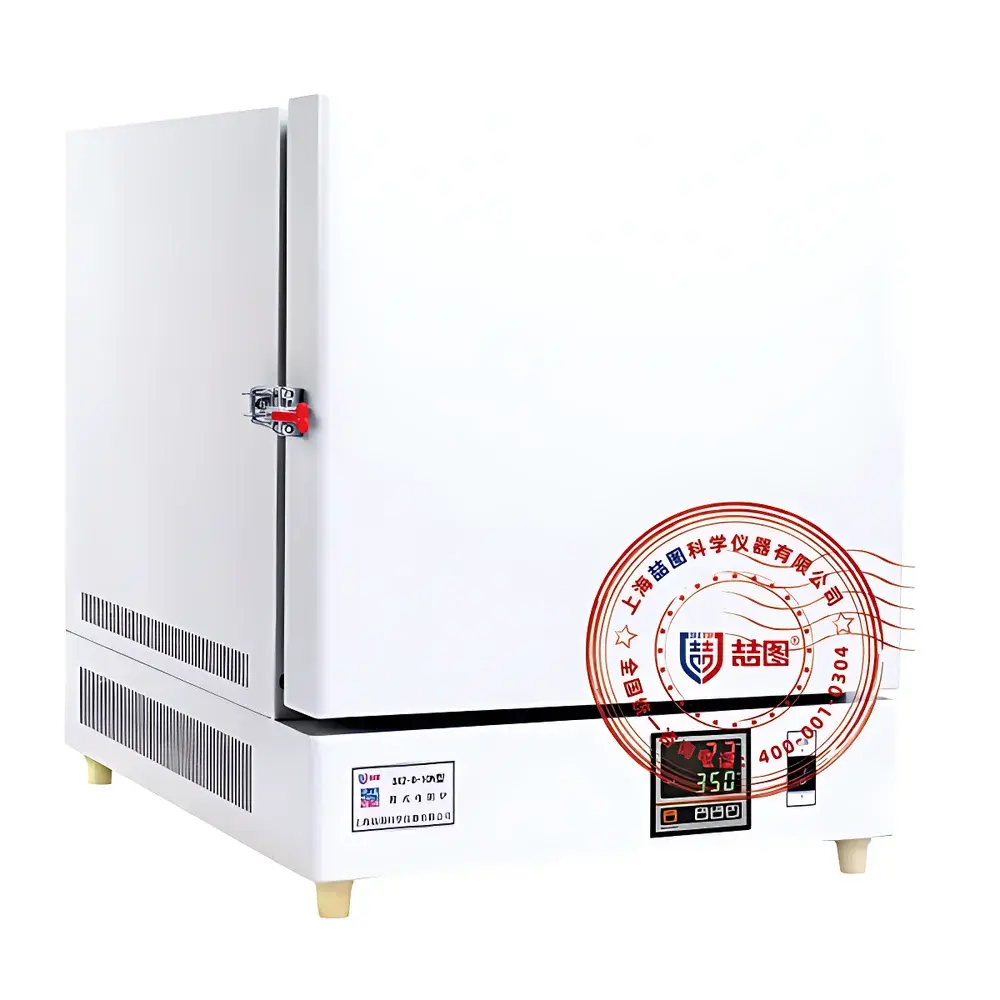
DRETOP SX2-12-10NP Box-Type Muffle Furnace
| Brand | DRETOP |
|---|---|
| Origin | Shanghai, China |
| Manufacturer Type | Direct Manufacturer |
| Product Category | Domestic |
| Model | SX2-12-10NP |
| Instrument Type | Box-Type Furnace |
| Maximum Temperature | 1000 °C |
| Temperature Control Accuracy | ±1 °C |
| Rated Power | 8 kW |
| Heating Time to Max Temp | 50 min |
| Heating Element | Nickel-Chromium Resistance Wire |
| Internal Chamber Dimensions | 300 × 500 × 200 mm (W × D × H) |
| Control System | Microcomputer-Based P.I.D Controller |
| Nominal Chamber Volume | 30 L |
Overview
The DRETOP SX2-12-10NP is a precision-engineered box-type muffle furnace designed for laboratory and industrial thermal processing applications requiring stable, uniform, and repeatable high-temperature environments. Operating on resistive heating principles, it utilizes embedded nickel-chromium (NiCr) alloy wire elements wound uniformly along all four interior chamber walls—enabling true multi-directional radiant heat distribution. This configuration ensures minimal thermal gradient across the 30 L working volume (300 × 500 × 200 mm), supporting consistent sample treatment in accordance with standardized thermal protocols. The furnace is rated for continuous operation up to 1000 °C, with a control range spanning from ambient +50 °C to maximum temperature. Its structural architecture complies with fundamental safety and thermal efficiency requirements defined in IEC 61000-6-3 (EMC emission limits) and ISO 17025–aligned laboratory equipment validation frameworks.
Key Features
- Microprocessor-based P.I.D temperature controller with large-digit LED display—provides real-time monitoring and intuitive parameter entry;
- 30-segment programmable ramp-soak profile capability (NP-series firmware), enabling precise replication of complex thermal cycles including controlled cooling;
- Automatic door-interlock safety circuit: power to heating elements is cut immediately upon door opening, resuming automatically after closure—ensuring operator safety and thermal process integrity;
- Dual-stage over-temperature protection system: primary electronic cutoff at setpoint deviation >5 °C, secondary independent mechanical limiter activated at 1050 °C;
- Integrated digital voltmeter and ammeter for continuous electrical load diagnostics—supports preventive maintenance and GLP-compliant operational logging;
- Reinforced refractory brick chamber with stainless steel inner lining (2 mm thick) at the door aperture—resists oxidation, facilitates cleaning, and maintains dimensional stability after repeated thermal cycling;
- Phosphate conversion coating + high-temp epoxy powder coating on external housing—enhances corrosion resistance and mechanical durability under laboratory environmental conditions.
Sample Compatibility & Compliance
The SX2-12-10NP accommodates standard crucibles (alumina, quartz, silicon carbide), ceramic boats, and metal trays up to 280 × 480 × 180 mm. Its uniform 4-wall heating design meets ASTM E1142 (Standard Practice for Calibration of Laboratory Furnaces) criteria for temperature uniformity (±5 °C within ±25 mm of center at 1000 °C). The furnace is routinely deployed in coal analysis per ASTM D3172 (proximate analysis), ash content determination (ASTM D3174), and cement clinker calcination per ISO 6874. It supports GMP-relevant workflows through optional data-logging interfaces (RS485 Modbus RTU) and satisfies basic traceability requirements under FDA 21 CFR Part 11 when paired with compliant software and audit-trail-enabled controllers (e.g., NC-series touchscreen upgrade).
Software & Data Management
While the base NP-model operates via standalone hardware controls, optional NC-series upgrades integrate a 7-inch capacitive touchscreen HMI with embedded data-logging memory (≥10,000 timestamped records), USB export, and password-protected multi-tier access (Operator/Engineer/Administrator). All profiles are stored with metadata including user ID, start/stop timestamps, and deviation alerts. Communication interfaces include RS485 (Modbus RTU), optional RS232, and configurable analog outputs (4–20 mA) for integration into centralized SCADA or LIMS platforms. Firmware supports CSV-formatted export compatible with Excel, MATLAB, and statistical process control (SPC) tools—facilitating compliance with ISO/IEC 17025 clause 7.7 (result reporting) and internal calibration record retention policies.
Applications
- Thermal gravimetric analysis (TGA) sample pre-treatment and residue ashing (e.g., ASTM D5630, ISO 3451-1);
- Calcination of catalyst precursors, battery cathode materials (LiCoO₂, NMC), and ceramic powders;
- Heat treatment of metallurgical samples for microstructural homogenization prior to SEM/EDS;
- Moisture and volatile matter determination in biomass, feedstock, and pharmaceutical excipients (USP <1251>);
- Ignition loss testing in soil science (ISO 10390) and environmental sediment analysis (EPA Method 9081);
- Pre-firing of porcelain insulators and dental ceramics under controlled oxidizing atmosphere;
- Quality control baking of electronic substrates and printed circuit board laminates.
FAQ
What is the typical temperature uniformity across the chamber at 1000 °C?
Measured per ASTM E1142 methodology, the furnace achieves ±4.5 °C uniformity within a 200 mm × 200 mm × 150 mm zone centered in the chamber.
Can inert gas purging be implemented?
Yes—optional flanged inlet/outlet ports (M12 thread) support regulated nitrogen or argon flow (0.5–5 L/min) with pressure relief valve integration.
Is the controller compliant with GLP audit requirements?
The NP-series controller provides event logs (door open/close, alarm triggers, setpoint changes); full GLP compliance requires NC-series upgrade with electronic signature, audit trail, and backup/export functionality.
What maintenance intervals are recommended for NiCr heating elements?
Under continuous 1000 °C operation, expected service life exceeds 3,000 hours; visual inspection every 500 operating hours is advised per manufacturer guidelines.
Does the furnace support ramp-and-soak cycling with automatic cooling?
Yes—the 30-segment program allows user-defined cooling rates down to ambient via natural convection; forced-air cooling requires external blower integration (not supplied).



