
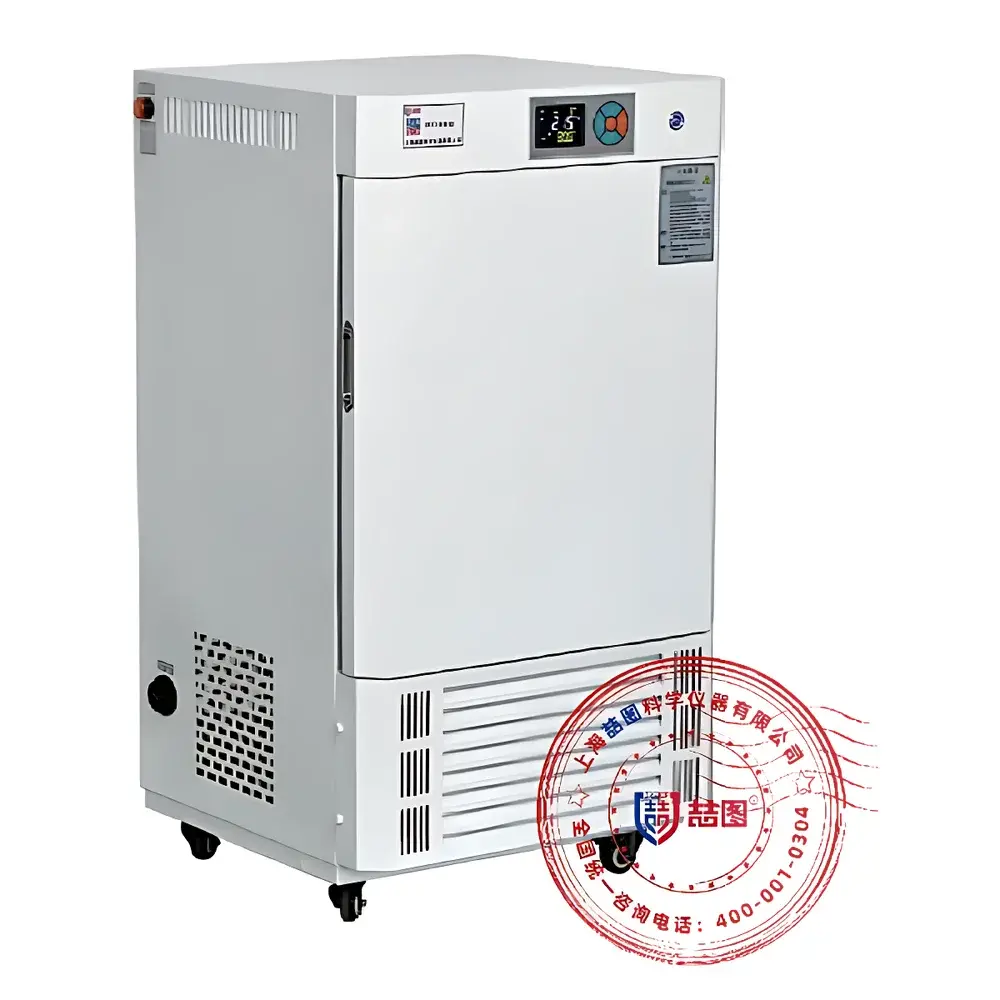
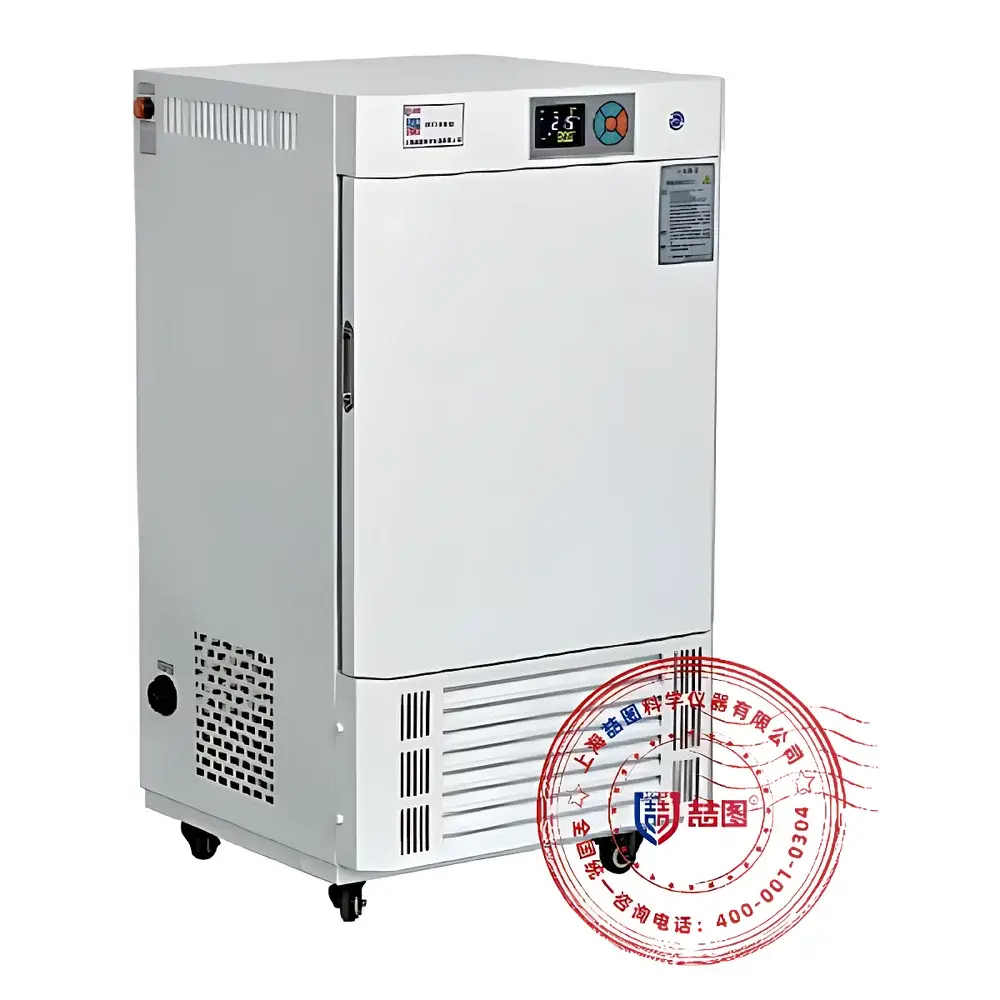
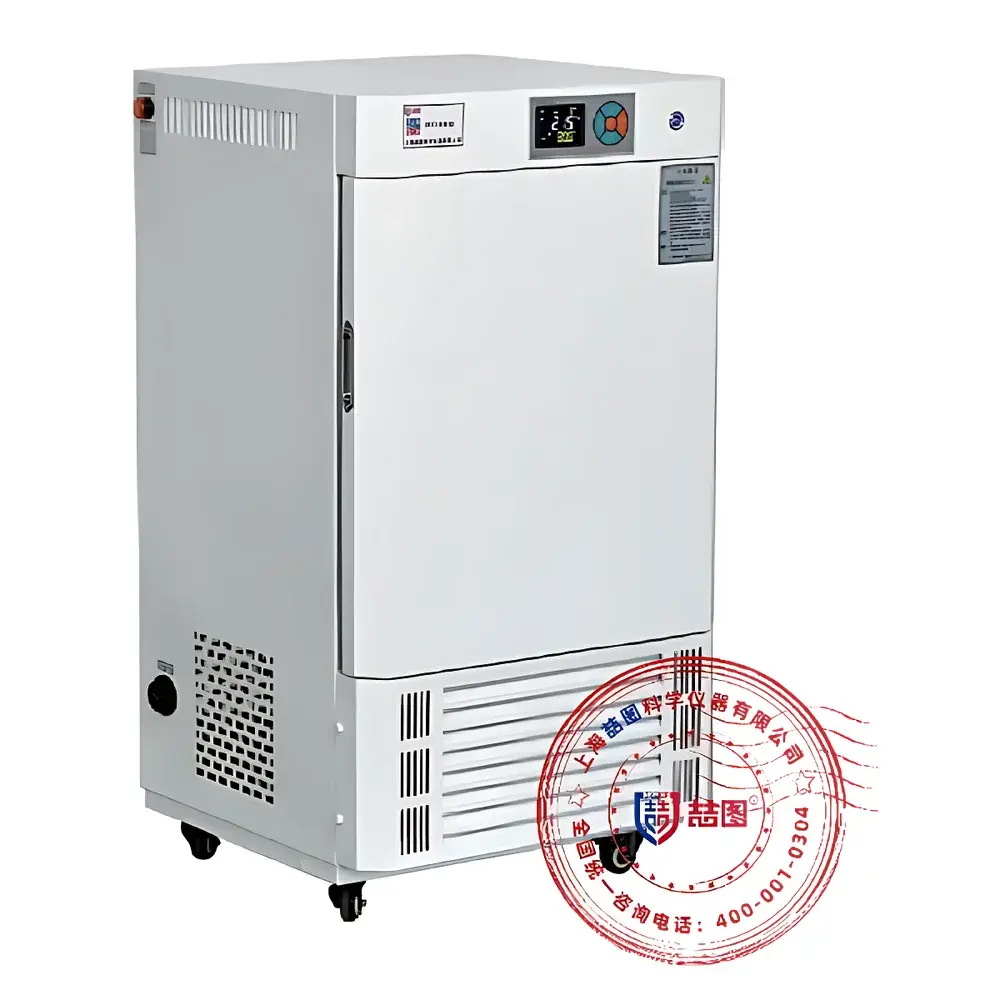
DRETOP BD6-70 Integrated BOD Incubation and Analysis System
| Brand | DRETOP |
|---|---|
| Origin | Shanghai, China |
| Manufacturer Type | Manufacturer |
| Country of Origin | China |
| Model | BD6-70 |
| Instrument Type | Laboratory BOD Analyzer |
| Measurement Principle | Manometric (Pressure-Difference) Method |
| Measurement Range | 0–4000 mg/L |
| Accuracy | ±8% |
| Single-Sample Test Duration | 1–30 days |
| Incubation Temperature | 20 °C ±1 °C |
| Resolution | 0.01 mg/L |
| Data Storage Capacity | 10 years |
| Battery Life | ≥2 years |
| Temperature Control Range | 0–65 °C |
| Temperature Uniformity | ±0.5 °C |
| Temperature Resolution | 0.1 °C |
| Chamber Dimensions (W×D×H) | 450×320×500 mm |
| BOD Vial Capacity | 580 mL |
| Number of Independent BOD Channels | 6 |
| Built-in Stirring Function | Yes |
| Direct Digital Readout | Yes |
| Optional Interfaces | RS485, USB, 25 mm Test Port |
Overview
The DRETOP BD6-70 Integrated BOD Incubation and Analysis System is a purpose-built, dual-function instrument engineered for standardized biochemical oxygen demand (BOD) determination in compliance with established environmental testing protocols—including ASTM D5210, ISO 5815-1:2019, and EPA Method 405.1. It combines a precision-controlled incubation chamber and a manometric BOD analyzer into a single, space-efficient platform. Unlike conventional setups requiring separate incubators and analyzers, the BD6-70 eliminates inter-device calibration drift, thermal lag, and manual sample handling errors by maintaining samples under strict 20 °C ±1 °C conditions while simultaneously measuring oxygen consumption via pressure-difference transduction across sealed, stirred 580 mL BOD bottles. This integrated architecture ensures high reproducibility in long-term (1–30 day) aerobic biodegradation assays—critical for wastewater treatment efficacy validation, regulatory discharge reporting, and environmental impact assessment.
Key Features
- Manometric (pressure-difference) detection principle—mercury-free, eliminating hazardous waste disposal requirements and supporting ISO 14001-aligned lab practices;
- Six independent, electrically isolated BOD measurement channels; each vial operates autonomously with programmable start time, enabling staggered sampling and mixed-sample batch analysis;
- Precision microprocessor-controlled incubation chamber with forced-air circulation, achieving ±0.5 °C uniformity and 0.1 °C resolution across 0–65 °C range—validated per IEC 61000-4-2 for electromagnetic compatibility;
- Stainless steel interior (mirror-finish 304 SS), electrostatically coated exterior, and adjustable shelving designed for easy cleaning and GLP-compliant documentation of chamber configuration;
- 30-segment programmable incubation profile with power-loss recovery logic: all setpoints, elapsed time, and sensor states are retained in non-volatile memory during outage and auto-resume on restoration;
- Integrated magnetic door seal and low-noise, R600a refrigerant compressor with startup delay and duty-cycle protection—extending service life beyond 15,000 operating hours;
- Onboard touchscreen interface with real-time BOD concentration display (mg/L), automatic curve generation (time vs. O₂ consumption), and timestamped event logging.
Sample Compatibility & Compliance
The BD6-70 accommodates standard 580 mL glass BOD bottles conforming to APHA Standard Methods 5210B and ASTM D888. Its sealed manometric design supports both seeded and unseeded samples—including municipal wastewater, industrial effluents, surface water, and treated leachate—without dilution for concentrations up to 4000 mg/L. The system meets core functional requirements of ISO/IEC 17025:2017 for testing laboratories, including traceable temperature calibration (NIST-traceable RTD sensors), data integrity safeguards (audit trail enabled), and instrument identification tagging. While not FDA 21 CFR Part 11–certified out-of-box, its optional RS485 interface enables integration with validated LIMS platforms supporting electronic signature and change-control workflows required under GLP/GMP environments.
Software & Data Management
- Local storage retains ≥10 years of raw pressure differential data, calculated BOD values, temperature logs, and operational events—formatted as CSV for external import into statistical packages (e.g., JMP, Minitab);
- Optional Bluetooth-enabled data export (BD6-70E variant) allows wireless transfer to secure institutional servers or cloud-based environmental data management systems;
- All measurements include embedded metadata: date/time stamp, channel ID, incubation duration, ambient pressure compensation flag, and operator ID (if configured via network authentication);
- Firmware supports over-the-air updates via USB port; version history and checksum verification ensure integrity per IEC 62443-3-3 cybersecurity guidelines for laboratory instrumentation.
Applications
This system serves routine and research-grade applications across environmental monitoring, municipal utilities, academic ecology labs, and pharmaceutical manufacturing QC. Typical use cases include: (1) BOD5 and extended BOD (up to 30-day) profiling for NPDES permit compliance; (2) biodegradability screening of novel surfactants or polymer additives per OECD 301 series; (3) activated sludge respirometry and nitrification inhibition testing; (4) comparative assessment of biofilm reactor performance; and (5) teaching laboratory exercises aligned with ABET-accredited environmental engineering curricula. Its compact footprint (450 × 320 × 500 mm chamber) and plug-and-play operation reduce setup overhead compared to modular incubator + analyzer configurations.
FAQ
What BOD standard methods does the BD6-70 support?
It is fully compatible with ASTM D5210 (Standard Test Method for Determining the Anaerobic Biodegradation of Plastic Materials in Municipal Sludge), ISO 5815-1:2019 (Water quality — Determination of biochemical oxygen demand after n days — Part 1: Dilution method), and EPA Method 405.1 (Biochemical Oxygen Demand).
Can the incubation temperature be set outside 20 °C?
Yes—the chamber supports 0–65 °C range; however, BOD5 reporting per regulatory standards requires strict 20 °C ±1 °C control, which is factory-verified and documented in the calibration certificate.
Is dilution required for samples above 1000 mg/L?
No—its 0–4000 mg/L linear range eliminates mandatory dilution for most municipal and industrial samples, reducing analyst error and cross-contamination risk.
How is data integrity ensured during extended unattended runs?
Non-volatile memory preserves all sensor readings and state variables during power interruption; battery-backed real-time clock maintains accurate timestamps for up to two years without external power.
Are replacement parts and service support available internationally?
DRETOP provides OEM-sourced consumables (seals, sensors, vials) and remote diagnostic support via authorized regional distributors; CE-marked variants are available for EU shipment with EN 61010-1 safety certification documentation.
Related Products







