Amensio Sens-o-Spheres Wireless Spherical Temperature Sensor
| Brand | Amensio |
|---|---|
| Origin | Germany |
| Model | Sens-o-Spheres |
| Dimensions | Ø9 mm |
| Mass | 0.5 g |
| Wireless Communication | 2.4 GHz ISM band |
| Operating Temperature Range | –20 °C to +120 °C (typical for sterilizable variants) |
| Max Concurrent Sensors per Gateway | 24 |
| Compliance | CE, RoHS, IP67 (sensor housing) |
| Material | Biocompatible PEEK or medical-grade stainless steel (depending on variant) |
Overview
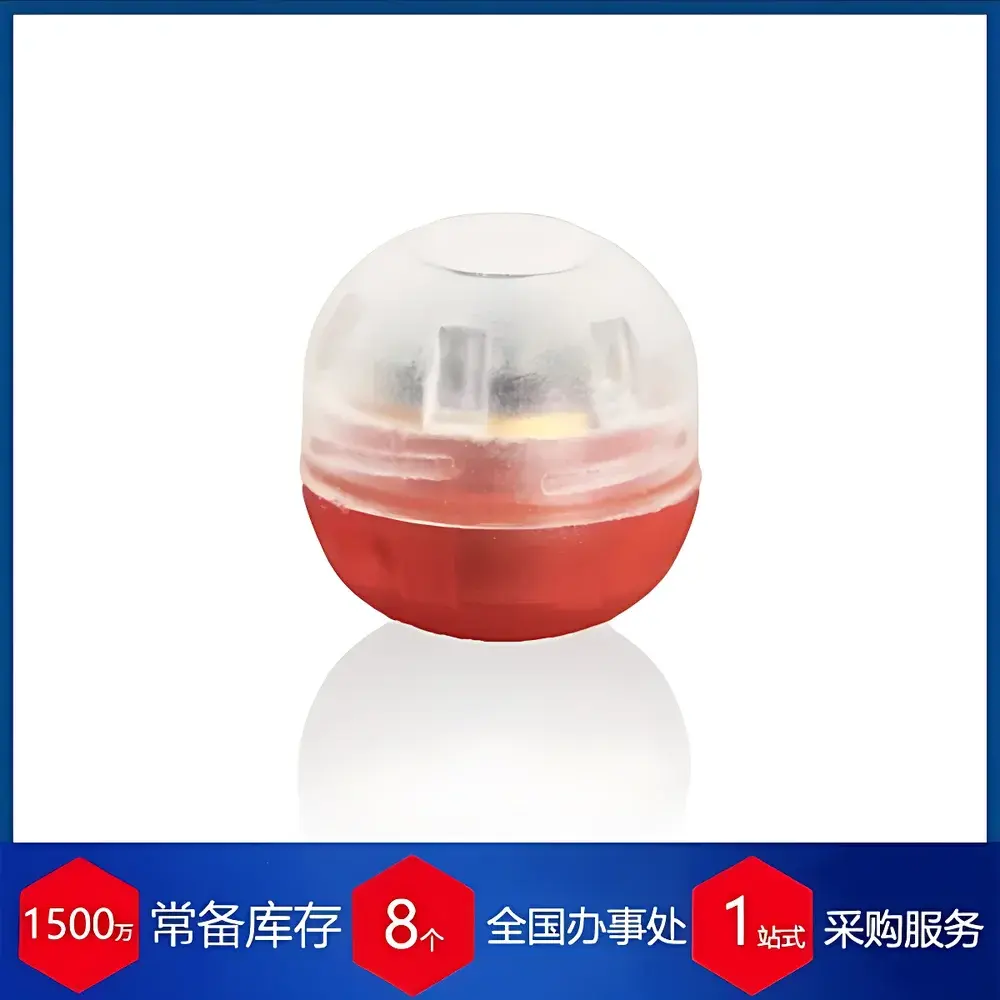
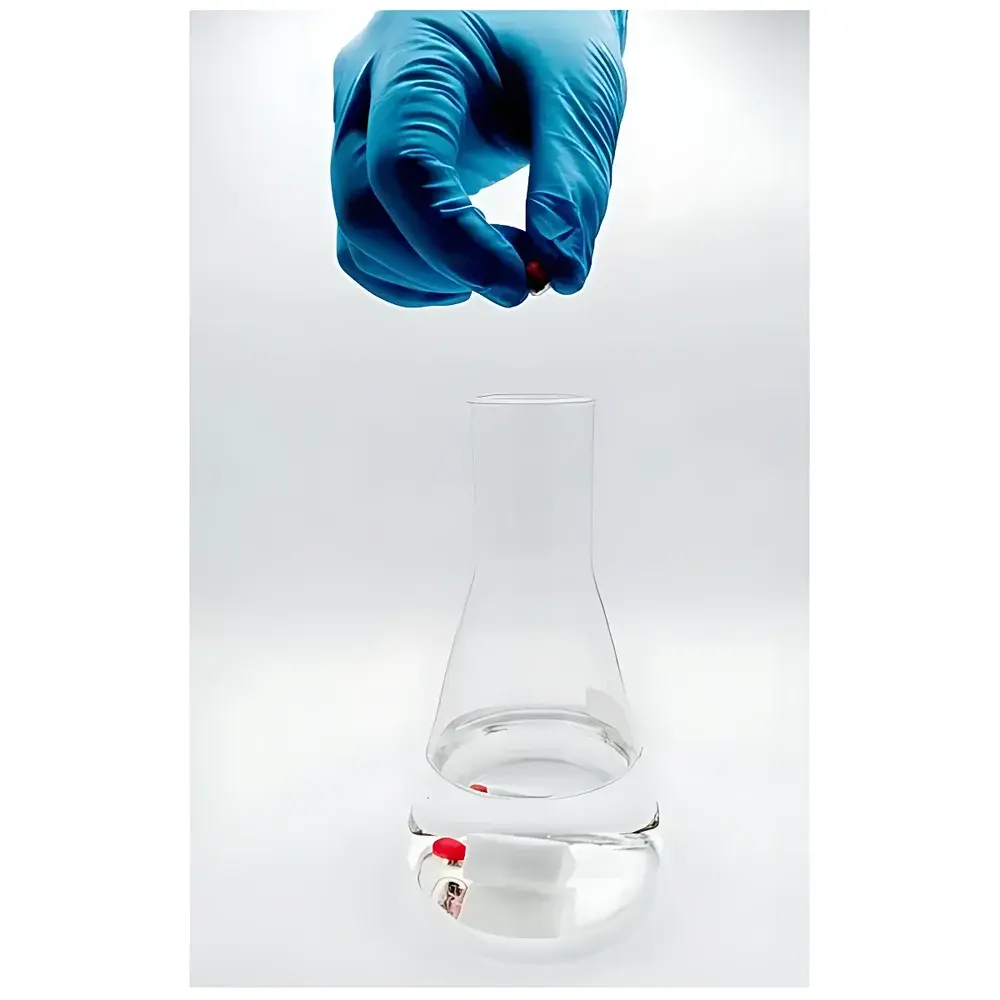
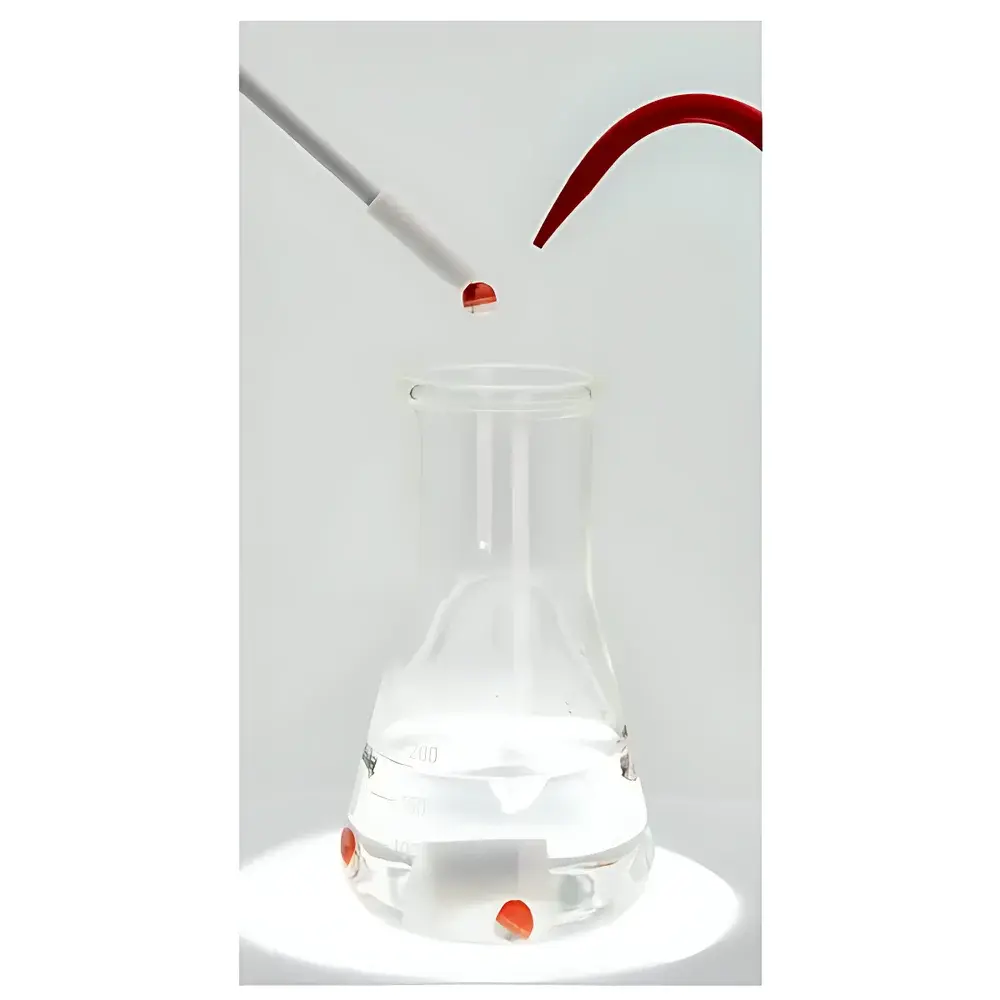
The Amensio Sens-o-Spheres Wireless Spherical Temperature Sensor is an ultra-compact, self-contained thermal monitoring solution engineered for real-time, in-situ temperature measurement within dynamic liquid-phase reaction systems. Based on passive radio-frequency telemetry and integrated micro-electromechanical system (MEMS) thermistor technology, each spherical sensor operates autonomously—without wires, batteries, or physical anchoring—enabling true volumetric thermal profiling inside stirred tanks, bioreactors, shake flasks, wave bags, and other heterogeneous vessels. With a diameter of only 9 mm and mass of 0.5 g, the Sens-o-Spheres achieve neutral buoyancy in common aqueous and organic media, allowing them to freely circulate and sample temperature across the entire reactor volume—including near impeller zones, dead zones, and critical interfacial regions inaccessible to fixed probes. This architecture eliminates spatial bias inherent in wall-mounted or immersion-type sensors and supports first-principles process understanding during scale-up, crystallization, polymerization, fermentation, and lyophilization development.
Key Features
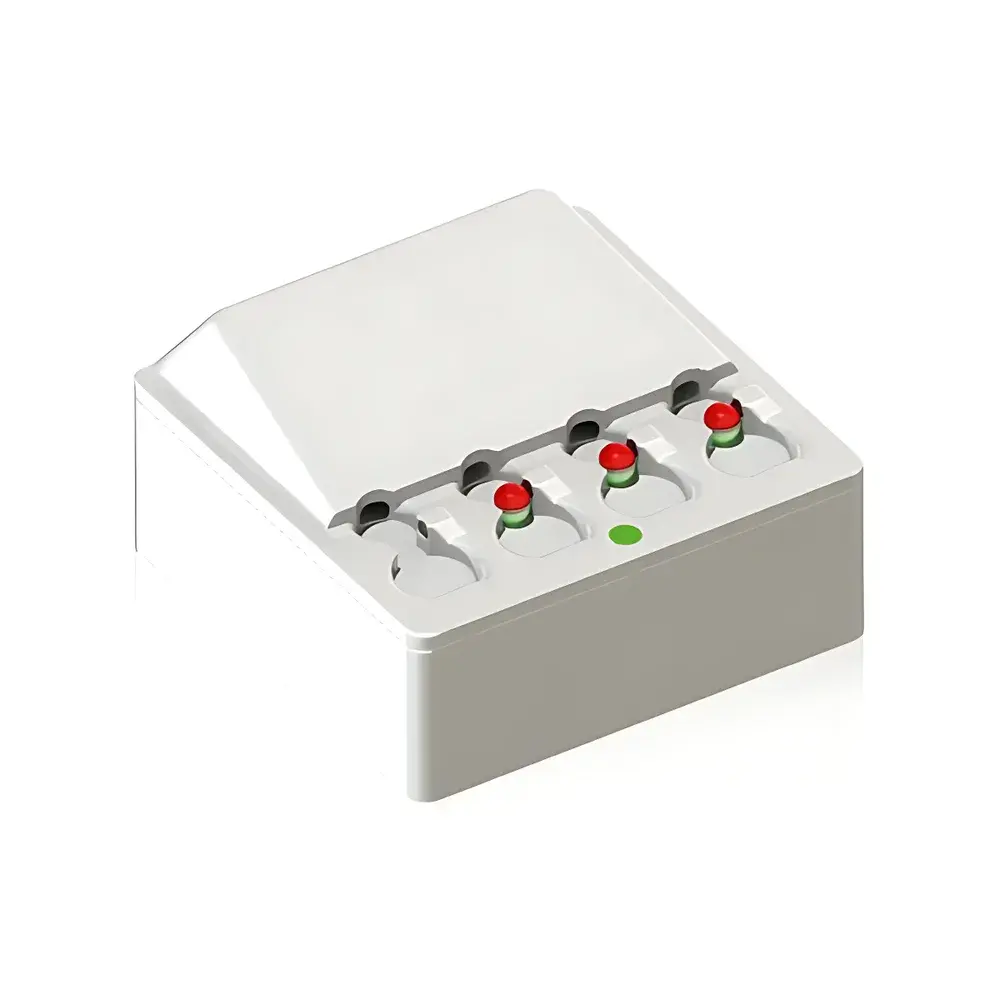
- Wireless inductive charging: Enables repeated deployment without battery replacement; full charge supports >72 h continuous operation at 1 Hz sampling.
- Biocompatible and chemically inert construction: PEEK or electropolished 316L stainless steel housings ensure no leaching, catalytic interference, or surface fouling in GMP-compliant bioprocesses or API synthesis.
- True wireless telemetry: Operates in the 2.4 GHz ISM band with AES-128 encrypted transmission; latency <50 ms; packet loss rate <0.1% under standard lab RF conditions.
- Volumetric distribution: Spheres disperse uniformly under agitation, delivering statistically representative thermal data across vessel geometry—irrespective of volume (1 mL to 200 L) or aspect ratio.
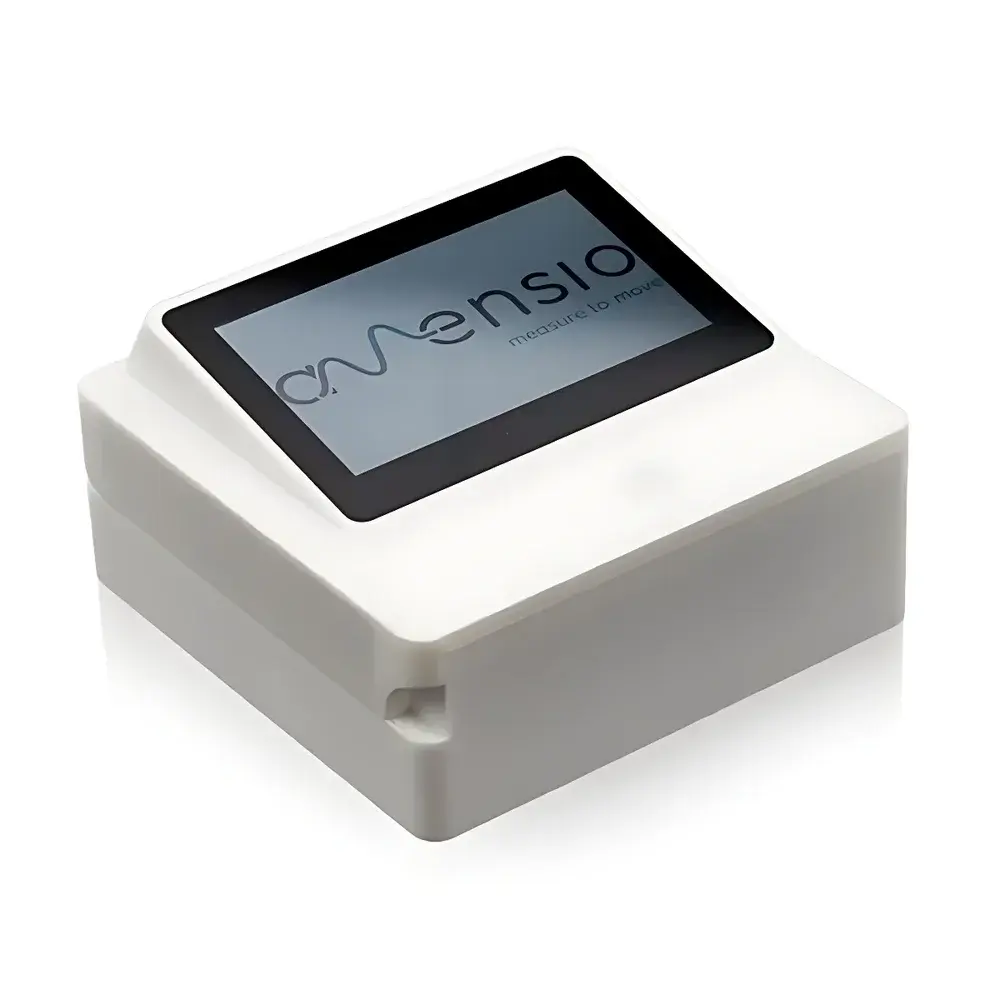
- Scalable parallel acquisition: A single Amensio Gateway unit synchronizes and logs data from up to 24 independent Sens-o-Spheres, supporting multi-vessel comparative studies or intra-batch redundancy.
- Compact, pressure-stable design: IP67-rated hermetic seal withstands autoclaving (121 °C, 2 bar), vacuum drying, and moderate shear environments without calibration drift.
Sample Compatibility & Compliance
The Sens-o-Spheres are validated for use in sterile and non-sterile liquid-phase systems including aqueous buffers, organic solvents (e.g., THF, EtOAc, MeOH), cell culture media, and high-viscosity polymer melts. Their inert surface chemistry prevents adsorption of proteins, nucleic acids, or small-molecule APIs—ensuring measurement integrity in QC release testing and stability studies. Regulatory alignment includes compliance with ISO 13485 (for medical device manufacturing support), ASTM E2858–22 (standard guide for wireless sensor validation in pharmaceutical processes), and FDA 21 CFR Part 11 requirements when deployed with Amensio’s audit-trail-enabled software suite. Each sensor batch carries individual calibration certificates traceable to NIST standards (±0.1 °C accuracy over 0–100 °C range).
Software & Data Management
Data acquisition is managed via the Amensio SensorLink Desktop Application, which provides time-synchronized visualization, statistical trend analysis (mean, std dev, min/max per sphere), and export to CSV, MATLAB (.mat), or OPC UA-compatible SCADA systems. The software enforces electronic signatures, user role-based access control, and immutable audit trails—including timestamps for sensor activation, gateway pairing, firmware updates, and manual annotation events. Raw sensor metadata (RSSI, battery level, internal temperature of electronics) is logged alongside process data to support root-cause analysis of signal anomalies. Integration with LabVantage LIMS and DeltaV DCS is available through certified middleware modules.
Applications
- Reaction calorimetry support: Capturing localized exotherm propagation during Grignard additions or nitration steps where conventional probes underestimate peak temperatures.
- Bioreactor thermal mapping: Validating jacket-to-core heat transfer efficiency and identifying cold spots during mammalian cell culture runs.
- Crystallization endpoint detection: Monitoring supersaturation-driven temperature shifts in real time to trigger anti-solvent dosing.
- Lyophilization cycle development: Tracking vial-to-vial thermal heterogeneity during primary drying to optimize shelf temperature ramp profiles.
- Process analytical technology (PAT): Serving as a distributed sensor node within ICH Q5/Q8/Q9 frameworks for enhanced process understanding and control strategy documentation.
FAQ
Can Sens-o-Spheres be used in pressurized reactors?
Yes—models with reinforced stainless steel housings are rated for continuous operation up to 6 bar gauge pressure and transient spikes to 10 bar.
Is sterilization compatibility verified?
All variants undergo validation for steam sterilization (121 °C, 20 min, saturated steam) and gamma irradiation (25 kGy); post-sterilization calibration drift remains within ±0.05 °C.
How is sensor localization handled in large vessels?
While absolute spatial coordinates are not provided, thermal variance analysis across multiple spheres enables inference of convection patterns and mixing efficiency—eliminating the need for complex triangulation infrastructure.
Does the gateway support integration with existing MES or SCADA platforms?
Yes—the Amensio Gateway exposes RESTful APIs and supports Modbus TCP, MQTT, and OPC UA protocols for bidirectional data exchange and remote configuration management.
What is the typical lifetime of a Sens-o-Sphere under routine laboratory use?
With proper handling and periodic recalibration (recommended annually), functional lifetime exceeds 5 years or 500+ sterilization cycles, depending on chemical exposure history.