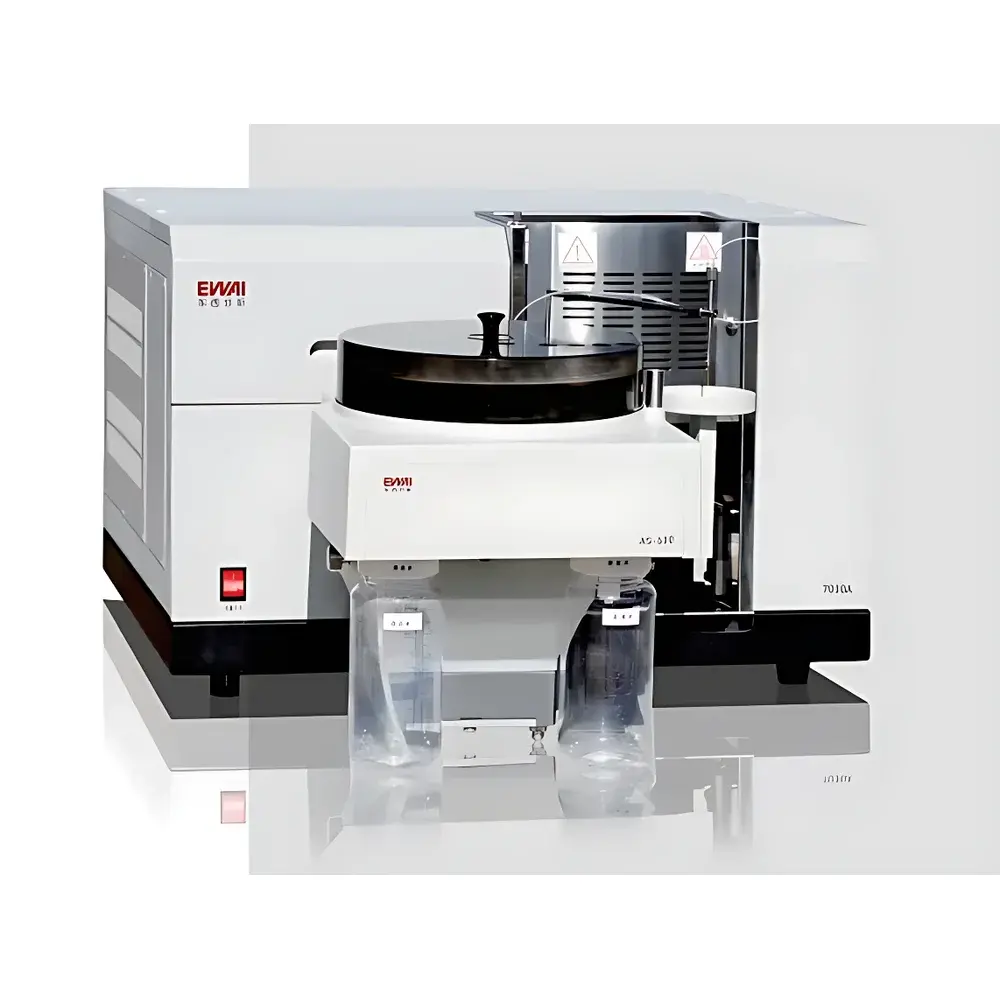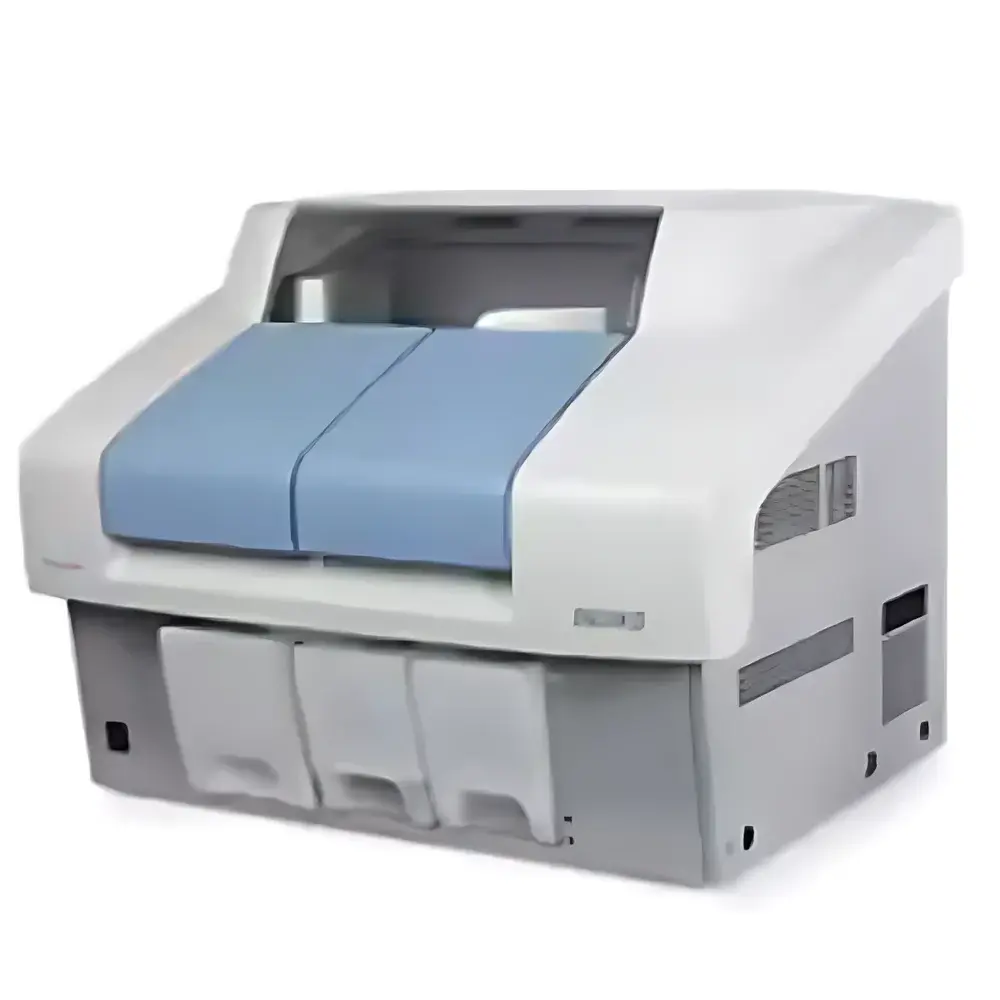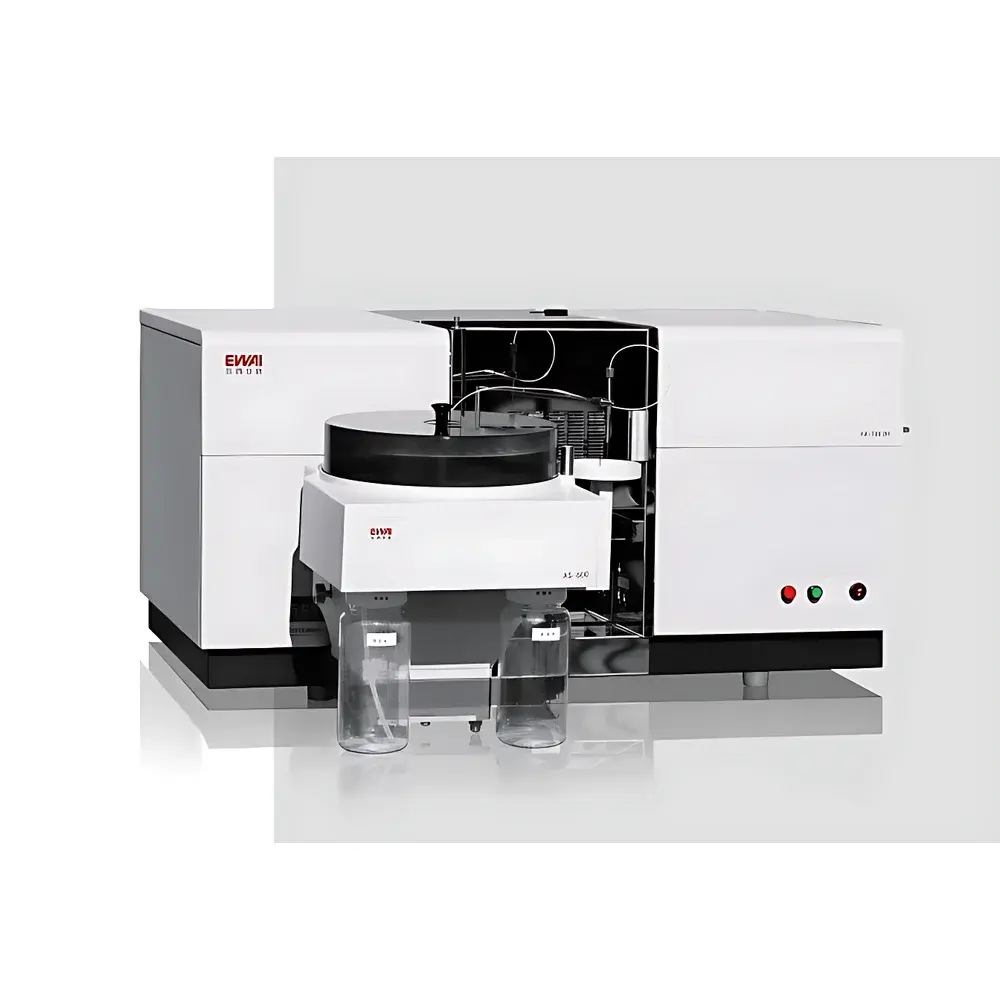
HuaDuanBio HD-AN300 Multifunctional Microaerobic and Anaerobic Culture System
| Brand | HuaDuanBio |
|---|---|
| Origin | Zhejiang, China |
| Manufacturer Type | Direct Manufacturer |
| Product Origin | Domestic (China) |
| Model | HD-AN300 |
| Pricing | Upon Request |
Overview
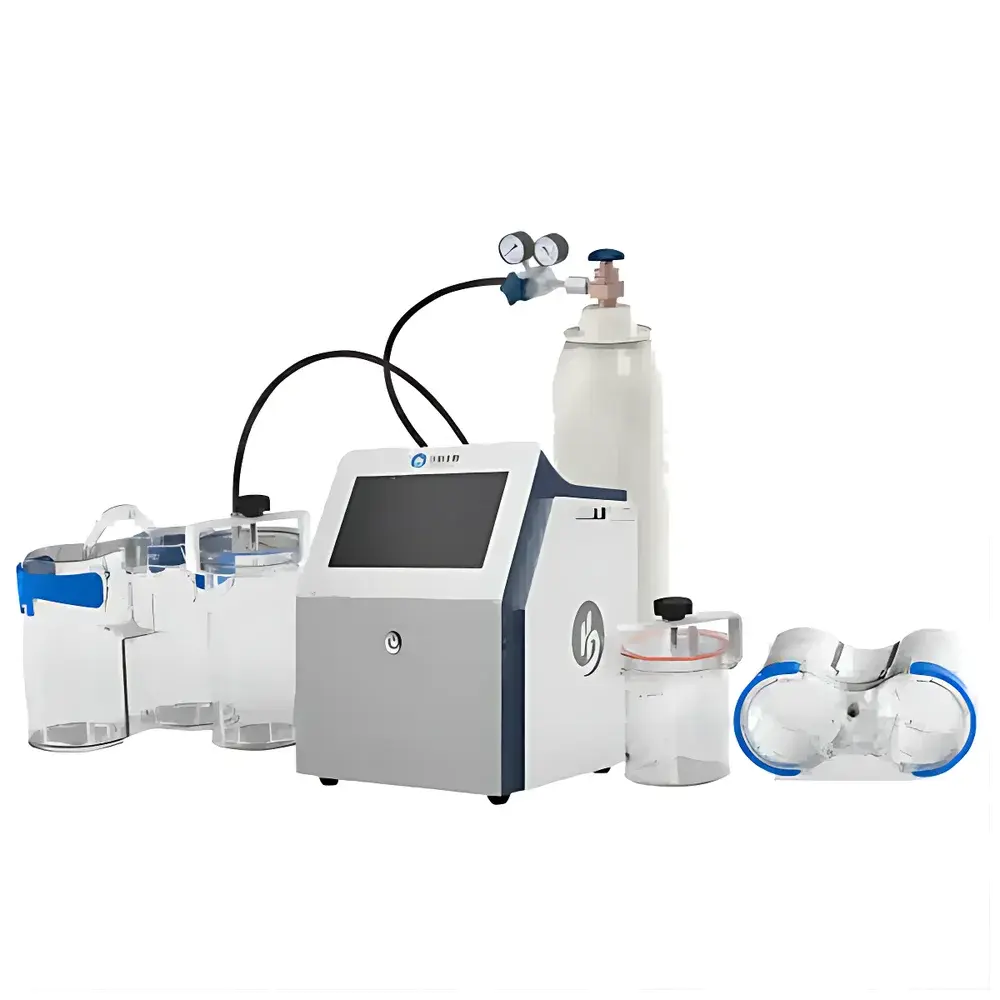
The HuaDuanBio HD-AN300 Multifunctional Microaerobic and Anaerobic Culture System is an engineered platform for precise, reproducible generation of controlled atmospheric environments in clinical microbiology and food safety laboratories. It operates on a vacuum displacement gas exchange principle—using sequential evacuation and targeted gas injection—to establish and maintain defined oxygen concentrations ranging from 0% (strict anaerobiosis) to 18% (microaerophilic or facultative conditions). Unlike passive jar-based systems, the HD-AN300 actively monitors and regulates internal pressure dynamics in real time, compensating for local barometric variation to ensure consistent gas composition across geographic locations and daily fluctuations. This capability is essential for standardized isolation and cultivation of fastidious organisms such as Helicobacter pylori, Campylobacter jejuni, Bifidobacterium spp., Lactobacillus spp., Shigella spp., and Clostridium perfringens, all of which require tightly regulated O2 tension for optimal growth and phenotypic expression.
Key Features
- Vacuum displacement architecture with integrated barometric self-calibration at startup—ensures accurate O2 setpoint achievement regardless of altitude or ambient pressure.
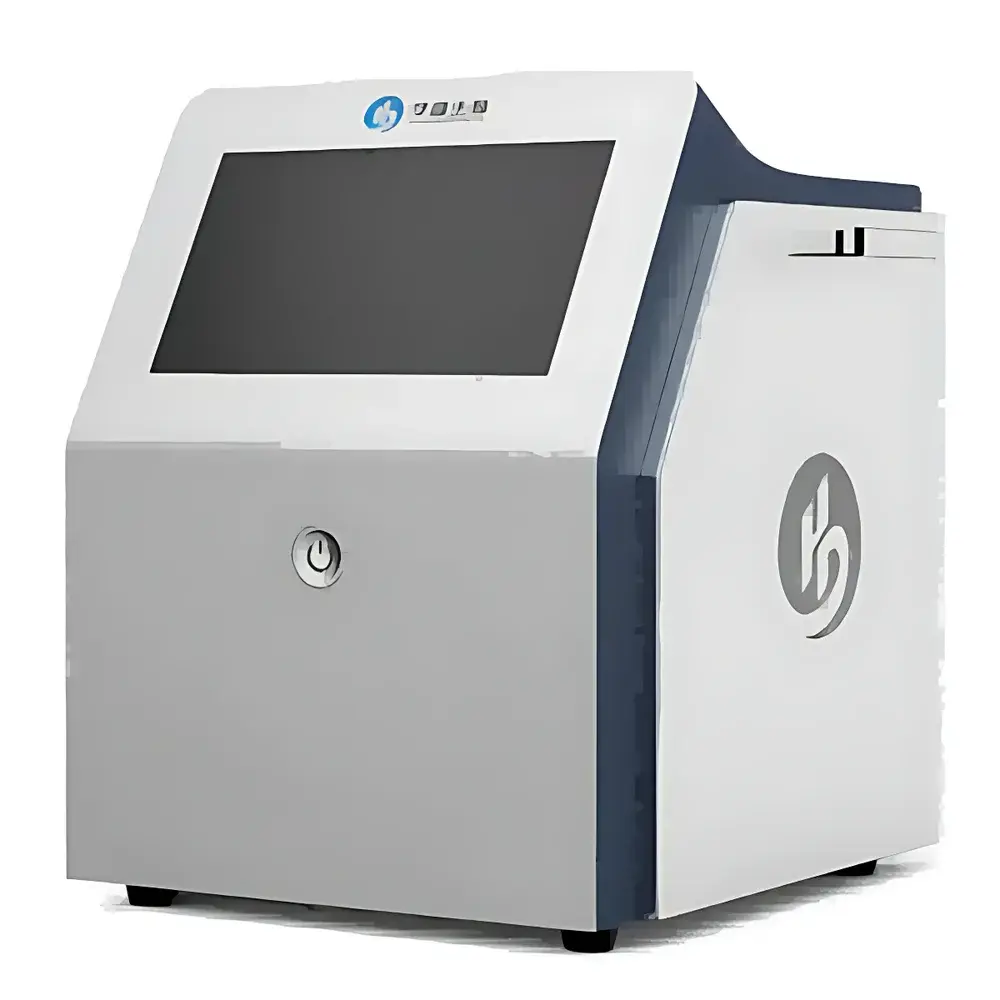
- 10-inch full-color capacitive touchscreen interface with intuitive color-coded function mapping, real-time pressure display, and zero-button operation for routine protocols.
- Rapid environmental transition: achieves microaerobic conditions (<6% O2) in <100 seconds and strict anaerobiosis (0% O2) in <180 seconds per chamber.
- One-touch protocol execution for preconfigured atmospheres—including dedicated Campylobacter mode (5–10% O2, 3–10% CO2, balance N2)—eliminating manual parameter entry and reducing operator error.
- Multi-chamber control architecture supports concurrent conditioning of up to four independent culture vessels, enabling parallel processing without workflow interruption.
- Comprehensive pre-cycle integrity verification: automatically tests gas supply pressure, tubing continuity, chamber seal integrity, lid seal performance, and catalyst activity prior to each run.
- Rechargeable palladium-based anaerobic catalyst with five-tier activity grading—monitored in real time and optionally disabled for non-catalytic protocols.
- Low gas consumption profile: ≤2 L gas per 12-plate microaerobic cycle; ≤7 L per 12-plate anaerobic cycle—optimized for cost-efficient, high-throughput operation.
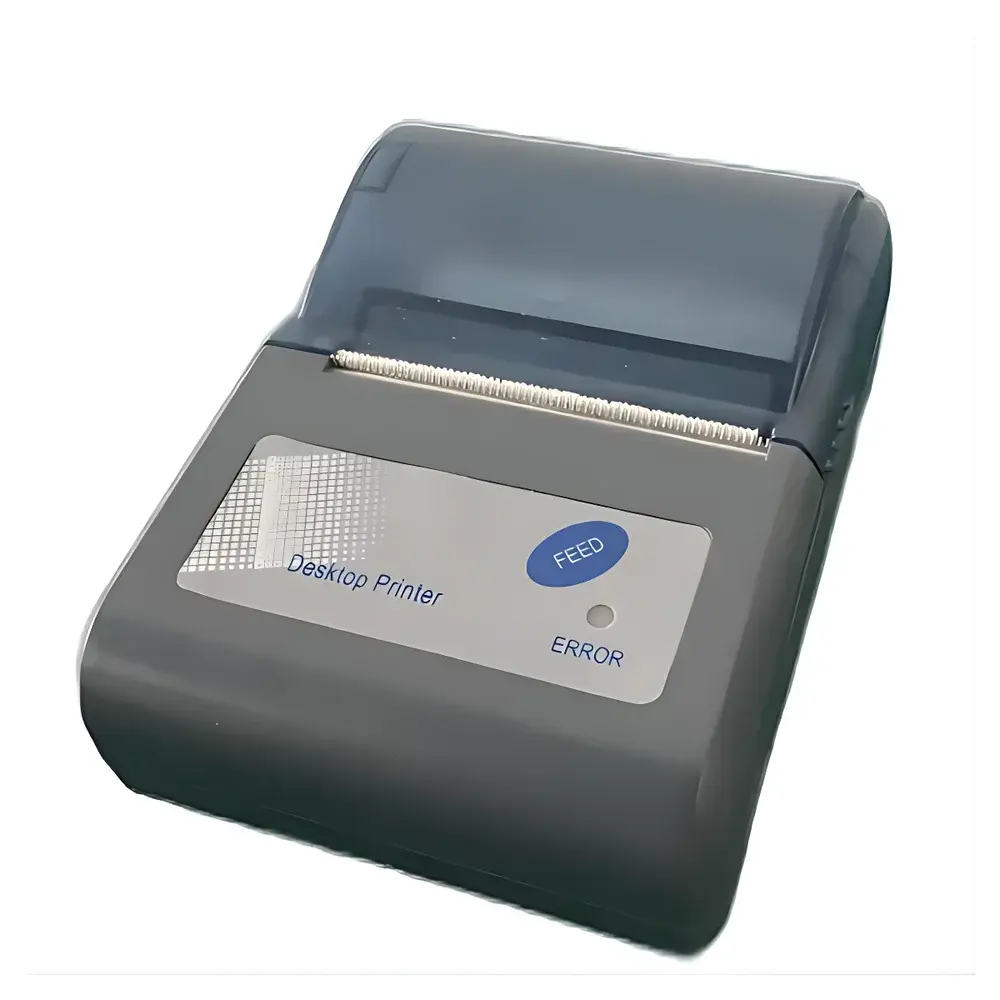
- Integrated thermal printer supporting customizable output of run ID, timestamp, O2/CO2 setpoints, duration, pressure logs, and QC pass/fail status.
Sample Compatibility & Compliance
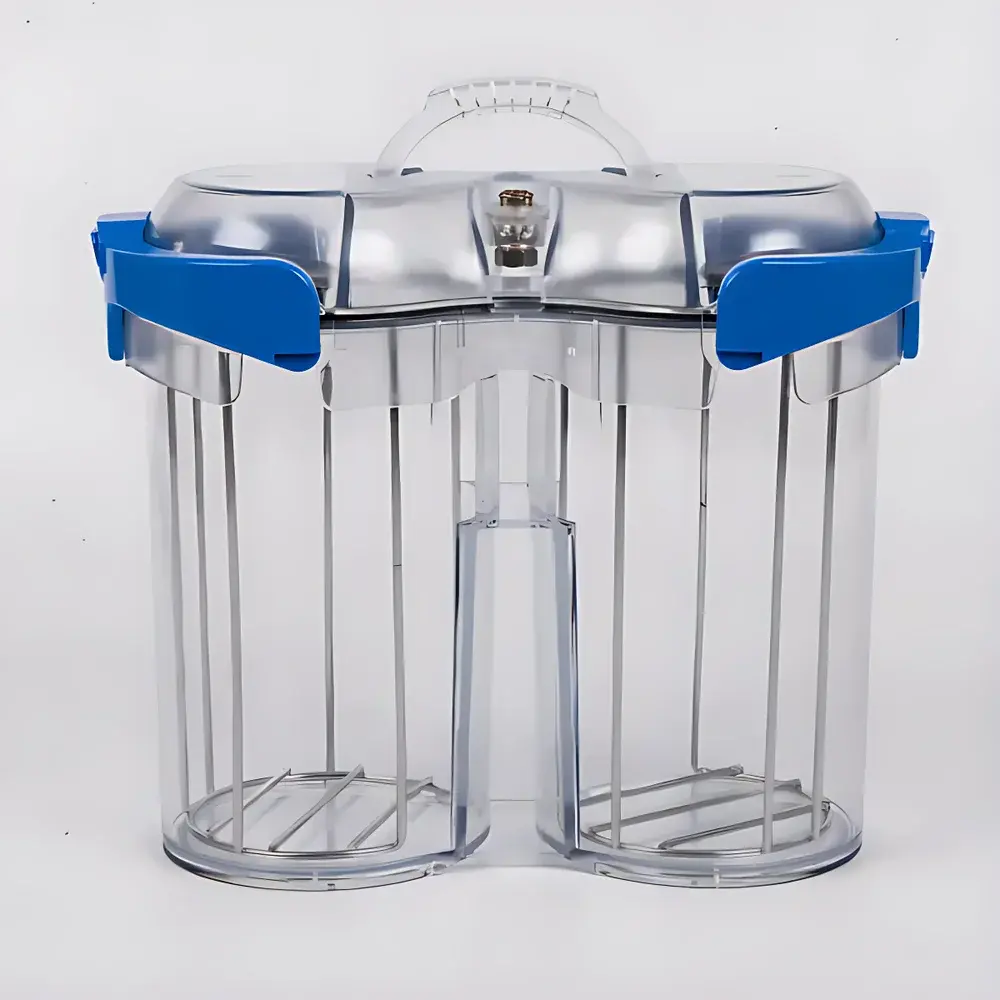
The HD-AN300 accommodates standard Petri dishes (90 mm), blood culture bottles, tissue culture flasks, and custom-fit transparent polycarbonate culture chambers—all designed for optical clarity and sterility maintenance. Its programmable O2 range (0.1–18%) meets method requirements specified in GB 4789 series standards for food microbiological testing, including GB 4789.9 (for C. jejuni), GB 4789.11 (for Streptococcus hemolyticus), GB 4789.34 (for Bifidobacterium), GB 4789.35 (for Lactobacillus), and GB 8538 (for Clostridium perfringens in natural mineral water). While not FDA 510(k)-cleared, the system’s deterministic gas control logic, audit-ready print logs, and built-in QC checks support alignment with ISO/IEC 17025 quality management principles and GLP-compliant documentation practices in contract testing laboratories.
Software & Data Management
The embedded firmware provides traceable, non-editable session records stored locally on internal flash memory. Each cycle generates a timestamped log containing initial barometric reading, target gas composition, actual measured O2 concentration (via integrated electrochemical sensor), catalyst activity grade, seal verification results, and completion status. Export is supported via USB port in CSV format for integration into LIMS or electronic lab notebooks. No cloud connectivity or remote access is implemented—ensuring data sovereignty and compliance with institutional IT security policies. Firmware updates are delivered offline via encrypted USB key, maintaining validation integrity in regulated environments.
Applications
- Clinical isolation of fastidious pathogens: Campylobacter jejuni, Helicobacter pylori, Fusobacterium nucleatum, and Prevotella melaninogenica.
- Food and beverage quality assurance per GB 4789, ISO 11133, and AOAC Official Methods—particularly for probiotic enumeration, spoilage organism detection, and toxinogenic strain confirmation.
- Pharmaceutical microbiology: anaerobic stability testing of APIs, excipient compatibility screening, and microbial limit testing under physiologically relevant O2 gradients.
- Research applications in gut microbiome studies, oral biofilm modeling, and host-pathogen interaction assays requiring tunable redox potential.
- Environmental monitoring of anaerobic digesters, wastewater treatment isolates, and biogas-producing consortia.
FAQ
Does the HD-AN300 comply with FDA 21 CFR Part 11?
No—the system does not implement electronic signatures, audit trails with user attribution, or role-based access control required under Part 11. It is intended for research-use-only (RUO) and non-GMP environments.
Can the catalyst be regenerated or replaced onsite?
Yes—the palladium catalyst cartridge is field-replaceable and rated for ≥200 cycles under normal use. Regeneration is not recommended; replacement kits are available directly from HuaDuanBio.
Is external CO2 supply required for microaerobic protocols?
Yes—CO2 must be supplied externally (e.g., from a medical-grade CO2 cylinder) when generating atmospheres requiring CO2 enrichment, such as Campylobacter culture conditions.
What is the maximum number of culture vessels supported simultaneously?
The standard configuration supports four independent chambers; optional expansion modules increase capacity to eight, subject to power and footprint constraints.
How often should the catalyst activity test be performed?
HuaDuanBio recommends enabling the catalyst activity check for every anaerobic run. The five-level grading output allows trending analysis to schedule preventive replacement before performance degradation affects O2 elimination efficiency.