
English Product Name
| Brand | Vientiane Environment |
|---|---|
| Origin | Shandong, China |
| Manufacturer Type | Direct Manufacturer |
| Country of Origin | China |
| Model | WX-Q2 |
| Price | USD 12,300 (FOB) |
Overview
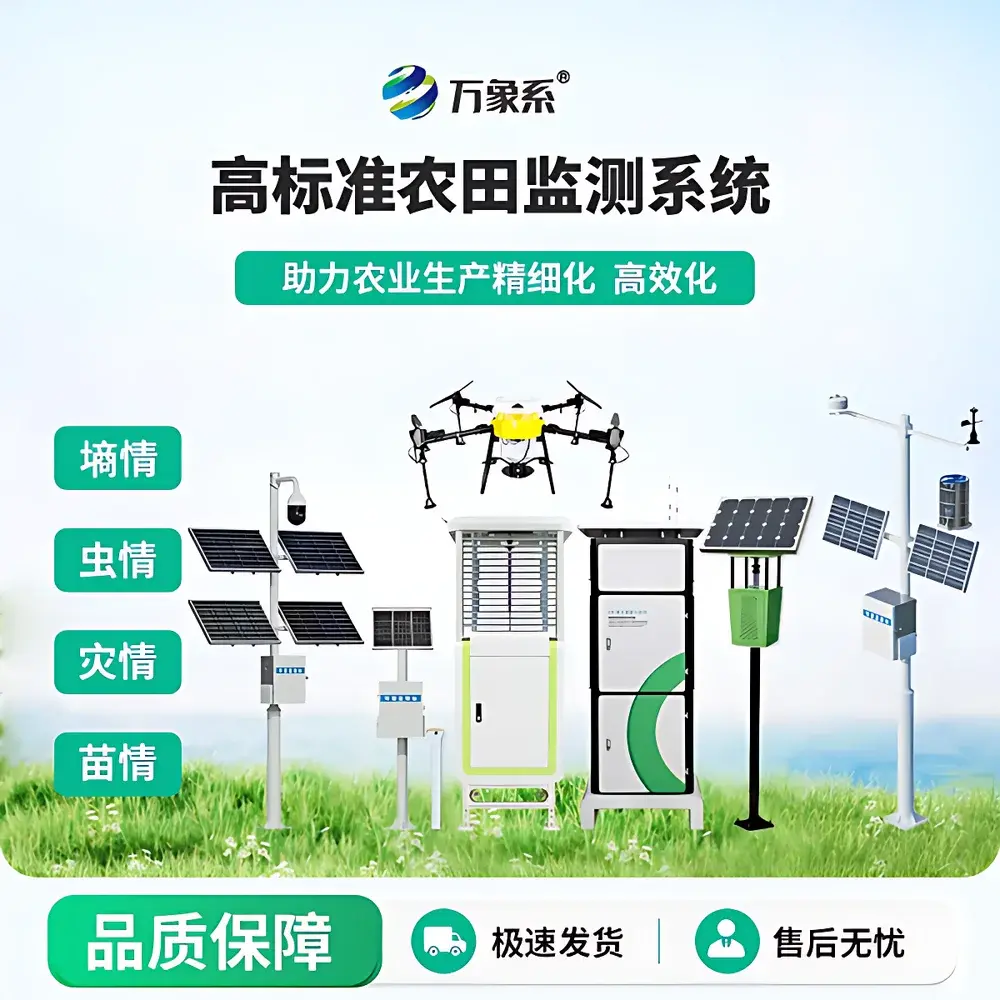
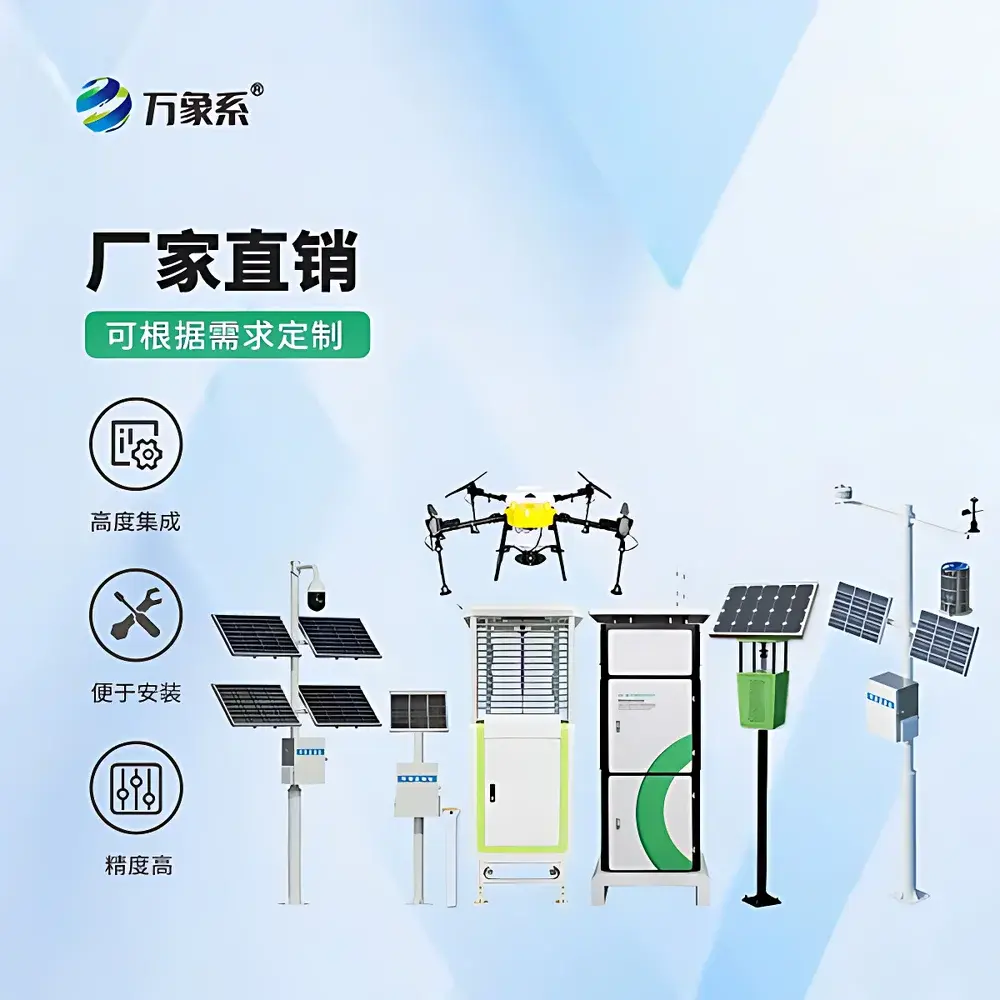
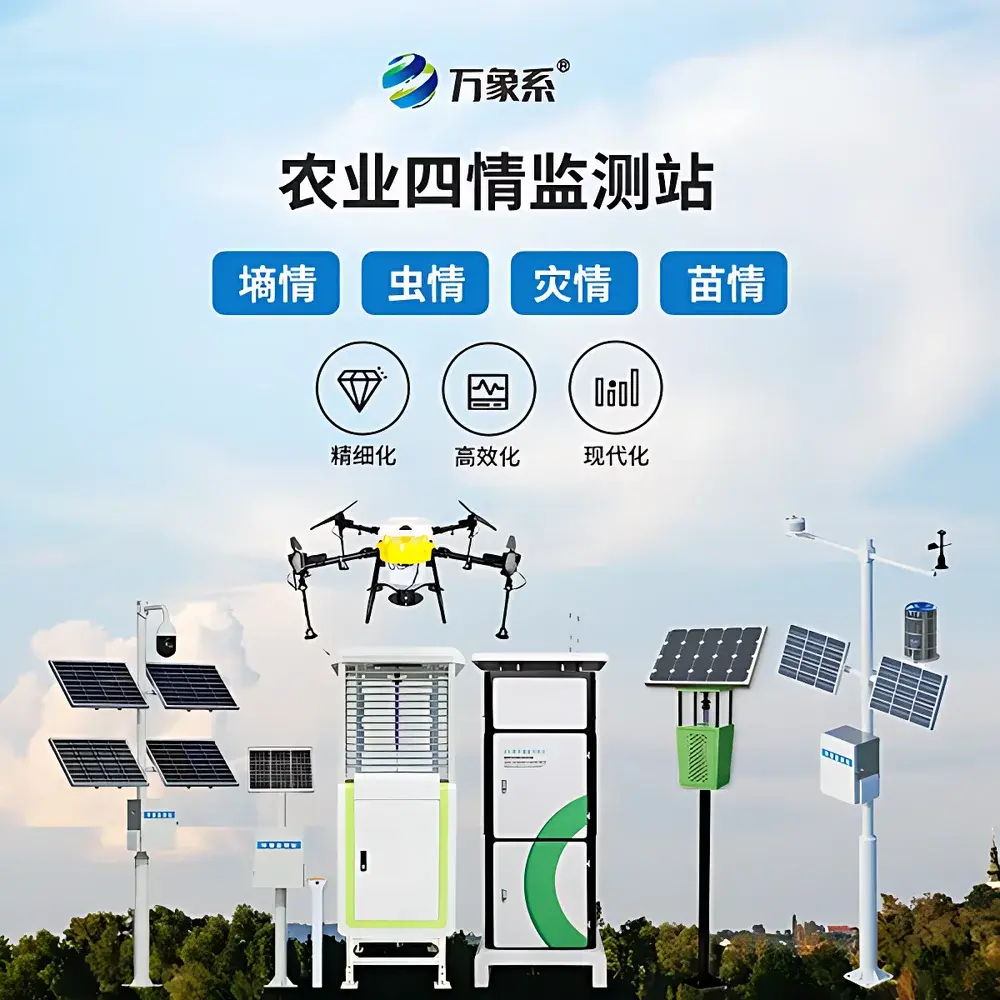
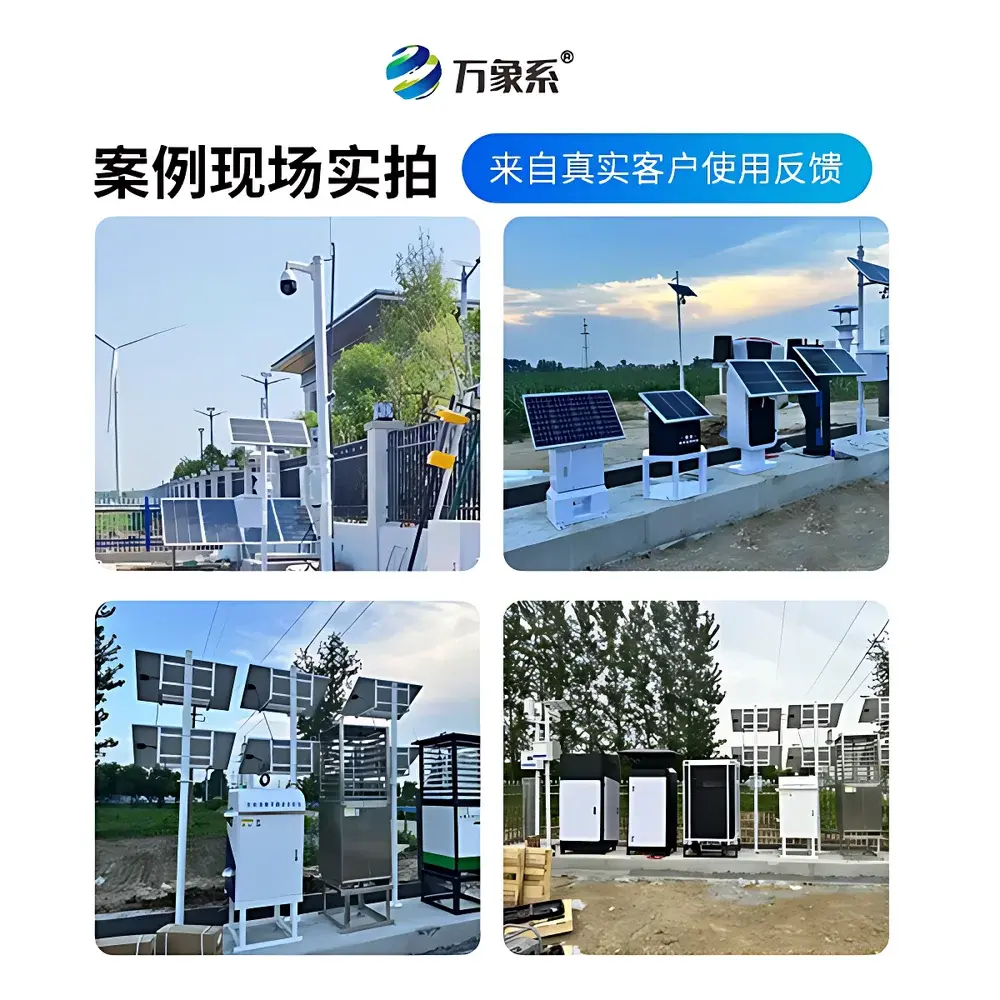
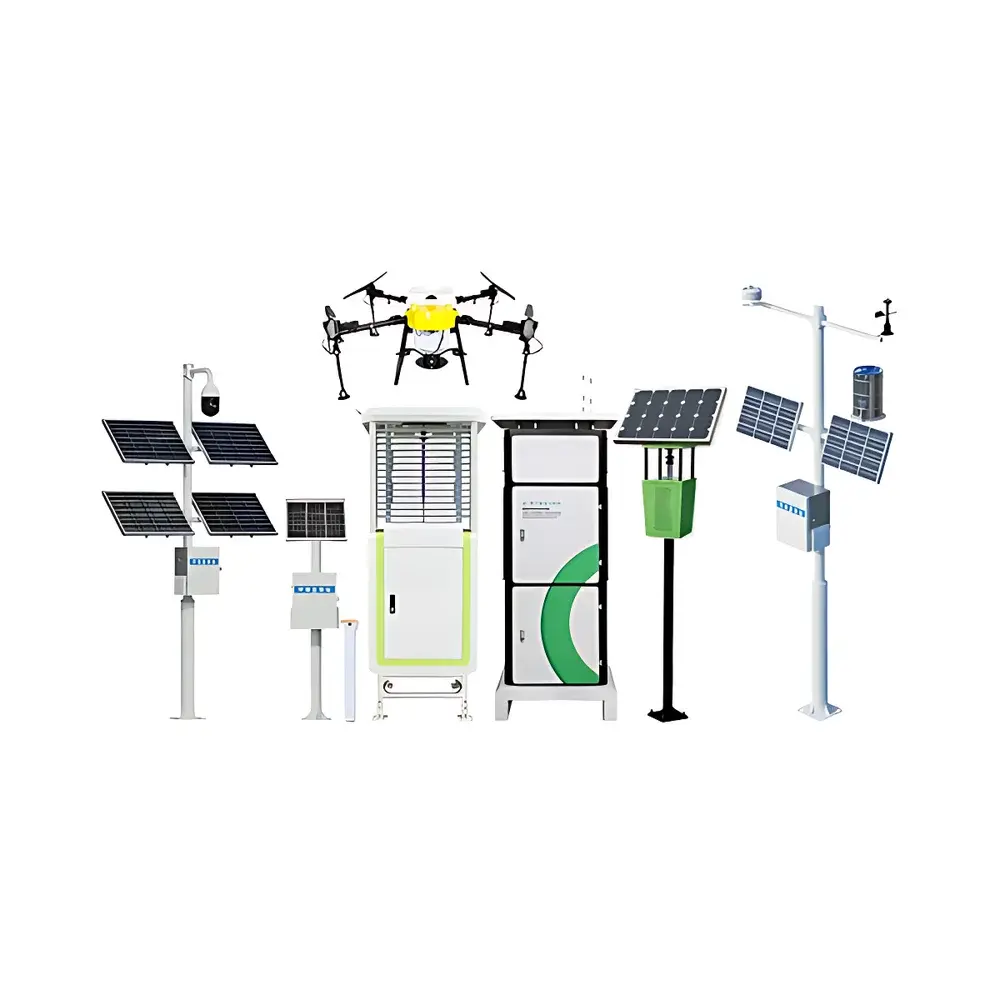
The Vientiane Environment WX-Q2 Agricultural “Four Conditions” Intelligent Monitoring System is an integrated, IoT-enabled environmental telemetry platform engineered for precision agriculture and ecological surveillance. It implements a multi-sensor fusion architecture grounded in standardized environmental measurement principles—soil capacitance-based moisture sensing (ASTM D5859), passive optical insect imaging with AI-assisted morphological classification, aspirator-driven entomological sampling (aligned with FAO Plant Protection Guidelines), microclimate monitoring via calibrated thermohygrometers and ultrasonic anemometers (compliant with WMO No. 8 guidelines), and automated spore capture using electro-optical impaction and high-resolution digital microscopy. Designed for unattended field deployment across open-field farms, orchards, and protected cultivation zones, the system continuously acquires time-synchronized data streams from eight core subsystems—soil moisture/temperature probes, solar-powered insect trapping lamps, multi-parameter weather stations, HD PTZ video surveillance units, perimeter intrusion detection sensors, upward-facing spore samplers, crop phenology imaging modules, and centralized cloud telemetry gateways. All measurements adhere to traceable calibration protocols and support GLP-compliant data integrity frameworks.
Key Features
- Modular, field-deployable architecture with IP66-rated enclosures and industrial-grade power management (solar + LiFePO₄ backup)
- Real-time GPRS/4G LTE and Ethernet dual-mode telemetry with TLS 1.2 encrypted data transmission
- AI-powered pest identification engine trained on >2,800 regional agricultural pest species (Lepidoptera, Coleoptera, Hemiptera, Diptera), supporting species-level classification accuracy ≥92% under controlled lighting conditions
- Automated spore imaging module featuring 40×–100× motorized objective lens, auto-focus stacking, and UV-LED illumination for enhanced fungal conidia contrast
- Soil sensor array measuring volumetric water content (0–100% v/v), temperature (−20°C to +70°C), and pH (pH 3–9, ±0.2 accuracy) at multiple depths (10/20/40 cm)
- Fan-assisted insect trap with non-toxic UV-A light source (365 nm peak), phototactic attraction, and dry-collection chamber—eliminating pesticide dependency per ISO 22000:2018 Annex A.4 requirements
- Web-based dashboard with role-based access control (RBAC), audit trail logging, and configurable alert thresholds (SMS/email/webhook)
Sample Compatibility & Compliance
The WX-Q2 system is validated for continuous operation in USDA Hardiness Zones 4–10 and complies with electromagnetic compatibility standards IEC 61000-6-2 (immunity) and IEC 61000-6-4 (emissions). Sensor outputs conform to Modbus RTU/TCP and MQTT v3.1.1 protocols for interoperability with third-party SCADA or farm management software (e.g., FarmLogs, Granular, AgriWebb). Data structures follow OGC SensorML metadata conventions and align with ISO 11783-10 (Tractor ECU) and ISO 22000:2018 food safety management prerequisites. All firmware updates are digitally signed and version-controlled; system logs retain timestamped records for FDA 21 CFR Part 11 electronic record compliance when deployed in certified organic or GAP-certified operations.
Software & Data Management
The Vientiane Cloud Platform provides a secure, browser-accessible interface supporting multi-tenant account provisioning, geospatial mapping (via integrated Leaflet.js), and temporal data interpolation. Raw sensor values undergo on-device preprocessing—including outlier rejection (Grubbs’ test), linear drift compensation, and unit normalization—prior to upload. Historical datasets are stored in PostgreSQL with time-series partitioning and support SQL-based querying, CSV/Excel export, and RESTful API access (OAuth 2.0 secured). The platform includes built-in statistical tools for trend analysis (moving averages, seasonal decomposition), correlation heatmaps (e.g., soil moisture vs. aphid counts), and automated report generation (PDF/PNG) aligned with FAO CropWatch reporting templates. Audit logs record all user actions—including parameter changes, device reboots, and image deletions—with immutable timestamps and SHA-256 hash verification.
Applications
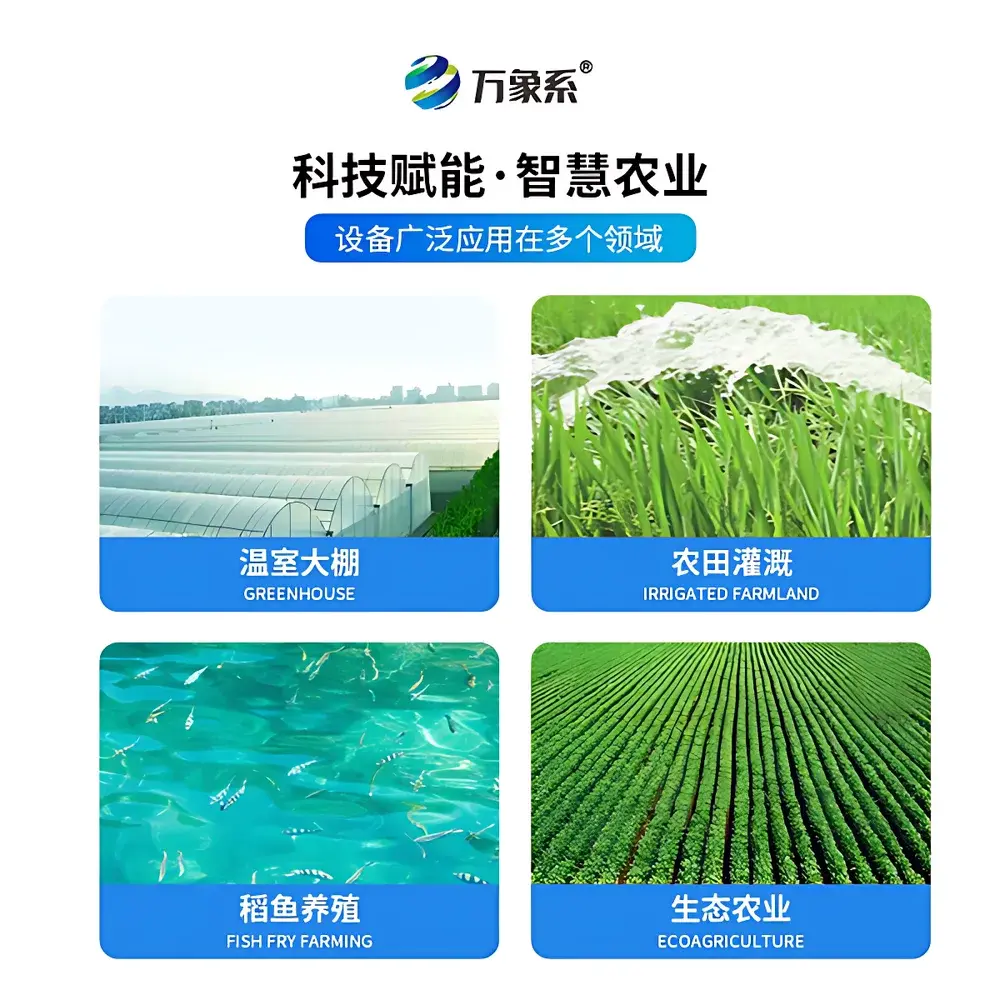
This system supports operational decision-making across multiple agricultural domains: early-warning detection of *Fusarium* head blight via airborne macroconidia quantification; irrigation scheduling based on real-time root-zone water potential modeling; forecasting of lepidopteran pest outbreaks using degree-day accumulation algorithms; validation of conservation tillage effects on soil thermal inertia; and remote verification of crop phenological stages (BBCH scale) for insurance claim substantiation. It is routinely deployed by provincial agricultural extension services in China for national pest surveillance networks, by EU-funded Horizon 2020 projects assessing climate-resilient viticulture, and by USDA ARS field stations evaluating biocontrol agent efficacy under variable microclimates.
FAQ
What communication protocols does the WX-Q2 support for integration with existing farm management systems?
The system natively supports Modbus TCP, MQTT, and HTTP REST APIs with JSON payloads. Custom OPC UA or CAN bus gateways can be commissioned upon request.
Is the AI pest identification model updatable in the field?
Yes—models are updated remotely via OTA firmware patches with cryptographic signature verification. Retraining requires submission of annotated image datasets to Vientiane’s agronomy team for validation prior to deployment.
How frequently are spore images captured and uploaded?
Spore capture cycles run hourly; each cycle acquires 6–12 focus-stacked images (2048 × 1536 px), compressed via JPEG2000, and uploaded within 90 seconds of acquisition.
Does the system meet cybersecurity standards for government procurement?
It complies with NIST SP 800-53 Rev. 5 controls for IA-2 (identification/authentication) and SI-4 (system monitoring); full FIPS 140-2 Level 1 certification documentation is available under NDA.
Can soil sensors be installed at custom depths beyond the standard configuration?
Yes—the modular probe design allows extension cables and custom mounting brackets; calibration certificates are provided for each depth-specific installation.
Related Products







