
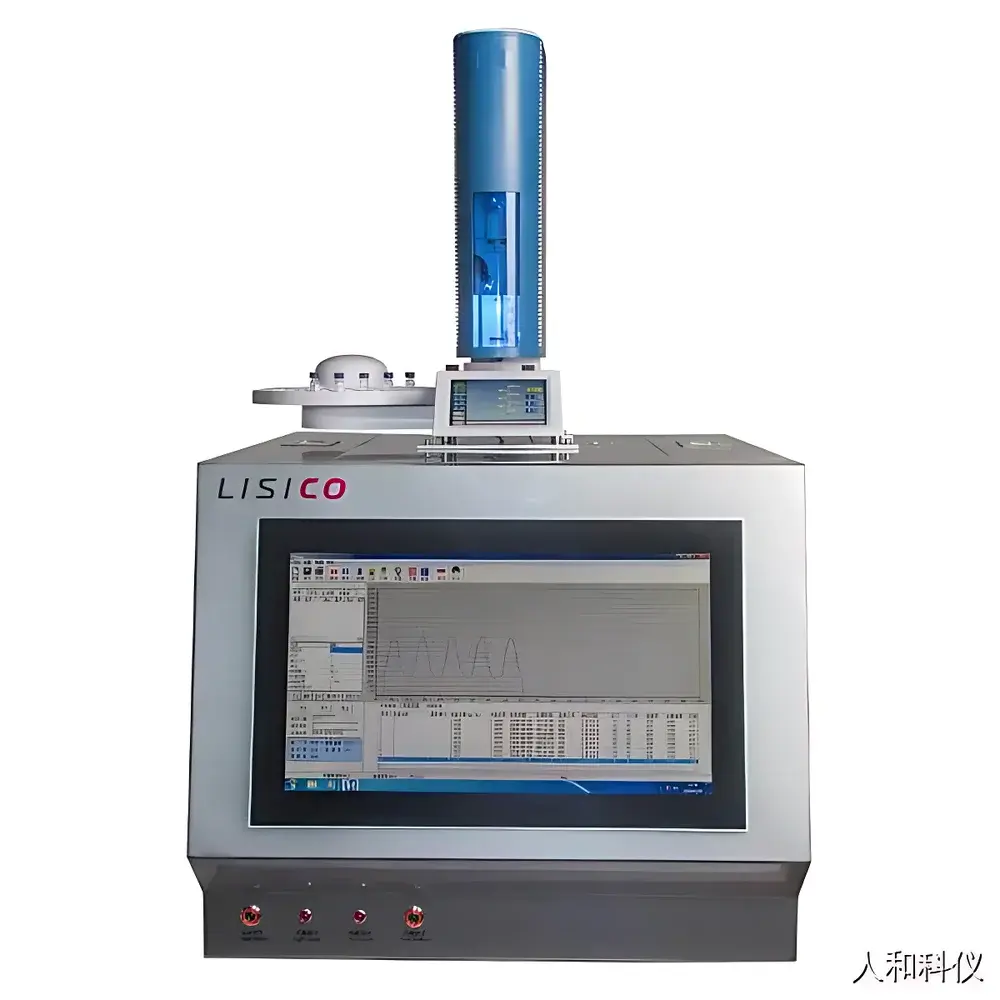
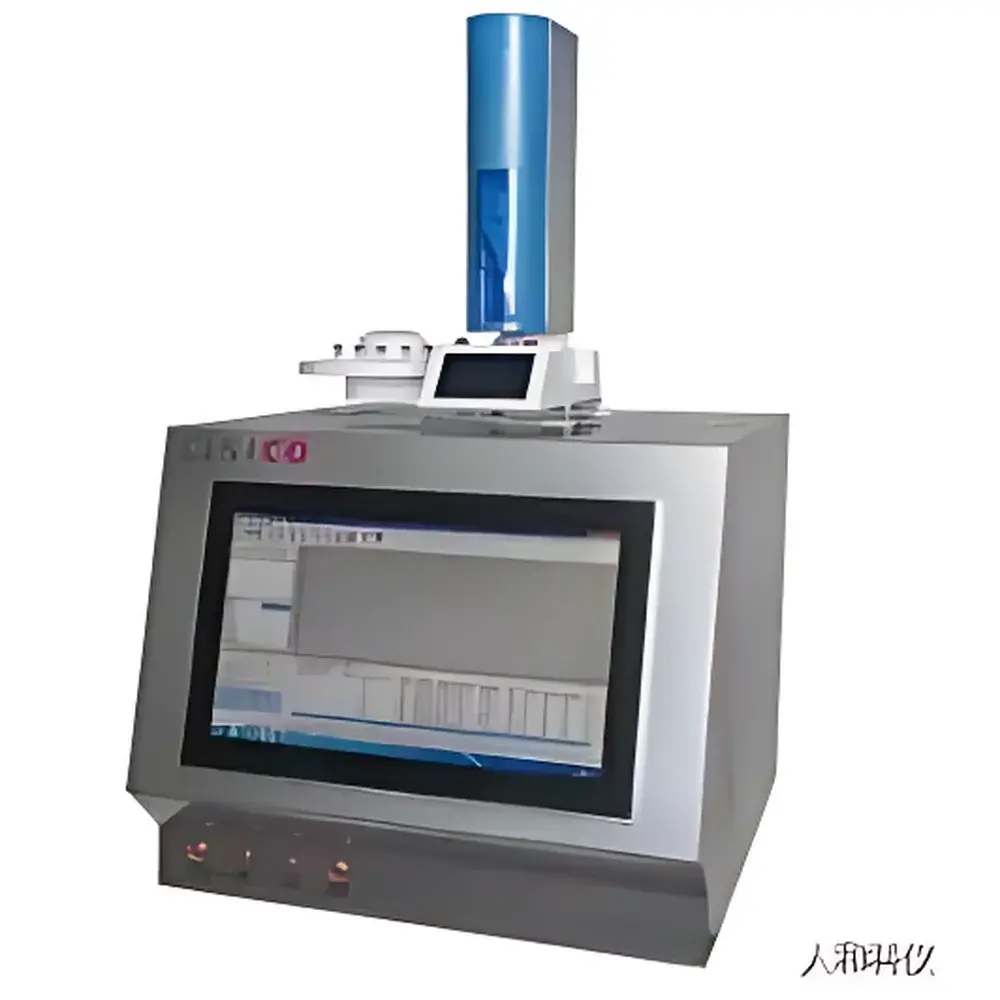
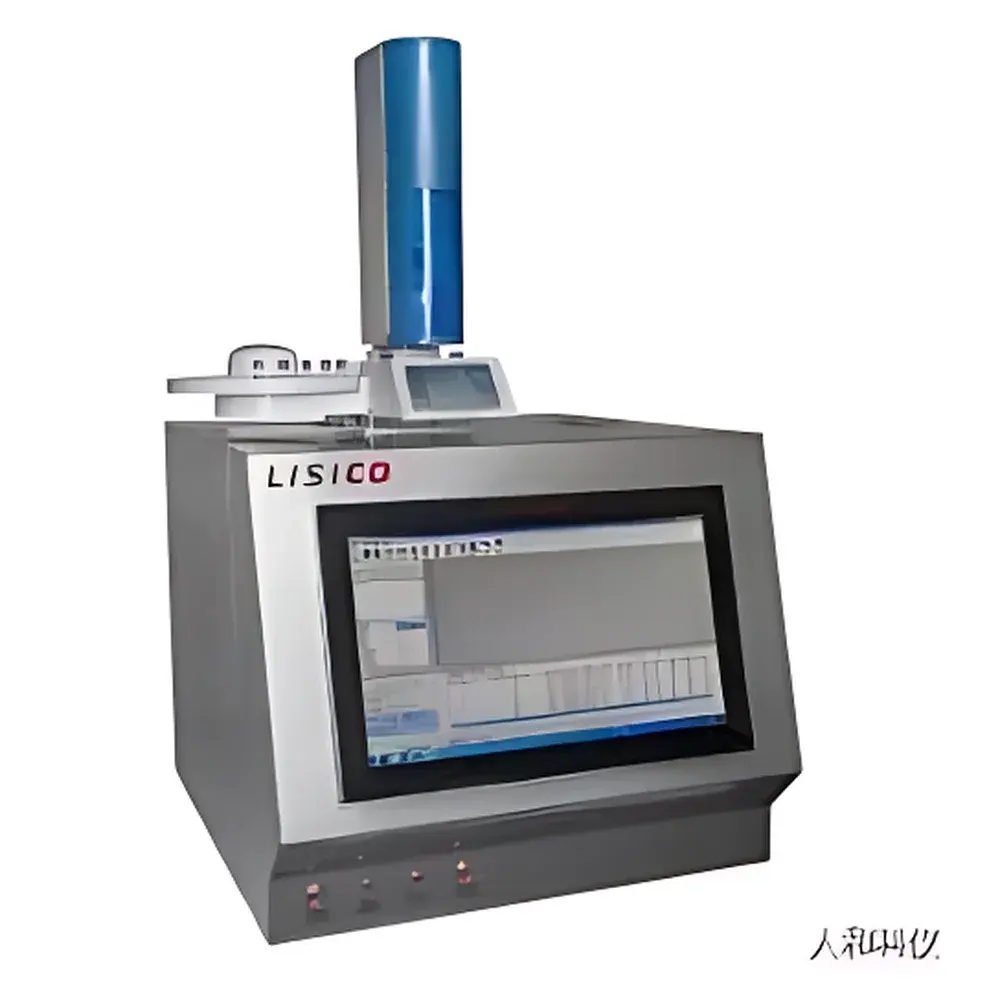
LISICO LS-U Automated UV Fluorescence Sulfur Analyzer
| Brand | LISICO |
|---|---|
| Origin | Shanghai, China |
| Manufacturer Type | Authorized Distributor |
| Regional Classification | Domestic (China) |
| Model | LS-U |
| Detection Principle | Ultraviolet Fluorescence (UVF) |
| Portability | Benchtop (Non-portable) |
| Analyte | Total Sulfur |
| Measurement Range | 0.1 mg/L to >10,000 mg/L (0.2 ppm to >1% w/w) |
| Accuracy | ±0.1 mg/L (for 0.1 ≤ X < 1.0 mg/L) |
| Sample Volume | 5–50 µL (liquid) |
| Carrier Gas | Ultra-high-purity Argon (99.999%) and Oxygen (99.999%) |
| Furnace Temperature Range | Ambient to 1150 °C ±2 °C |
| Operating Environment | 5–30 °C, stable ambient conditions |
| Power Supply | 220 V ±10%, 50 Hz, 3 kW (15 A) |
| Software Interface | Switchable Chinese/English GUI |
| Compliance Standards | SH/T 0689, ASTM D5453, ASTM D4629, ASTM D5762 |
| Data Management | LIMS-ready architecture with audit trail capability |
Overview
The LISICO LS-U Automated UV Fluorescence Sulfur Analyzer is a benchtop laboratory instrument engineered for precise, trace-level quantification of total sulfur in liquid and gaseous petroleum-based samples. It operates on the ultraviolet fluorescence (UVF) detection principle—a physicochemical method standardized under ASTM D5453 and SH/T 0689. In this process, sample introduction into a high-temperature quartz pyrolysis furnace (up to 1150 °C) ensures complete oxidative conversion of all organic and inorganic sulfur compounds to sulfur dioxide (SO₂). The evolved SO₂ is dried via a selective membrane dryer, then carried into a reaction chamber where it is excited by UV light at 190–230 nm. The resulting fluorescence emission—centered near 320 nm—is detected by a low-noise photomultiplier tube (PMT), amplified via a 16-bit current-to-voltage converter, and digitally processed to yield sulfur concentration proportional to photon flux intensity. This optical detection pathway provides inherent selectivity for sulfur species, minimal interferences from hydrocarbons or nitrogen compounds, and robust baseline stability over extended operation.
Key Features
- Integrated industrial-grade touchscreen PC with dual-language (English/Chinese) GUI, enabling fully automated method setup, calibration, analysis, and reporting without external computing hardware.
- Triple high-accuracy mass flow controllers (MFCs) independently regulate oxygen, argon, and purge gas streams—ensuring stoichiometric combustion consistency and minimizing signal drift across wide concentration ranges.
- Vertically oriented high-purity quartz pyrolysis tube design reduces carbon deposition, extends service intervals between cleaning cycles, and maintains thermal uniformity during long-duration runs.
- Configurable autosampler options: 16-position or 156-position carousel with programmable syringe-driven injection—supporting unattended overnight operation and statistical replication per ASTM precision requirements.
- Optimized furnace thermal architecture featuring shortened heating zones and PID-controlled zone segmentation, delivering ±2 °C temperature stability at 1150 °C while extending heater lifetime beyond 5,000 operational hours.
- Critical optical components—including the UV lamp, interference filter (FWHM ≤5 nm at 320 nm), PMT, and membrane dryer—are sourced from original equipment manufacturers (OEMs) in Japan and Germany to ensure spectral fidelity and long-term signal reproducibility.
Sample Compatibility & Compliance
The LS-U analyzer accommodates a broad spectrum of petroleum-related matrices, including crude oil, naphtha, reformulated gasoline, diesel fuel, jet fuel, liquefied petroleum gas (LPG), vacuum gas oil (VGO), hydroprocessed feedstocks, and petrochemical intermediates such as polyolefin pellets and catalyst support materials. It meets the performance criteria defined in SH/T 0689 (China), ASTM D5453 (standard test method for sulfur in light hydrocarbons, motor fuels, and oils), ASTM D4629 (for nitrogen and sulfur in distillate fuels), and ASTM D5762 (for sulfur in refinery streams). Instrument validation protocols align with GLP and GMP data integrity expectations, including electronic signature support, user-access level controls, and time-stamped audit trails compliant with FDA 21 CFR Part 11 when operated in regulated environments.
Software & Data Management
The embedded analytical software implements a modular architecture supporting calibration curve generation (linear, quadratic, or multi-point weighted regression), QC sample scheduling, system suitability checks (e.g., %RSD of replicate standards), and customizable report templates exportable in PDF, CSV, or XML formats. All raw detector signals, integration parameters, gas flow logs, and furnace temperature profiles are timestamped and stored locally with optional network backup. LIMS integration is enabled via ASTM E1384-compliant HL7 or direct SQL database connectivity, facilitating seamless data transfer to enterprise laboratory information management systems. Audit trail functionality records every user action—including method edits, result overrides, and calibration events—with immutable timestamps and operator IDs.
Applications
This analyzer serves critical quality control and regulatory compliance functions across upstream, midstream, and downstream petroleum operations. Typical use cases include: monitoring sulfur removal efficiency in hydrotreating units; verifying ultra-low-sulfur diesel (ULSD) specification compliance (<15 ppm); screening naphtha feedstocks prior to catalytic reforming; certifying aviation turbine fuel (Jet A/A-1) per ASTM D1655 Annex A1; evaluating sulfur content in bio-blended fuels; and supporting research into sulfur speciation kinetics during thermal cracking. Its sub-ppm sensitivity and linear dynamic range spanning five orders of magnitude make it suitable for both routine QC labs and advanced R&D facilities engaged in fuel formulation and emissions reduction studies.
FAQ
What detection limit can be achieved with the LS-U under optimal conditions?
Under validated operating conditions using 10 µL injections of certified reference material (CRM), the method detection limit (MDL) is typically ≤0.05 mg/L (0.1 ppm) for liquid hydrocarbon matrices.
Is the instrument compatible with oxygen-free carrier gas configurations?
No—the UVF method requires controlled oxidative pyrolysis; therefore, high-purity oxygen (≥99.999%) is mandatory as a reactant gas, supplemented by ultra-pure argon as the primary carrier and purge medium.
Can solid or viscous samples be analyzed directly?
Only liquid or vaporized samples within the 5–50 µL volume range are supported. Solid or high-viscosity samples (e.g., bitumen, heavy fuel oil) require prior dissolution in low-sulfur xylene or chloroform, followed by filtration and dilution to fall within the instrument’s linear range.
How frequently must the quartz pyrolysis tube be cleaned or replaced?
Cleaning frequency depends on sample matrix severity; for clean distillates, maintenance is recommended every 200–300 injections; for heavy crudes or residua, cleaning may be required after 50–80 injections. Tube replacement interval exceeds 1,000 hours under normal usage.
Does the system support remote diagnostics or firmware updates?
Yes—via secure SSH-enabled Ethernet connection, authorized service engineers can perform real-time diagnostics, log review, and verified firmware upgrades without physical site access.




