
BIOCOOL JT-100–10000 Collagen Production Line
| Brand | BIOCOOL |
|---|---|
| Origin | Beijing, China |
| Manufacturer Type | Authorized Distributor |
| Country of Origin | China |
| Model | JT-100–10000 |
| Price | USD 24,500 (FOB Beijing) |
Overview
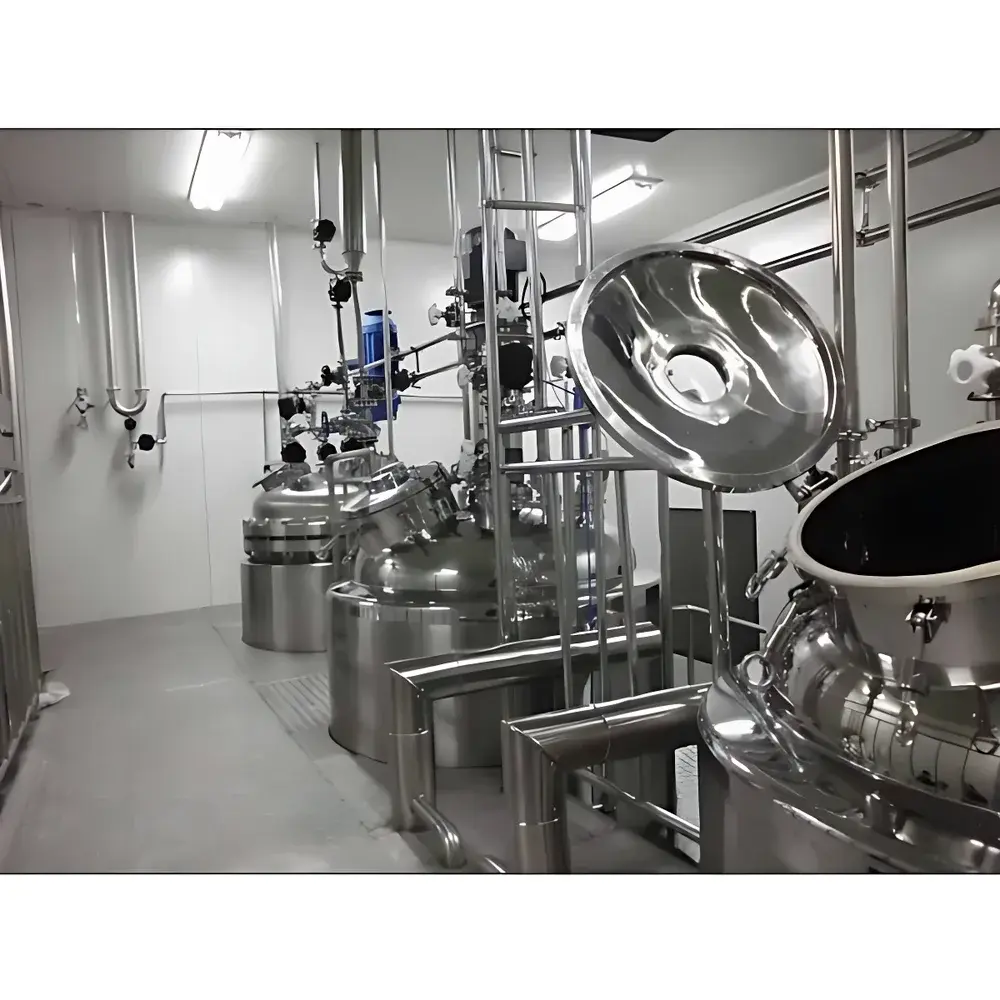
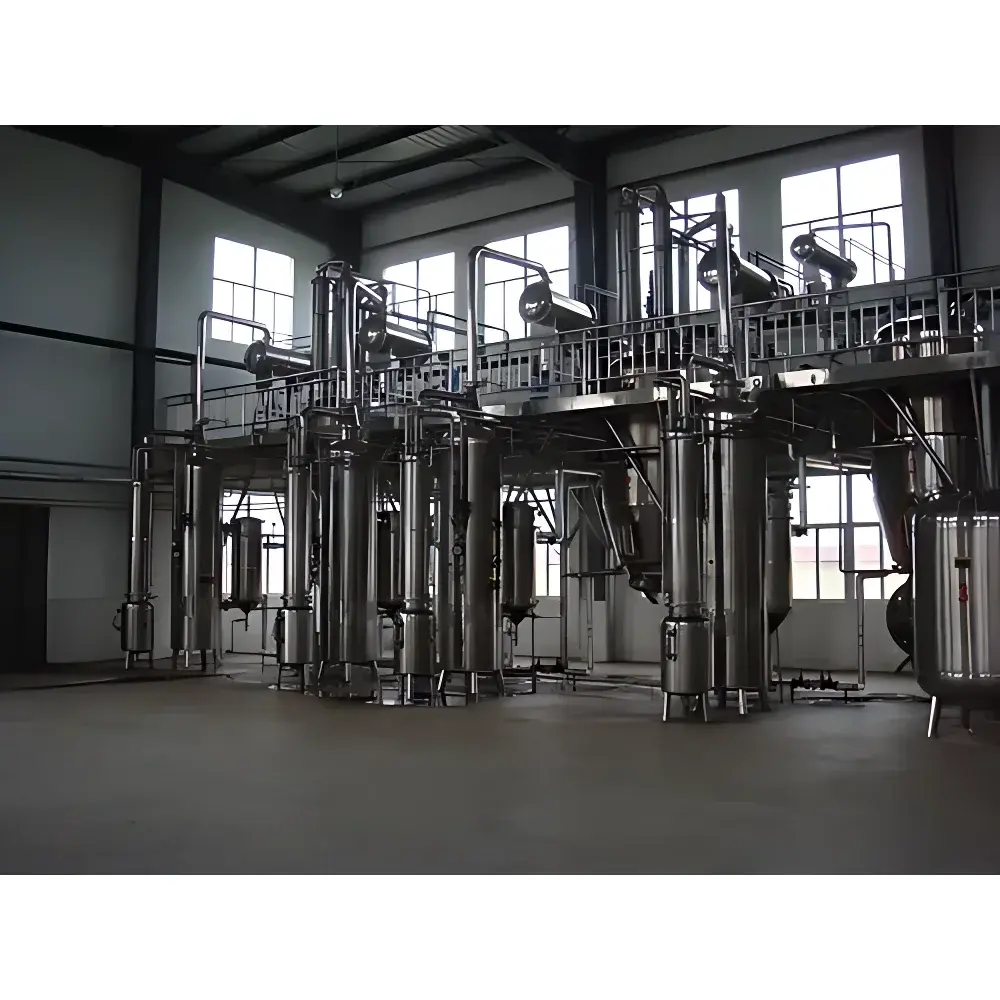
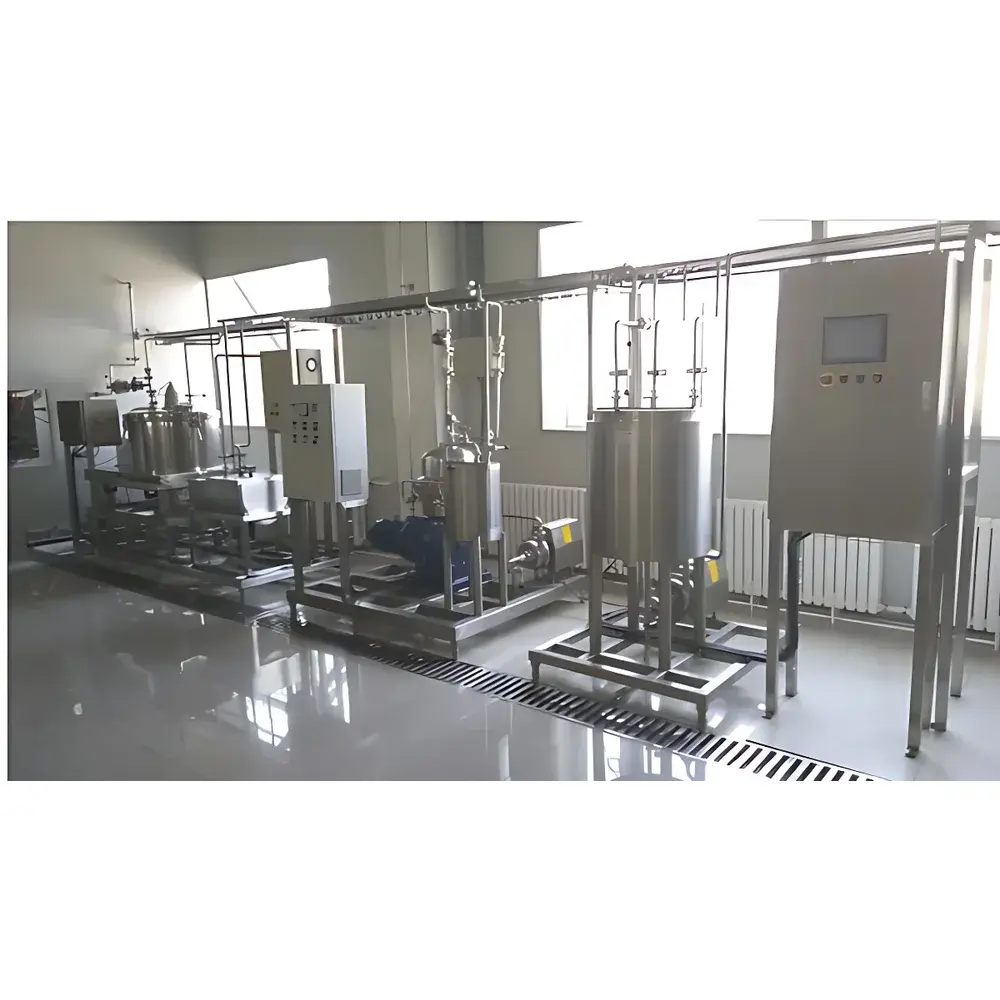
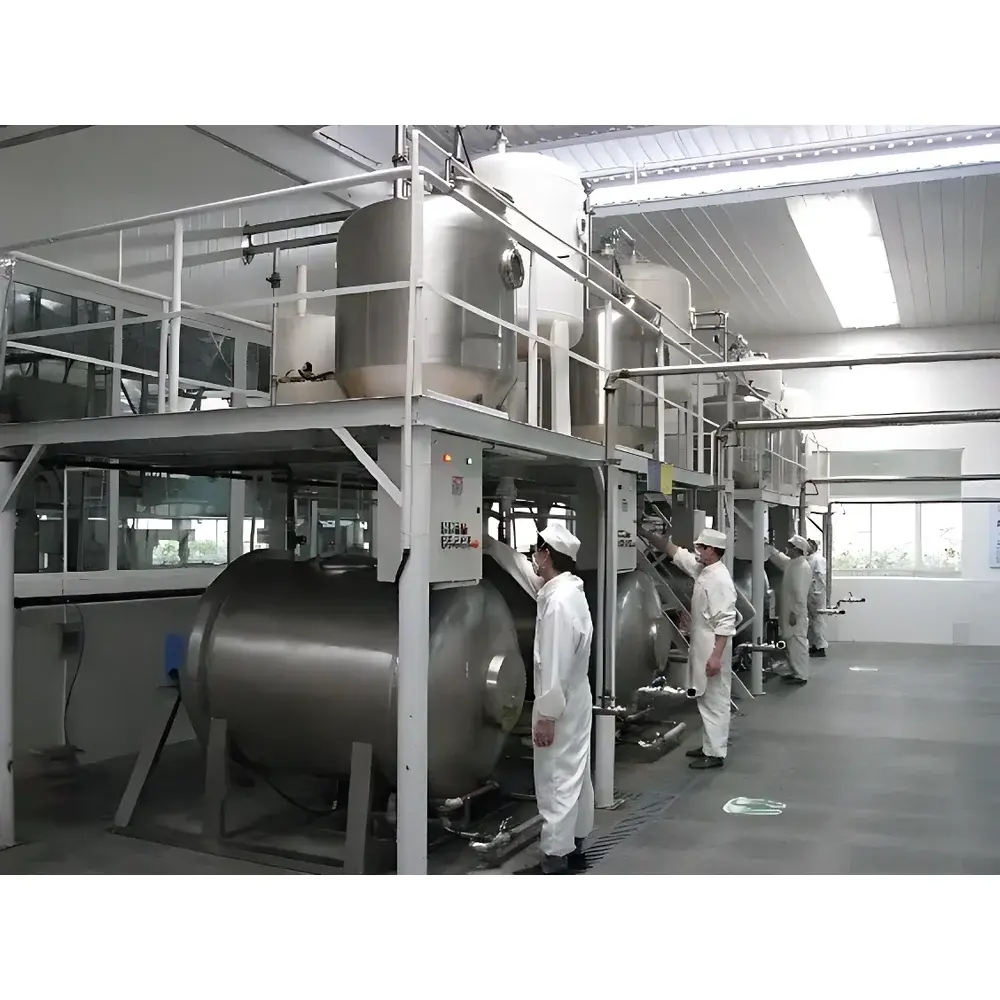
The BIOCOOL JT-100–10000 Collagen Production Line is an integrated, GMP-aligned pilot-to-production-scale system engineered for the enzymatic extraction and downstream processing of native and hydrolyzed collagen from diverse biological matrices—including fish scales, fish skin, bovine bone, porcine bone, and ovine bone. Designed in accordance with core principles of food-grade bioprocessing and pharmaceutical-grade material handling, the line implements a validated sequence of unit operations grounded in controlled enzymolysis kinetics, thermal stability management, and sterile filtration integrity. The system operates on a continuous-batch hybrid architecture: raw material pretreatment (acid/alkali demineralization and defatting), temperature- and pH-regulated enzymatic hydrolysis (using neutral or alkaline proteases such as Alcalase® or Papain), precision cross-flow or diatomaceous earth filtration, vacuum-assisted thin-film concentration, and final spray-drying under controlled inlet/outlet air thermodynamics. Each module is constructed from ASTM A276 Type 316L stainless steel (with 304 SS used for non-product-contact structural components), ensuring compliance with FDA 21 CFR Part 113 (low-acid canned foods) and ISO 22000 prerequisite program requirements for allergen control and microbial mitigation.
Key Features
- Modular design supporting scalable throughput: nominal capacity range from 100 kg/day (JT-100) to 10,000 kg/day (JT-10000) of dried collagen powder, adjustable via pump speed, residence time, and evaporator load balancing.
- Dual-jacketed, agitated enzymolysis reactors with ±0.5°C PID temperature control and programmable pH dosing (0.1–14.0 range) for reproducible cleavage of triple-helix collagen into bioactive peptides.
- Vertical diatomaceous earth (DE) filter units with pre-coat and body-feed capability, achieving turbidity reduction to <1 NTU and particle retention down to 1 µm—validated per ASTM F838-22 for bacterial challenge testing.
- Single-effect falling-film evaporator with steam economy optimization (0.45 kg steam/kg water evaporation), designed for heat-labile protein preservation and minimal Maillard reaction onset.
- Centrifugal spray dryer equipped with heated inlet air (160–180°C), adjustable atomizer wheel speed (8,000–18,000 rpm), and cyclonic separation with integrated baghouse filtration meeting ISO 14644-1 Class 8 (100,000) cleanroom standards.
- Full sanitary utility integration: double-stage RO purified water system (conductivity ≤1.0 µS/cm), steam tracing for all product-contact lines, and CIP/SIP-ready manifolds with validated flow velocity >1.5 m/s.
Sample Compatibility & Compliance
The JT-100–10000 line accommodates collagen precursors across marine (Type I from fish scale/skin), mammalian (Type I from bovine/porcine bone/tendon), and avian sources. All wet-processing stages comply with EU Regulation (EC) No 178/2002 for food safety and USP “Ancillary Materials for Pharmaceutical Use.” Equipment surfaces meet ASME BPE-2022 surface finish specifications (Ra ≤ 0.8 µm for product contact zones). Documentation packages include FAT/SAT protocols, material traceability dossiers (MTRs), and weld logbooks compliant with ISO 15614-1. Optional validation support includes IQ/OQ documentation aligned with WHO TRS 986 Annex 4 and PIC/S PE 009-15 for contract manufacturing organizations.
Software & Data Management
The production line integrates a CE-marked PLC-based control system (Siemens SIMATIC S7-1200) with HMI interface supporting recipe-driven operation, real-time parameter logging (temperature, pH, pressure, flow rate, conductivity), and audit-trail generation per FDA 21 CFR Part 11 requirements. Data export formats include CSV and PDF; historical records are retained for ≥24 months on encrypted local SSD storage. Optional cloud connectivity enables remote monitoring via TLS 1.2–secured MQTT protocol, with role-based access control (RBAC) and electronic signature workflows for batch record review and release.
Applications
This system serves R&D laboratories, nutraceutical manufacturers, and contract development and manufacturing organizations (CDMOs) engaged in: functional food ingredient production (e.g., collagen peptides for sports nutrition); medical device raw material synthesis (e.g., collagen sponges for wound dressings); cosmetic active ingredient manufacturing (hydrolyzed collagen for dermal fillers and anti-aging serums); and academic research into structure–function relationships of collagen-derived bioactive peptides (e.g., Gly-Pro-Hyp quantification via HPLC-UV post-processing).
FAQ
What raw materials are compatible with this production line?
Fish scales, fish skin, bovine bone, porcine bone, ovine bone, and poultry tendons—provided they meet incoming specification limits for ash content (<12%), fat residue (<3%), and microbial load (total aerobic count <10⁴ CFU/g).
Is the system suitable for GMP-certified facilities?
Yes—the mechanical design, material certifications, and control architecture conform to ISPE Baseline Guide Volume 4 (Biotechnology) and EU GMP Annex 15 for qualification of manufacturing equipment.
Can the enzymolysis step be adapted for different protease types?
Absolutely—the reactor’s pH and temperature setpoints are fully programmable, and the dosing system supports liquid or solid enzyme addition with gravimetric feed calibration.
What utilities are required for full operation?
380 V / 50 Hz three-phase power, saturated steam at 0.4 MPa (g), compressed air (oil-free, 0.6 MPa), purified water (double RO + UV), and HVAC supply meeting ISO 14644-1 Class 8 for dry sections.
Does BIOCOOL provide validation documentation?
Standard delivery includes Factory Acceptance Test (FAT) reports and piping & instrumentation diagrams (P&IDs); User Requirement Specification (URS)-driven IQ/OQ protocols are available as a commissioned service.
Related Products




