
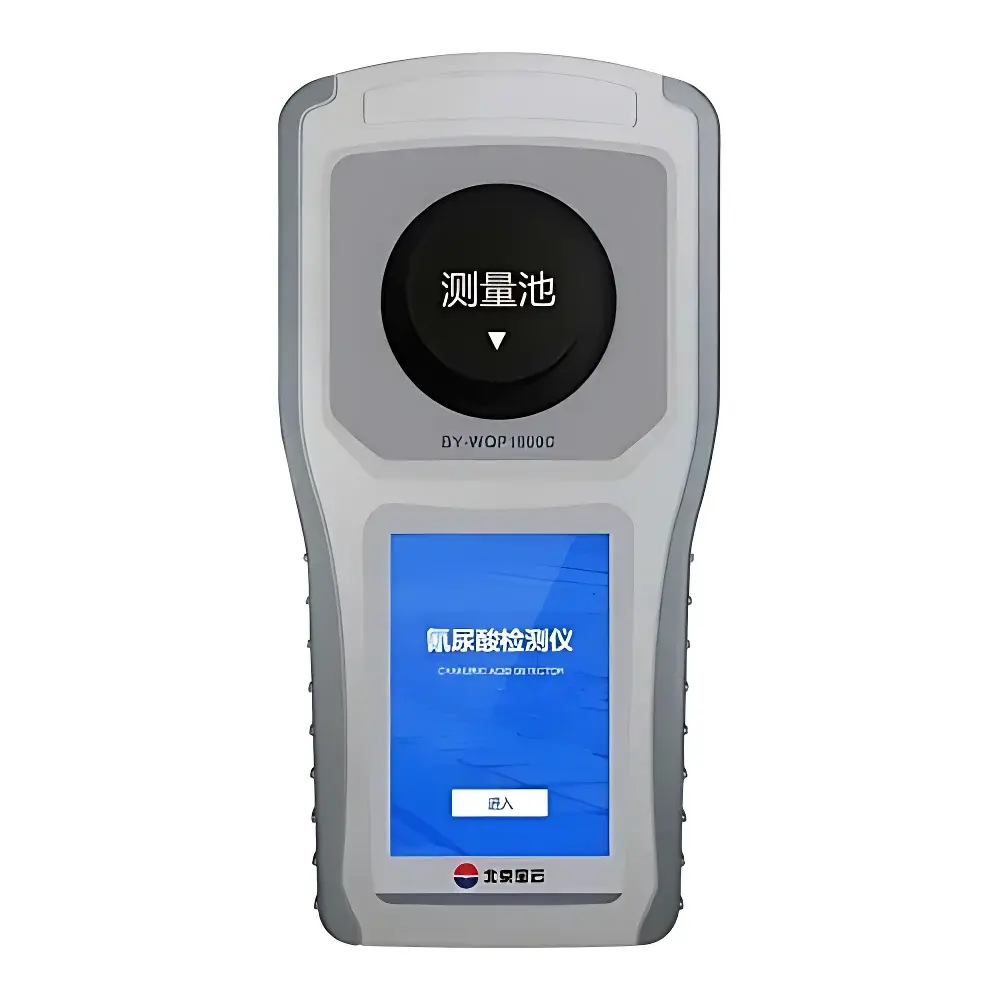
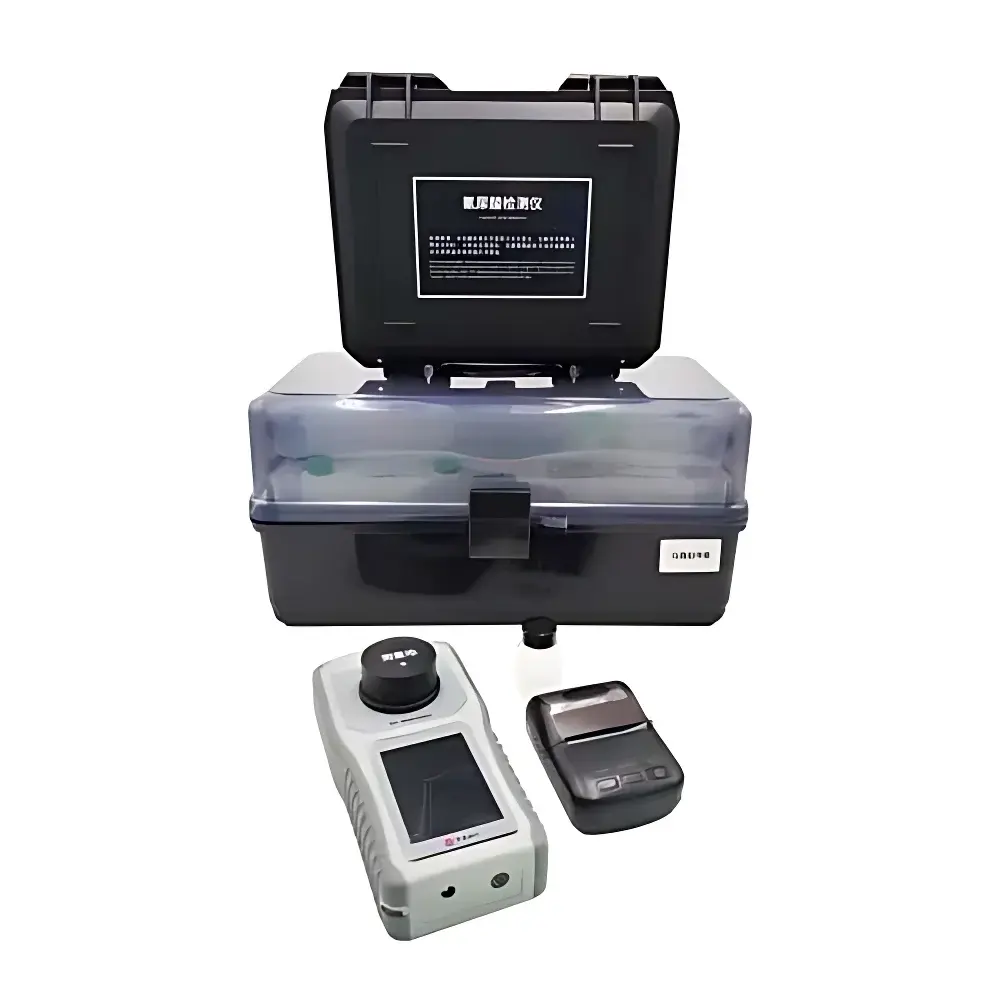
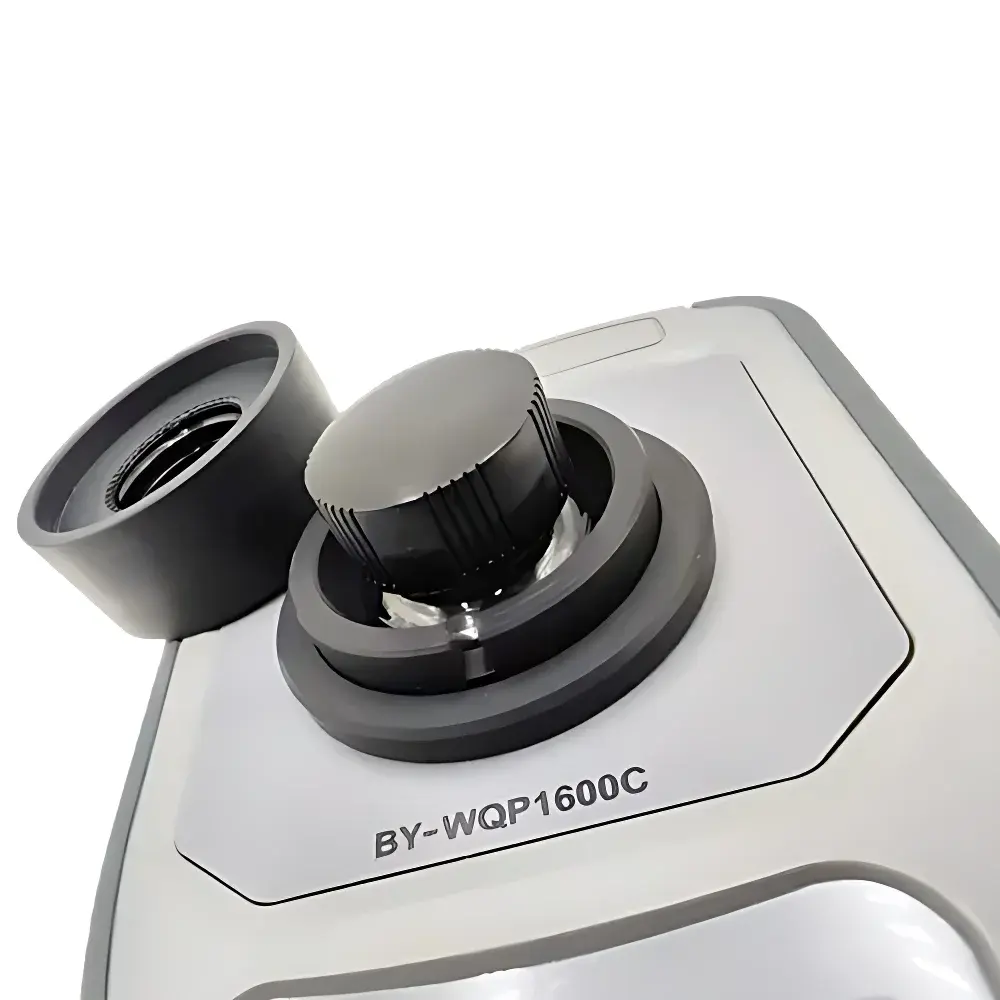
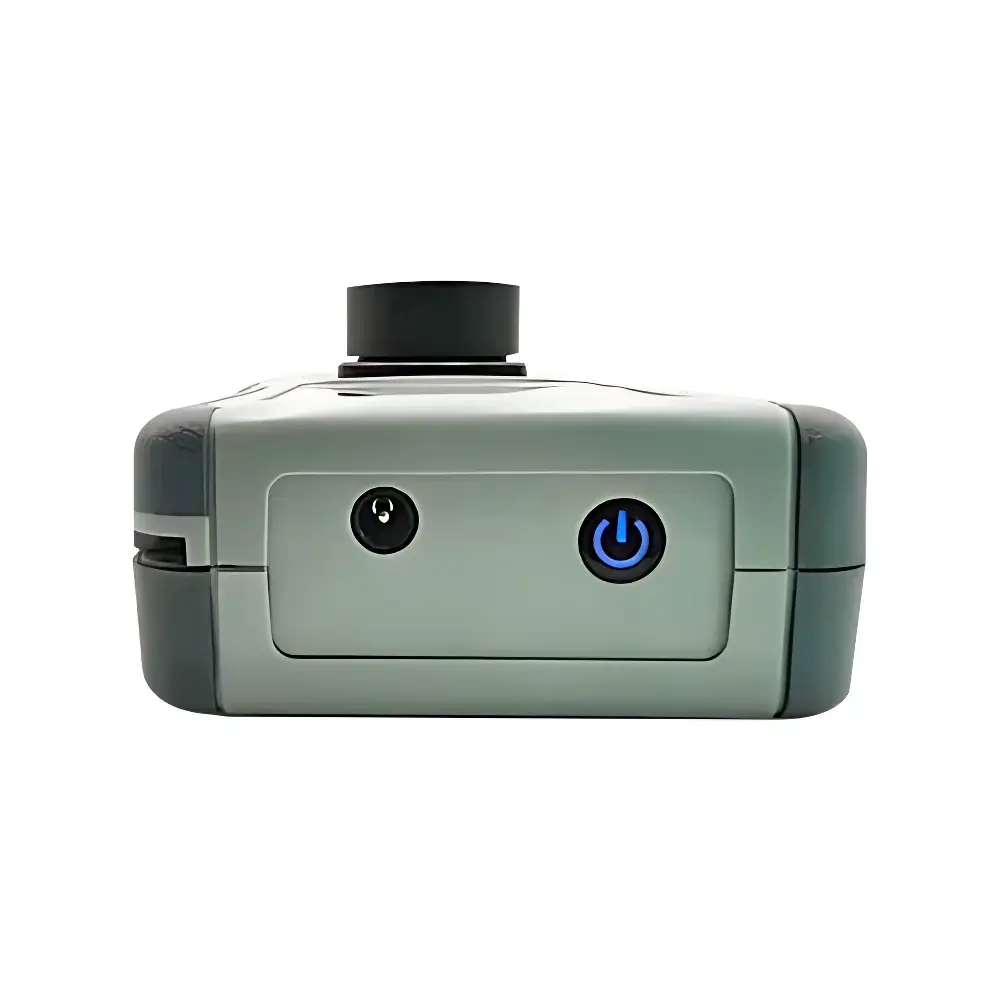
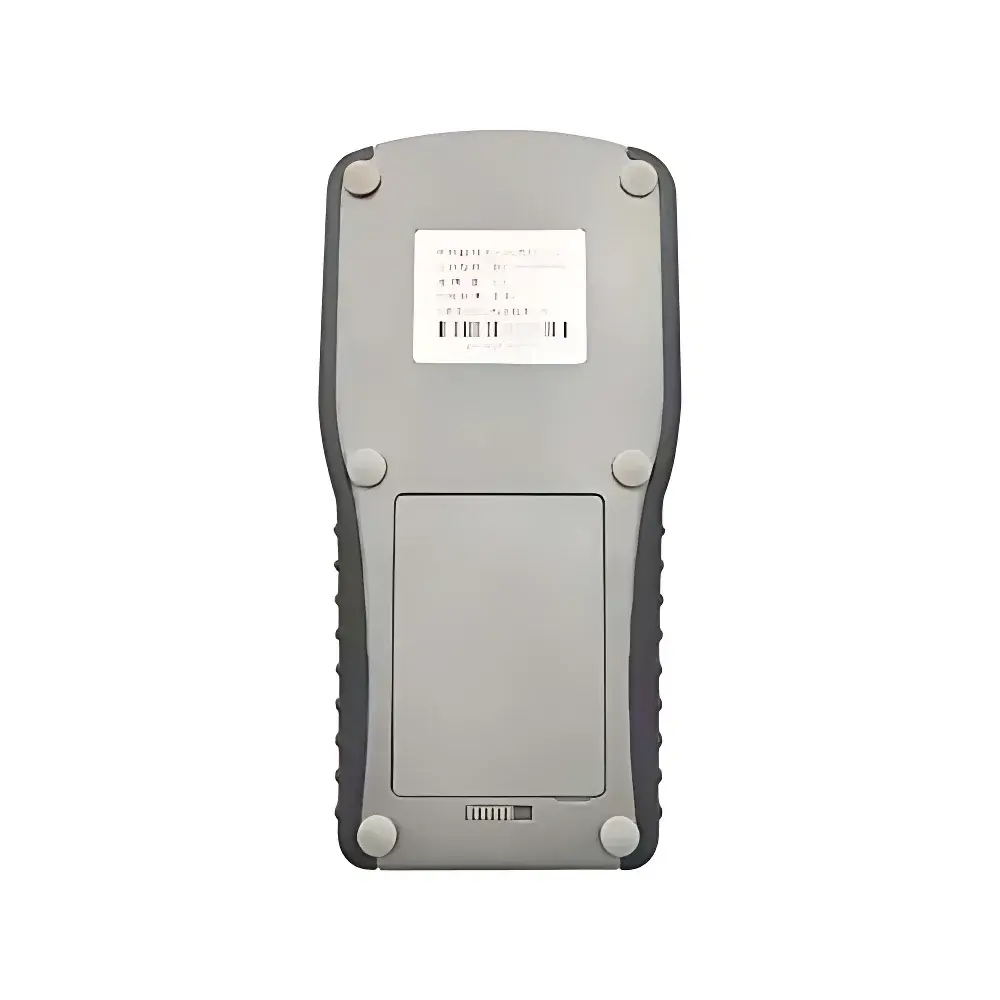
BJBY BY-WQP1600C Cyanuric Acid Water Quality Analyzer
| Brand | BJBY |
|---|---|
| Origin | Beijing, China |
| Manufacturer Type | Authorized Distributor |
| Product Origin | Domestic (China) |
| Model | BY-WQP1600C |
| Pricing | Available Upon Request |
| Measurement Principle | Turbidimetric Detection via Cyanuric Acid–Melamine Precipitation Reaction |
| Wavelength | 480 nm |
| Range | 5.0–120.0 mg/L |
| Assay Time | 7 min |
| Photometric Method | Reflectance/Transmittance Photometry |
| Accuracy | ±5% of Full Scale |
| Repeatability (RSD) | <0.5% |
| Stability (Drift) | <0.5% over 30 min |
| Optical Sensitivity (Absorbance Resolution) | 0.001 AU |
| Display | 3.5-inch TFT Color Touchscreen |
| Data Storage | ≥2000 Test Records with Timestamp, Sample ID, and Operator Tag |
| Connectivity | Bluetooth 4.2 (Class 2) for Wireless Thermal Printing |
| Power Supply | Rechargeable 8.4 V Li-ion Battery (Integrated, 2500 mAh) |
| Auto-Power-Off | After 120 min Inactivity |
| Operating Environment | 0–40 °C, ≤85% RH (non-condensing) |
| Optical Source | Imported Long-Life Cold LED (Rated Lifetime: 100,000 h) |
| Dimensions | 220 × 120 × 85 mm |
| Weight | 0.82 kg |
Overview
The BJBY BY-WQP1600C Cyanuric Acid Water Quality Analyzer is a field-deployable, photometric turbidimetric instrument engineered for rapid, on-site quantification of cyanuric acid (C₃H₃N₃O₃) in swimming pool water, recreational water systems, and municipal recirculation loops. It operates on the well-established chemical principle of cyanuric acid–melamine co-precipitation: in acidic medium, cyanuric acid reacts stoichiometrically with melamine to form an insoluble white crystalline complex (melamine cyanurate), whose suspension turbidity is directly proportional to cyanuric acid concentration. This turbidity is measured at 480 nm using a calibrated dual-beam optical path and a high-stability cold LED light source. Unlike enzymatic or electrochemical methods, this approach delivers robust performance in chlorinated, high-ionic-strength matrices typical of treated recreational water—without interference from free chlorine, combined chlorine, pH (6.0–8.2), or common hardness ions (Ca²⁺, Mg²⁺). The analyzer conforms to the foundational analytical logic of GB/T 5750.10–2023 (Standard Methods for Examination of Drinking Water – Disinfectants and Related Substances) and aligns with EPA Method 334.0 adaptation principles for turbidimetric cyanurate determination.
Key Features
- Field-optimized portable architecture: Compact footprint (220 × 120 × 85 mm), lightweight design (0.82 kg), and integrated ergonomic grip enable single-hand operation during mobile surveys.
- Dual-mode photometric detection: Simultaneous transmittance and reflectance measurement modes support both clear and mildly colored samples, minimizing matrix-induced bias.
- Industrial-grade 3.5-inch capacitive touchscreen interface with icon-driven navigation—no software training required; intuitive workflow guides users through reagent addition, incubation timing, and measurement initiation.
- Onboard rechargeable 8.4 V lithium-ion battery with real-time state-of-charge display and intelligent power management (auto-shutdown after 2 hours of inactivity).
- Bluetooth 4.2 wireless printing module compatible with certified thermal label printers (e.g., Zebra ZQ510, Bixolon SRP-350III); generates audit-ready reports including date/time stamp, sample ID, operator code, measured value (mg/L), and method reference.
- Cold LED optical system (imported component) ensures wavelength stability (±1 nm at 480 nm), minimal thermal drift (100,000 h mean time between failures).
Sample Compatibility & Compliance
The BY-WQP1600C is validated for use with raw and chlorinated swimming pool water, spa water, cooling tower blowdown, and treated surface water. It tolerates total dissolved solids (TDS) up to 1500 mg/L and free chlorine concentrations up to 10 mg/L without pretreatment. Sample volume requirement is 10.0 mL per test. All internal calibration and verification protocols comply with ISO/IEC 17025:2017 clause 7.7 (Ensuring Validity of Results) and support GLP-aligned documentation workflows. Instrument firmware maintains immutable audit trails for calibration events, user logins, and data export actions—facilitating compliance with U.S. CDC Model Aquatic Health Code (MAHC) Section 4.3.2.2.2 and EU Bathing Water Directive (2006/7/EC) Annex II monitoring requirements.
Software & Data Management
Data are stored locally in non-volatile flash memory with timestamped metadata (date, time, operator ID, sample ID, temperature, and ambient humidity). Each record includes raw absorbance values, calculated concentration, and pass/fail status against configurable alert thresholds (e.g., WHO-recommended 100 mg/L upper limit for stabilized pools). Export options include CSV via Bluetooth or USB-C (optional adapter). Firmware supports remote OTA updates signed by BJBY’s cryptographic key infrastructure. Audit logs meet FDA 21 CFR Part 11 predicate rules for electronic records when paired with validated printer drivers and network authentication protocols.
Applications
- Routine cyanuric acid monitoring in commercial and municipal swimming facilities to prevent chlorine lock and ensure disinfection efficacy.
- Pre-commissioning validation of stabilizer dosing systems in new aquatic installations.
- Regulatory inspections by health departments and environmental agencies performing unannounced site audits.
- Academic laboratory instruction in environmental chemistry and water treatment engineering curricula.
- Contract water testing laboratories requiring NATA-equivalent traceability for accredited cyanuric acid reporting.
FAQ
What is the shelf life of the melamine-based reagent kit?
Reagent vials remain stable for 18 months when stored at 2–8 °C in original sealed packaging. Once opened, use within 90 days under refrigerated, desiccated conditions.
Can the instrument be recalibrated in the field?
Yes—two-point calibration (zero and mid-range standard) is supported using NIST-traceable cyanuric acid reference solutions (5.0 mg/L and 60.0 mg/L), supplied separately or as part of BJBY Calibration Kit CK-WQP1600C.
Is the device suitable for seawater or brackish water analysis?
Not recommended without dilution and ionic strength correction; high chloride (>5000 mg/L) may accelerate precipitate aggregation kinetics and bias low-end measurements.
Does the analyzer meet any international certification standards?
The optical module is CE-marked per EN 61326-1:2013 (EMC) and EN 61010-1:2010 (Safety); full-system conformity assessment for RoHS 2011/65/EU and REACH SVHC is documented in BJBY Technical File TF-BY-WQP1600C-EN.
How is data integrity ensured during Bluetooth transmission?
All wireless data packets are encrypted using AES-128 and authenticated via HMAC-SHA256; pairing requires manual PIN confirmation to prevent unauthorized device association.
Related Products







