
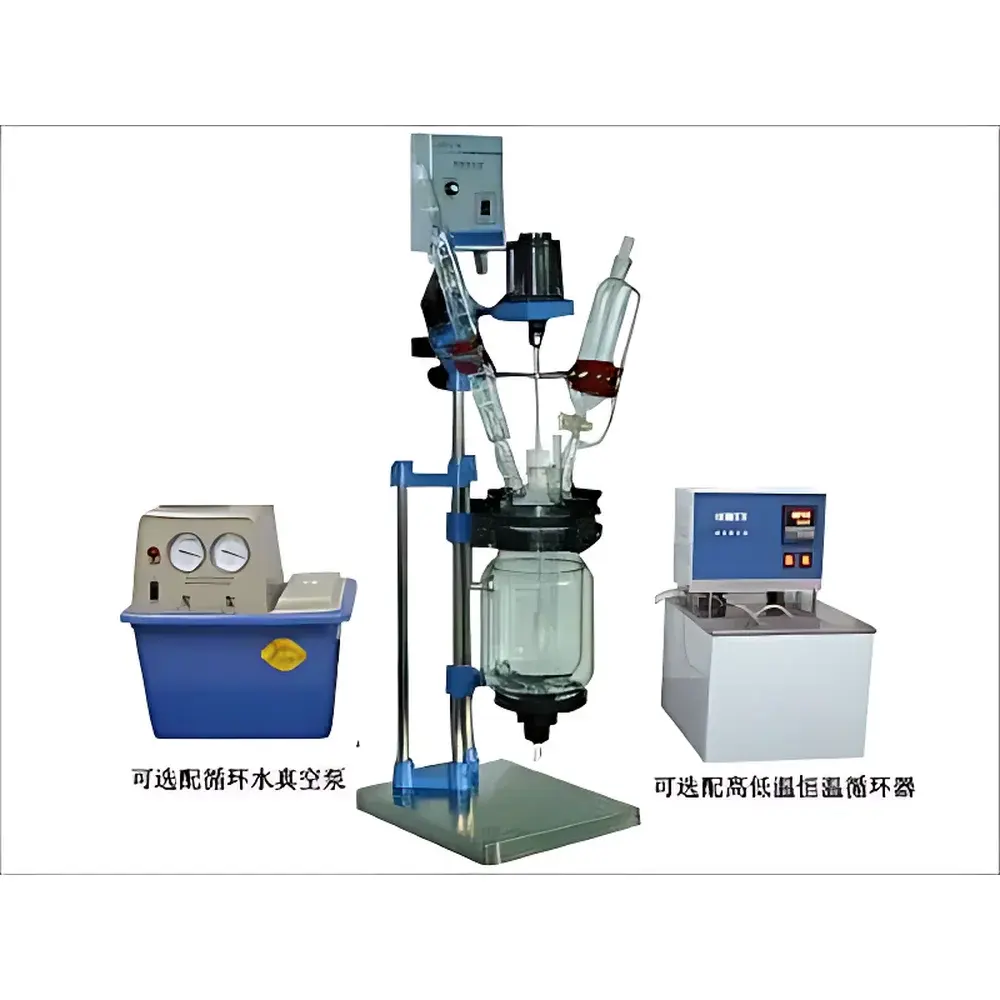
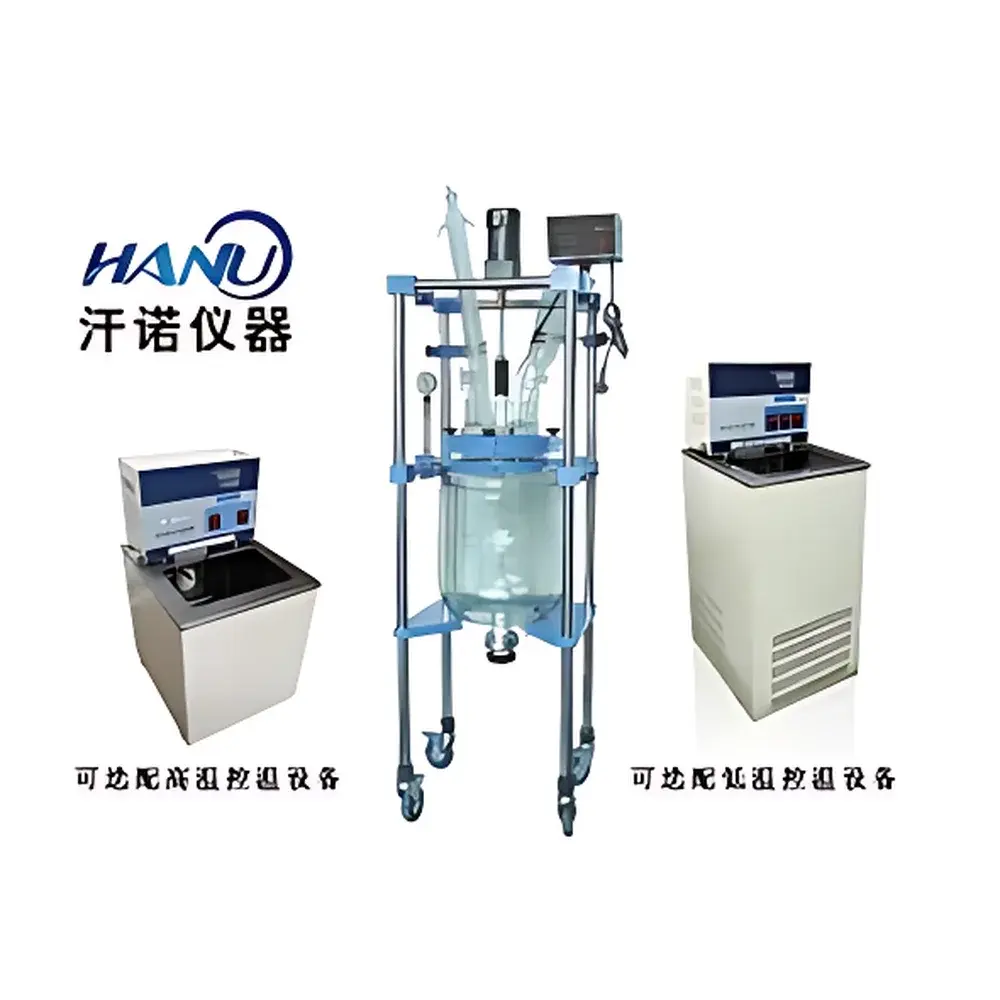
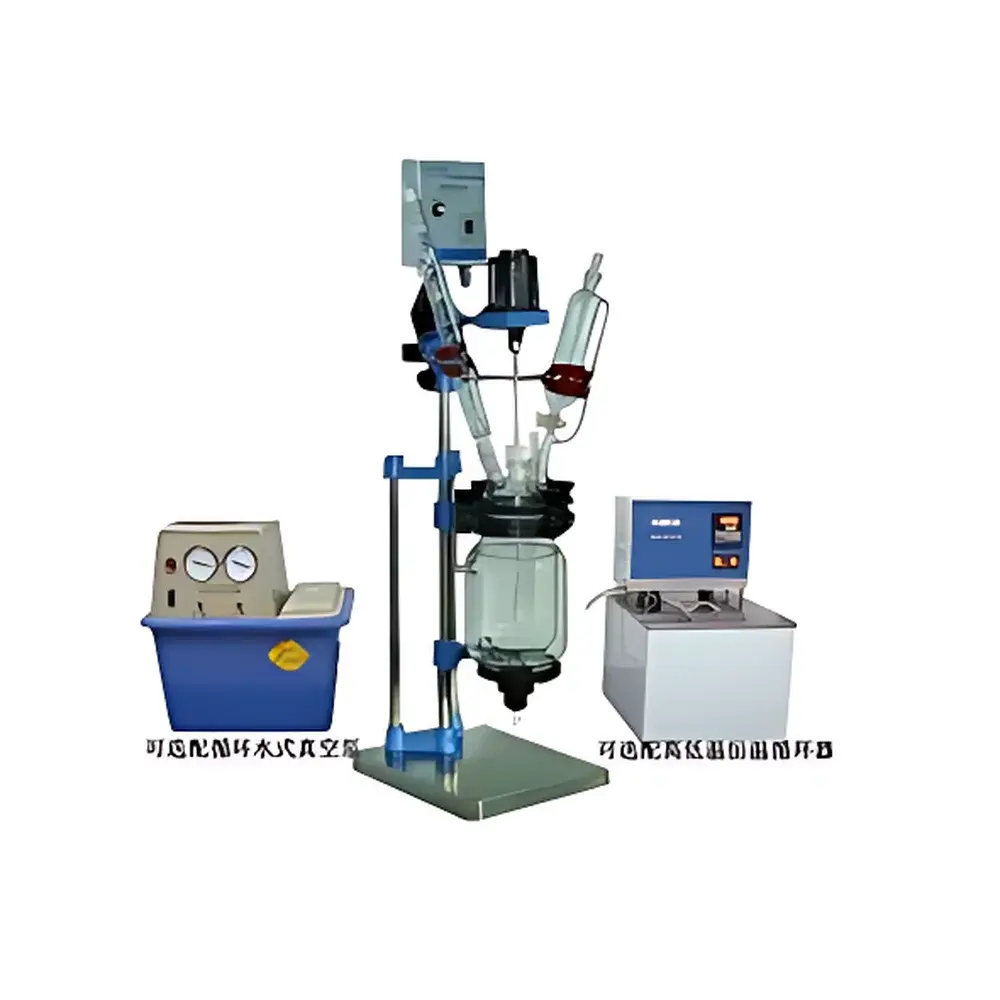
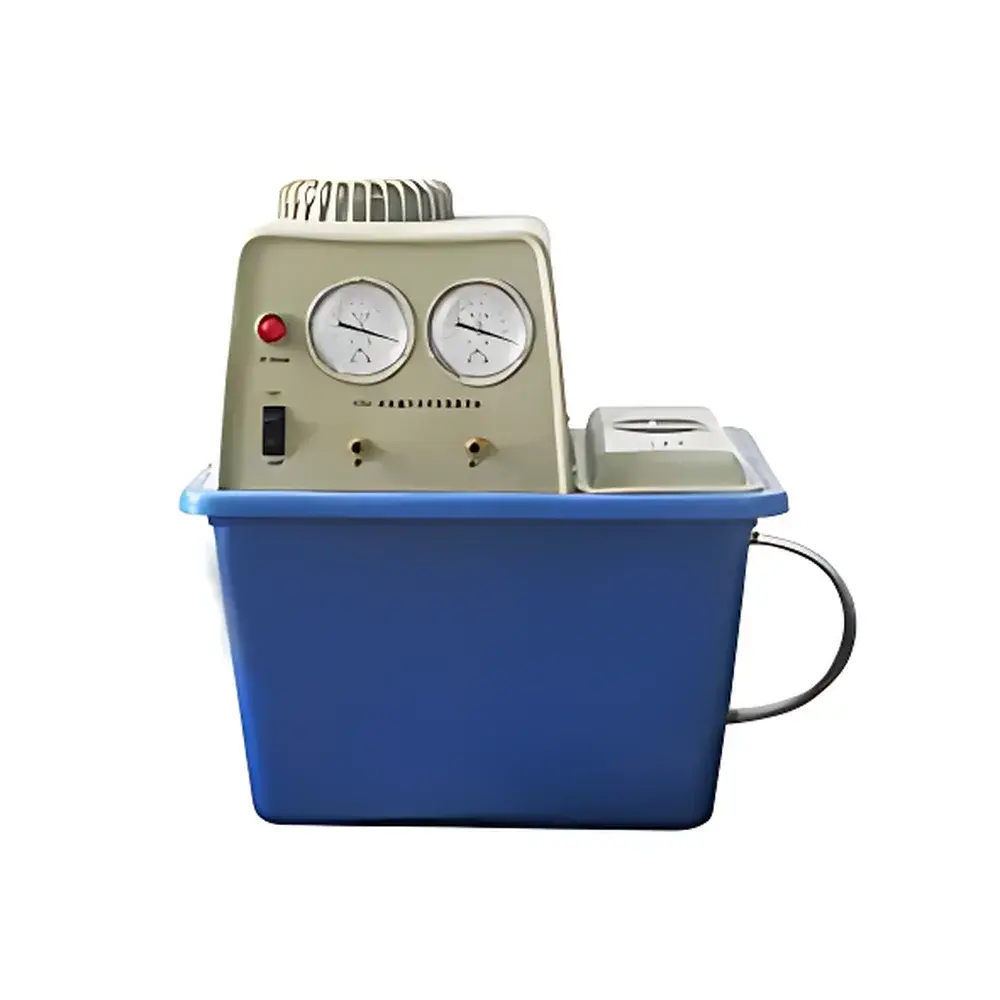
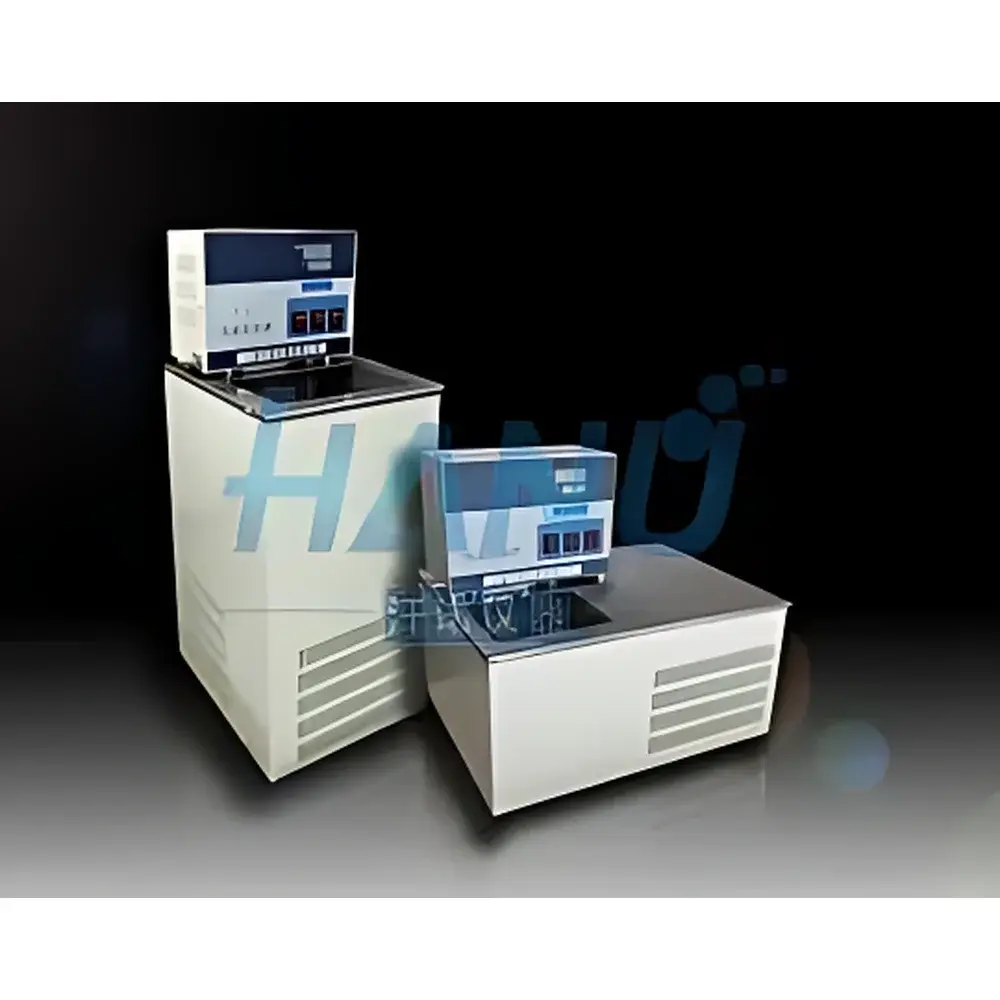
Hanuo HN-Series Dual-Jacketed Glass Reactor (1L–5L)
| Brand | Hanuo |
|---|---|
| Origin | Shanghai, China |
| Manufacturer Type | Authorized Distributor |
| Country of Origin | China |
| Model Range | HN-1L, HN-2L, HN-3L, HN-5L |
| Vessel Capacity | 1–5 L |
| Construction Material | GG17 borosilicate glass (ISO 3585 compliant) |
| Jacket Configuration | Double-wall vacuum-insulated |
| Operating Pressure | Ambient to –0.1 MPa (vacuum capable) |
| Stirring Motor | AC induction, brushless, variable-frequency drive |
| Speed Range | 50–800 rpm |
| Motor Power | 40 W (HN-1L), 90 W (HN-2L to HN-5L) |
| Max Torque | 2400 g·cm (HN-1L), 5000 g·cm (HN-2L–HN-5L) |
| Inner/Outer Diameter | 150×180 mm (1L/2L), 200×230 mm (3L/5L) |
| Lid Port Configuration | Central 50# standard taper, left 29#, right 24#, front 14# or 19#, rear optional (24# on HN-3L/HN-5L) |
| Bottom Discharge | PTFE-coated stainless steel valve with ISO-KF or DIN 2817 flange interface |
| Cooling/Heating Interface | Dual 1/2" NPT jacket inlets with thermal fluid compatibility up to 200 °C (heat transfer oil) and down to –80 °C (ethanol/dry ice or chiller) |
Overview
The Hanuo HN-Series Dual-Jacketed Glass Reactor is an engineered laboratory-scale synthesis platform designed for controlled chemical reaction, reflux, distillation, and temperature-sensitive process development under ambient, pressurized, or vacuum conditions. Built upon the fundamental principle of double-wall thermal regulation—where the annular jacket enables precise external heat exchange while the inner vessel maintains reaction integrity—the system supports both exothermic and endothermic processes via circulating thermal fluids (e.g., silicone oil, glycol/water mixtures, or cryogenic coolants). Its GG17 borosilicate glass construction complies with ISO 3585 specifications for hydrolytic class HGB 1, ensuring long-term resistance to alkalis, acids, and thermal shock across a wide operational range (–80 °C to +200 °C jacket temperature; –20 °C to +150 °C internal working temperature, depending on pressure and solvent). The reactor operates as a closed, modular system compatible with auxiliary glassware (condensers, dropping funnels, gas inlets, thermowells) via standardized taper joints (14#, 19#, 24#, 29#, 50#), enabling rapid reconfiguration for multistep synthetic workflows.
Key Features
- Brushless AC induction motor with frequency-controlled speed regulation (50–800 rpm), delivering stable torque output without electrical arcing—critical for use in flammable solvent environments and GMP-aligned laboratories.
- GG17 borosilicate glass body and lid conforming to ISO 3585 and ASTM E438 Type I, Class A specifications, offering ≤0.1 mm/m linear thermal expansion and >500 MPa tensile strength.
- Dual-port jacket design with 1/2″ NPT connections allows simultaneous inlet/outlet flow for uniform thermal distribution; validated for continuous operation at ±0.5 °C stability under PID-controlled recirculating chiller or heating circulator.
- Five-port interchangeable lid (standard on all models) includes central 50# main opening for mechanical stirrer shaft, lateral ports for inert gas purging, temperature monitoring, addition funnels, and vacuum lines—optimized for Schlenk-line integration.
- Bottom discharge assembly features a PTFE-sealed stainless steel valve with full-bore flow path and ISO-KF 25 or DIN 2817 flange options, eliminating dead volume and supporting quantitative solid/semi-solid product recovery.
- Integrated support frame with adjustable height and clamping mechanism ensures mechanical stability during high-torque stirring and vacuum cycling; load-rated for maximum vessel weight plus contents (up to 8 kg for HN-5L).
Sample Compatibility & Compliance
The HN-Series accommodates heterogeneous, homogeneous, and catalytic reaction systems—including Grignard, lithiation, hydrogenation (with Pd/C or Raney Ni), polymerization, and crystallization protocols. Its inert glass surface prevents metal leaching and adsorption artifacts, making it suitable for pharmaceutical intermediate synthesis where elemental impurity control (ICH Q3D) is required. The system meets structural requirements for GLP-compliant reaction documentation when paired with calibrated PT100 sensors and validated data loggers. Vacuum operation conforms to ASTM D2879 for boiling point determination under reduced pressure. All glass components are traceable to batch-certified raw material logs per ISO 9001 manufacturing records.
Software & Data Management
While the base unit operates via analog speed controller, optional digital upgrade kits include RS485 Modbus RTU interface for integration into LabVantage, DeltaV, or custom SCADA environments. When coupled with third-party temperature controllers (e.g., Huber Unistat or Julabo F25), real-time jacket temperature, internal probe readings, and stir speed can be logged with time-stamped audit trails compliant with FDA 21 CFR Part 11 (electronic signatures, user access levels, change history). Data export formats include CSV and XML for LIMS ingestion.
Applications
- Fine chemical process scouting: kinetic profiling of nucleophilic substitution, esterification, and condensation reactions across defined temperature gradients.
- Biopharmaceutical excipient synthesis: solvent-mediated salt formation and co-crystal screening under controlled humidity and vacuum.
- Advanced materials R&D: sol-gel processing of metal oxides (TiO₂, SiO₂), quantum dot nucleation, and conductive polymer emulsion polymerization.
- Academic teaching labs: safe demonstration of reflux, fractional distillation, and inert-atmosphere handling techniques using standardized taper glassware.
- Quality control validation: dissolution testing of active pharmaceutical ingredients (APIs) per USP , requiring precise thermal ramping and agitation consistency.
FAQ
What vacuum level can the HN-Series sustain?
The reactor achieves and maintains ≤10 mbar absolute pressure when fitted with Viton O-rings and operated within its rated temperature envelope; for sub-mbar applications, optional Kalrez seals and vacuum-rated stirrer seals are available.
Is the system compatible with corrosive reagents such as bromine or anhydrous AlCl₃?
GG17 glass provides excellent resistance to halogens and Lewis acids; however, prolonged exposure to hot concentrated HBr or HF requires evaluation per ASTM C1620 corrosion rate tables—application-specific validation is recommended.
Can the HN-5L model be used for scale-up studies toward pilot plant transfer?
Yes—the HN-Series geometry (height-to-diameter ratio ~1.8) and impeller clearance follow common dimensionless scaling criteria (Reynolds number, power number), enabling direct correlation of mixing efficiency and heat transfer coefficients to larger agitated vessels.
Does the motor meet international electrical safety standards?
All units are supplied with CE-marked power supplies (EN 61000-6-3, EN 61000-6-4) and IP20-rated enclosures; UL/cUL listing is available upon request for North American installations.
How is calibration traceability ensured for temperature and speed measurements?
Factory calibration certificates (NIST-traceable) are provided for included PT100 probes and tachometer modules; users may perform in-house verification using ISO/IEC 17025-accredited reference standards.



