
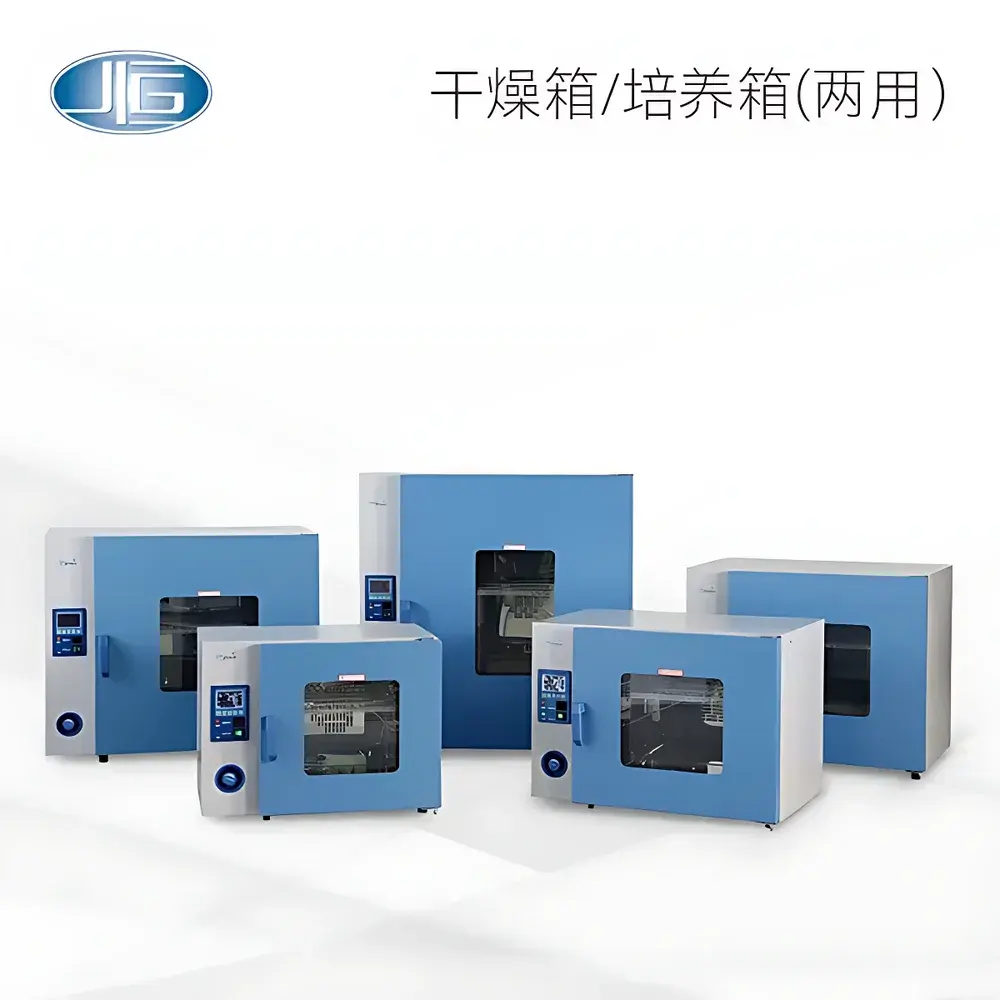
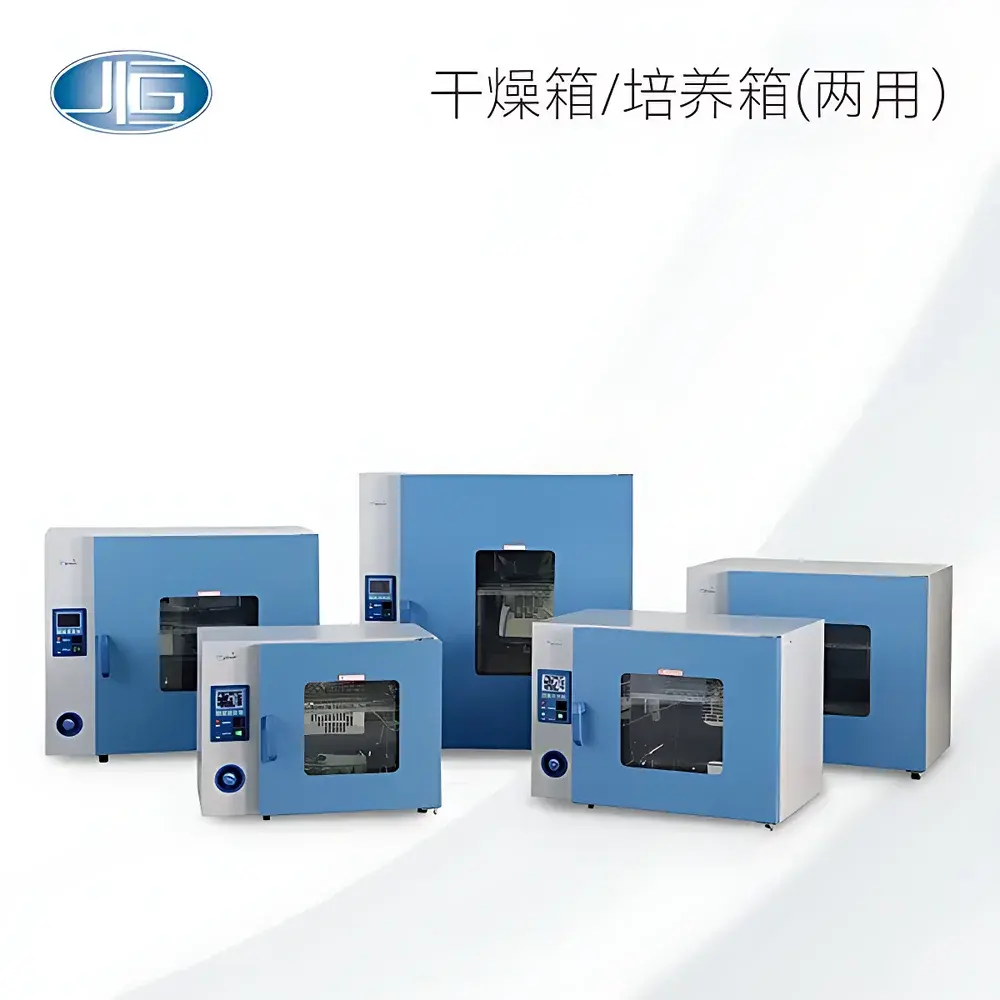
Yiheng PH-030(A) Dual-Function Precision Drying & Incubation Oven
| Brand | Yiheng |
|---|---|
| Origin | Shanghai, China |
| Manufacturer Type | Direct Manufacturer |
| Product Category | Domestic (China-Made) |
| Model | PH-030(A) |
| Instrument Type | Precision Drying Oven |
| Temperature Range (Incubation Mode) | RT+5 to 80 °C |
| Temperature Range (Drying Mode) | 80 to 220 °C |
| Temperature Uniformity (Incubation Mode) | ±0.5 °C |
| Temperature Uniformity (Drying Mode) | ±1 °C |
| Temperature Resolution | 0.1 °C |
| Operating Ambient Temperature | +5 to 35 °C |
| Inner Chamber Material | Mirror-Finish Stainless Steel (SUS304) |
| Heating Method | Forced-Air Circulation Heating |
| External Dimensions | See Manufacturer’s Catalog |
| Internal Chamber Dimensions | See Manufacturer’s Catalog |
| Door Design | Double-Layer Heat-Resistant Glass with Silicone Rubber Gasket |
Overview
The Yiheng PH-030(A) Dual-Function Precision Drying & Incubation Oven is an engineered laboratory platform designed to support both controlled-temperature incubation and high-temperature drying applications within a single, compact chamber. Unlike conventional single-mode ovens, this dual-range system integrates two distinct thermal operating envelopes—RT+5 °C to 80 °C for biological and cell culture incubation, and 80 °C to 220 °C for moisture removal, sterilization validation, and thermal stability testing—without requiring hardware modification or recalibration. Its core architecture employs forced-air convection driven by a rear-mounted centrifugal blower, ensuring laminar airflow distribution across the chamber volume. This circulation design minimizes vertical and horizontal thermal gradients, meeting ISO 15195:2013 requirements for temperature uniformity in dry-heat applications and supporting GLP-compliant environmental conditioning workflows.
Key Features
- Mirror-finish SUS304 stainless steel inner chamber with seamless, radius-rounded corners for ease of decontamination and compliance with ISO 14644 cleanroom maintenance protocols.
- Microprocessor-based LCD controller with real-time digital display, offering 0.1 °C temperature resolution and programmable ramp/soak profiles for process repeatability.
- Forced-air heating system with adjustable air velocity and directional baffles, enabling stable thermal homogeneity (±0.5 °C in incubation mode; ±1 °C in drying mode) across the full working volume.
- Dual-layer heat-resistant glass observation window with integrated silicone rubber gasket seal, providing visual monitoring without compromising thermal integrity or contaminant ingress control.
- Interlocked safety logic: automatic suspension of heating and fan operation upon door opening, eliminating overshoot risk and preserving setpoint stability during sample loading/unloading.
- Modular shelf configuration with vertically adjustable stainless steel trays, accommodating varied vessel heights—from Petri dishes and flasks to weighing boats and desiccation racks.
Sample Compatibility & Compliance
The PH-030(A) accommodates standard laboratory containers including glass petri dishes, borosilicate glassware, aluminum weighing pans, and polymer-based sample holders rated for continuous exposure up to 220 °C. Its chamber geometry supports ASTM E2294-22-compliant thermal mapping studies when used with calibrated thermocouple arrays. The unit complies with IEC 61010-1:2010 safety standards for electrical equipment in laboratory environments and meets EN 60529 IP20 ingress protection rating. While not certified for Class II biosafety or explosion-proof use, its construction satisfies general-purpose regulatory expectations under FDA 21 CFR Part 11 for audit-trail-capable parameter logging (when paired with optional data acquisition modules).
Software & Data Management
The embedded controller supports manual operation via front-panel keypad and provides RS232 serial interface for external data logging. Optional PC connectivity enables time-stamped temperature recording at user-defined intervals (1–60 seconds), generating CSV-formatted output compatible with LIMS integration and 21 CFR Part 11-compliant electronic record systems. Firmware includes password-protected parameter lockout, calibration offset adjustment, and event log storage (last 100 entries), supporting internal quality audits and SOP-driven operational traceability.
Applications
- Moisture content determination per AOAC 950.46 and USP <731> loss-on-drying protocols.
- Thermal aging studies of polymers, adhesives, and pharmaceutical excipients under accelerated conditions.
- Dry-heat sterilization validation for reusable stainless steel instruments (per ISO 17665-1 Annex C).
- Cell culture media preparation, agar plate drying, and enzyme inactivation assays requiring precise sub-80 °C thermal control.
- Stability testing of reference standards and calibration materials per ICH Q1A(R2) guidelines.
- Pre-conditioning of test specimens prior to tensile, hardness, or dimensional analysis per ASTM D618.
FAQ
Can the PH-030(A) operate simultaneously as an incubator and drying oven?
No—dual functionality refers to mode selection, not concurrent operation. Users must manually configure the target temperature range and associated control parameters before initiating a run.
Is the chamber volume suitable for ISO/IEC 17025-accredited calibration labs?
Yes—the chamber’s thermal uniformity performance, combined with accessible sensor porting options, allows implementation of accredited calibration procedures for temperature probes and data loggers.
Does the unit include factory calibration documentation?
Each unit ships with a Certificate of Conformance; NIST-traceable calibration certificates are available as a configurable option upon order.
What maintenance is required to sustain temperature accuracy over time?
Biannual verification using a Class A platinum resistance thermometer (PRT) and periodic cleaning of the air intake filter and blower housing are recommended per Yiheng Maintenance Protocol MP-PH030-2023.
Is remote monitoring supported via Ethernet or Wi-Fi?
Standard configuration includes only RS232; Ethernet or wireless telemetry requires third-party gateway integration and is not natively supported.



