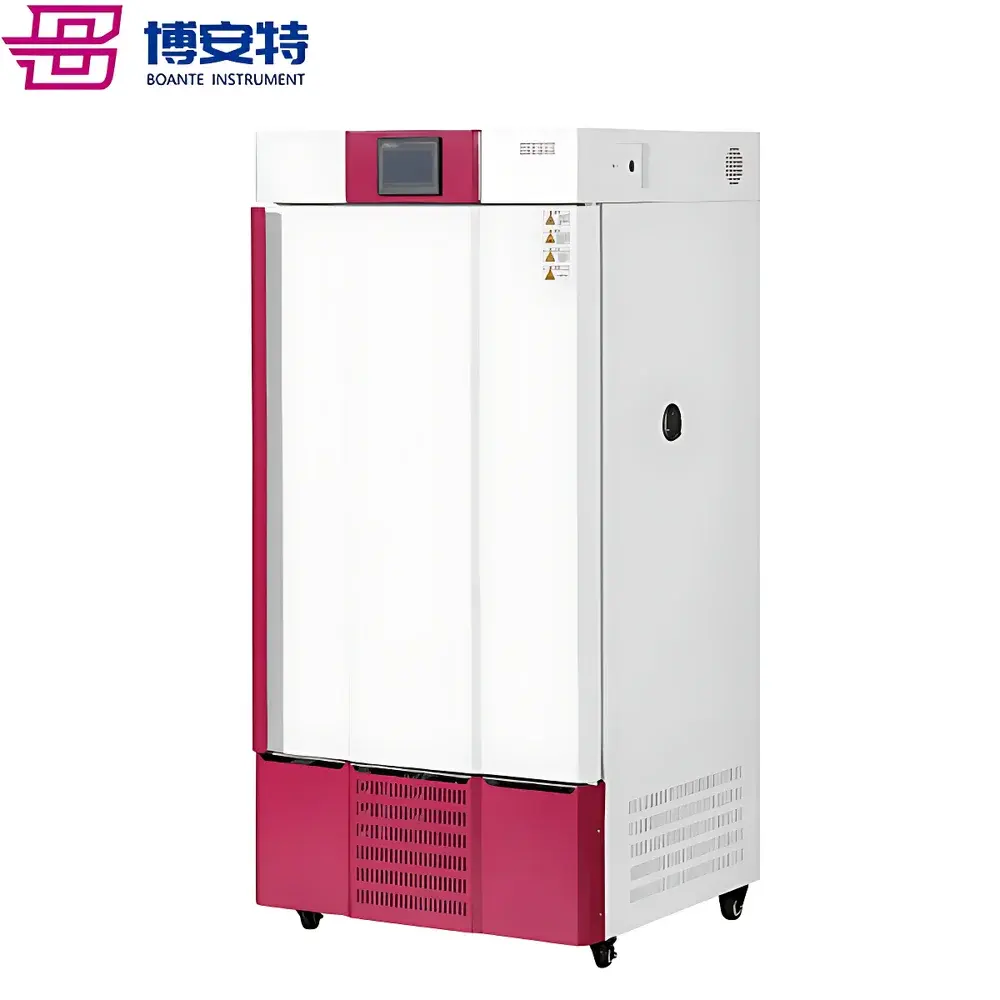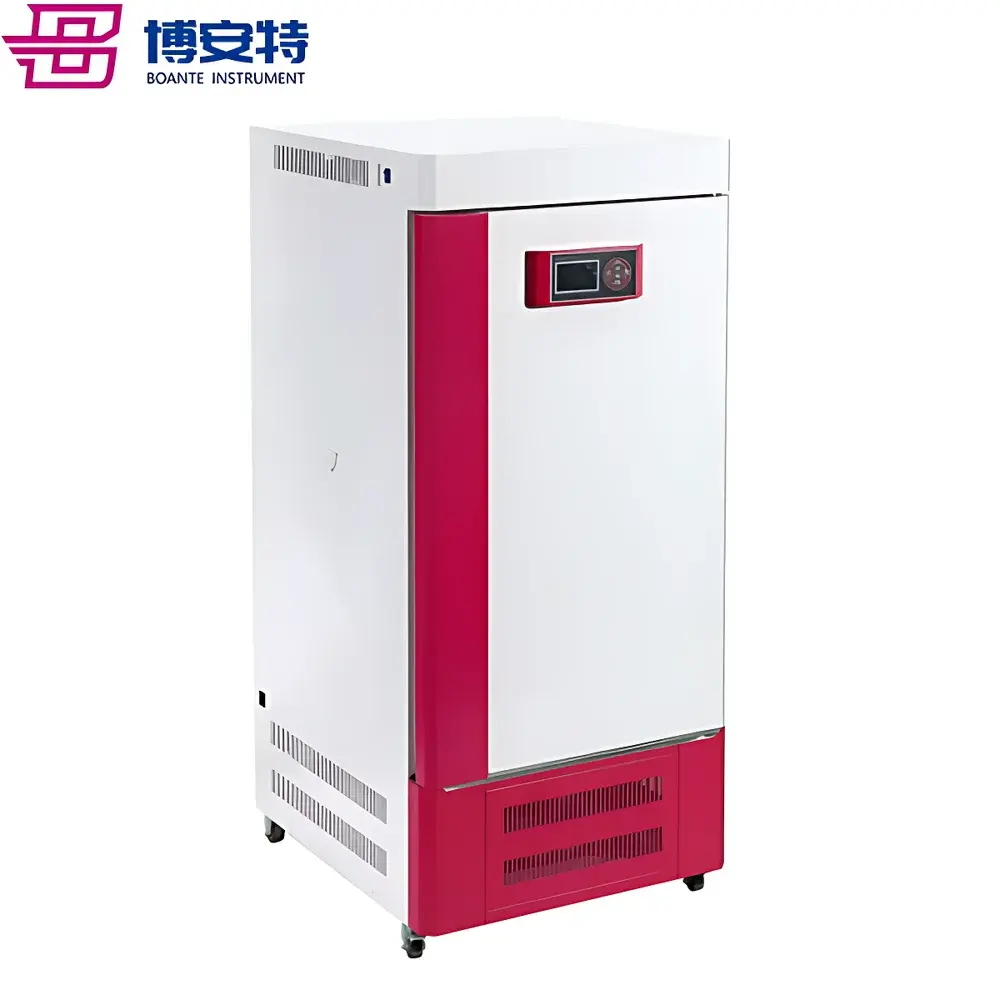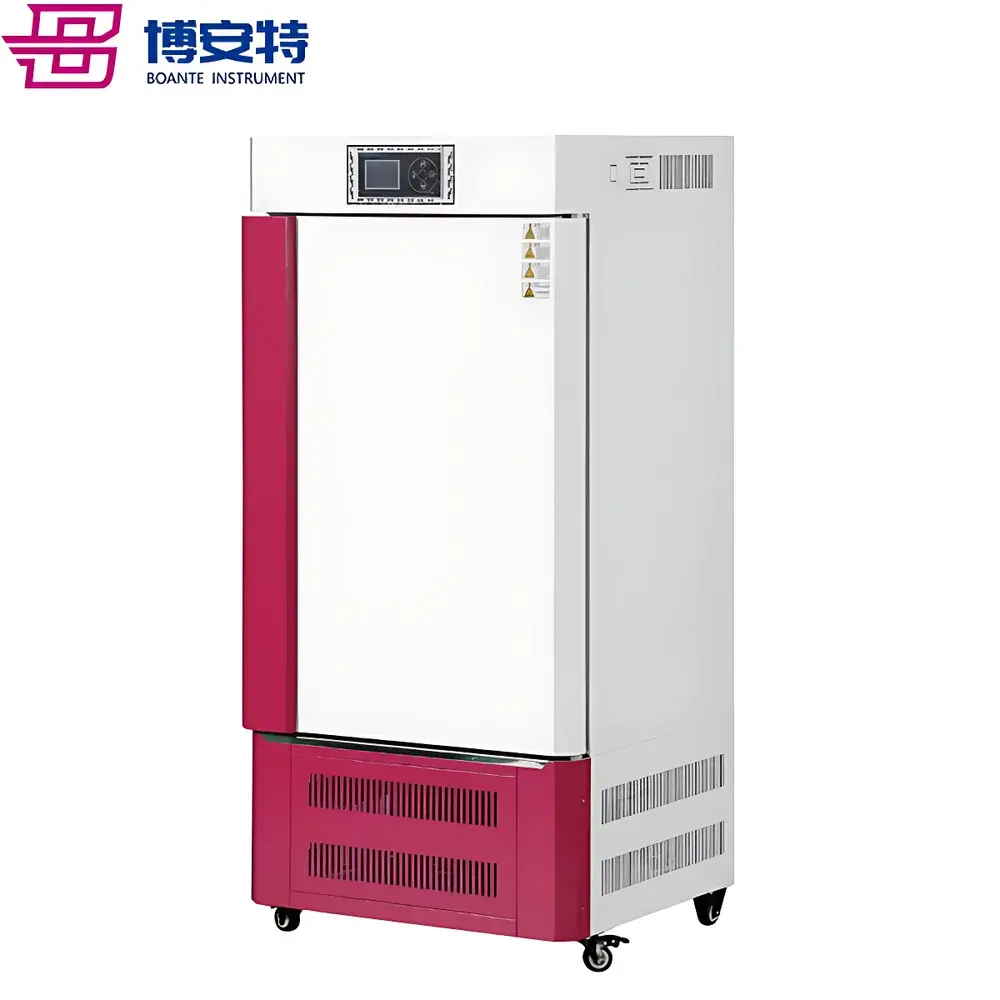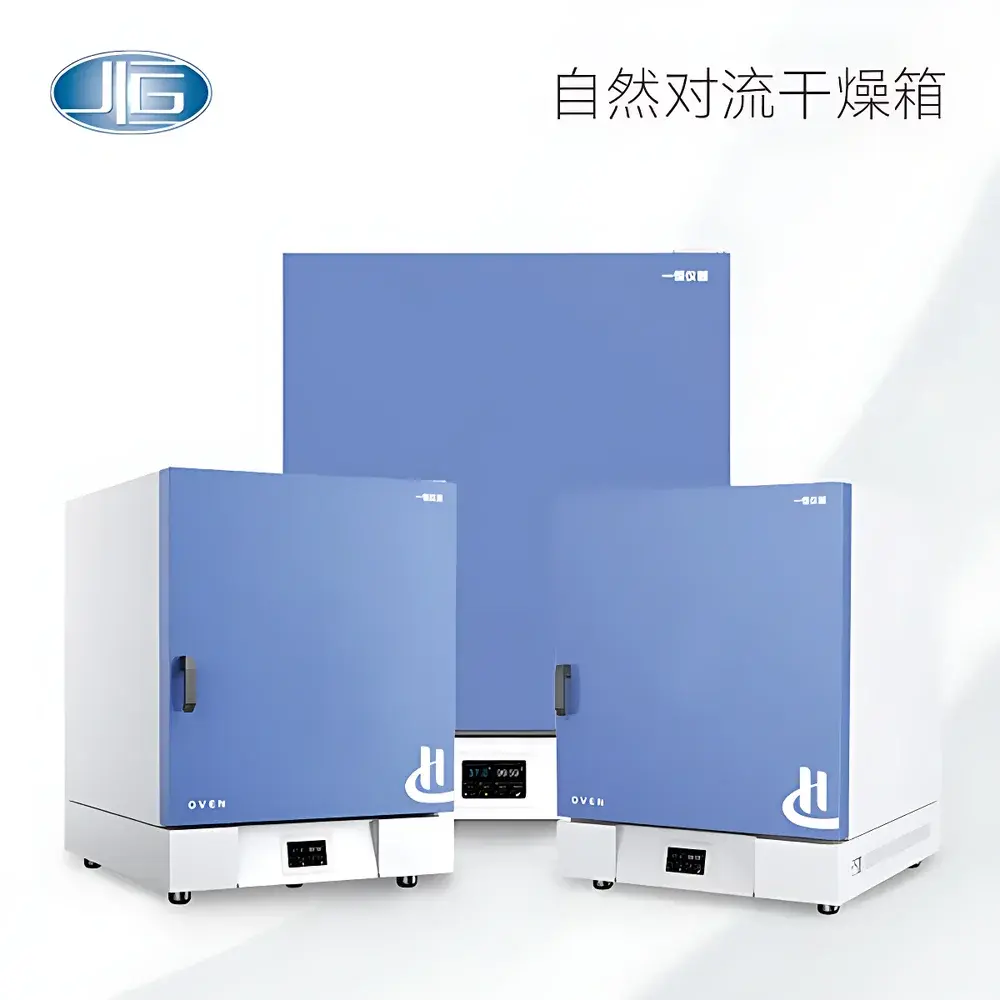
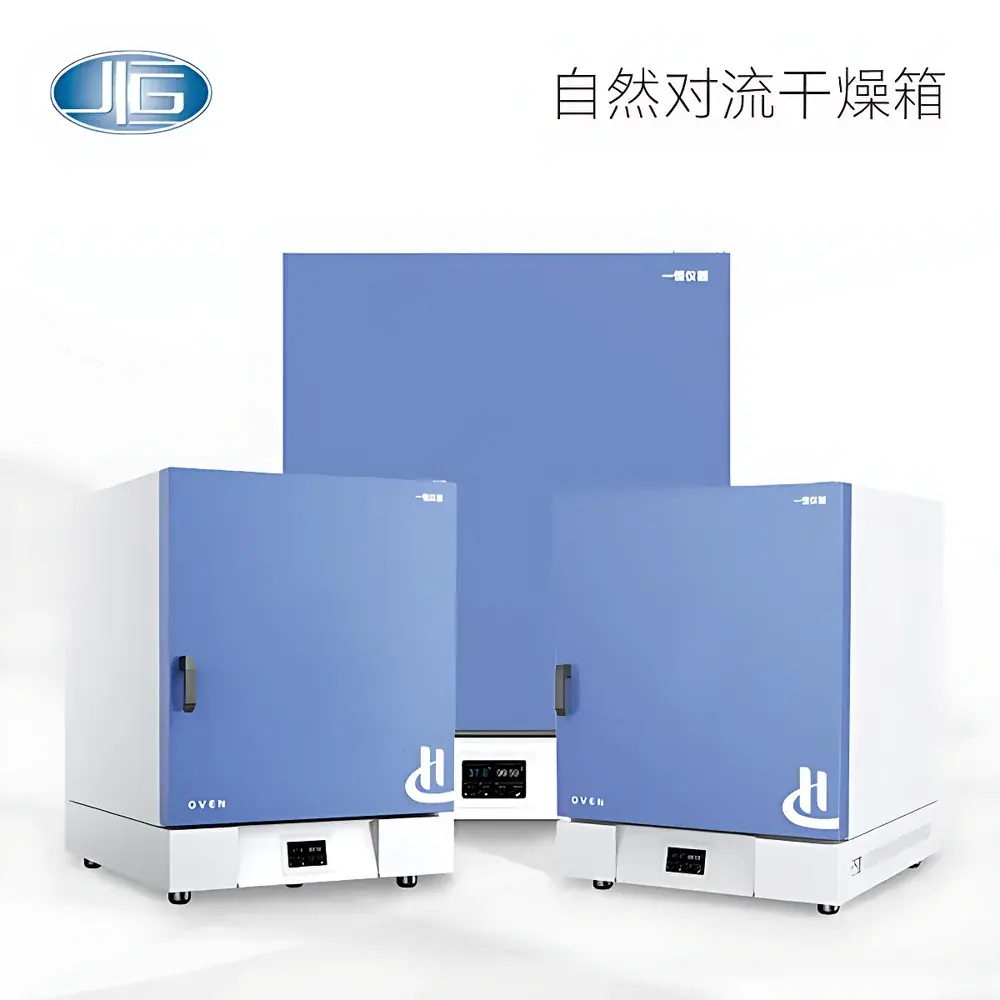
YIHENG DHG-9031T / DHG-9051T / DHG-9091T Natural Convection Electric Constant Temperature Incubator
| Brand | YIHENG |
|---|---|
| Origin | Jiangsu, China |
| Manufacturer Type | Direct Manufacturer |
| Country of Origin | China |
| Model Series | DHG-9031T, DHG-9051T, DHG-9091T |
| Heating Method | Air-Jacketed |
| Air Circulation | Natural Convection |
| Temperature Range | RT+10°C to 200°C |
| Temperature Uniformity | ±0.5°C |
| Internal Chamber Dimensions (W×D×H) | 320 × 300 × 355 mm |
| External Dimensions (W×D×H) | 460 × 520 × 660 mm |
Overview
The YIHENG DHG-9031T, DHG-9051T, and DHG-9091T series are precision-engineered natural convection electric constant temperature incubators designed for controlled thermal processing in life science laboratories, quality control environments, and pharmaceutical R&D settings. Unlike forced-air systems, these incubators rely on passive buoyancy-driven airflow—where heated air rises naturally from the heating elements located at the chamber base or rear wall—eliminating mechanical fans and associated vibration, noise, and particulate disturbance. This thermodynamic principle ensures minimal sample agitation, reduced evaporation risk for open containers, and inherently stable thermal stratification ideal for heat-sensitive applications such as paraffin wax melting, low-temperature sterilization validation, desiccation of biological specimens, and pre-incubation conditioning of culture media. The air-jacketed construction provides uniform thermal insulation and enhances energy efficiency while maintaining structural integrity across extended operation cycles.
Key Features
- Intelligent 4.3-inch capacitive touch interface with real-time display and intuitive parameter setting for temperature, timing, and program stages;
- Electropolished stainless-steel inner chamber with seamless semi-circular corner transitions—designed for easy cleaning, corrosion resistance, and compliance with ISO 14644-1 Class 7 cleanroom-compatible maintenance protocols;
- P.I.D-controlled microprocessor temperature regulator with digital readout, adjustable proportional band, integral and derivative tuning, and built-in timer function for precise thermal management;
- Dual-stage safety architecture: primary P.I.D control loop + independent mechanical over-temperature cutoff system that automatically de-energizes heating elements upon exceeding user-defined safety thresholds;
- Natural convection design eliminates fan-induced turbulence—critical for preserving volatile organic compounds (VOCs), minimizing cross-contamination between adjacent samples, and supporting GLP-compliant documentation workflows;
- Optional RS485 serial interface (Modbus RTU protocol) enables integration into centralized laboratory information management systems (LIMS) or SCADA platforms for remote monitoring and audit-ready data logging.
Sample Compatibility & Compliance
These incubators accommodate a broad range of sample formats including Petri dishes, glass vials, aluminum weighing boats, metal crucibles, and standard tissue culture flasks—provided they remain within the specified internal volume envelope. The absence of forced airflow renders them especially suitable for drying hygroscopic powders, curing polymer-based substrates, and stabilizing calibration standards prior to gravimetric analysis. Units conform to GB/T 23789–2009 (Chinese national standard for electric heating incubators), and their electrical safety design meets IEC 61010-1:2010 requirements for laboratory equipment. When equipped with optional data recording modules, time-stamped temperature logs support 21 CFR Part 11 compliance for electronic records and signatures in regulated pharmaceutical environments.
Software & Data Management
While the base configuration operates via embedded firmware without external software dependency, optional accessories expand digital functionality. The RS485 interface supports bidirectional communication with third-party acquisition software (e.g., LabVIEW, MATLAB, or custom Python scripts using PySerial) for continuous temperature profiling. An optional thermal printer module provides hard-copy output of setpoints, actual chamber temperatures, and elapsed time—useful for batch release documentation under GMP Annex 11. All programmable functions—including up to eight multi-step temperature ramps per profile, variable ramp rates, hold durations (0–5999 minutes per step), and automated power scheduling—are stored in non-volatile memory with battery-backed retention, ensuring program persistence during brief utility interruptions.
Applications
- Controlled dehydration of histological tissue sections prior to embedding;
- Low-temperature sterilization verification using biological indicators (e.g., Bacillus stearothermophilus spores) at 160–180°C for 60–120 min;
- Melting and homogenization of paraffin wax blocks at 58–62°C with minimal oxidation;
- Conditioning of desiccants and reference standards under inert atmosphere (when used inside glove boxes);
- Pre-heating of reagents and solvents to minimize thermal shock during analytical procedures (e.g., HPLC mobile phase preparation);
- Stability testing of excipients and finished dosage forms per ICH Q1A(R2) guidelines under long-term storage conditions.
FAQ
What is the difference between natural convection and forced convection in incubators?
Natural convection relies solely on thermal gradients to drive air movement—warm air rises, cool air sinks—without mechanical assistance. This results in quieter operation, lower maintenance, and less disturbance to delicate samples. Forced convection uses internal fans to accelerate airflow, improving temperature uniformity but increasing noise, dust circulation, and evaporation rates.
Can this incubator be used for cell culture?
No. These models lack CO₂ regulation, humidity control, and HEPA filtration—essential features for mammalian cell culture. They are intended for non-biological thermal processing tasks where sterility is achieved via dry-heat exposure rather than environmental containment.
Is calibration traceable to national standards?
Yes. Each unit ships with a factory calibration certificate referencing NIM (National Institute of Metrology, China) traceable standards. Users may perform field verification using a NIST-traceable PT100 probe and validate against ASTM E2209–21 for dry-heat oven performance qualification.
Does the controller support ramp-and-soak programming?
Yes. The optional multi-segment program mode allows up to eight profiles, each containing eight steps with independent temperature targets, dwell times, and linear ramp rates—enabling complex thermal protocols such as gradual wax solidification or polymer annealing cycles.
What maintenance is required for long-term reliability?
Routine cleaning of the stainless-steel chamber with ethanol or isopropyl alcohol; periodic inspection of door gasket integrity; annual verification of temperature uniformity per ISO 17025-accredited procedures using a 9-point sensor array. No lubrication or fan servicing is needed due to the absence of moving parts in the air path.