
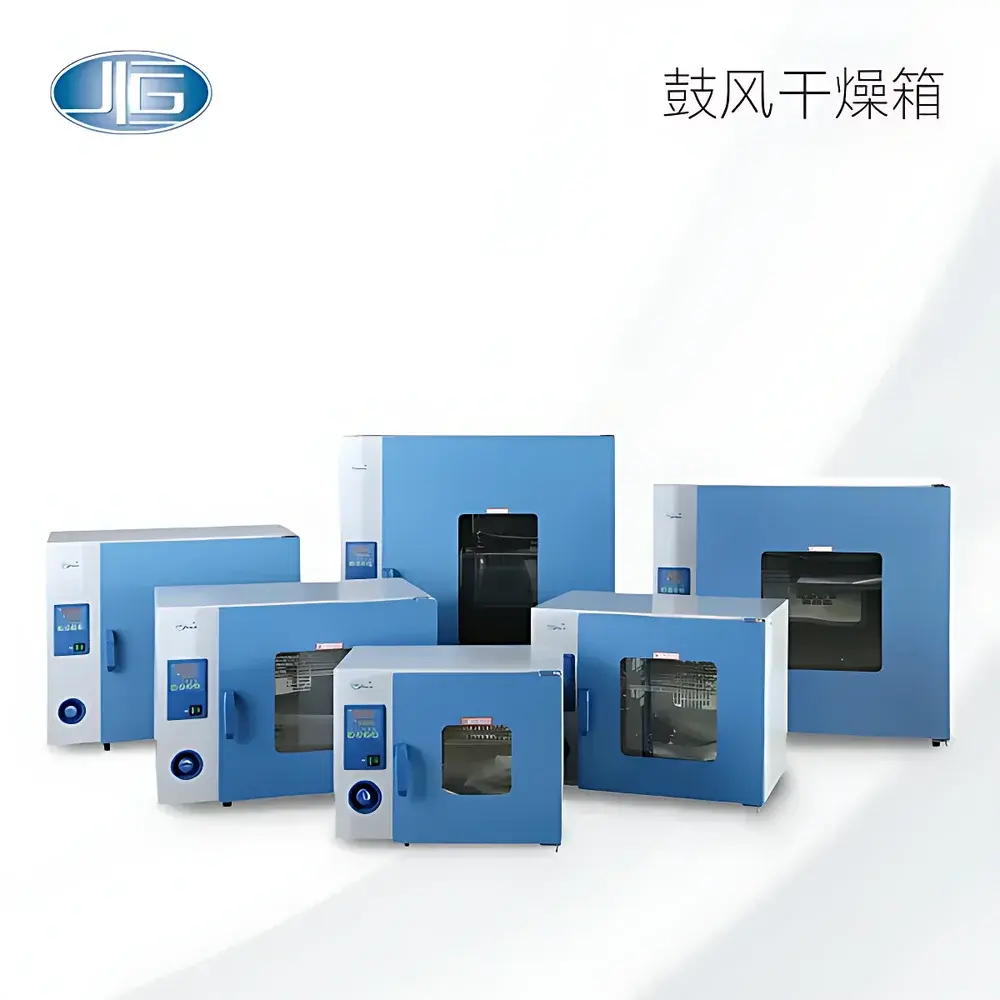
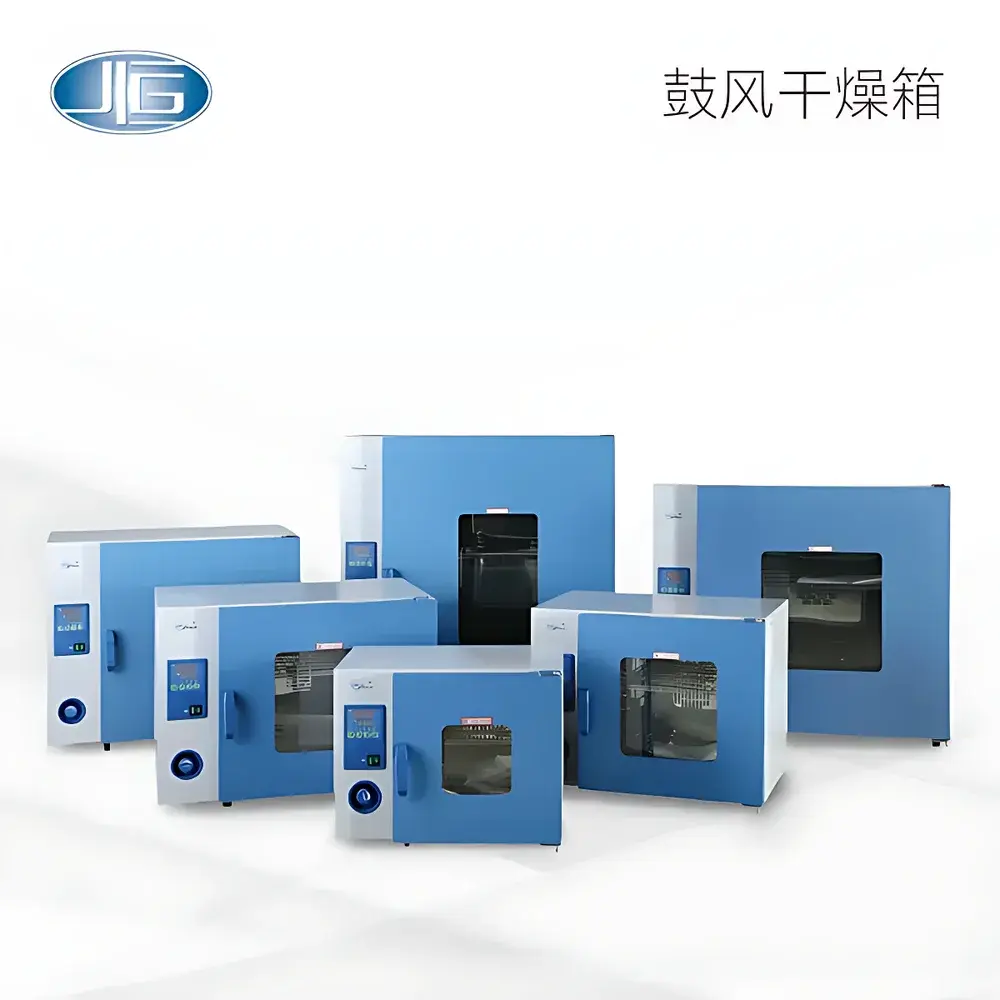
Yiheng DHG-9003 Series Forced-Air Drying Oven
| Brand | Yiheng |
|---|---|
| Origin | Shanghai, China |
| Manufacturer Type | Direct Manufacturer |
| Product Category | Domestic |
| Model | DHG-9003 Series |
| Instrument Type | General-Purpose Laboratory Drying Oven |
| Temperature Range | RT+10°C to 200°C / RT+10°C to 250°C |
| Temperature Fluctuation | ±1°C |
| Temperature Uniformity | ±3% |
| Temperature Resolution | 0.1°C |
| Chamber Material | Mirror-Finish Stainless Steel (AISI 304) |
| Exterior Material | Cold-Rolled Steel with Powder-Coated Finish |
| Heating Method | Forced Convection via High-Temperature Resistant Circulating Fan |
| External Dimensions (W×D×H, mm) | 530×370×420 |
| Internal Chamber Dimensions (W×D×H, mm) | 250×260×250 |
| Optional Features | Independent Over-Temperature Cut-Off Protection, RS485 Communication Interface, Thermal Printer Output |
Overview
The Yiheng DHG-9003 Series Forced-Air Drying Oven is an engineered solution for precise thermal processing in academic laboratories, quality control environments, and industrial R&D settings. Designed around the principle of forced convection heating, this oven ensures rapid heat transfer and consistent temperature distribution across the entire working chamber by circulating heated air via a high-efficiency, high-temperature-rated centrifugal fan. Unlike natural convection ovens, the DHG-9003 series maintains stable thermal conditions under load—critical for moisture content determination, polymer curing, pre-weighing sample conditioning, and residual solvent removal. Its operational range spans from ambient +10°C to either 200°C or 250°C (model-dependent), supporting ISO 5725-compliant repeatability requirements for drying protocols. The chamber’s mirror-finish AISI 304 stainless steel construction resists oxidation and corrosion during prolonged exposure to elevated temperatures, while the insulated double-wall enclosure minimizes external surface temperature rise and improves energy efficiency.
Key Features
- Microprocessor-based P.I.D. temperature controller with digital display, offering real-time setpoint adjustment, ramp/soak programming capability, and ±0.1°C resolution for accurate thermal management.
- Forced-air circulation system optimized for uniform airflow distribution—validated to achieve ±3% temperature uniformity across the full chamber volume per ASTM E145 Annex A2 methodology.
- Dual-layer thermal insulation with mineral fiber packing reduces heat loss and enhances chamber stability under variable ambient conditions.
- Adjustable air inlet and exhaust dampers allow manual optimization of internal atmospheric exchange rate—essential for volatile organic compound (VOC) removal or controlled dehydration kinetics.
- Independent mechanical over-temperature safety cut-off circuit (optional) provides fail-safe interruption independent of the main controller, complying with IEC 61010-1 Class II electrical safety requirements.
- Modular interface options include RS485 serial port (Modbus RTU protocol) for integration into centralized lab monitoring systems and optional thermal printer support for GLP-compliant hard-copy audit trails.
Sample Compatibility & Compliance
The DHG-9003 series accommodates standard laboratory glassware (e.g., Petri dishes, weighing boats, crucibles), metal trays, and ceramic substrates up to maximum dimensions of 600 × 550 × 600 mm (L×W×H). Its non-explosive, non-ventilated design conforms to general-purpose drying applications as defined in USP , ISO 787-2, and ASTM D2240 for thermoset resin conditioning. While not rated for Class I Division 1 hazardous locations, it meets CE marking directives for electromagnetic compatibility (2014/30/EU) and low-voltage safety (2014/35/EU). All units undergo factory calibration verification against NIST-traceable reference thermometers prior to shipment, with documentation available upon request for IQ/OQ validation packages.
Software & Data Management
When equipped with the RS485 interface, the DHG-9003 supports bidirectional communication with third-party SCADA platforms or custom LabVIEW-based data acquisition systems. Real-time temperature logging at user-defined intervals (1–60 s) enables time-series analysis of thermal equilibration behavior. Optional thermal printers generate timestamped records compliant with FDA 21 CFR Part 11 requirements when paired with electronic signature-enabled software. No proprietary software is required; configuration and monitoring can be performed using standard terminal emulators or Modbus-compatible HMI tools. Audit trail functionality—including operator ID, parameter changes, and alarm events—is retained in non-volatile memory for ≥30 days without external power.
Applications
- Moisture content analysis per AOAC 950.46 and ISO 5581 for food, pharmaceutical, and agricultural samples.
- Pre-drying of filter papers, desiccants, and analytical standards prior to gravimetric analysis.
- Curing of epoxy coatings, powder coatings, and adhesive bonds in materials science labs.
- Accelerated aging studies of packaging materials and polymers under controlled thermal stress.
- Stabilization of hygroscopic reagents and calibration standards in metrology laboratories.
- Residual solvent evaporation in synthetic chemistry workflows prior to NMR or chromatographic analysis.
FAQ
What is the maximum operating temperature for the DHG-9003 series?
The standard configuration supports up to 200°C; high-temperature variants extend the upper limit to 250°C. Both versions maintain ±1°C temperature fluctuation under steady-state conditions.
Is the oven suitable for use in GMP-regulated environments?
Yes—when configured with RS485 and thermal printer options, it supports 21 CFR Part 11 compliance through secure user authentication, electronic signatures, and immutable audit logs.
How is temperature uniformity verified across the chamber?
Uniformity is validated using nine calibrated PT100 sensors placed at standardized locations (center and eight corners) per ASTM E145 Table 1, with results documented in the Certificate of Conformance.
Can the unit be integrated into a building management system (BMS)?
Yes—via Modbus RTU over RS485, enabling remote status monitoring, setpoint updates, and alarm notification routing to centralized infrastructure.
What maintenance is required for long-term reliability?
Annual verification of sensor accuracy and fan performance is recommended. The silicone-based door gasket requires replacement every 24–36 months depending on usage frequency and temperature cycling profile.



