
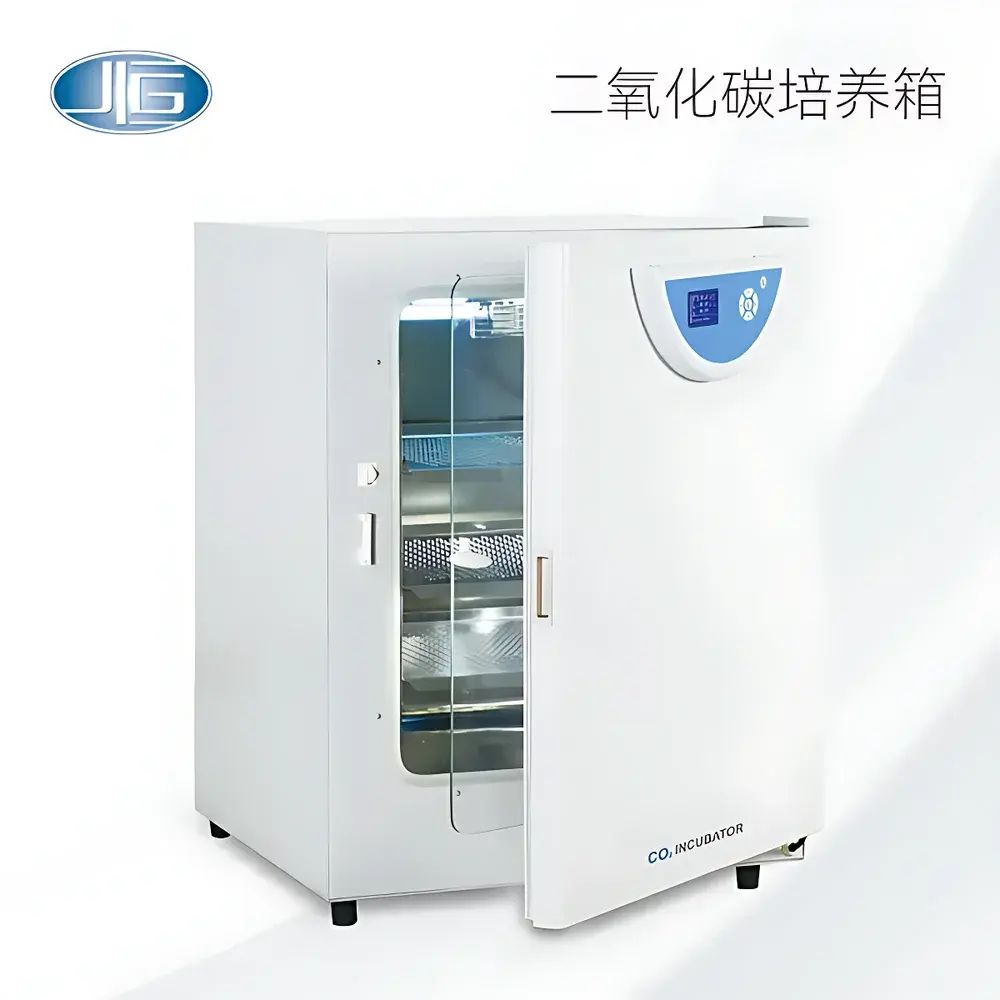
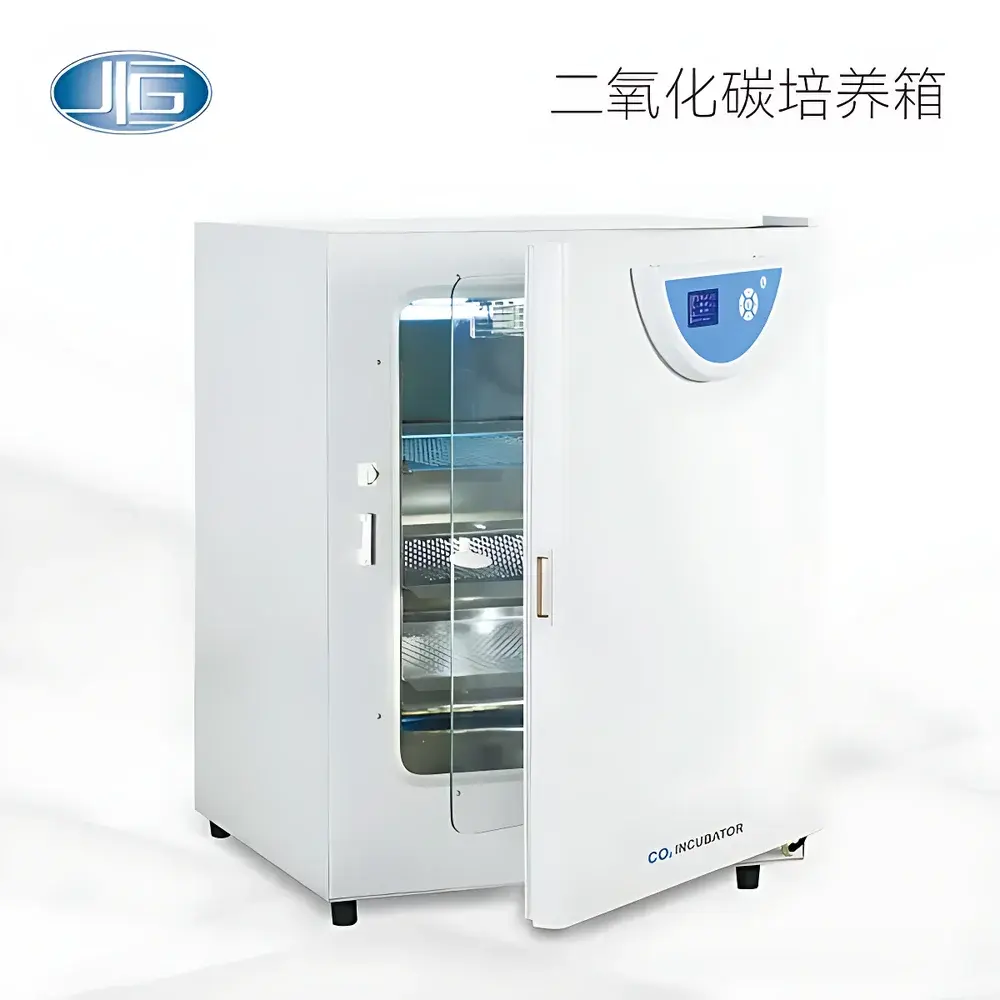
Yiheng BPN-CRH Advanced CO₂ Incubator
| Brand | Yiheng |
|---|---|
| Origin | Shanghai, China |
| Manufacturer Type | Direct Manufacturer |
| Product Category | Domestic |
| Instrument Type | Air-Jacketed CO₂ Incubator |
| CO₂ Detection | Infrared (IR) Sensor |
| Temperature Control Range & Accuracy | RT+3°C to 55°C |
| Temperature Uniformity | ±0.3°C @ 37°C |
| CO₂ Concentration Control Range & Accuracy | 0–20% |
| Capacity Options | 40 L to 500 L |
| Typical Configuration | As per official specification sheet |
| Dimensions | Refer to product catalog |
Overview
The Yiheng BPN-CRH Advanced CO₂ Incubator is an air-jacketed, microprocessor-controlled incubation system engineered for high-fidelity mammalian cell culture under physiologically relevant conditions. It maintains precise regulation of carbon dioxide concentration, temperature, and relative humidity—critical parameters for sustaining pH stability in bicarbonate-buffered media (e.g., DMEM, RPMI-1640). The system employs non-dispersive infrared (NDIR) CO₂ sensing technology, delivering rapid gas concentration recovery (<2 min after 30-second door opening at 5% CO₂ setpoint) and long-term calibration stability without drift due to ambient humidity or temperature fluctuations. Its air-jacketed thermal architecture ensures uniform heat distribution across the chamber volume while minimizing thermal inertia during setpoint transitions. Designed for continuous operation in GLP-compliant and academic research environments, the BPN-CRH meets foundational requirements for ISO 13485-aligned quality systems and supports traceable environmental monitoring in regulated workflows.
Key Features
- Air-jacketed thermal design with independent heating circuits for chamber walls and door, enabling stable temperature uniformity of ±0.3°C at 37°C across full load conditions.
- NDIR-based CO₂ sensor with factory-calibrated zero-point stability and a measurement range of 0–20% CO₂ at ±0.1% accuracy (full scale), unaffected by condensation or ambient RH shifts.
- Dual-stage microbial filtration: HEPA-grade particulate filter (≥99.99% efficiency for particles ≥0.3 µm) on internal air recirculation path; separately installed 0.2 µm hydrophobic microbial filter on external CO₂ supply line.
- Electrically heated inner glass door with anti-condensation control logic prevents dew formation during high-humidity operation (up to 95% RH), eliminating surface moisture that could harbor microbial contamination.
- Integrated 90°C wet-heat sterilization cycle validated for complete inactivation of bacteria, fungi, mycoplasma, and spores across all interior surfaces—including sensors, fan assemblies, shelves, and chamber walls—without disassembly.
- Independent dual-limit temperature alarm system with audible/visual alerts, configurable thresholds for low/high temperature deviation, CO₂ over/under-range events, extended door-open duration (>60 s), and UV lamp operational status feedback.
Sample Compatibility & Compliance
The BPN-CRH accommodates standard tissue culture formats including T-flasks (T-25 to T-225), multi-well plates (6–96-well), Petri dishes, roller bottles, and bioreactor vessels up to 500 mL capacity. Chamber interiors are constructed from electropolished stainless steel (AISI 304) with seamless welded corners to inhibit biofilm accumulation and facilitate cleaning validation. All electrical components comply with IEC 61010-1 safety standards for laboratory equipment. While not pre-certified for FDA 21 CFR Part 11, the system supports audit-ready documentation through optional data logging modules compliant with ALCOA+ principles (Attributable, Legible, Contemporaneous, Original, Accurate). It satisfies essential performance criteria outlined in ISO 13738:2017 (incubators for biological applications) and ASTM E1912-21 (standard practice for validating environmental chambers).
Software & Data Management
The incubator features an embedded 4.3-inch TFT-LCD interface with intuitive menu navigation, real-time display of chamber temperature, CO₂ concentration, relative humidity, and sterilization cycle progress. Optional RS-485 or Ethernet connectivity enables integration into centralized lab monitoring platforms (e.g., LabVantage, Thermo Fisher SampleManager) via Modbus RTU/TCP protocol. Logged environmental data—including timestamped setpoints, actual values, alarm events, and sterilization logs—is exportable as CSV files for trend analysis and regulatory submission. Firmware updates are performed via USB flash drive with cryptographic signature verification to ensure integrity. Audit trail functionality records user login/logout, parameter changes, and sterilization initiation—supporting GxP-aligned record retention policies.
Applications
- Long-term maintenance of primary human and murine cell lines under standardized atmospheric conditions (5% CO₂, 37°C, >95% RH).
- Stem cell expansion protocols requiring stringent sterility assurance and minimal environmental perturbation.
- Co-culture experiments involving multiple cell types with divergent metabolic demands.
- Preclinical drug screening assays where assay reproducibility depends on consistent extracellular pH and osmolality.
- Biobanking operations demanding periodic chamber decontamination without chemical residues or component degradation.
- Teaching laboratories requiring robust, low-maintenance infrastructure for undergraduate cell culture training.
FAQ
What type of CO₂ sensor is used, and why is it preferred over thermal conductivity sensors?
The BPN-CRH uses a factory-calibrated NDIR sensor, which offers superior specificity, faster response time (<30 s), and immunity to ambient humidity interference—critical for labs with frequent door access or variable room conditions.
Can the incubator maintain humidity without external water reservoir refills?
Yes—the integrated humidification system utilizes a stainless-steel water pan with automatic level detection and PID-controlled evaporation; no manual topping is required during standard 95% RH operation.
Is the 90°C wet-heat sterilization cycle validated for mycoplasma elimination?
Yes—validation studies confirm ≥6-log reduction of Mycoplasma hominis and Acholeplasma laidlawii following a 6-hour dwell at 90°C with ≥95% RH, per ISO 11138-3 guidelines.
Does the system support remote monitoring via network protocols?
Optional communication modules enable Modbus TCP/RTU integration for SCADA or LIMS connectivity; local USB data export remains standard on all configurations.
How often does the HEPA filter require replacement under typical usage?
Under continuous operation with daily door openings (≤5×/day), the HEPA filter is rated for 12 months; replacement interval extends to 18 months in low-traffic core facilities with controlled access protocols.
Related Products



