
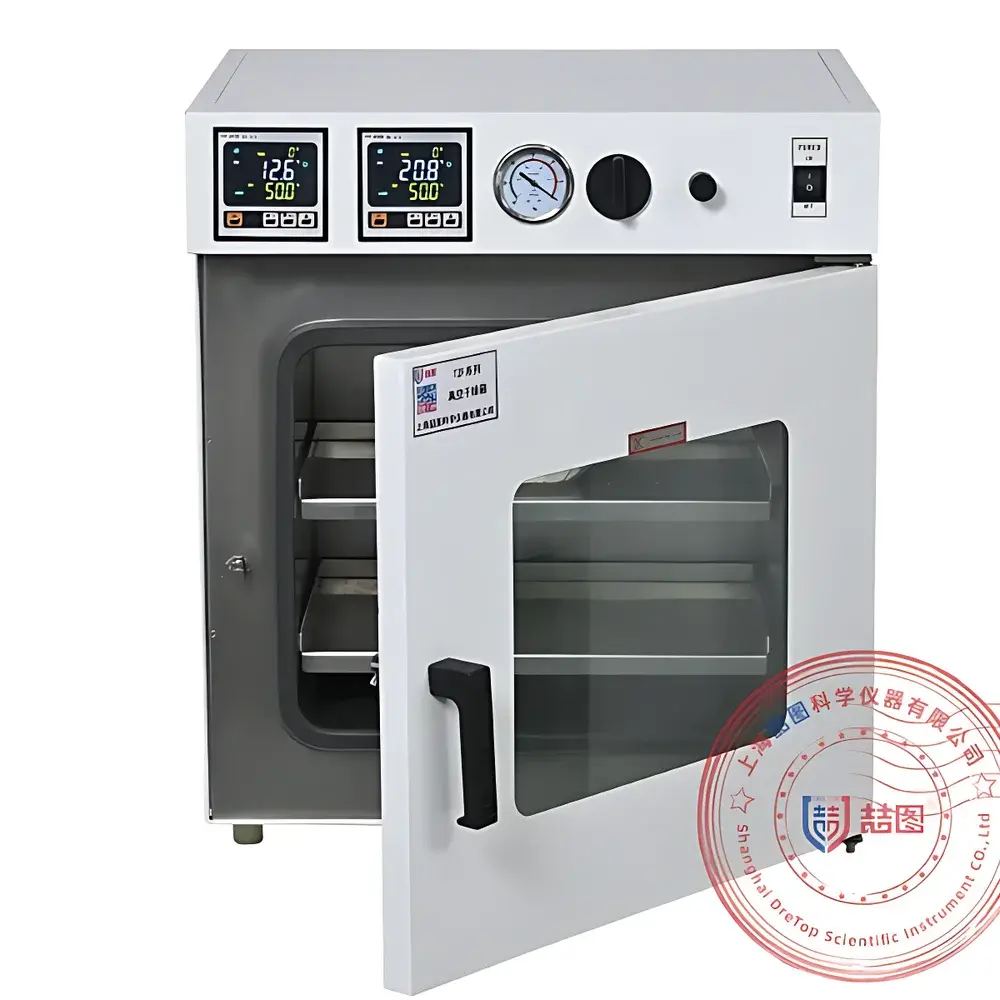
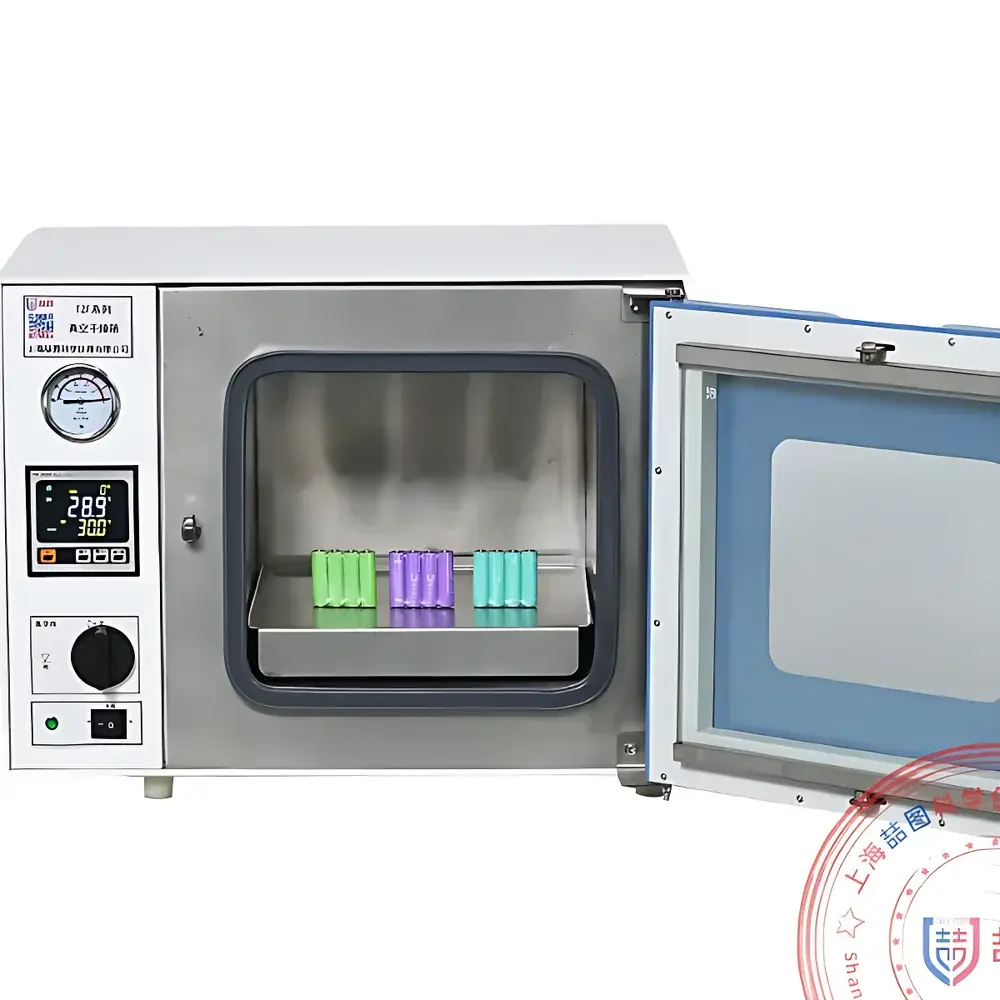
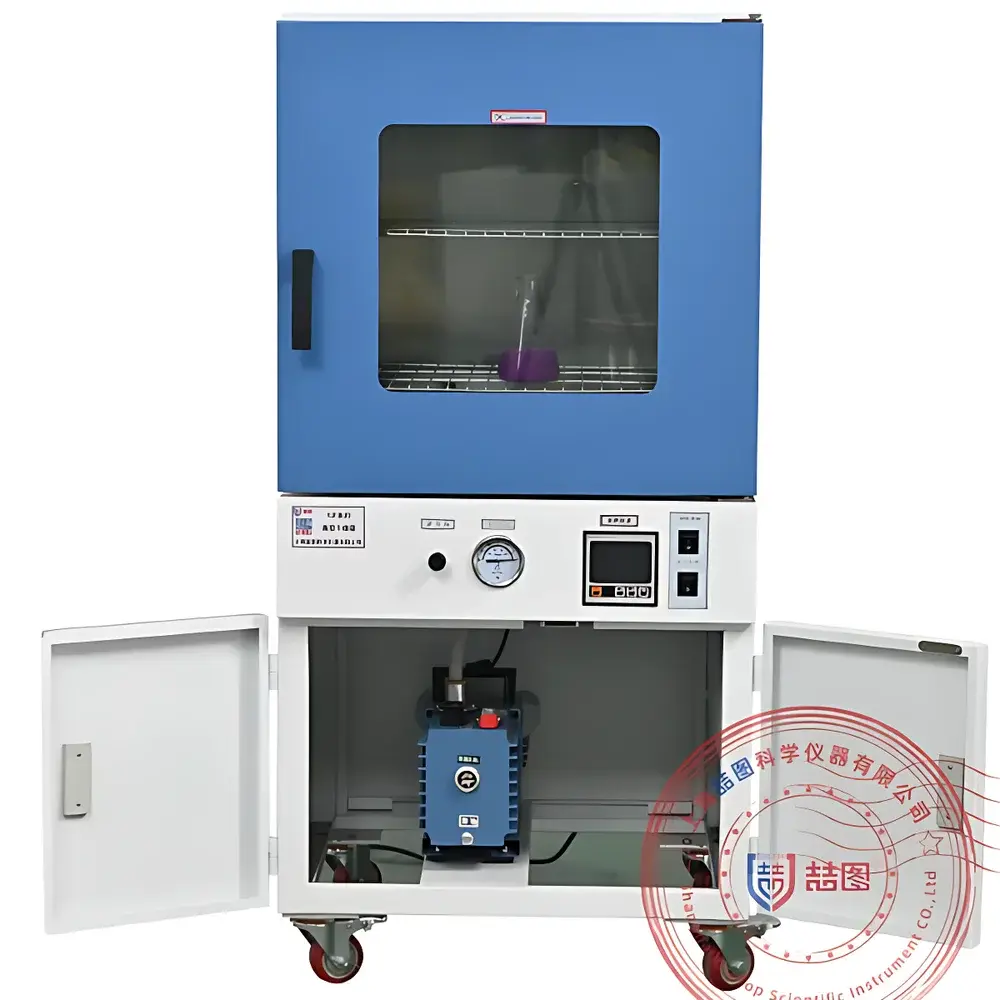
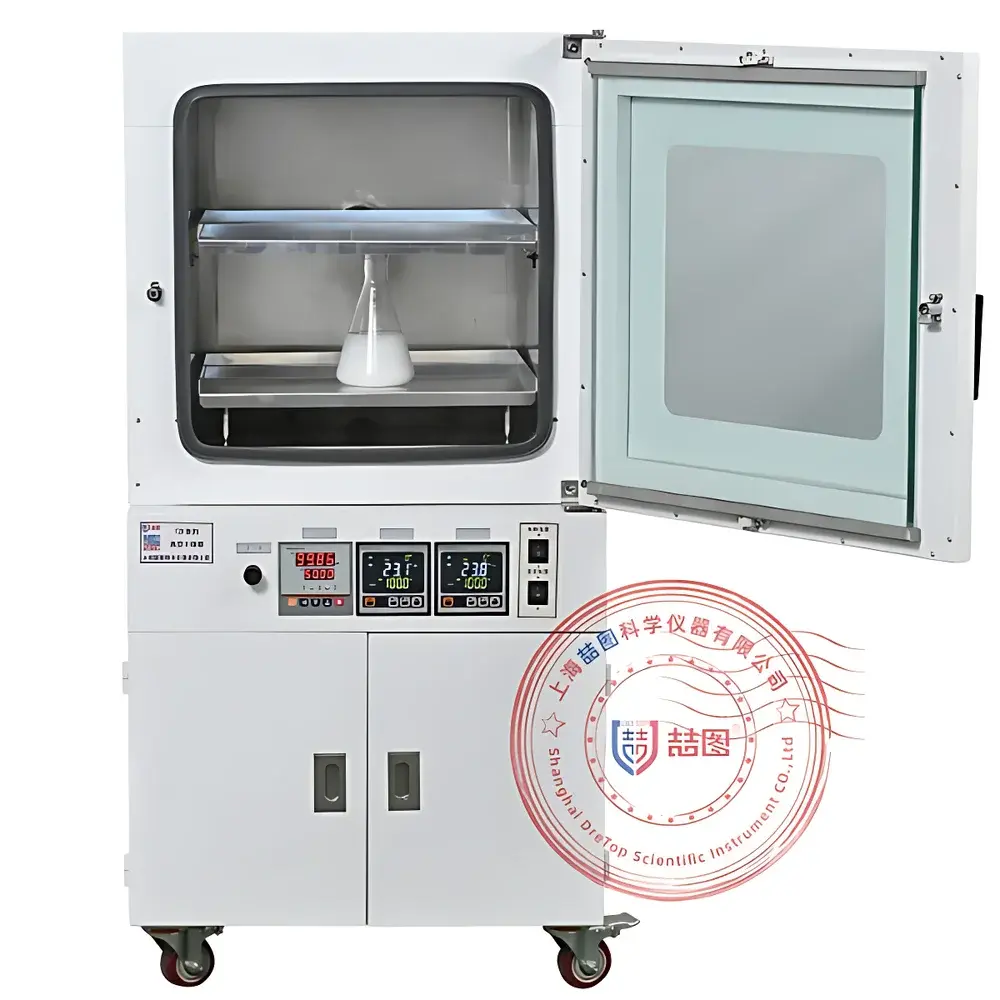
DRETOP TZF/TNF/TZS/XZ/XZS/HVG/UVG Series Vacuum Drying Ovens
| Brand | DRETOP |
|---|---|
| Origin | Shanghai, China |
| Manufacturer Type | Authorized Distributor |
| Product Category | Domestic |
| Models | TZF, TNF, TZS, XZ, XZS, HVG, UVG Series |
| Instrument Type | Vacuum Oven |
| Temperature Range | RT+10°C to 250°C |
| Temperature Uniformity | ±2.5°C |
| Temperature Fluctuation | ±0.5°C |
| Temperature Resolution | 0.1°C |
| Working Environment Temperature | RT+5°C |
| Chamber Dimensions (W×D×H) | 660×640×1290 mm |
| Internal Chamber Dimensions (W×D×H) | 2000×800×800 mm |
| Chamber Material | 304 Stainless Steel |
| Heating Method | Internal or External Radiant Heating |
| Vacuum Level | ≤133 Pa |
| Insulation | Glass Fiber Blanket |
| Safety Protections | Over-temperature alarm, short-circuit, overload, leakage current, and power-failure data retention |
Overview
The DRETOP TZF, TNF, TZS, XZ, XZS, HVG, and UVG Series Vacuum Drying Ovens are precision-engineered laboratory systems designed for controlled thermal processing under reduced-pressure environments. Operating on the principle of vacuum-assisted evaporation suppression—where lowered ambient pressure reduces the boiling point of solvents and moisture—the ovens enable gentle, oxidation-free drying of thermally sensitive, hygroscopic, or chemically reactive materials. Unlike conventional convection ovens, these systems eliminate convective heat transfer and atmospheric oxidation, making them indispensable for applications requiring residue-free dehydration, solvent removal without decomposition, or inert thermal stabilization. The series supports a wide operational temperature range from ambient +10°C up to 250°C with high thermal stability (±0.5°C fluctuation) and uniformity (±2.5°C across chamber volume), meeting critical requirements in semiconductor packaging, lithium-ion battery electrode conditioning, optical component curing, pharmaceutical lyophilization pre-drying, and advanced material synthesis.
Key Features
- Robust 304 stainless steel internal chamber and reinforced double-layer tempered glass observation window ensure long-term corrosion resistance and real-time process monitoring.
- Microprocessor-based PID temperature controller with programmable timer (1–9999 minutes), over-temperature cut-off, and self-diagnostic fault code display for rapid troubleshooting.
- Dual heating configurations: externally mounted radiant heaters (four-wall design) for uniform thermal distribution and minimal vacuum arcing risk; or internally embedded plate heaters (N-type) for rapid ramp rates and layer-specific temperature control.
- Two-point sealing mechanism with zinc alloy dual-stage rotary latch and high-elasticity silicone gasket guarantees vacuum integrity down to ≤133 Pa (TZF/TNF/TZS/XZ/XZS) or high-vacuum operation at 1–10 Pa (HVG/UVG models).
- Modular acoustic enclosure option (carbon steel integrated cabinet) houses vacuum pumps and accessories, reducing operational noise by >25 dB(A) and optimizing footprint in shared lab spaces.
- Comprehensive safety architecture includes ground-fault circuit interrupter (GFCI), thermal fuse backup, automatic power recovery memory, and insulation rated per IEC 61010-1 for Class II laboratory equipment.
Sample Compatibility & Compliance
These vacuum ovens accommodate diverse sample geometries—from powder-filled crucibles and wafer trays to multi-layer PCB assemblies and biological tissue specimens—without particle dispersion or surface oxidation. The inert vacuum environment prevents degradation of oxygen-sensitive compounds (e.g., perovskite precursors, metal-organic frameworks, and enzyme formulations). All models comply with ISO 17025 calibration traceability guidelines for temperature uniformity verification and support GLP/GMP documentation workflows via optional RS485 Modbus RTU interface and audit-trail-capable color touchscreen controllers (LT-series). Vacuum performance aligns with ISO 2740:2015 for low-to-medium vacuum drying systems, and electrical safety conforms to UL 61010-1 and CE EN 61010-1 standards. Optional inert gas inlet valves (N₂, Ar) enable controlled atmosphere transitions per ASTM E1510-20 protocols.
Software & Data Management
The TZS-LP and TZS-LT series integrate programmable logic controller (PLC)-based automation with dual-parameter scheduling—simultaneous ramp-soak control of both temperature and vacuum level. The LT-series color touchscreen provides intuitive recipe management, real-time trend graphs (temperature/vacuum vs. time), and password-protected user levels (Operator, Technician, Administrator). Data logging supports CSV export via USB port (U-disk not included), while optional embedded thermal printers generate hard-copy batch records compliant with FDA 21 CFR Part 11 Annex 11 requirements when paired with electronic signature modules. Remote monitoring is enabled through Ethernet-ready RS485 gateways compatible with LabVantage, Empower, or custom SCADA platforms.
Applications
- Semiconductor manufacturing: Pre-bake of photoresist-coated wafers, die-attach adhesive curing, and flux residue removal under inert vacuum.
- Lithium battery R&D: Electrode slurry drying, separator moisture extraction, and solid-electrolyte interphase (SEI) layer stabilization.
- Pharmaceutical development: Solvent removal from amorphous solid dispersions, excipient drying prior to tablet compression, and stability testing per ICH Q1A(R2).
- Materials science: Outgassing of ceramic green bodies, polymer crosslinking under vacuum, and nanomaterial storage preconditioning.
- Academic research: Low-temperature dehydration of cryo-sectioned tissues, vacuum annealing of 2D materials (MoS₂, graphene), and catalyst activation protocols.
FAQ
What vacuum level is achievable with standard DRETOP vacuum ovens?
Standard TZF/TNF/TZS/XZ/XZS models achieve ≤133 Pa using included 2–4 L/s rotary vane pumps. High-vacuum HVG/UVG variants reach 1–10 Pa with optimized sealing and enhanced pump compatibility.
Can I perform inert gas purging during drying cycles?
Yes—optional inert gas inlet valves (N₂, Ar) allow sequential vacuum-purge cycles or continuous flow mode, supporting ASTM F209-22 desiccation protocols.
Are custom chamber dimensions available?
Yes—DRETOP offers OEM engineering support for non-standard internal volumes, multi-tier stacked configurations (XZ/XZS series), and integration-ready footprints including wall-mount and trolley-mounted variants.
How is temperature uniformity validated across the chamber?
Uniformity is verified per ISO 17025-accredited procedures using nine calibrated PT100 sensors positioned at standardized locations (center, six faces, and corners), with reports available upon request.
What vacuum pump options are recommended for high-moisture samples?
For aqueous or solvent-rich loads, DRETOP recommends pairing with VGM-series corrosion-resistant diaphragm pumps (oil-free) or adding cold traps and oil mist filters to rotary vane systems to prevent pump contamination and extend service life.



