
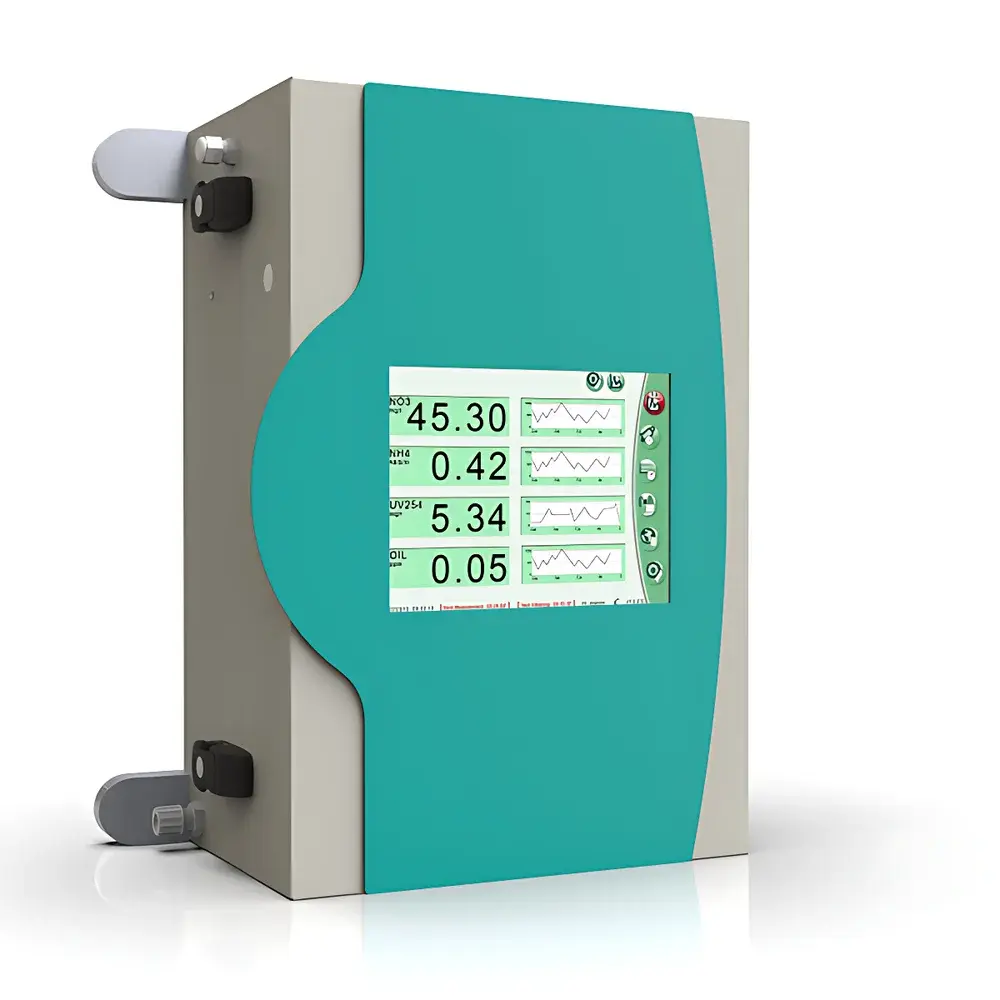
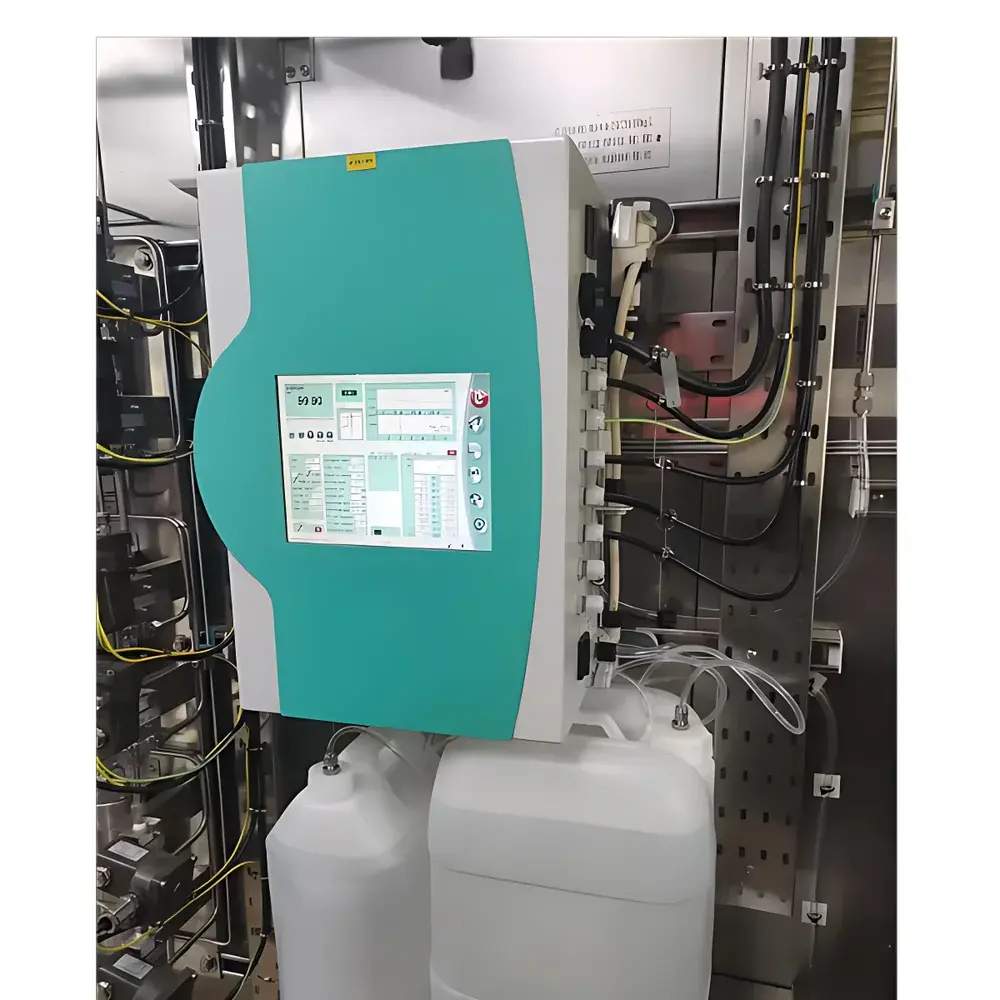
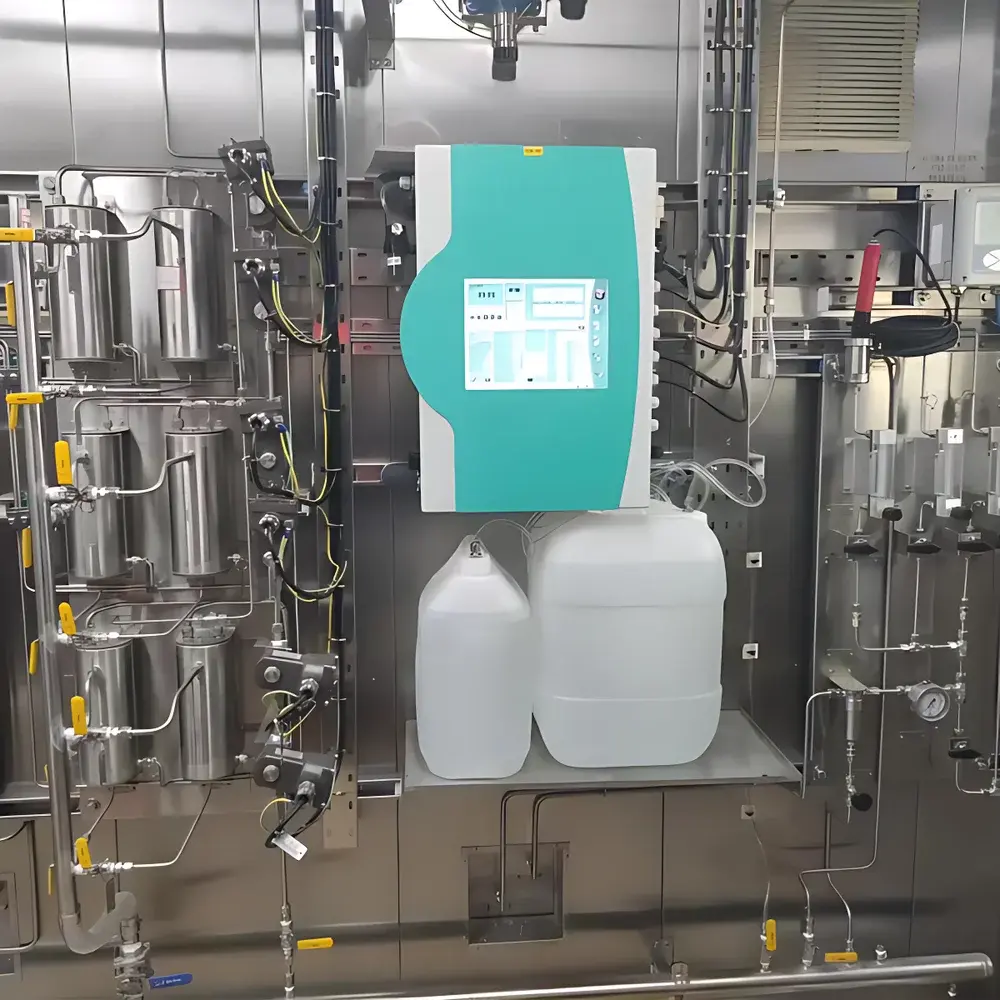
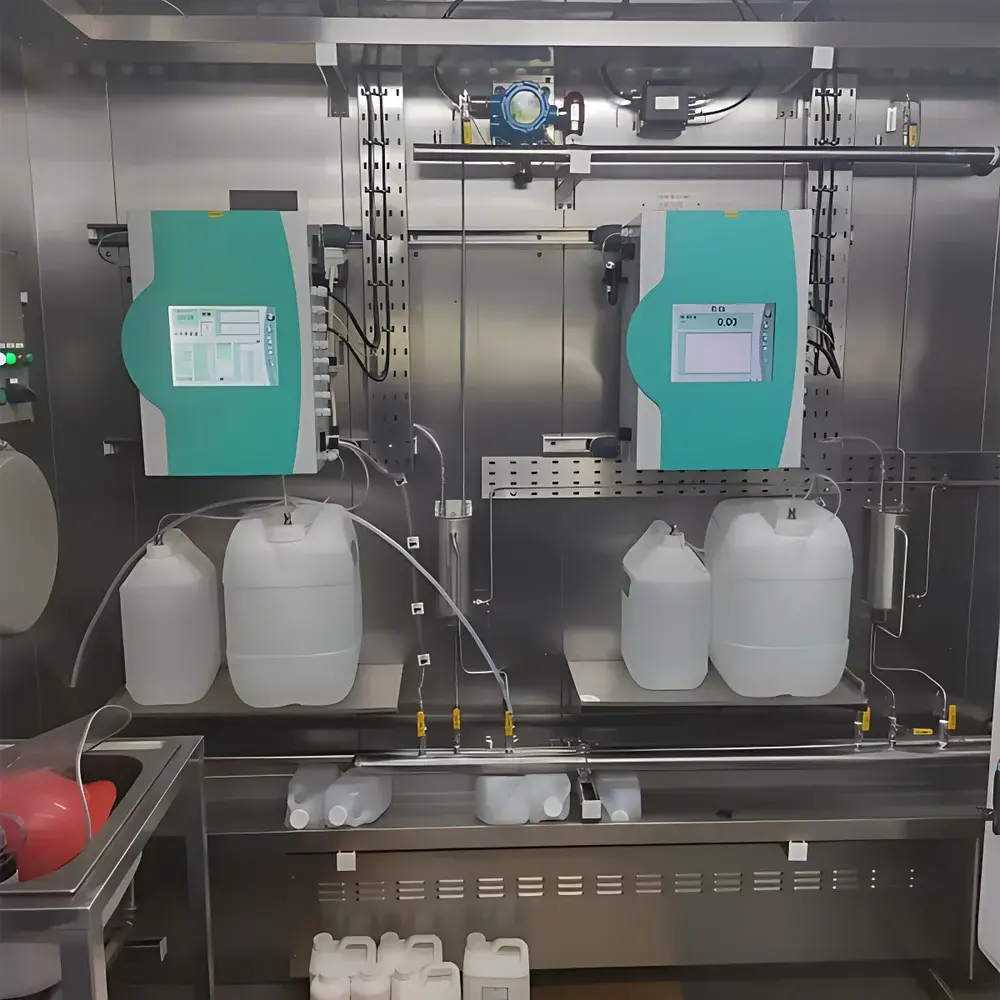
SPECTRA INVENT TETHYS-UV500 Online Oil-in-Water, Ammonia-Nitrogen & Sulfide Analyzer
| Brand | SPECTRA INVENT |
|---|---|
| Origin | Beijing, China |
| Manufacturer Type | Authorized Distributor |
| Country of Origin | China |
| Model | TETHYS-UV500 |
| Instrument Type | Online Water Quality Analyzer |
| Measurable Parameters | Oil-in-Water (via UV-induced fluorescence), Ammonia-Nitrogen (as NH₃), Hydrogen Sulfide (as H₂S), COD/BOD/TOC (indirect correlation), Nitrate, Phosphate, Color, Turbidity |
Overview
The SPECTRA INVENT TETHYS-UV500 is an industrial-grade online water quality analyzer engineered for continuous, real-time quantification of hydrocarbon contamination (oil-in-water), ammonia-nitrogen (NH₃), and hydrogen sulfide (H₂S) in aqueous matrices. It employs two distinct, interference-resistant optical detection principles: ultraviolet (UV)-induced molecular fluorescence for oil detection and gas-phase Fourier-transform ultraviolet absorption spectroscopy (FT-UV) for speciated nitrogen and sulfur compounds. The system operates on a fully automated, flow-through sample conditioning architecture—requiring no reagents for oil measurement and minimal chemical addition (NaOH for NH₄⁺ conversion; HCl for HS⁻ conversion) for nitrogen/sulfur analysis. Designed for unattended operation in harsh environmental and industrial settings, the TETHYS-UV500 delivers high reproducibility across dynamic concentration ranges while maintaining compliance with core performance expectations of ISO 10523 (pH), ISO 7027 (turbidity), and ASTM D5847 (water quality monitoring protocols).
Key Features
- Multi-parameter capability: Simultaneous online measurement of oil-in-water (0.01–50 mg/L), ammonia-nitrogen (0.05–20 mg/L as N), and sulfide (0.01–10 mg/L as S) within a single instrument footprint.
- Dual optical detection platform: UV fluorescence excitation at 254 nm for aromatic hydrocarbons (e.g., benzene, naphthalene, phenanthrene); FT-UV absorption in the 190–220 nm range for selective NH₃ and H₂S gas-phase quantification.
- Integrated sample pretreatment module: Automated pH adjustment (±0.1 unit precision), membrane-based gas stripping cell, and temperature-controlled optical flow cell (±0.5 °C stability).
- Robust architecture: IP66-rated enclosure, corrosion-resistant wetted materials (316L SS, PTFE, FEP), and wide operating ambient temperature range (−10 to +50 °C).
- Self-diagnostic functionality: Real-time lamp intensity monitoring, flow rate validation, optical path cleanliness assessment, and automatic zero/span verification cycles.
- Modular calibration interface: Supports both factory-defined multi-point calibration curves and user-defined matrix-matched standards for site-specific compensation.
Sample Compatibility & Compliance
The TETHYS-UV500 accepts raw or pre-filtered (≤5 µm) water samples from municipal intake sources, industrial effluents, groundwater wells, and process streams. It accommodates suspended solids up to 100 mg/L and salinity up to 35 g/L without signal quenching. All analytical methods are traceable to internationally recognized reference procedures: oil quantification aligns with EPA Method 1664B (gravimetric) and ISO 9377-2 (fluorescence); ammonia-nitrogen determination conforms to ISO 14911 (ion-selective electrode) and US EPA Method 350.1 (spectrophotometric); sulfide analysis follows ISO 10523 and APHA Standard Method 4500-S²⁻ E (methylene blue). The system supports GLP/GMP-aligned data integrity through configurable audit trails, electronic signatures, and 21 CFR Part 11-compliant software modules (optional license).
Software & Data Management
Embedded firmware provides local control via a 7-inch capacitive touchscreen HMI with multilingual UI (English, Spanish, Chinese). Remote access is enabled via secure HTTPS/SSH protocols and Modbus TCP/RTU interfaces. Data logging occurs at user-configurable intervals (1 sec to 24 h) with onboard storage for ≥12 months of high-resolution time-series records. Export formats include CSV, PDF reports, and XML metadata bundles compatible with SCADA, LIMS, and cloud-based platforms (e.g., AWS IoT Core, Azure IoT Hub). Firmware updates are delivered over-the-air (OTA) with cryptographic signature verification. All configuration changes and measurement events are timestamped and logged with operator ID and reason-for-change fields.
Applications
- Refinery wastewater discharge monitoring per API RP 45 and ISO 14001 environmental management systems.
- Drinking water treatment plant influent/effluent surveillance for hydrocarbon intrusion and disinfection by-product precursors.
- Offshore platform process water quality assurance under IMO MEPC.227(64) guidelines.
- Municipal wastewater treatment plants complying with EU Urban Wastewater Treatment Directive (91/271/EEC) and US Clean Water Act NPDES permit requirements.
- Emergency response vehicles requiring rapid (<2 min cycle time), field-deployable oil and toxicant screening.
- Aquaculture facility recirculating aquaculture systems (RAS) where sub-ppm NH₃ and H₂S thresholds dictate biological safety.
- Chemical manufacturing sites subject to REACH Annex XVII restrictions on aromatic hydrocarbon releases.
FAQ
What detection limit does the TETHYS-UV500 achieve for petroleum hydrocarbons in freshwater?
The instrument achieves a method detection limit (MDL) of 0.01 mg/L for total petroleum hydrocarbons (TPH) in low-turbidity (<5 NTU), low-DOM surface waters, validated per ISO/IEC 17025:2017 Clause 7.7.
Can the analyzer operate without chemical reagents for all three parameters?
Oil-in-water measurement requires no reagents. Ammonia-nitrogen and sulfide quantification require NaOH and HCl, respectively, for phase transfer—consumption rates are ≤2 mL/h per reagent channel.
Is the system certified for hazardous area installation (e.g., Zone 1 or Class I Div 1)?
The standard configuration is rated for non-hazardous locations (Class I, Division 2 Group C/D). ATEX/IECEx-certified variants (Ex d IIB T4 Gb) are available upon request with modified housing and purge systems.
How frequently must calibration be performed under continuous operation?
Factory-recommended calibration interval is every 7 days for oil and every 14 days for NH₃/H₂S when operating within specified temperature and turbidity limits; automated drift correction algorithms extend effective calibration stability.
Does the analyzer support integration with third-party telemetry hardware (e.g., cellular gateways, satellite modems)?
Yes—RS-485, Ethernet, and optional 4G LTE CAT-M1/NB-IoT modules enable seamless integration with industry-standard telemetry infrastructure and edge computing nodes.
Related Products







